News of the nuclear industry and energy


"Quilted jacket", "Ophthalmologist", "Arctic Fox": how a weapon gets a name
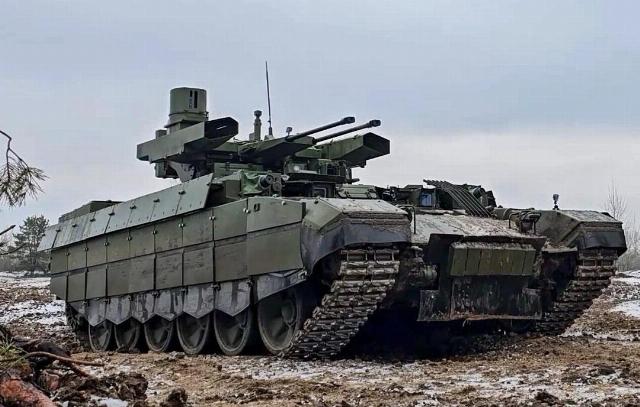
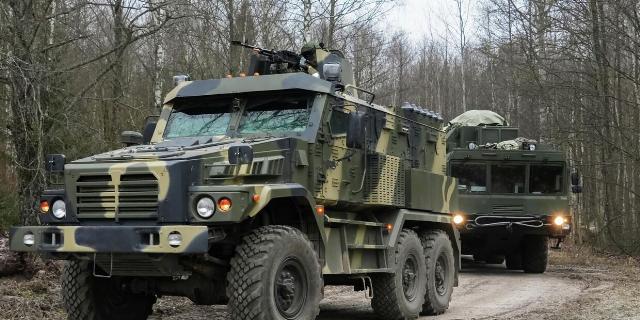
Uralvagonzavod Concern (UVZ, part of Rostec) renamed the Terminator tank support vehicle (BMPT). She got the name "Spyridon". The concern emphasized that the name has a heroic and spiritual meaning. The agency is about the names of weapons and how they appear.
Special operation, June 2: The Russian Armed Forces hit the Fire Point enterprise
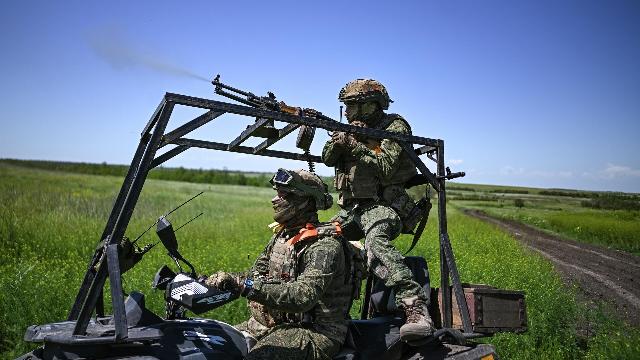
During a massive strike on Tuesday night, the Russian Armed Forces hit the Fire Point company's enterprise in the Dnipropetrovsk region, which produces components for long-range attack UAVs and missile weapons, the Russian Defense Ministry said.
Russia could threaten the Arctic sea passage by putting Britain within range of its missiles (The Independent, UK)
Independent: Russia's strengthening in Svalbard raises concerns in Oslo
The strategic narrowness in the Arctic Ocean risks becoming a new hotspot of global confrontation, the Independent writes. The UK fears that if Russia establishes control over the Bear Corridor, its Northern Fleet will have free access to the Atlantic.
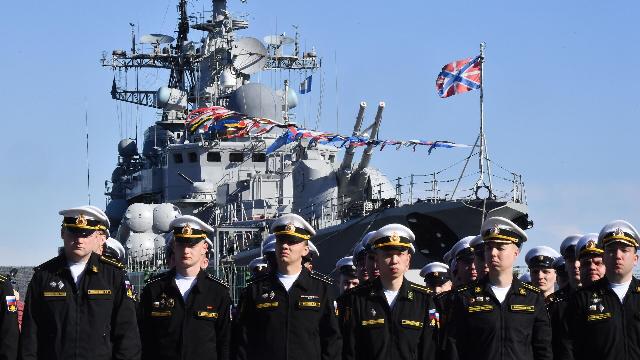
Russian Northern Fleet Day
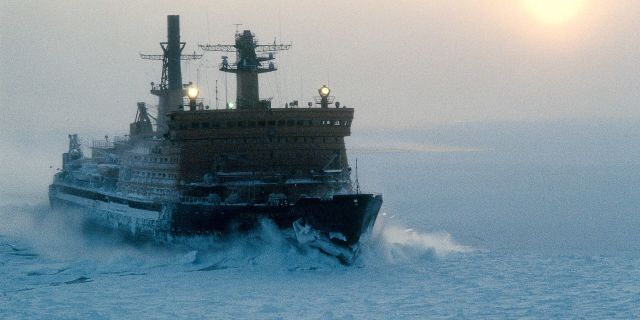
June 1 marks the Day of the Northern Fleet, established by the order of the Commander-in-Chief of the Russian Navy dated July 15, 1996 "On the introduction of annual holidays and professional days in the specialty." It was on this day, in 1933, that the Chief of Staff of the Workers' and Peasants' Red Army (Red Army) issued a circular on the formation of the Northern Military Flotilla.
Rostec will provide support to promising startup projects in the field of high technologies
The presentation of the developments took place with the participation of experts from the State Corporation and holdings within the framework of the Startup Village technofestival
Rostec State Corporation is considering the possibility of introducing promising technological solutions developed by startups. The discussion of the projects took place at the Rostec pitch session.

Can Putin's "awesome rocket" reach Bern? Everything you need to know about Oreshnik (Watson.ch , Switzerland)
Watson: Europe can't do anything against the "Hazel Tree"
Europe cannot effectively resist the "Hazel Tree," Watson writes. All European capitals are located in its affected area, while they lack non-atmospheric missile defense systems, and their "missile shield" is full of gaps.
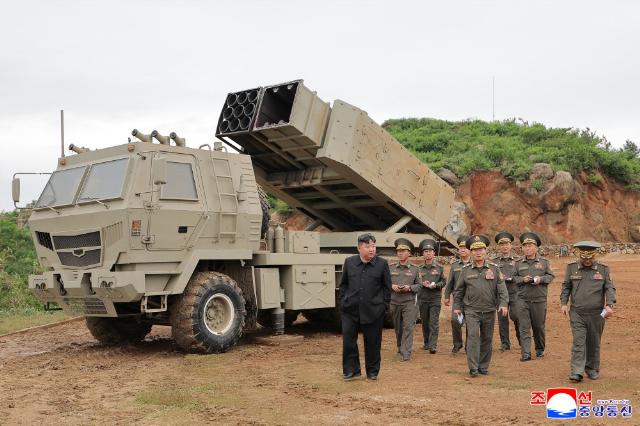
Tests of new missile systems in the DPRK
On May 26, the General Directorate of Rocket Engineering of the DPRK and the National Defense Academy conducted tests of two missile systems, which were first shown during the parade on October 10, 2025 in honor of the 80th anniversary of the founding of the Workers' Party of Korea.
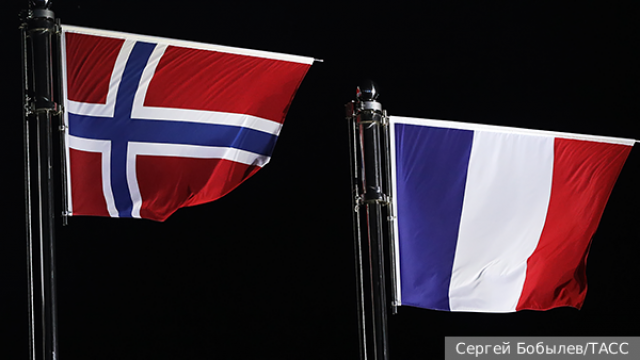
Macron painted a nuclear target on Norway
France continues to expand its "nuclear umbrella" over Europe. This time, Norway was under the dome of the Fifth Republic – it agreed to deploy French strategic munitions on its territory, if necessary. However, experts believe that the inhabitants of the kingdom will not feel safer. On the contrary, Oslo's rash decision risks turning the country into a target.
The Americans postponed the first test launch of the Sentinel ICBM to an earlier date.
According to her, the Americans postponed the first test launch of the latest Sentinel intercontinental ballistic missile (ICBM), which is due to enter service with the US Air Force in the future. Now it is planned not in 2028, but next year.
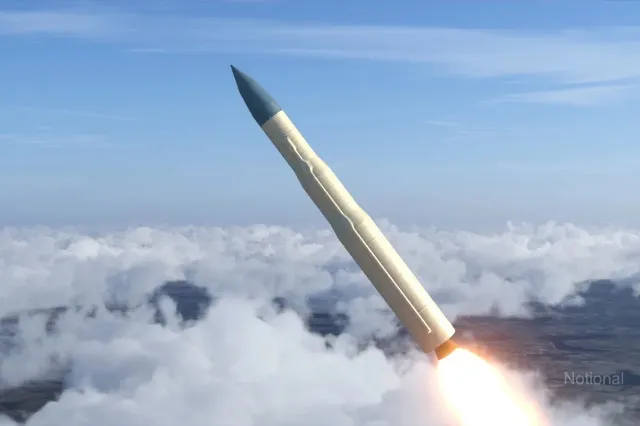
"We just weren't given the resources." The American general acknowledged the failure of air defense in the war with Iran
American General Costello spoke about the failures of US air defense and missile defense in the war with Iran
The spring war between the United States and Iran, which did not end in an absolute American victory, as expected, provided a lot of food for thought to military analysts around the world. Conclusions were also drawn by the American military, which, although they did not suffer a nominal defeat on the battlefield, received a number of significant blows.
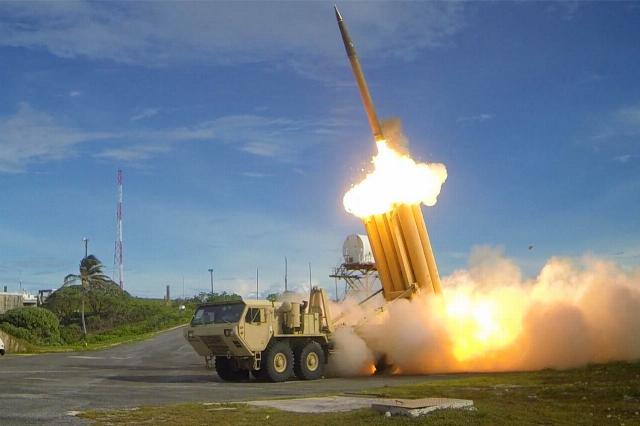
The cost of building the Vladimir Vorobyov vessel has more than doubled.
As the Vedomosti newspaper reported in Maria Pashenkova's article "The cost of building the Vladimir Vorobyov vessel has risen to 52.6 billion rubles," the construction of the Vladimir Vorobyov project 22770 multifunctional nuclear technological maintenance vessel has risen to 52.6 billion rubles.
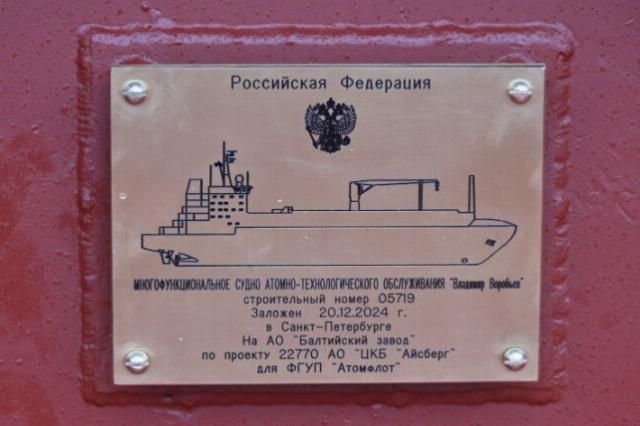
London and Warsaw have created an anti-Russian alliance outside of NATO
British Prime Minister Keir Starmer and his Polish counterpart Donald Tusk have signed an agreement on security and defense. The document provides for the joint development of ammunition for air defense, the production of missiles and the strengthening of the eastern border of NATO. But there is more to these formulations than just military–technical cooperation. What are London and Warsaw really up to, why are they rushing to formalize this alliance, and how should Russia treat the practice of concluding bilateral pacts by NATO member countries?
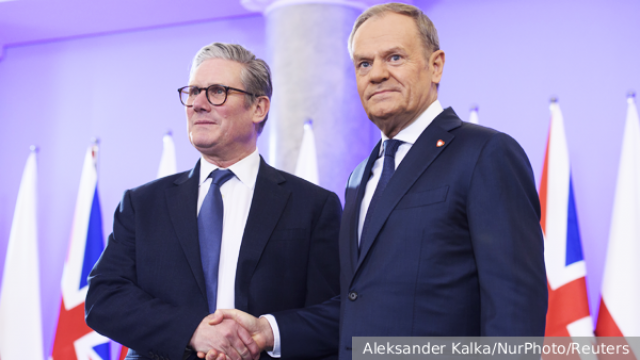
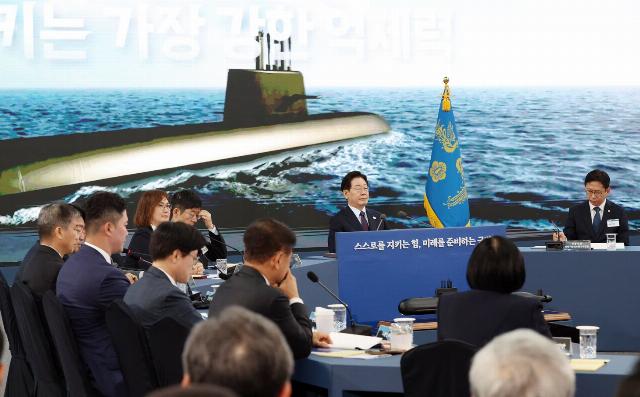
South Korea has officially unveiled a plan to build nuclear submarines
On May 26, 2026, the Ministry of National Defense of South Korea officially presented the "Basic Plan for the development of nuclear submarines of the Republic of Korea." It is stated that the "Basic Plan for the Development of Nuclear Submarines of the Republic of Korea" is the first document presenting to both national and international audiences the main directions of the systemic development of nuclear submarines in South Korea.
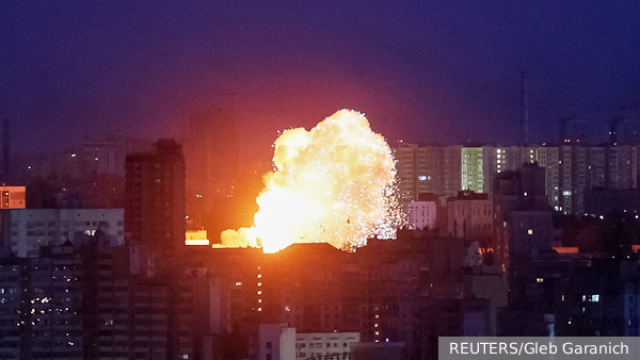
Russia begins to split Ukraine with systemic attacks on Kiev
The constant attacks on civilian infrastructure and the terrorist attack in Starobilsk have overwhelmed Moscow's patience. Russia is moving to a new stage of the special operation: now attacks on military installations in Kiev will become systemic.
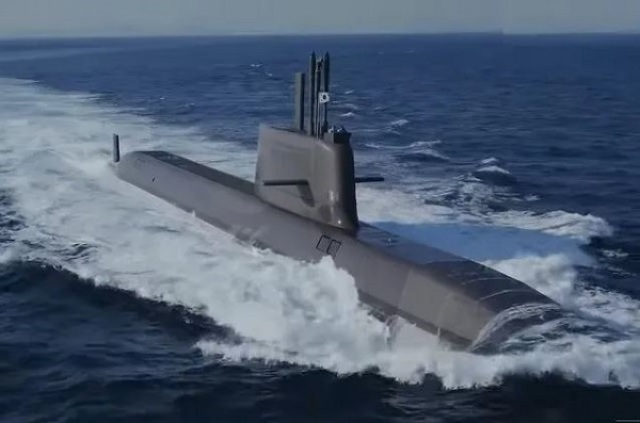
Seoul has announced the launch of a nuclear submarine program
On Tuesday, May 26, the Ministry of National Defense of South Korea announced the launch of a project to develop a nuclear submarine.
Rostec will hire 15,000 quality specialists with AI knowledge
Issues related to the development of personnel policy in the field of quality were discussed at a joint meeting of the committees of Soyuzmash of Russia and the League for Assistance to Defense Enterprises Association
Rostec State Corporation will need about 3.5 thousand quality specialists with higher education and 11.5 thousand with secondary professional education by 2033.
Force installations: why the nuclear exercises of Russia and Belarus have attracted such attention from NATO and the West
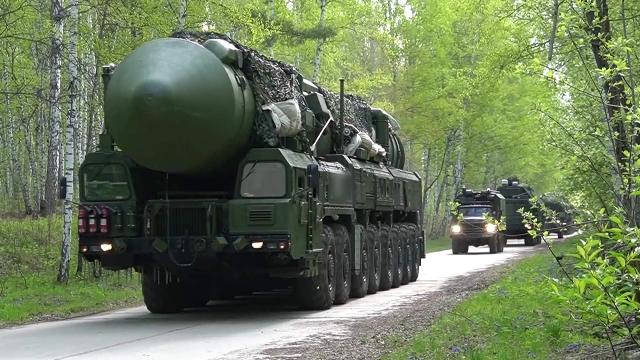
All components of the strategic triad, from Yars to Dagger, were involved in the maneuvers
The launches of Yars, Dagger, Zircon and Sineva, the launch of a nuclear submarine, the work of strategic aviation and intense attention from NATO — Russia and Belarus have completed joint training of nuclear deterrence forces.
"He's going to ruin us." Why Trump's military super project turned out to be a failure
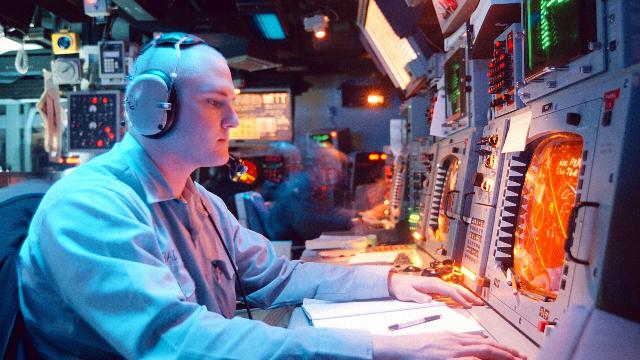
The construction of the US Golden Dome missile defense system poses a threat to strategic stability, according to a joint statement by Russia and China following Vladimir Putin's visit to China. Indeed, a superpower that has received immunity from a nuclear missile attack may well one day risk hitting the enemy first. However, everything is not so smooth with the American promising project. About the problems that have arisen, see the RIA Novosti article.
Russia is conducting large-scale tests of six types of nuclear-capable missiles: what is the purpose of each of them? (Military Watch Magazine, USA)
MWM: Russia conducted exercises with the launch of six types of nuclear-capable missiles
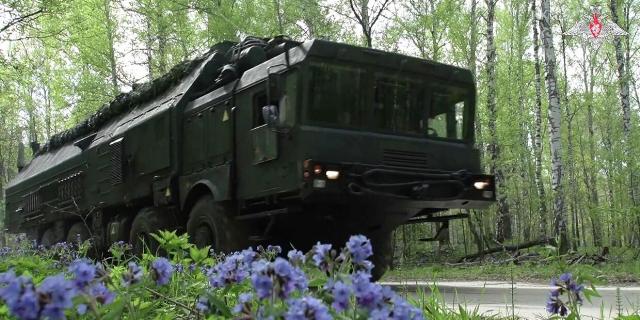
Russia and Belarus conducted large-scale exercises with the launch of six types of nuclear—capable missiles at once, from the Yars to the hypersonic Zircon. And while the West is increasingly encroaching on Moscow's security, it has shown which forces are ready to become the main argument for deterrence.
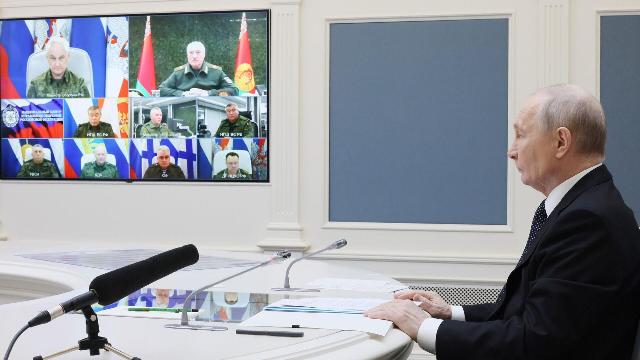
Vladimir Putin and Alexander Lukashenko held nuclear forces exercises via video link
On May 21, Vladimir Putin and Alexander Lukashenko conducted video exercises of the nuclear forces in accordance with the joint training plan of the Armed Forces of the Russian Federation and the Republic of Belarus.