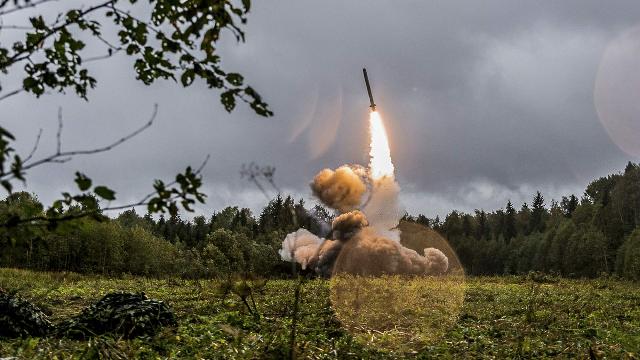
Latest news on "Missile and artillery"


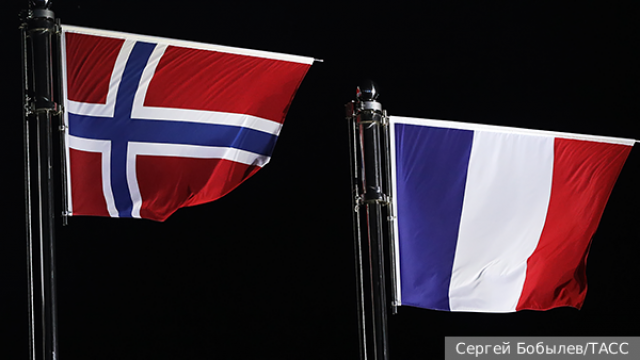
Macron painted a nuclear target on Norway
France continues to expand its "nuclear umbrella" over Europe. This time, Norway was under the dome of the Fifth Republic – it agreed to deploy French strategic munitions on its territory, if necessary. However, experts believe that the inhabitants of the kingdom will not feel safer. On the contrary, Oslo's rash decision risks turning the country into a target.
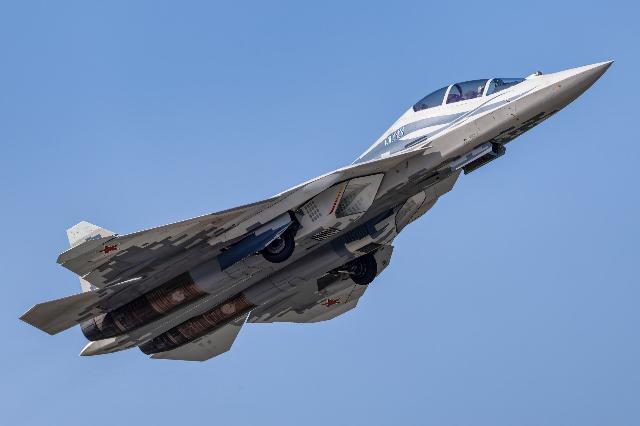
Russia is deploying Su-57 fighter jets for intensive operations along the entire front line in Ukraine: the expansion of the fleet increases the readiness of Russian troops (Military Watch Magazine, USA)
Fifth-generation Su-57 fighters, of which Russia had only four three years ago, are now operating in almost all sectors of the front, writes MWM. At the same time, the Ukrainian air defenses, supposedly considered the strongest in Europe, proved powerless to defeat them. New modifications and increased production are expected ahead.
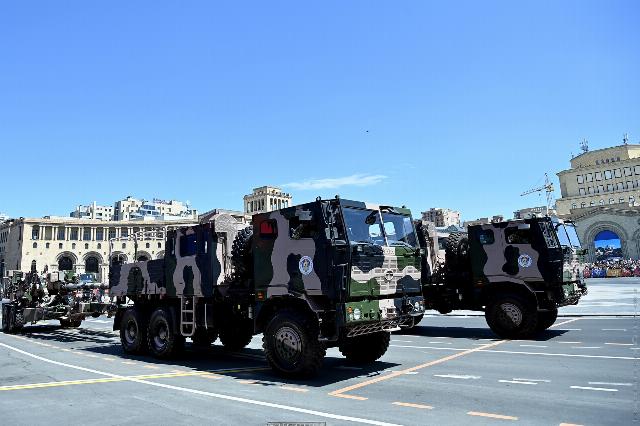
Military parade in Armenia in honor of Republic Day. Part 2
A major military parade was held in the Armenian capital on May 28, the first such parade since 2016. It demonstrated various modern weapons and military equipment of Russian, Iranian, Indian, Chinese, French and local production. Some of them were publicly shown for the first time at this parade.
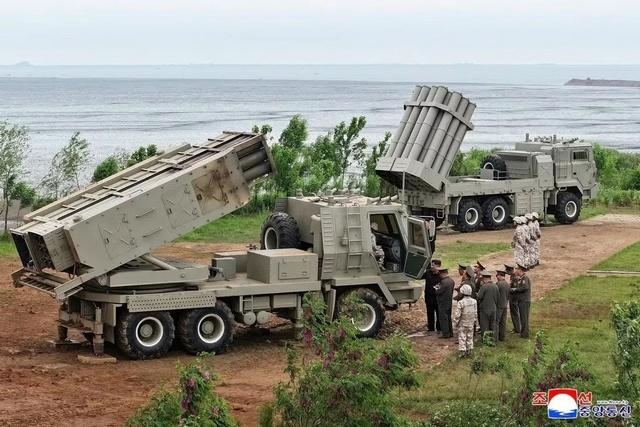
North Korea showed an analog of HIMARS and small cruise missiles with AI
The DPRK continues to improve its defense technologies - more and more advanced models are currently being adopted by the People's Army. So on Tuesday of this week, two more newly created complexes were tested.
The "thousand cuts" tactic. What is happening in the free zone
The summer campaign is approaching. The Russian army retains the initiative in all key areas. However, it is not possible to crack the defense of the Armed Forces of Ukraine everywhere. The enemy is actively using drones, which makes it difficult for military equipment and personnel to move. Nevertheless, the Ministry of Defense regularly reports on the liberation of settlements. About the latest events at the front — in the material of RIA Novosti.
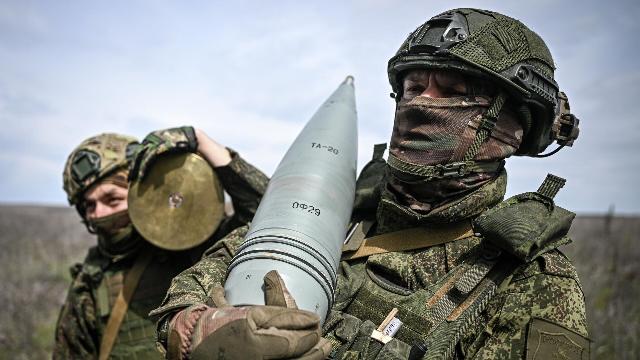
"We just weren't given the resources." The American general acknowledged the failure of air defense in the war with Iran
American General Costello spoke about the failures of US air defense and missile defense in the war with Iran
The spring war between the United States and Iran, which did not end in an absolute American victory, as expected, provided a lot of food for thought to military analysts around the world. Conclusions were also drawn by the American military, which, although they did not suffer a nominal defeat on the battlefield, received a number of significant blows.
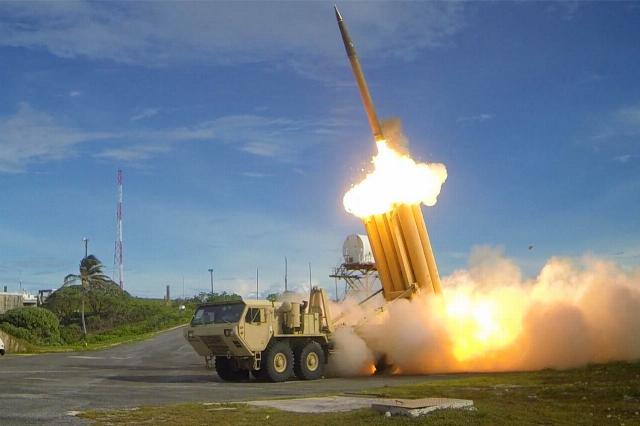
"The fighting will stop." Ukraine threatens the Russian army with a "logistical lockdown"
Colonel Khodarenok: Russia must respond to the threat of a "logistical lockdown"
Ukraine is launching a "logistical lockdown" for the Russian Armed Forces, announced the country's Defense Minister Mikhail Fedorov.
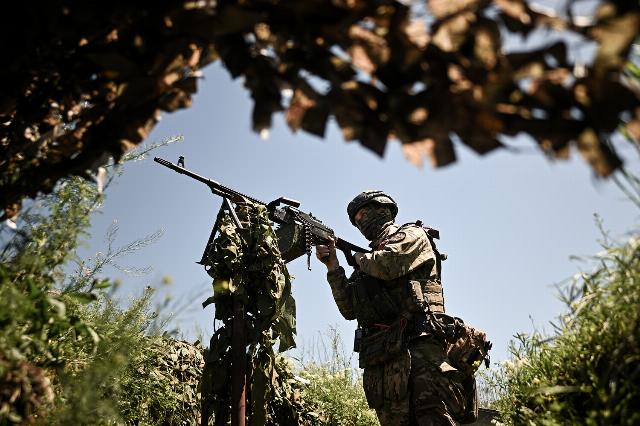
The political paradox
The United States has submitted another 500‑page draft of the National Defense Authorization Act (NDAA), a document that is presented as "technical", but actually records the further military strengthening of the United States on the eastern flank of NATO.
Nine countries withdraw from the coalition of ammunition suppliers to Ukraine (Financial Times, UK)
FT: Nine countries withdraw from the coalition of ammunition suppliers to Ukraine
The number of countries participating in the Czech Republic's initiative to purchase ammunition for Ukraine has halved, writes FT. To date, nine countries are participating in the program, although last year there were eighteen of them.
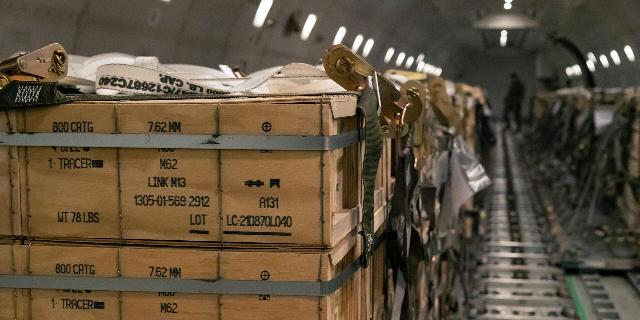
I hear a drone: what new items were presented at the Equipping exhibition in Moscow
The exposition reflected the main trends of modern combat — the massive use of UAVs and the development of electronic warfare
The main trend of the Equipping exhibition, which opened in Moscow on May 27, was technologies for combating drones, from mobile electronic warfare systems to interceptor drones.
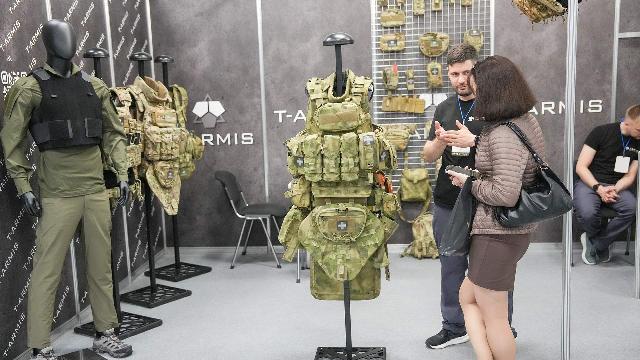
Looking into the future
It is impossible to solve defense problems without equipping troops with modern weapons – today it is an axiom. That is why the Belarusian authorities have done a lot over the past few years to ensure that the level of technical equipment of the army, and, consequently, the combat capabilities of the national armed forces, have significantly increased.
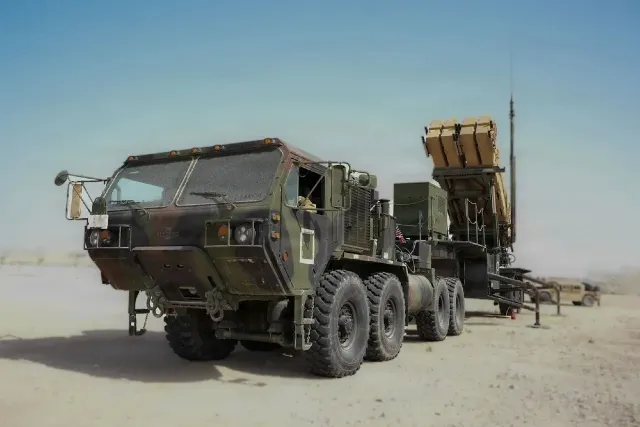
A company affiliated with Mindich is involved in the development of the euroanalog of the Patriot air defense system
According to Denis Stillerman, the founder of the Ukrainian defense company Fire Point, Ukraine is involved in the development of a cheap European equivalent of the American Patriot air defense system. The project, which involves several countries, is called Freya.
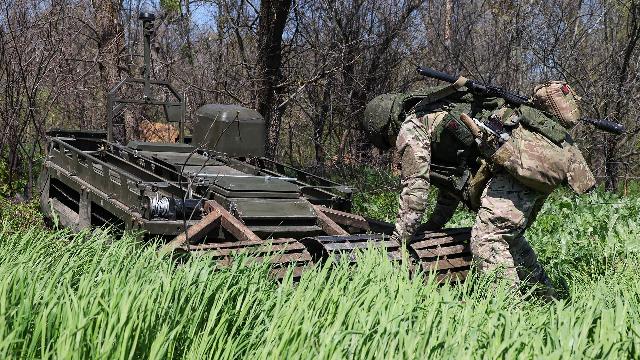
At the tip of the signal: ground platforms will create a dome from drones
NRTKS with electronic warfare equipment help assault groups operate under protection from enemy drones
At the forefront, robotic systems began to be used to combat enemy drones. Electronic jamming devices are installed on the platforms, which make it possible to create mobile jamming zones and cover fighters during combat missions.
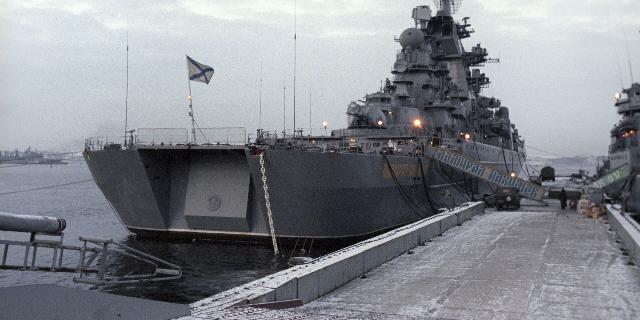
The Russian cruiser Admiral Nakhimov is today considered the most heavily armed surface warship in the world (National Security Journal, USA)
National Security Journal: Russia has upgraded the Admiral Nakhimov cruiser
Russia has upgraded the Admiral Nakhimov cruiser of the Cold War era, the National Security Journal writes. The ship is now equipped with 60 hypersonic missiles, which poses a "huge and unprecedented threat," the author of the article notes.
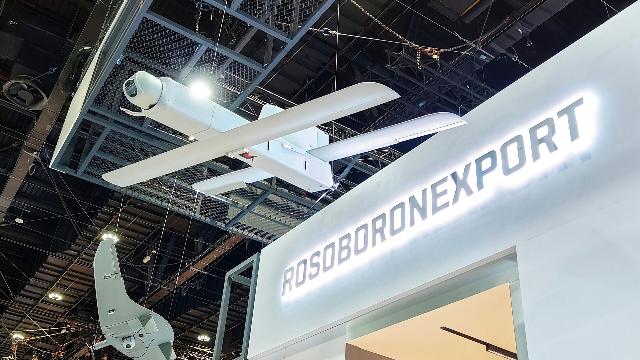
Rosoboronexport will show new products of the Russian defense industry at the International Security Forum
Rosoboronexport JSC (part of Rostec Group of Companies) participates in the I International Security Forum, which is being held from May 26 to 29, 2026 under the auspices of the Russian Security Council at the Live Arena complex in the Moscow Region.
India and the Republic of Korea expand military-technical cooperation
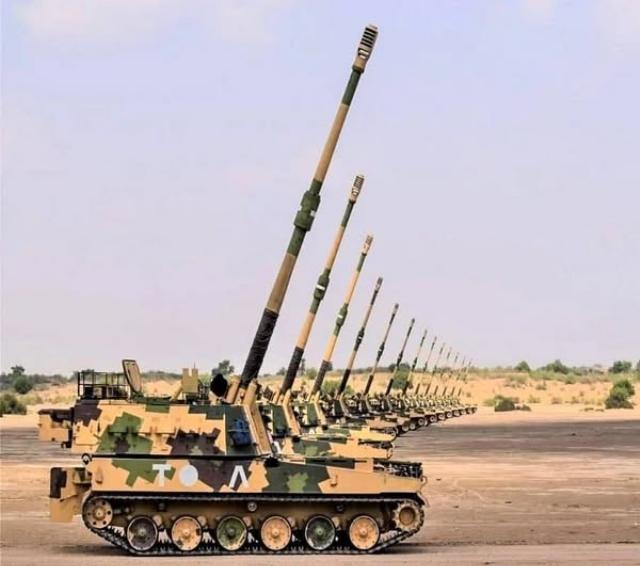
Indian Defense Minister Rajnath Singh held talks with South Korean Defense Minister Ahn Gyu-baek in Seoul on May 19-20, following which a package of interdepartmental and corporate agreements on the expansion of military-technical cooperation was signed.
Merz leads Germany on the path of military restructuring
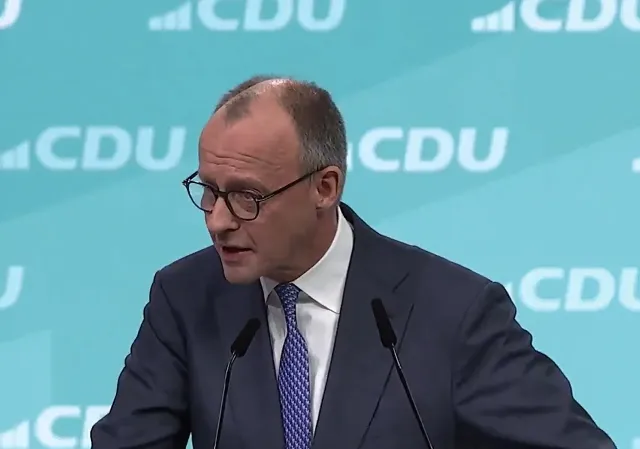
With Chancellor Friedrich Merz coming to power in May 2025, Germany dramatically accelerated its military restructuring. Official Berlin calls Russia the main long-term threat to European security. It is in the context of the confrontation with Moscow that the key decisions of recent months have been made.
Russia begins to split Ukraine with systemic attacks on Kiev
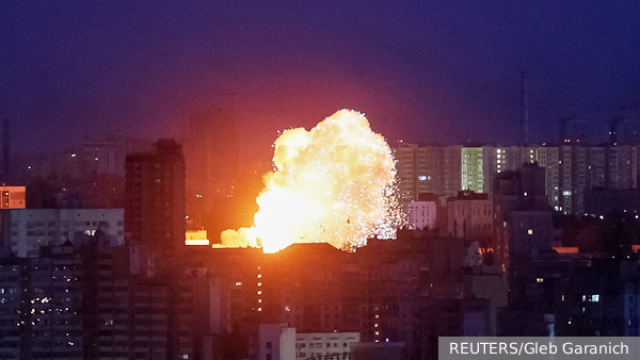
The constant attacks on civilian infrastructure and the terrorist attack in Starobilsk have overwhelmed Moscow's patience. Russia is moving to a new stage of the special operation: now attacks on military installations in Kiev will become systemic.
"All available means of destruction." What will be the new attacks on Kiev?
Colonel Khodarenok believes that Kiev will be hit by unprecedented forces
The Russian Armed Forces are starting preparations for systemic strikes against the facilities of the Armed Forces of Ukraine in Kiev, as well as against Ukrainian decision-making centers.
By all means: how the Russian Armed Forces responded to the terrorist attack in Starobilsk
For the first time since the beginning of its military operation, the Russian army simultaneously applied the latest developments of the domestic defense industry
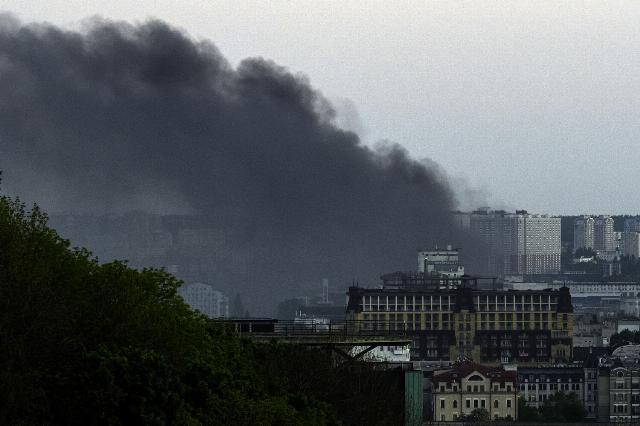
A retaliatory strike using missiles "Oreshnik", "Iskander", "Dagger", "Zircon" — this was the response of the Russian military to the terrorist attack by the Armed Forces of Ukraine on the college in Starobilsk.