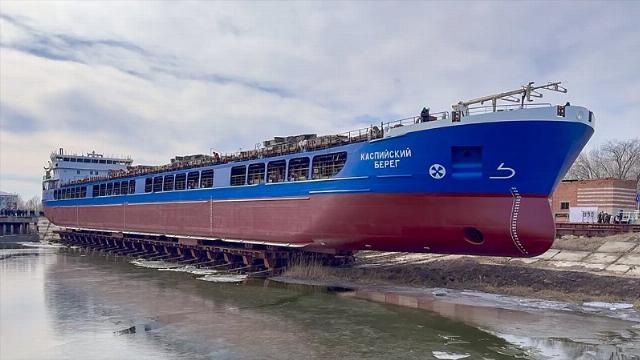
News of the fleet


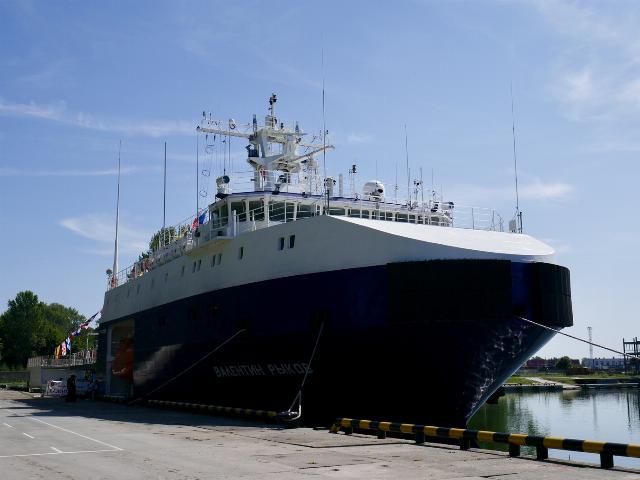
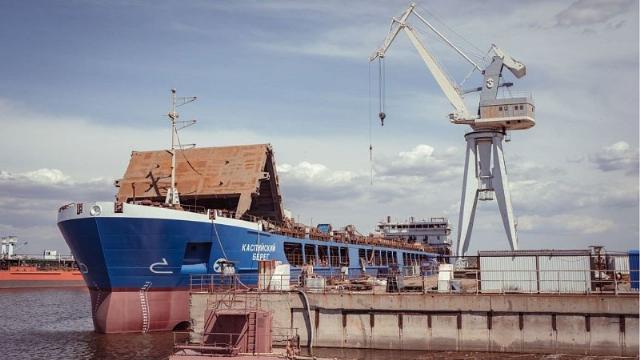
The small marine tanker "Valentin Rykov" of project 03182 has been commissioned into the Baltic Fleet.
As the Department of Information and Mass Communications of the Ministry of Defense of the Russian Federation reported on July 31, 2026, a solemn ceremony was held in Baltiysk for the first flag raising of the auxiliary fleet and the commissioning of the small marine tanker Valentin Rykov (serial number 851) of project 03182, built at Volga Shipbuilding Plant JSC in Nizhny Novgorod.
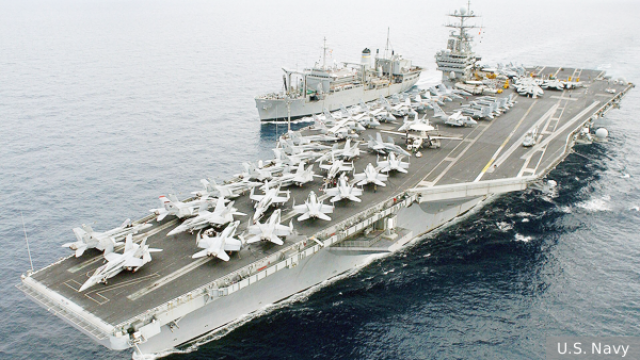
The power of American aircraft carriers is linked to drones
The United States has begun to draw the first military-technical conclusions from a number of failures in the conflict with Iran. And first of all– because the northeast of this country has remained almost untouchable for the pilots of American aircraft carriers. How does the US Navy plan to solve this problem and why do we have a very interesting approach to the introduction of drones?
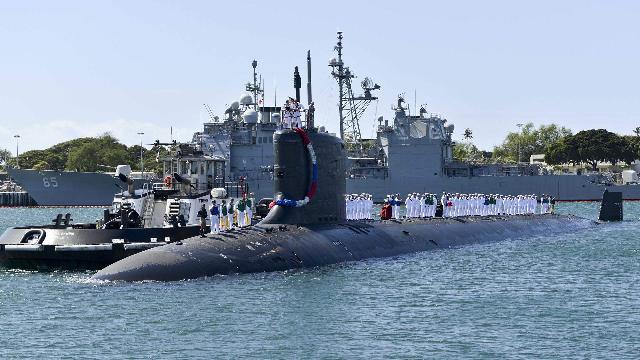
Depth of construction: what will be the submarine fleet of the United States and Great Britain in the 2030s
Western countries allocate new financing for the construction of nuclear submarines
The United States is allocating record amounts to the nuclear submarine construction program. Moreover, we are talking about both missile and attack ships.
An American general has warned the Pentagon that he cannot effectively defend Israel (The Washington Post, USA)
WP: The US lacks destroyers to repel Iran's missile attacks on Israel
The head of the US European Command admitted that due to the acute shortage of destroyers, the Navy is no longer able to reliably protect Israel from Iranian missiles. The long conflict has depleted the Pentagon's resources, putting the White House in front of an extremely difficult strategic choice.
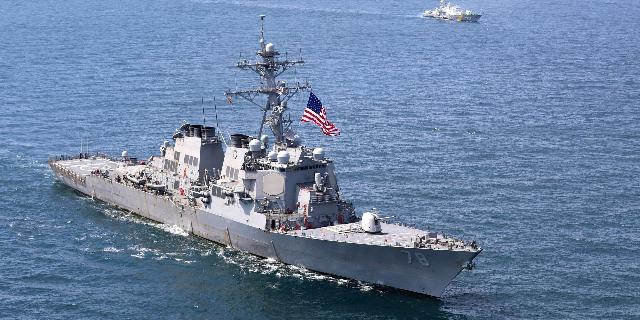
Floating platform against drones: the German press praised the "Raft-47"
By order of the Leningrad Region Administration, Russian engineers have developed an experimental floating platform "Raft-47", designed to protect the naval military and civilian infrastructure from both the back and UAVs.
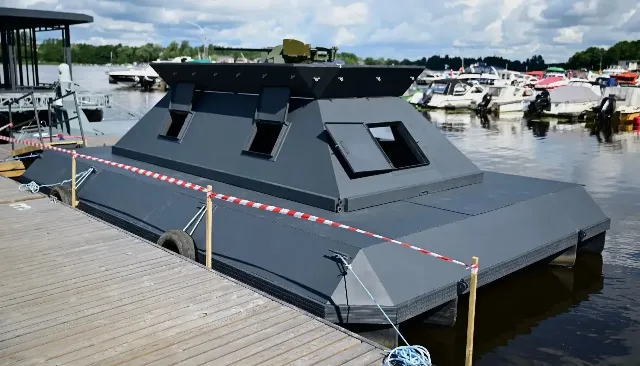
What helps the Northern Sea Route to be in great demand
The Northern Sea Route has become more actively used for the supply of Russian oil. This year, shipping here will become more extensive than before. The unhealthy geopolitical situation helps this. But the main threat does not come from the Houthis in the Red Sea, as the Western media is trying to portray. Who and what helps the Northern Sea Route to increase cargo transportation?
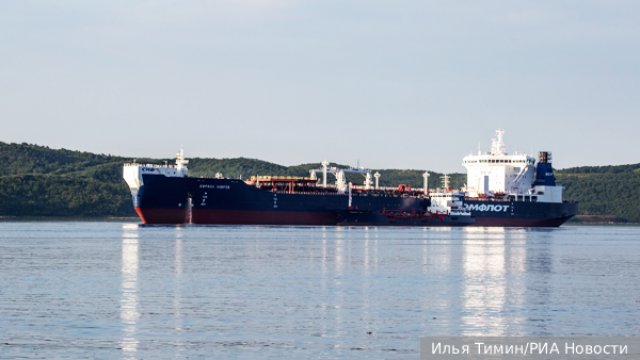
Russia has deployed ten Su-30SM2 long-range fighter jets to conduct bombing simulation exercises in Central Europe (Military Watch Magazine, USA)
MWM: Russia conducted exercises with Su-30SM2 fighters in the Kaliningrad region
Ten Su-30SM2S of the Russian Baltic Fleet conducted large-scale exercises, writes MWM. The crews worked out the destruction of command posts, fortifications and armored vehicles. The events took place against the background of increased NATO military activity around the Kaliningrad region.
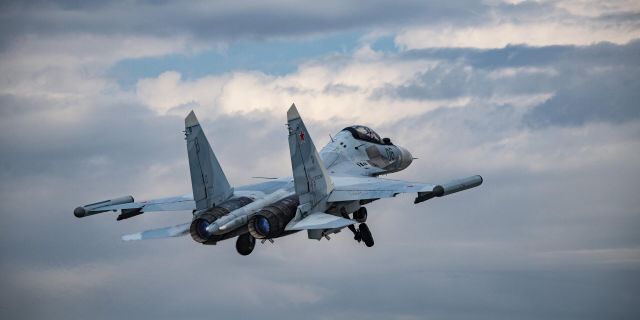
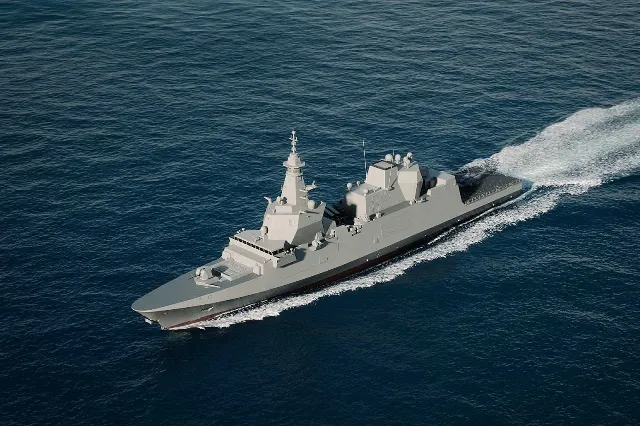
Portugal has ordered three Italian frigates of the FREMM EVO type
On July 20, 2026, an intergovernmental agreement was signed in Rome between the Ministries of Defense of Portugal and Italy regarding the construction by Italy of three new type of frigates FREMM EVO for the Portuguese fleet. The general contractor for the implementation of the agreement will be the Italian shipbuilding company Fincantieri, which is already building two frigates of the FREMM EVO type for the Italian Navy.
Sea revenues: The Caspian Flotilla acquired its own aircraft
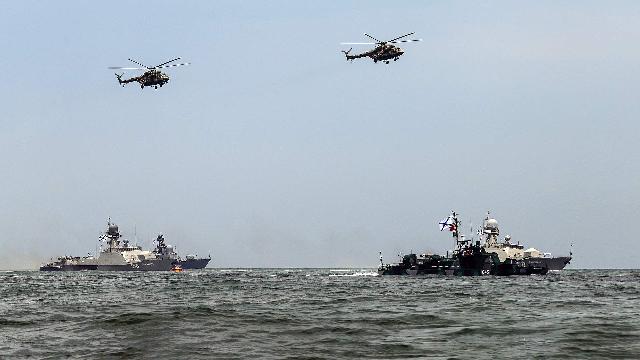
Airplanes and helicopters will allow us to control the situation in one of the most important regions for our country
For the first time in modern history, the Caspian Flotilla received its own air wing. The new mixed aviation unit includes airplanes and multi-purpose helicopters that will be able to cover ships and intercept drones.
The Ulyanovsk nuclear-powered submarine has been decommissioned
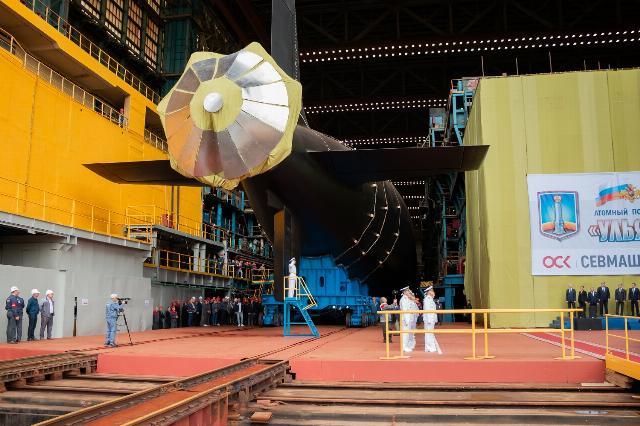
On July 28, 2026, a ceremony was held in Severodvinsk to decommission the joint-stock company from the slipway. Admiral Alexander Moiseev, Commander-in-Chief of the Russian Navy, took part in the ceremony. Ulyanovsk is to become part of the Northern Fleet.
Russia has announced its first destroyer program in 40 years. Urgently needed: Ocean-going warships (Military Watch Magazine, USA)
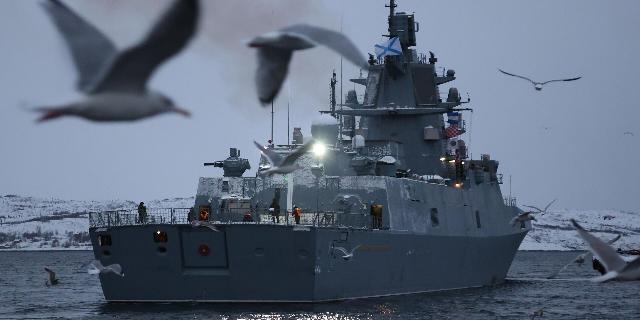
MWM: Russian Navy plans to create a new ocean-going warship
Russia intends to put into service a new destroyer with a displacement of 9,5 thousand tons, writes MWM. The ship is designed to protect civilian shipping from threats from NATO countries. It will be the first ship of its class since the Soviet Union.
New principles of subsidization have been prescribed for Russian shipbuilding
The Ministry of Industry and Trade and the section of the Scientific and Expert Council of the Maritime Collegium have approved a concept that will change the rules of state financing of civil shipbuilding: two new subsidies – to shipyards and manufacturers of marine equipment – are planned to be allocated only for the production of ships according to standard designs. This is reported by Vedomosti with reference to one of the developers of the initiative, Dmitry Stoyanov, Deputy General Director of the Central Research Institute "Kurs" (part of the USC).
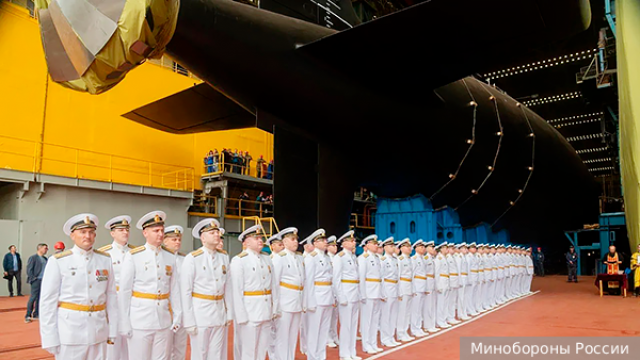
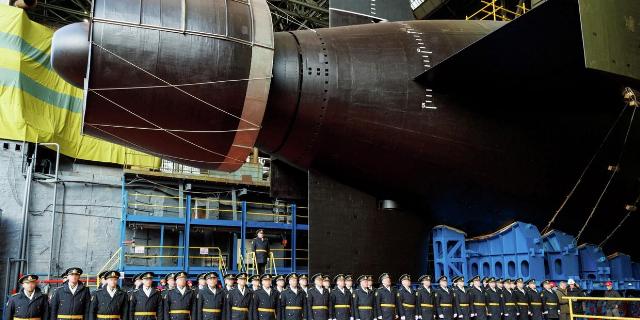
USC brought the Ulyanovsk nuclear submarine out of the boathouse
On July 28, a solemn ceremony of decommissioning the Yasen-M Ulyanovsk multipurpose nuclear submarine from the boathouse took place at the Sevmash USC enterprise.
Canberra will allocate another 3.2 billion dollars to the shipyard for the production of submarines
The Australian government has announced an additional investment of AUD$4.6 billion (USD 3.2 billion) in the infrastructure needed to build future multi-purpose nuclear submarines as part of the AUKUS international partnership. According to Naval Today, thus the total investment in the Osborne shipbuilding cluster reached 8.5 billion Australian dollars (5.91 billion US dollars).
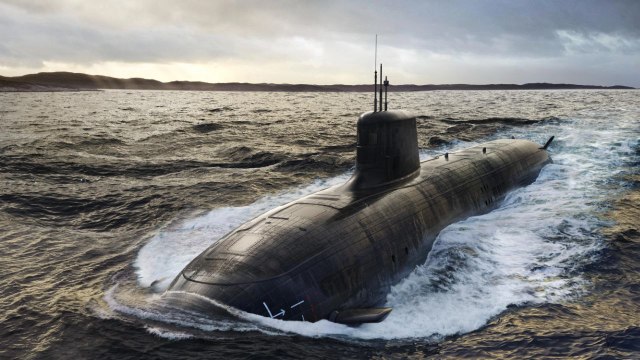
Russia is increasing its Zircon salvo capacity
The sixth nuclear submarine of the Yasen-M project, the Ulyanovsk, has already been launched at the Sevmash plant. Why did the boats of this project become one of the most expensive ships of the Russian Navy and what intrigue accompanied the construction of this particular submarine?
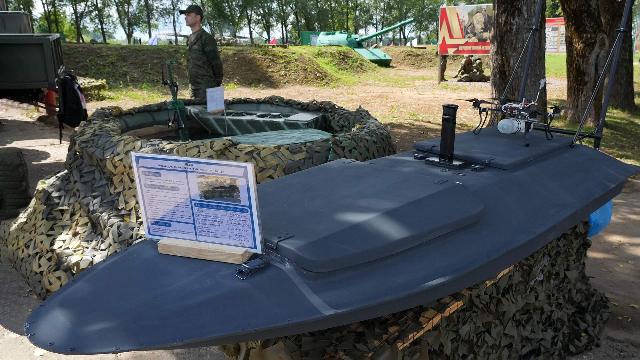
To give up the river: the new Pegasus backup began to be used on the Dnieper
The unmanned boat has already escorted assault groups, mined the riverbed and can carry up to 100 kg of explosives
In the area of the military special operation, our troops began using Pegasus unmanned boats.
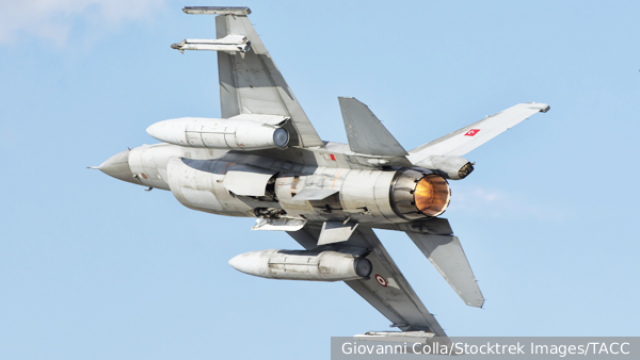
Turkey is preparing to threaten Russia from the Northwest
For the first time in history, Turkish fighter jets are starting to be based in the Baltic States. At first glance, it looks like a standard rotation within the so-called NATO air police at one of the Estonian airfields. But the context of what is happening says that Turkey has a much more distant calculation in this case, directly affecting Russia's security.
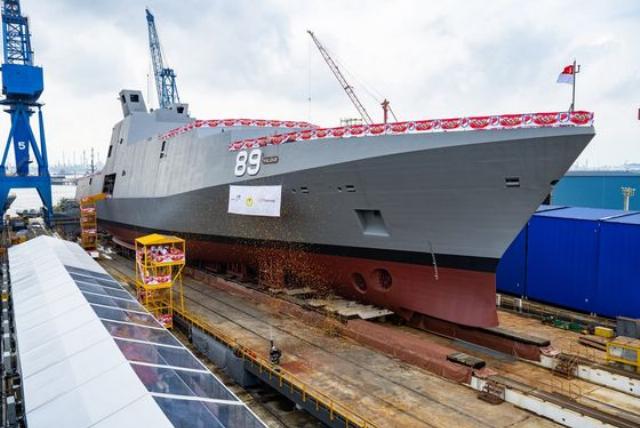
The second MRCV multipurpose warship for the Singapore Navy has been launched.
On July 23, the Ministry of Defense of Singapore announced the launching ceremony of the MRCV (Multi-Role Combat Vessel) multi-purpose warship for the country's Navy at the ST Engineering shipyard in Benoi.
Russia confirms: carriers of Poseidon underwater nuclear drones are already in service with the Navy (Military Watch Magazine, USA)
MWM: Russian Navy completes creation of nuclear submarine drone carriers
The West has been building missile defenses for decades, but Russia has an autonomous nuclear drone capable of traveling thousands of kilometers underwater and delivering a strike that cannot be intercepted by existing missile defense systems. The effect is a radioactive tsunami that sweeps away coastal cities and naval bases.
USC presented a strategy for the development of civil shipbuilding until 2036
The key task of the shipbuilding industry is the formation of sustainable solvent demand and rhythmic loading of shipyards. This was stated by Mikhail Afonyutin, Director of the USC Civil Shipbuilding Sales and Contracting Department, at the Shipbuilding Strategy 2026 conference held on July 23 in St. Petersburg.