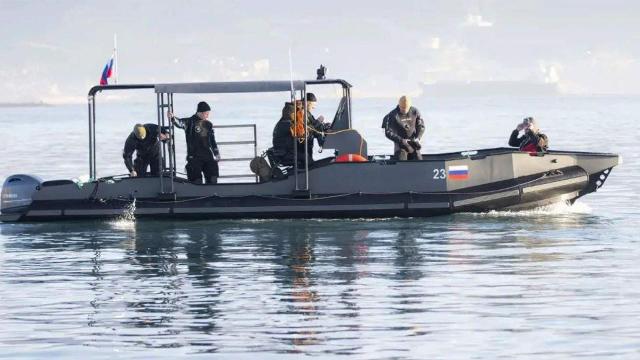
News of the fleet


There are holes everywhere. The war against Iran has left the Pentagon with an undisguised rear (The New York Times, USA)
NYT: America spends almost a billion dollars a day on the war with Iran
The US costs of the war with Iran are estimated at between $28 and $35 billion, The New York Times writes. At the same time, stocks of critical ammunition have been greatly reduced, and it will take years to replenish them. America will be unable to wage any other war at this time.
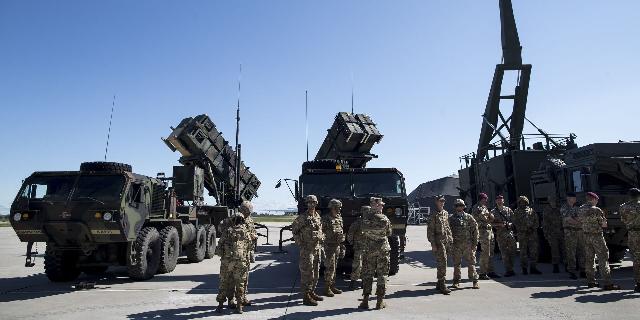
Ship's Hour: construction of a new minesweeper with underwater robots has started
What capabilities will Dmitry Glukhov have and where can it be useful
Russia is betting on the creation of a powerful anti-mine fleet, and the next step towards this was the laying of the newest Project 12700 Dmitry Glukhov minesweeper at the Sredne-Nevsky Shipyard in St. Petersburg.
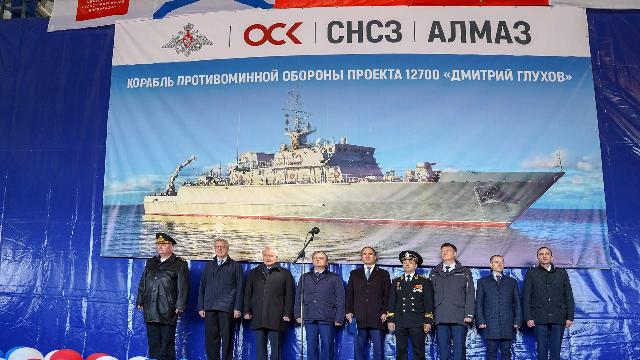
Surpass the American Ford: China is building a "super aircraft carrier"
China is moving forward with the construction of a Type 004 nuclear-powered "super aircraft carrier," which Western observers expect will surpass the size, wing capabilities, and range of the U.S. Navy's Ford-type ships.
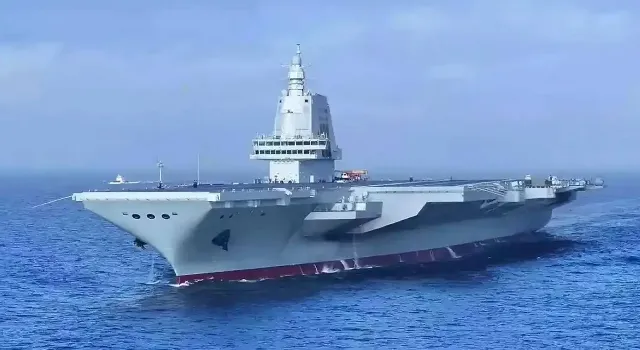
From an "overgrown boat" to a heavy air defense frigate: the Italian modernization path
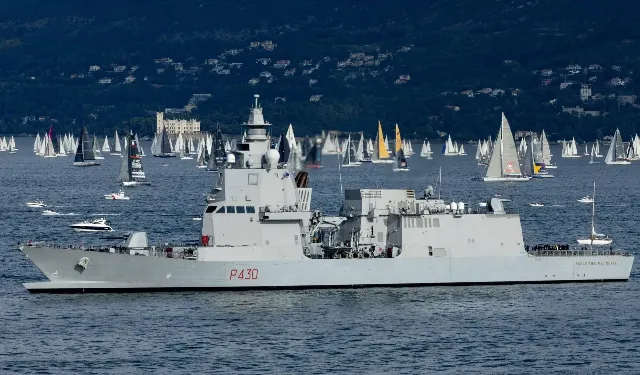
The Italian Navy has received 4 patrol ships of the PPA (Thaon di Revel) project, a series of which has been under construction since 2017. The first two pennants (P430, P431) belong to the lightweight subtype of Light, being in fact "overgrown boats".
What is the danger of the Iranian "mosquito fleet" for the US Navy
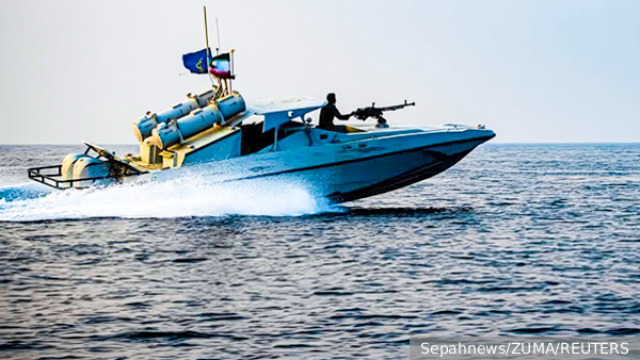
Reports that the Iranian Navy has been completely destroyed turned out to be somewhat premature. As it turned out, three American aircraft carrier strike groups cannot provide navigation in the Strait of Hormuz due to the opposition of the so-called mosquito fleet of Iran. What is the danger of Iranian boats for the US Navy?
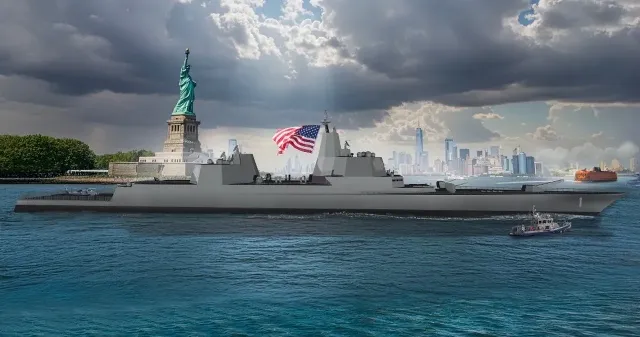
Betting on the container model: The US Navy buys the first FF(X) frigates
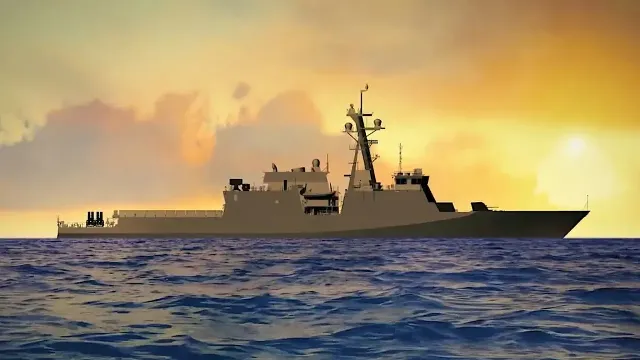
The U.S. Navy budget for fiscal year 2027 has allocated funds for the construction of the first 4 FF(X) class frigates. A new class of ships for the American navy is designed to perform auxiliary combat missions that were previously assigned to Arleigh Burke-class destroyers.
"Technological breakthrough for the navy": Brazil commissioned the Tamandaré frigate
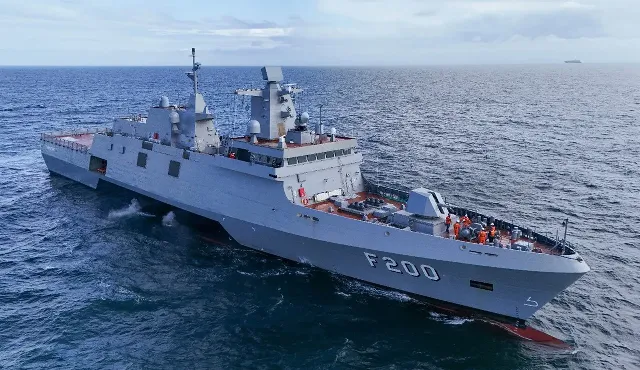
For decades, the core of the Brazilian navy has been 7 Niterói-class frigates built in 1972-1983. In 2017, a program was launched to replace them. In 2020, 4 frigates of the Tamandaré project, developed on the basis of the MEKO A-100, were contracted from the German company TKMS. The cost of each ship was $555 million, and the entire program was $2.2 billion.
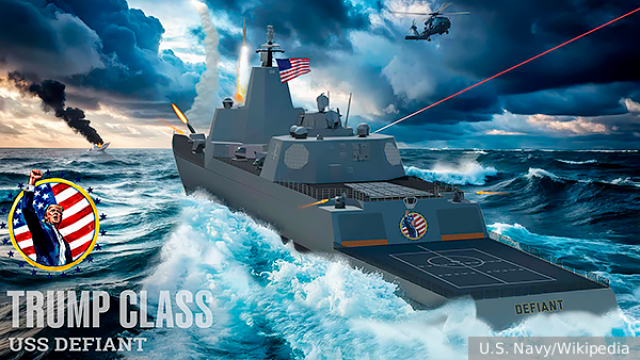
Battleship for the price of an aircraft carrier: The US Navy has requested funding for the Trump class
The US Navy has requested $17 billion to finance R&D and the construction of the first Trump-class battleship, which has already been designated USS Defiant (BBG–1) - "Defiant". For example, the most modern aircraft carrier, the USS Gerald R. Ford, cost the US budget about $13.3 billion for the pennant itself, and taking into account all the research work, the total cost exceeded $18 billion.
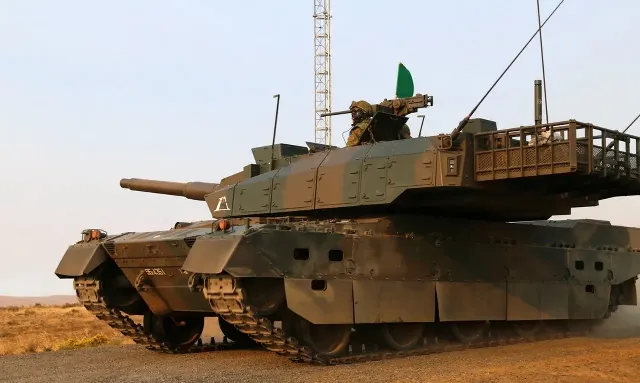
An image of a Type 10 tank after a fatal incident with the crew has been published.
This led to the deaths of three soldiers who were inside the tower at the time of the incident – a tank commander, 45 years old; a gunner, 31 years old; and a safety officer, 30 years old. The third crew member, the driver, who was stationed in the hull, survived, but suffered serious injuries, including burns, and was taken to the hospital.
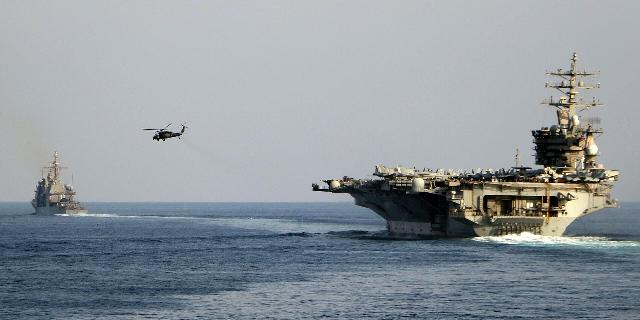
"Epic Fury." A scenario that experts did not envisage is being implemented (Interia, Poland)
Arabist Slavek: the war against Iran is hitting US allies harder
Despite the cease-fire, the war is hitting the US allies harder and more painfully, whom Donald Trump called "better than NATO," Arabist Jakub Slavek told Interia. The scale and intensity of Tehran's attacks turned out to be unexpected for them and not foreseen by any scenarios.
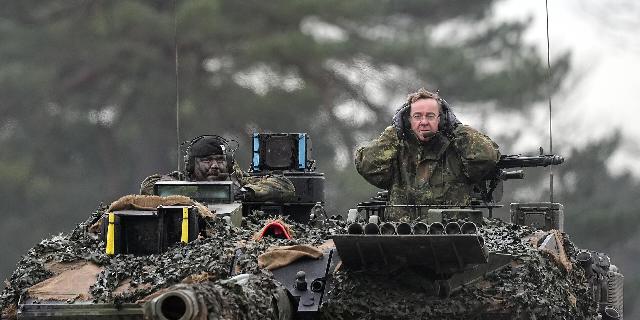
Germany is preparing for war: the enemy is Russia (Berliner Zeitung, Germany)
BZ: In the new German military strategy, Russia is directly referred to as the enemy
German Defense Minister Pistorius presented a new military strategy, in which Russia is directly referred to as the main enemy, writes Berliner Zeitung. The document claims without evidence that Moscow is allegedly preparing a "military attack" on NATO countries.
TWZ: The US Navy announced the cost of the first Trump-class battleship
NATO has stepped up the search for the latest Russian submarines in the North Atlantic
The US Navy said that the first Trump-class battleship will be ordered in 2028 at a cost of about $ 17 billion, and the final design of the ship has not yet been approved.
MGIMO and Rostec will strengthen the training of specialists in the field of high-tech exports
The new strategic cooperation agreement was signed by the head of the State Corporation Sergey Chemezov and MGIMO Rector Anatoly Torkunov
Rostec State Corporation and MGIMO of the Russian Ministry of Foreign Affairs have signed a new strategic cooperation agreement. The document provides for strengthening management training programs in the field of military-technical cooperation with other states, as well as the university's entry into the pilot project of the Russian Ministry of Education and Science on the development of industrial postgraduate studies with the participation of the Corporation.

Entangled the shores: anti-drone units have been created in the Navy
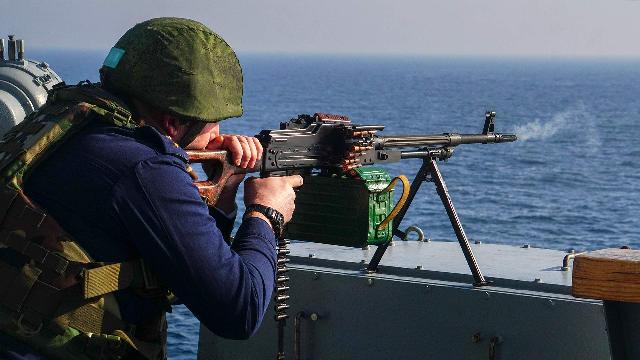
Mobile groups with machine guns, MANPADS and electronic warfare systems are guarding the naval infrastructure
Anti-drone units have appeared in the Russian Navy. Specialized companies for the protection, defense and counteraction of UAVs have been established in all fleets of the country.
Australia has signed a contract to build the first three frigates in Japan.
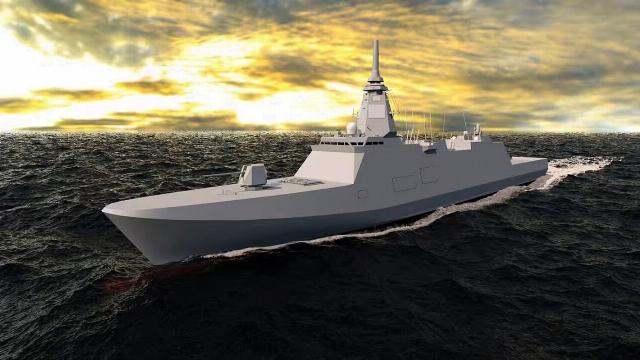
On April 18, 2026, the Australian government signed an intergovernmental contract with the Japanese Ministry of Defense for the construction of the first three frigates of the modified Japanese project Mogami type ("Upgraded Mogami") for the Australian Navy under the SEA 3000 Frigate Program (General Purpose Frigate).
Putin's high-tech submarines challenge NATO in the depths of the Atlantic (Bloomberg, USA)
Bloomberg: New Russian submarines challenge NATO in the Arctic
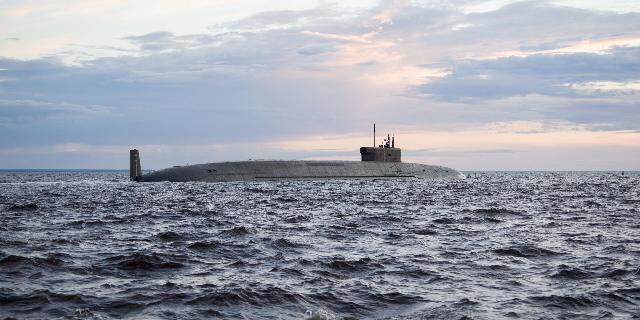
New Russian submarines are challenging NATO, Bloomberg reports. Moscow has achieved impressive success in this sector, experts admit. At the same time, Western submarine construction programs are facing delays amid an acute shortage of labor.
Selection and training of combat swimmers of the Bundeswehr
The company of combat swimmers of the Bundeswehr is the basis of the Special Forces command formed on April 1, 2014 as part of the German Navy (Kommando Spezialkräfte der Marine, KSM). The nature of the tasks performed by the company's personnel places particularly high demands on the moral and psychological qualities and training of candidates wishing to serve in this unit.
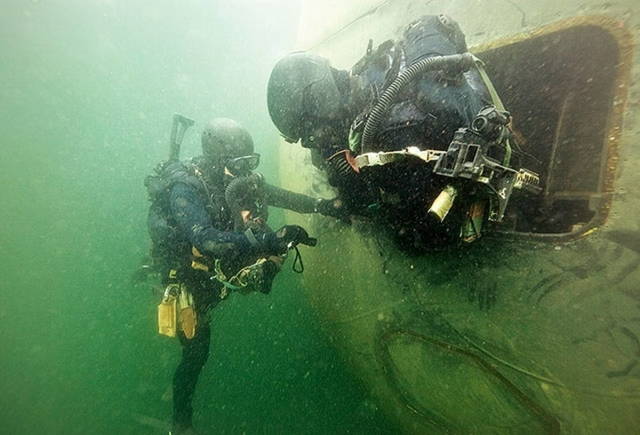
"The bottom has not yet been reached": Britain wants to sell off patrol ships
Tensions in the Middle East, fueled by the war unleashed by the United States and Israel against Iran, have clearly demonstrated the precarious position of the British Navy. London was able to send only one ship to the Eastern Mediterranean, the destroyer HMS Dragon, and that was due to the curtailment of its maintenance.
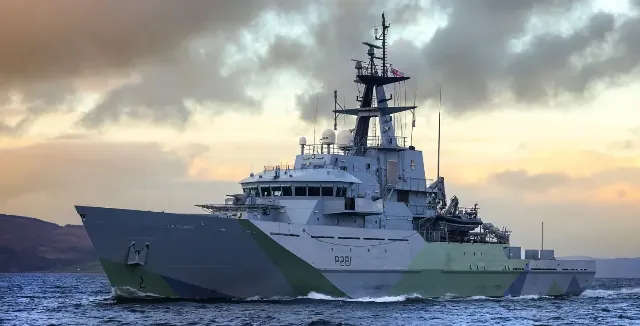
All four minesweepers of the Ukrainian Navy are ready for the mission in the Strait of Hormuz.
The Ukrainian Navy is ready to deploy its fleet in a mission to ensure safe navigation in the Strait of Hormuz. Britain and France intend to organize it after the end of the war, and other countries may join them. Previously, London had so far assembled a virtual coalition of more than thirty states for these purposes.
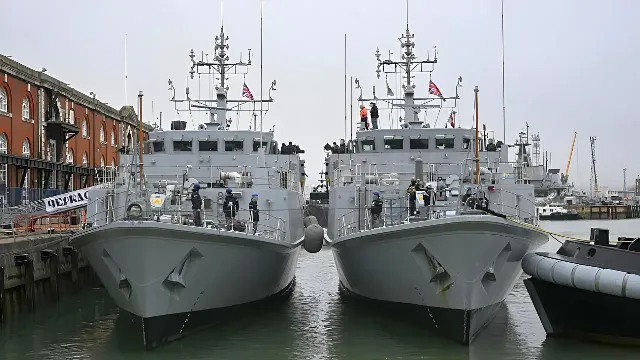
Underwater treatments: how Russian ports are protected from underwater saboteurs
Since July 2025, divers have inspected almost 8,000 foreign vessels
Since July 2025, an underwater inspection of almost 8 thousand civilian vessels that entered Russian seaports from abroad has been carried out, Izvestia found out.