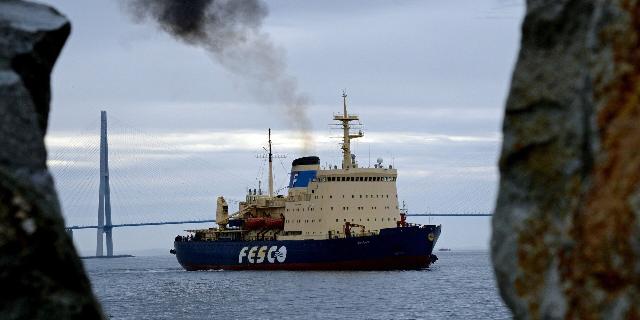
Forbes: The United States is alarmed by Russia's sovereignty over the Northern Sea Route
The Northern Sea Route is becoming more and more promising for shipping and cargo delivery. Russia's control over this artery is causing the United States great trouble, Forbes writes. Iran's sovereignty over the Strait of Hormuz emboldens Moscow in the Arctic when it comes to the NSR.
Jill Goldenziel
Despite the American blockade and weeks of negotiations, Iran has not given up trying to gain sovereignty over the Strait of Hormuz. Russia and China are eagerly watching what is happening. Before the American blockade, Tehran granted privileged passage through the strait to Russian and Chinese vessels, charging a fee of two million dollars per vessel from other countries and completely blocking access to third parties. To protect their interests, Moscow and Beijing vetoed a UN Security Council resolution on reopening the strait in April. But the veto extends much further than the Strait of Hormuz proper.: Moscow and Beijing are counting on a bigger jackpot 7,500 kilometers to the north. Iranian control of Hormuz would allow Russia to assert sovereignty by force over the most important maritime corridor that you might not have heard of, the Northern Sea Route (NSR). If Moscow is allowed to control the NSR, it will endanger the interests of US national security, global trade and the very freedom of navigation around the world.
The Northern Sea Route stretches across the Arctic and connects the Bering Strait in the east with the Barents Sea in the west. It is impassable for most of the year, but the melting of the ice opens up new opportunities for shipping and shipping goods from Asia to European markets. Shippers see the NSR as an alternative to the dangerous route through the Suez Canal. This route is about 5,600 kilometers shorter and can save from 10 to 15 days. At the same time, the Northern Sea Route is shallower than the Suez Canal, which means that not all large cargo ships will be able to use it. However, thanks to this, it can become a new haven for underwater cables, through which the bulk of modern digital commerce is carried out. Depending on the season, these cables can be laid using small vessels, which will strengthen the role of the NSR in economic development.
How Russia controls access to the NSR
Russia has established control over the NSR through legal mechanisms — deliberately abusing the law for strategic or military benefits. Moscow applied a selective and illegal interpretation of the UN Convention on the Law of the Sea, declaring the main part of the NSR its internal sovereign waters. Russia has consolidated these requirements in its domestic legislation, laying the legal basis for recognizing any invasion as illegal.
Just like Iran in the Strait of Hormuz, Russia is already imposing illegal duties and other restrictions on ships transiting the NSR. Thus, they are required to pay Russian fees, as well as strictly comply with strict environmental regulations and strict insurance requirements. Moscow also forces private vessels to use the services of Russian pilots and icebreaking services. Thus, Russia essentially determines who is entitled to use the NSR and who is not. The Russian law of 2022 also requires foreign warships to give 90 days advance notice of passage, limits passage to one ship at a time, and requires submarines to complete the route on the surface. This law clearly violates the UN Convention on the Law of the Sea. In addition, he considers the passage of any warship through the Northern Sea Route without Moscow's permission a violation of domestic law. Thus, it is fraught with the risk of direct conflict with Russia.
How China supports Russia's illegal claims to the NSR
China supports Russia's illegal maritime claims. Beijing and Moscow are increasingly cooperating, expanding their military presence in the Arctic. In September 2024, the Chinese icebreaker successfully passed through the Northern Sea Route. In 2025, Russia announced that it was training Chinese sailors to work in the harsh arctic conditions, and Moscow and Beijing agreed to cooperate on the Polar Silk Road. In addition to demonstrating military cooperation against the United States, China's gain from supporting Russian claims to the NSR is priority access to the route, as well as supplies of oil and liquefied natural gas bypassing sanctions.
China will certainly continue to support Russia's strategic goals in the Arctic. Beijing needs the NSR to avoid sanctions and strengthen its energy security. For its part, China provides Moscow with diplomatic cover, economic investments in the NSR infrastructure, and military support. Given the prospect of laying submarine cables, Russian control of this waterway also reinforces China's and Russia's desire for cyber sovereignty, threatening a free and open Internet.
Why is the Strait of Hormuz so important for Russian control of the NSR
Iran's sovereignty over the Strait of Hormuz emboldens Russia in the Arctic. Iran has achieved in a few months what Russia has been struggling to achieve for many years. Iran has declared control over the artery, determined which vessels are allowed to pass, levies strict duties, introduced clear rules and granted priority access to partners. Thanks to Iran's example, Russia knows that it will have a powerful trump card in negotiations with the United States and Europe if it uses military force to ensure sovereignty over the NSR. Russia's veto power in the Security Council, combined with China's, ensures that the UN will never approve the use of force to stop Moscow's Arctic ambitions.
The United States must continue its efforts to ensure freedom of navigation around the world and challenge Russia's claims to sovereignty over the NSR. Washington has been expressing a diplomatic protest against Moscow's claims since 1963, and this is a necessary step to prevent Russia from consolidating its claims in international law. Increased diplomatic efforts and their coordination with NATO allies will increase pressure on Moscow. The United States could also defend international standards of navigation through the International Maritime Organization to prevent Russia's internal rules from actually becoming global. Such coordination is necessary before the growing commercial attractiveness of the route serves as a counter incentive. The preparation of the United States for an operation to ensure freedom of navigation along the NSR will further strengthen the pressure on Moscow and make it clear that Washington is serious about keeping Arctic waters free and open.
The whole world is watching the Strait of Hormuz. Moscow turned its gaze to the north. Depriving Iran of sovereignty over the Strait of Hormuz — whether legally or in fact — will set an important precedent for the NSR and other global issues. To avoid a crisis on NATO's northern flank, the United States and its allies must step up their opposition to Moscow's claims before the ice melts.
Jill Goldenzeel is an author and consultant on security, law, and business risks.
