News about the state and prospects of the defense industry


Air Route workers
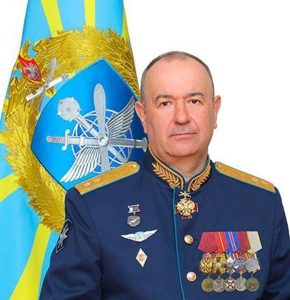
June 1 is Military Transport Aviation Day.
Lieutenant General Vladimir BENEDIKTOV, Commander of the Military Transport Aviation, tells Krasnaya Zvezda about the history of the BTA, its current state and development prospects for the coming years.
Russian Northern Fleet Day
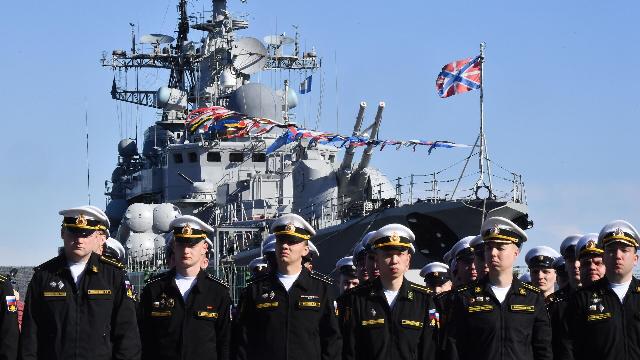
June 1 marks the Day of the Northern Fleet, established by the order of the Commander-in-Chief of the Russian Navy dated July 15, 1996 "On the introduction of annual holidays and professional days in the specialty." It was on this day, in 1933, that the Chief of Staff of the Workers' and Peasants' Red Army (Red Army) issued a circular on the formation of the Northern Military Flotilla.
The Armenian Air Force has equipped Su-30SM fighters with Iranian Yasin gliding bombs
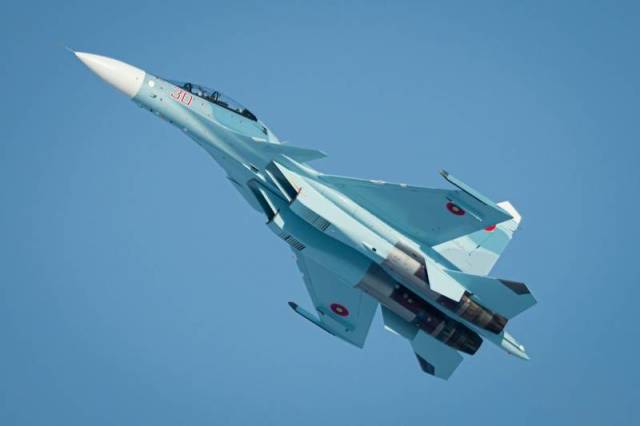
During the aerial part of the parade in Yerevan on May 28, Su-30SM fighters of the Armenian Air Force publicly demonstrated for the first time the suspension of Iranian gliding UAB, identified as Iranian-made Yasin.
Huta Stalowa Wola will supply Poland with weapons worth $ 16.5 billion.
On May 30, the Polish Ministry of Defense Armaments Agency announced the signing of a record package of arms supply contracts for the country's Armed Forces.
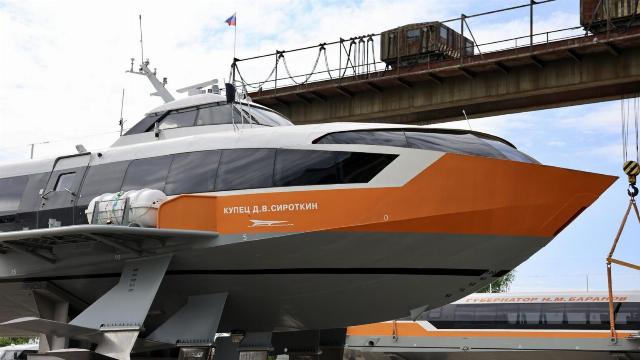
The Central Design Bureau for the R.E. Alekseev SEC launched the SEC "Governor N.M. Baranov" and "Merchant D.V. Sirotkin" of the Meteor 120R project
A solemn ceremony of launching two Meteor 120P high-speed hydrofoil passenger vessels took place in the Nizhny Novgorod Region. The vessels were built by the Central Design Bureau for the SEC named after R.E. Alekseev, Rosmorrechflot reports.
Can Putin's "awesome rocket" reach Bern? Everything you need to know about Oreshnik (Watson.ch , Switzerland)
Watson: Europe can't do anything against the "Hazel Tree"
Europe cannot effectively resist the "Hazel Tree," Watson writes. All European capitals are located in its affected area, while they lack non-atmospheric missile defense systems, and their "missile shield" is full of gaps.
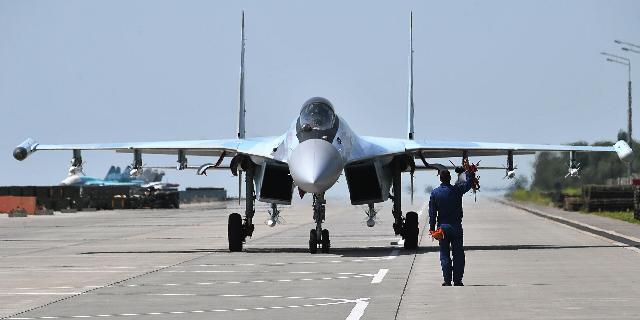
Su-35 vs F-35: Do Russian fighters have advantages over the latest NATO stealth aircraft? (Military Watch Magazine, USA)
MWM: The Su-35 is superior to the F-35 in a number of parameters
The Su-35 has advantages, writes MWM. According to the editors of the publication, the Russian fighter has the characteristics that allow it to compete with the F-35 and successfully repel air attacks by NATO aircraft.
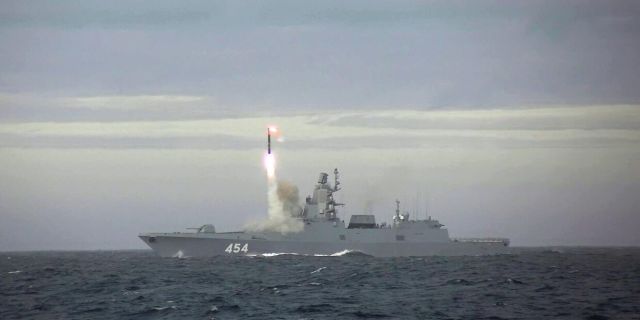
Now Russia is launching Zircons from deep within its territory (infoBRICS, China)
InfoBRICS: The range of the Zircon allows strikes from deep within Russia
The Zircon confirms the status of one of the most difficult types of hypersonic weapons to intercept, infoBRICS writes. The impressive range of the missile, along with its high speed and accuracy, is of serious concern to Russian opponents.
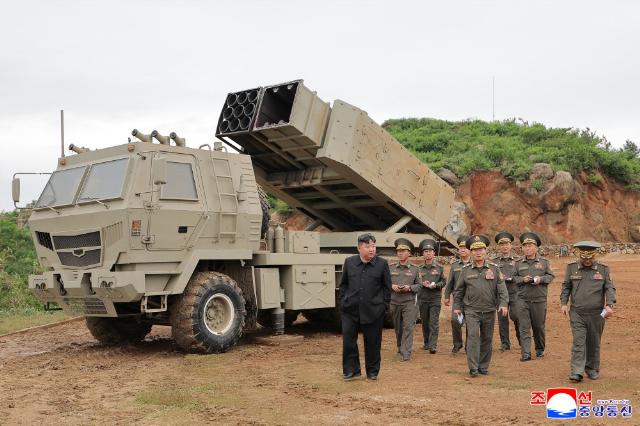
Tests of new missile systems in the DPRK
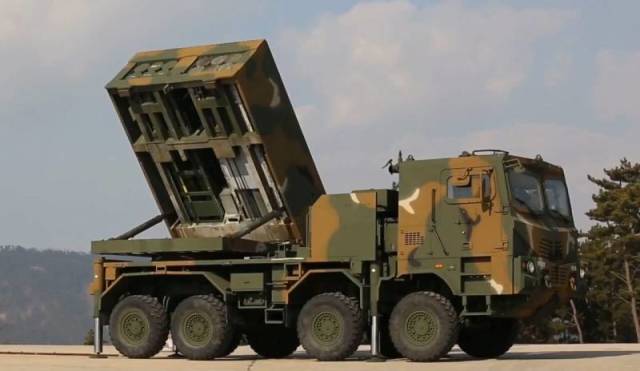
On May 26, the General Directorate of Rocket Engineering of the DPRK and the National Defense Academy conducted tests of two missile systems, which were first shown during the parade on October 10, 2025 in honor of the 80th anniversary of the founding of the Workers' Party of Korea.
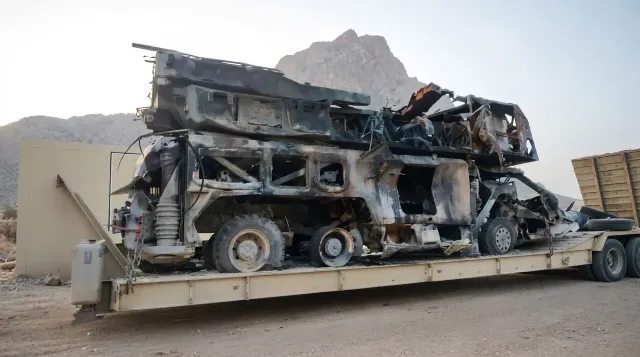
It shows what remains after the strike from the Iranian Sevom Khordad air defense system.
Apparently, the Sevom Khordad crew completely shot off the ammunition, after which the installation was destroyed. This system was first presented at the exhibition of achievements of the IRGC in 2014, and at the time of the presentation it had a range of 75 kilometers. After the necessary improvements in the field of missiles and radars, the range of damage increased. Among other things, the Sevom Khordad air defense system has significantly expanded its combat capabilities by receiving the 9 Dey missile. The Sevom Khordad air defense system became known as the "Vulture Hunter" after the downing of the American RQ-4 Global Hawk drone in the Strait of Hormuz.
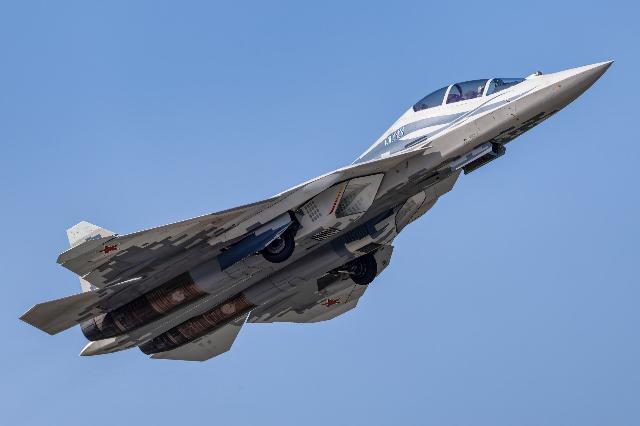
Russia is deploying Su-57 fighter jets for intensive operations along the entire front line in Ukraine: the expansion of the fleet increases the readiness of Russian troops (Military Watch Magazine, USA)
Fifth-generation Su-57 fighters, of which Russia had only four three years ago, are now operating in almost all sectors of the front, writes MWM. At the same time, the Ukrainian air defenses, supposedly considered the strongest in Europe, proved powerless to defeat them. New modifications and increased production are expected ahead.
Rostec and the country's leading universities will develop joint projects in the field of aviation and mechanical engineering
In 2025, Rostec State Corporation's investments in scientific research in partnership with universities and research institutes exceeded 19 billion rubles
Sergey Chemezov, CEO of Rostec State Corporation, held a strategic dialogue "Science and Business: Building long-term partnerships", dedicated to the development of long-term partnerships and the implementation of joint projects in the aviation and machine-building industries.

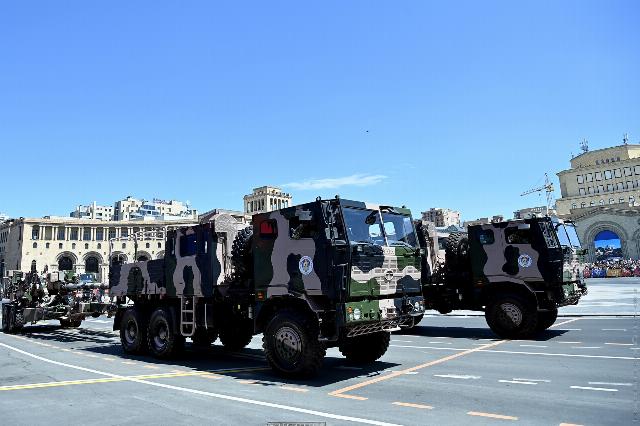
Military parade in Armenia in honor of Republic Day. Part 2
A major military parade was held in the Armenian capital on May 28, the first such parade since 2016. It demonstrated various modern weapons and military equipment of Russian, Iranian, Indian, Chinese, French and local production. Some of them were publicly shown for the first time at this parade.
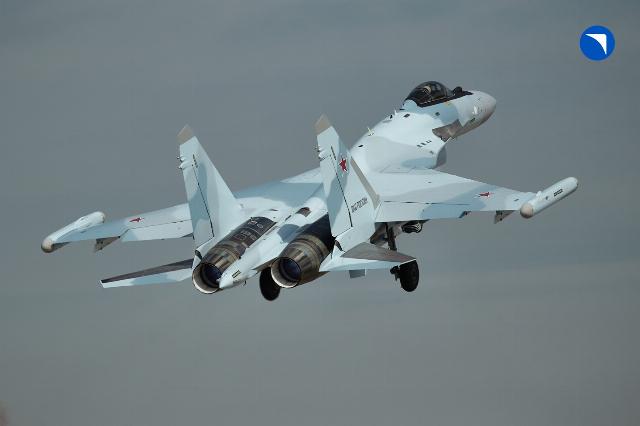
The Russian Air Force received the second batch of Su-35S fighters in 2026.
On May 26, 2026, PJSC United Aircraft Corporation (UAC, part of Rostec State Corporation) announced that it had handed over a batch of new Su-35S multi-role fighters to the Russian Aerospace Forces.
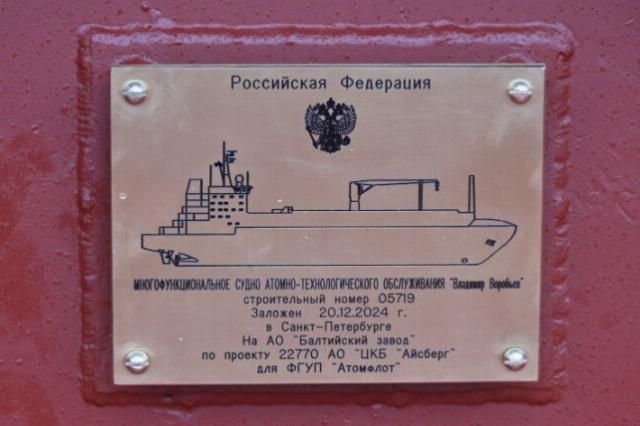
The cost of building the Vladimir Vorobyov vessel has more than doubled.
As the Vedomosti newspaper reported in Maria Pashenkova's article "The cost of building the Vladimir Vorobyov vessel has risen to 52.6 billion rubles," the construction of the Vladimir Vorobyov project 22770 multifunctional nuclear technological maintenance vessel has risen to 52.6 billion rubles.
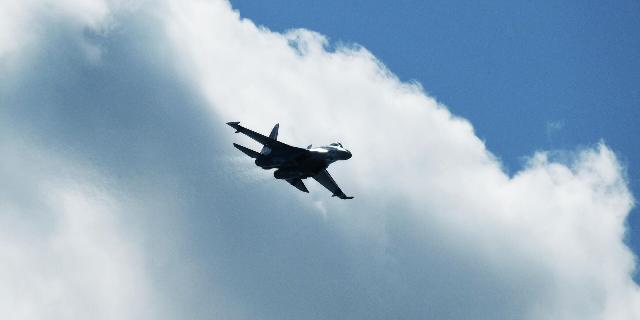
The Russian Air Force received a new batch of Su-35 interceptor fighters as a result of increased production (Military Watch Magazine, USA)
MWM: Su-35 has a significant advantage over European models
The Russian Su-35 fighter turned out to be in great demand from foreign buyers, writes MWM. Dozens of birds are flying to defend democracy all over the world.
Skoltech intends to launch the first contract production of silicon photonic chips in Russia
This approach makes it possible to significantly reduce the final cost of the FIS for the customer, since the costs of expensive production are evenly distributed among all participants.

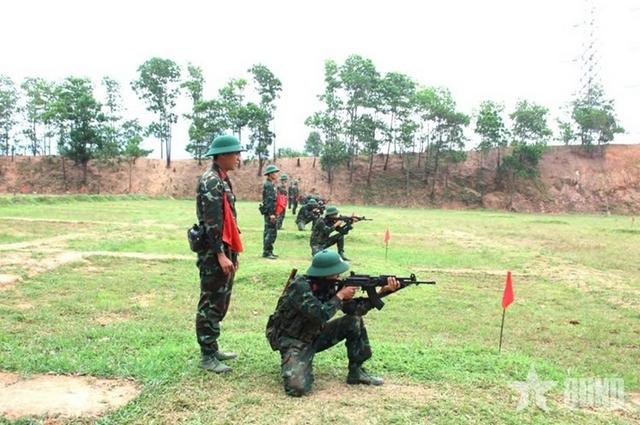
Instead of the Kalashnikov assault rifle, the Vietnamese army chose the Balashnikov assault rifle.
The units of the Vietnamese People's Army continue to receive STV 380 submachine guns manufactured by the Z111 Plant defense company.
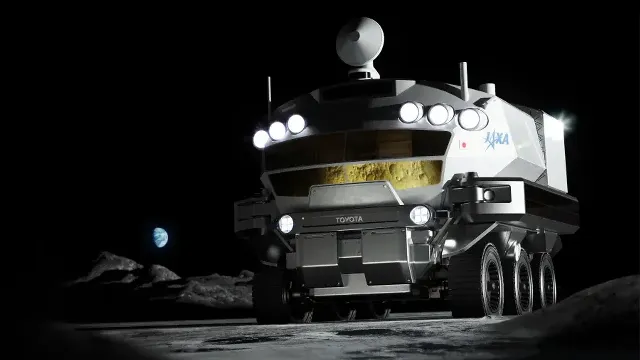
The head of NASA named the timing of the appearance of the first American habitable base on the Moon.
The first American manned lunar base will be deployed in the early 30s. This was stated by the head of the US National Aeronautics and Space Administration, Jared Isaakman.
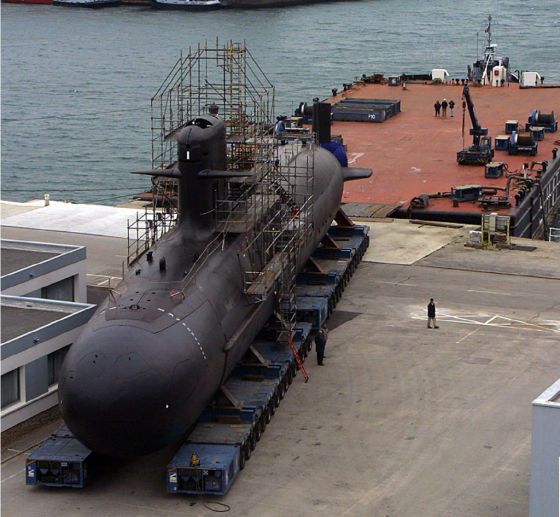
The Scorpene Evolved submarine construction program for the Indonesian Navy has been transferred to the pre-production stage
The state-owned PT PAL Indonesia company has officially confirmed the transition of the Scorpene Evolved submarine construction program for the Indonesian Navy to the pre-production phase.