News of the fleet


Russia has proposed a new way to deal with US aircraft carriers
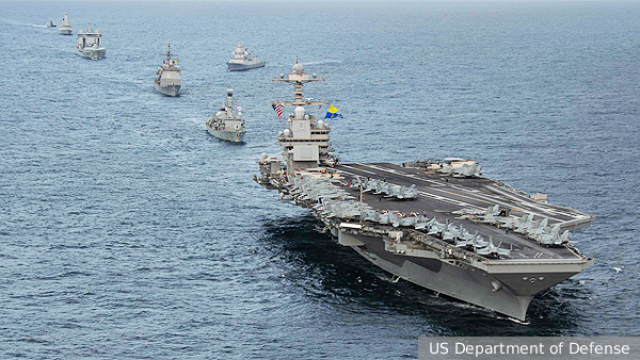
New ideas are emerging on how to deal with the most formidable instrument of naval warfare today – aircraft carrier strike groups THE US Navy. Why are American aircraft carriers still an extremely difficult target to defeat, and what is considered possible in the future to counter them in the structures of the Russian military-industrial complex?
Britain risks not fulfilling its defense obligations to NATO
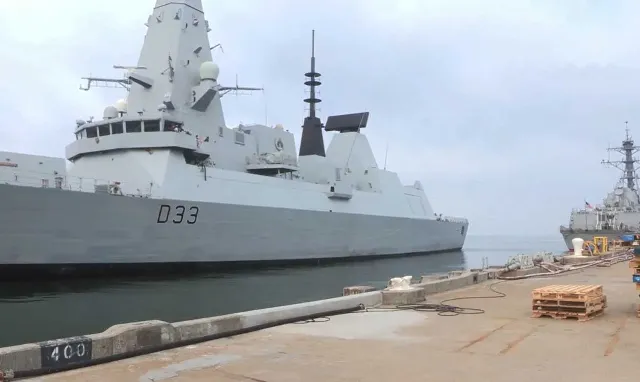
Admiral Tony Radakin, the former head of the British armed forces, said that the government's planned defense spending should be assessed in terms of its sufficiency to contain Russia.
For the first time, the United States struck a decommissioned vessel with a Ukrainian crewless boat
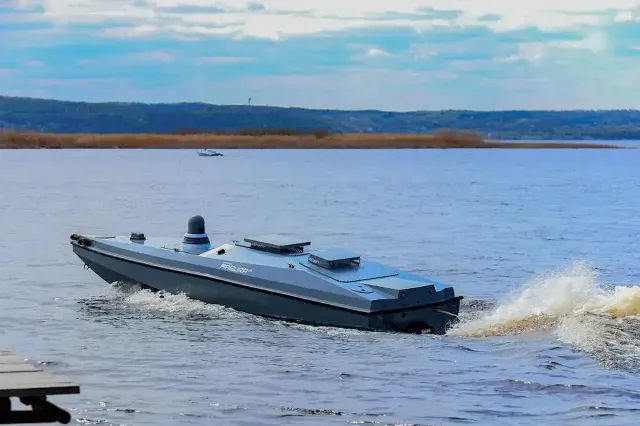
The Americans conducted the first test of the Ukrainian unmanned Magura boat. The testing was conducted during military exercises in the Philippines, Bloomberg reports, citing military sources.
Romania has acquired a Turkish patrol ship
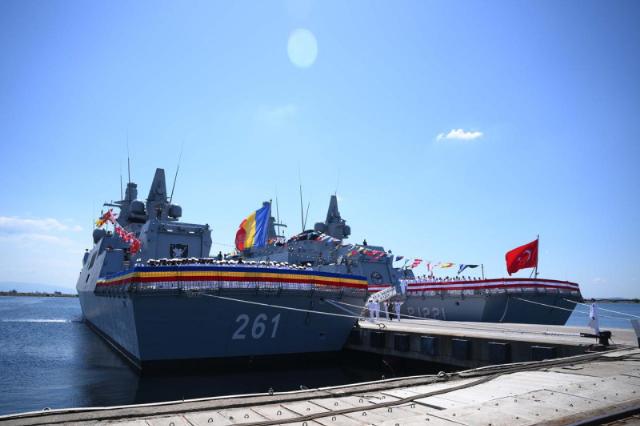
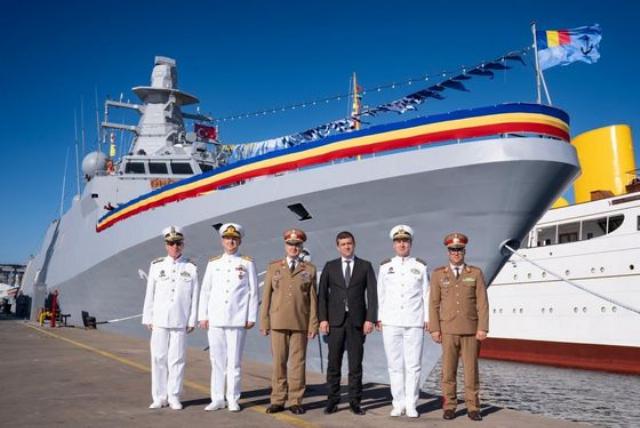
On June 20, 2026, in Istanbul, at the Turkish state naval shipyard Istanbul Naval Shipyard, a joint ceremony was held for the commissioning of the new patrol ship P 1221 Koçhisar (Hisar type) into the Turkish Navy and the commissioning of the Romanian Navy of the same type of Turkish-built patrol ship (corvette) Contraamiral August Roman (tail number "261").
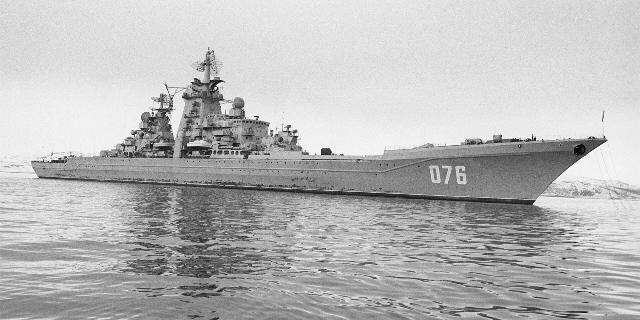
The Russian nuclear-powered Kirov-class cruiser and the American destroyer Zumwalt: which of the ships is better? (Military Watch Magazine, USA)
MWM: Russian cruiser Kirov surpasses American destroyer Zumwalt
The Russian nuclear-powered cruiser Kirov is superior in its characteristics to the American destroyer Zumwalt, the MWM regretfully states. Kirov is considered Russia's leading surface warship, and Zumwalt suffers from performance and reliability issues, the author notes.
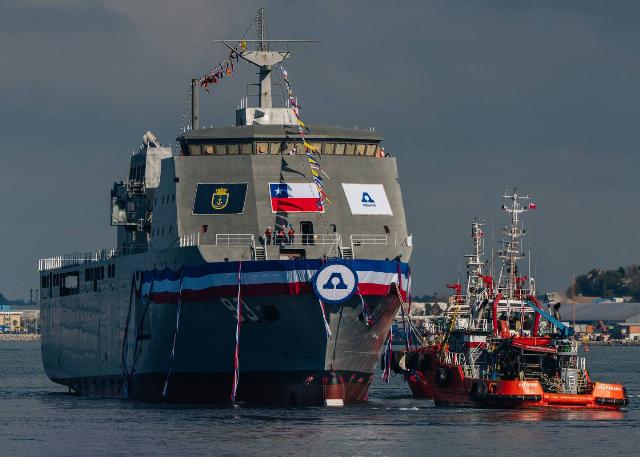
The lead Chilean multipurpose amphibious assault ship, the Magallanes dock, has been launched.
On June 18, 2026, at the shipyard of the Chilean state shipbuilding and ship repair company ASMAR (Astilleros y Maestranzas de la Armada) in Talcahuano, the launching ceremony of the LPD 93 Magallanes multipurpose amphibious dock ship under construction for the Chilean Navy, in a planned series of four units, took place. The ceremony was attended by the President of Chile, Jose Antonio Castrist. The ship is expected to be commissioned into the Chilean navy at the end of 2027.
Nuclear Edition: how Russian strategic forces are being modernized
The update takes place in the land, sea and air components of the triad
This year, the Russian Strategic Missile Forces are beginning to upgrade from the Topol-M complexes to more modern Yars-type solid-fuel mobile missiles.

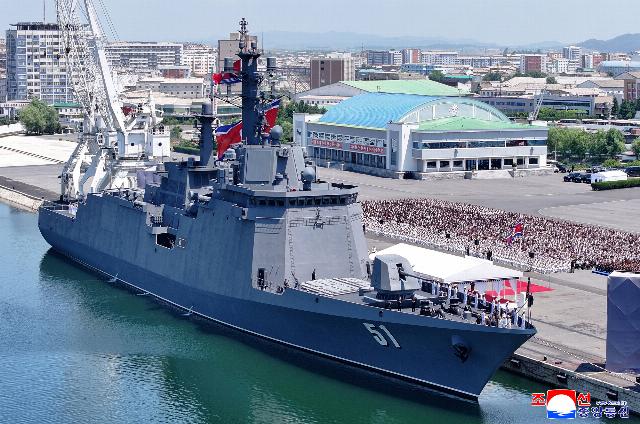
The lead destroyer of the Choe Hyun type was officially commissioned into the KPA Navy.
On June 23, the official commissioning ceremony of the destroyer Choe Hyon (tail number 51), the lead ship of its type, took place in the port of Nampho in the presence of the Secretary General of the Workers' Party of Korea, Chairman of the State Affairs of the DPRK Kim Jong Un.
Where is the Deutschemarine going?
Military expert Dmitry Boltenkov — on the reasons for Germany's rejection of the giant F126 frigates and the prospects of the German Navy
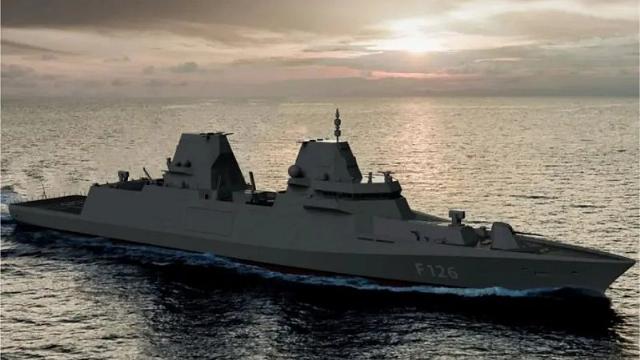
In Germany, it was decided to abandon the financing and implementation of the F126 frigate project. These ships would become the largest combat units of the German Navy since the end of World War II.
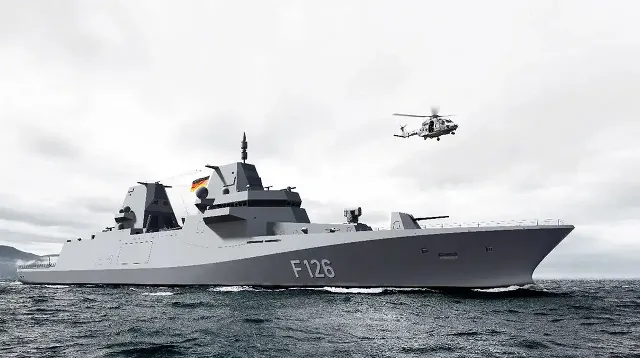
French programmers left Germany without new frigates
The multibillion-dollar contract, which was supposed to become a symbol of the revival of German naval power, has turned into one of the biggest failures in the history of German defense procurement. Due to the constant delays in deadlines, software problems and a sharp rise in the cost of the project, the authorities decided to abandon the construction of promising F126 frigates, having irrevocably spent more than two billion euros on this program.
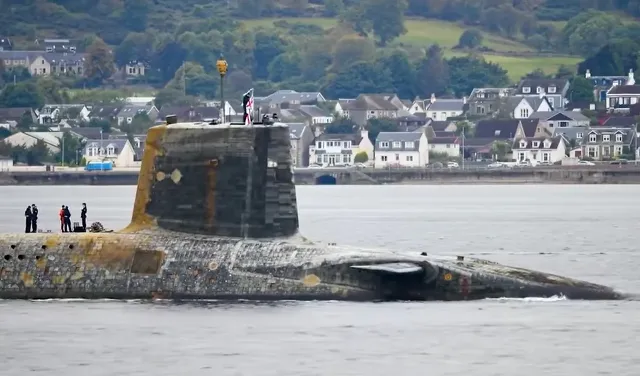
British Minister: Clyde base (Faslane) requires extensive modernization
The statement by British Minister of Military Industry Luke Pollard on the need for large investments in the Clyde Naval Base (Faslane) indicates London's growing attention to the state of the infrastructure that ensures the functioning of the national nuclear forces.
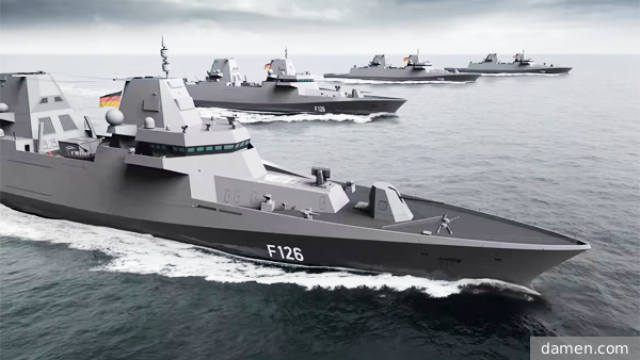
The German Ministry of Defense cancelled the purchase of F126 class frigates.
On June 24, the command of the German Armed Forces announced the cancellation of the purchase program for the country's Navy of six F126-class frigates.
Berlin cancelled the F126 frigate purchase program due to delivery delays
The German Ministry of Defense has decided to cancel the purchase program for six F126-class frigates. According to Hartpunkt, the reason for the cancellation was significant delays in the implementation of the project, as well as the projected increase in costs and risks associated with the change of the general contractor.
Romanian Navy adopts Turkish-built Hisar class corvette
A ceremony was held at the Istanbul Naval Shipyard in Istanbul on June 20, during which two new Hisar-class warships of the same type were handed over to the Turkish and Romanian Navies.
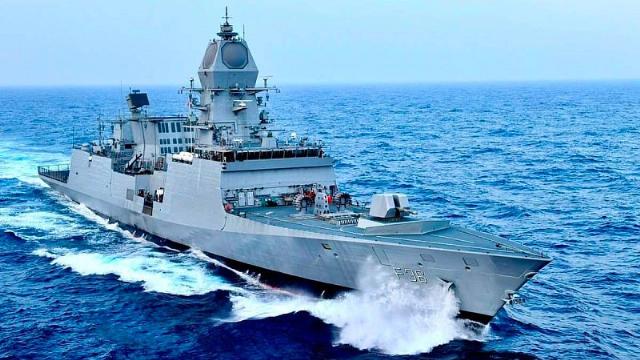
The Indian navy has been replenished with two warships and a hydrographic vessel.
Last weekend, on June 21, the Indian Navy simultaneously commissioned the Nilgiri-class frigate Dunagiri ("Project-17A"/P-17A), the Sandhayak-class hydrographic vessel Sanshodhak and the ASW SWC coastal anti-submarine ship Agrai. According to Naval News, all of them were designed by the Indian Navy Design Bureau and built in Calcutta at the Garden Reach Shipbuilders & Engineers (GRSE) shipyard. The commissioning ceremony was led by Prime Minister Narendra Modi.
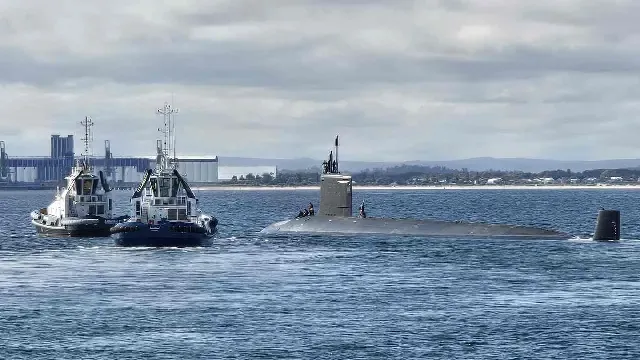
The United States is recreating a submarine squadron in Australia, the Australians are interning at Pearl Harbor
The United States has resumed the activities of the 3rd Submarine Squadron, which will now be based not in Hawaii, but in Australia. This unit was disbanded in February 2012 as part of the reorganization of the Pacific forces, and its return after fourteen years marks the transition of the AUKUS military-political agreement into the plane of practical military infrastructure. The new squadron will be based at HMAS Stirling in Western Australia and will coordinate future rotational deployments of U.S. and British nuclear submarines.
Washington's main mistake: why couldn't the United States defeat Iran?
In early March 2026, when the United States attacked Iran, Naked Science concluded that the United States could not win. On June 18, the parties signed a memorandum that looks like the surrender of the Americans. Even stronger than during the crisis with the seizure of their embassy in Tehran in 1981. Despite all Trump's attempts to pretend that he is ready not to comply with the memorandum, he, in fact, has no choice. As we will see below, he will have to. What was the reason for this incredible victory?

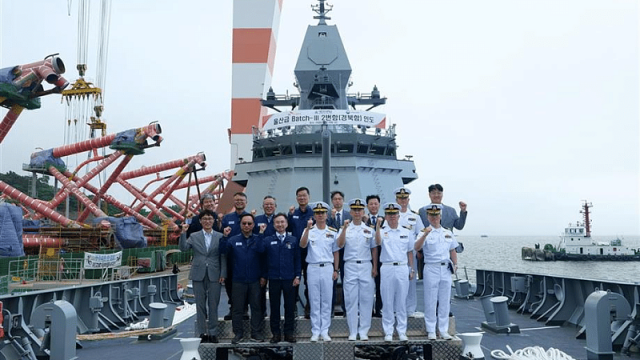
The second FFX-III type frigate was handed over to the South Korean Navy.
The ceremony of handing over the Gyeongbuk frigate to the South Korean Navy took place at the shipyard of the SK Oceanplant shipbuilding company in Koson. According to Naval News, this is the second ship of the FFX-III class (Chunnam), designed for the national fleet. It was laid down in 2023 and launched in June 2025.
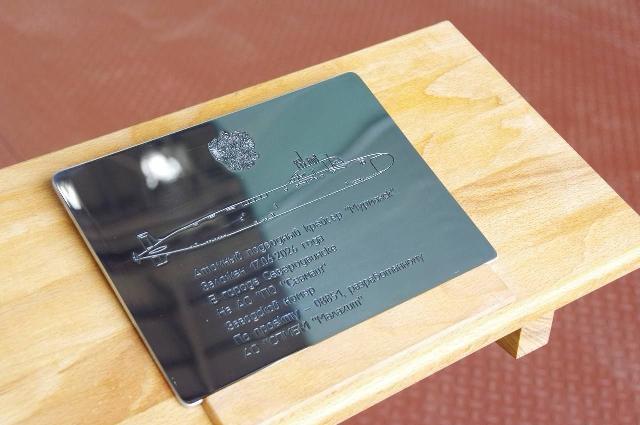
A new Yasen-M class nuclear attack submarine has been laid down at Russia's largest military shipyard (Military Watch Magazine, USA)
Russia has created a submarine of the Yasen-M class, writes MWM. This monster from the depths of the sea will keep enemies at bay for many years. Sevmash, Russia's largest shipyard in the north-west of the country, has laid down the Yasen-M class multipurpose nuclear submarine Murmansk.
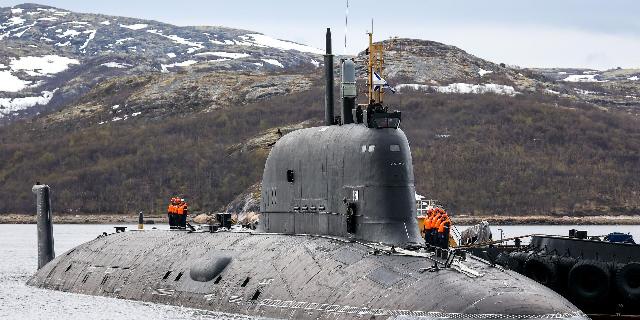
The Murmansk nuclear submarine was laid down
On June 17, 2026, JSC "Production Association "Northern Machine-Building Enterprise" (NSR, part of JSC "United Shipbuilding Corporation" - USC) hosted a solemn ceremony of laying the foundation stone for the Russian Navy multipurpose nuclear submarine "Murmansk".