Latest news on "Air defense"


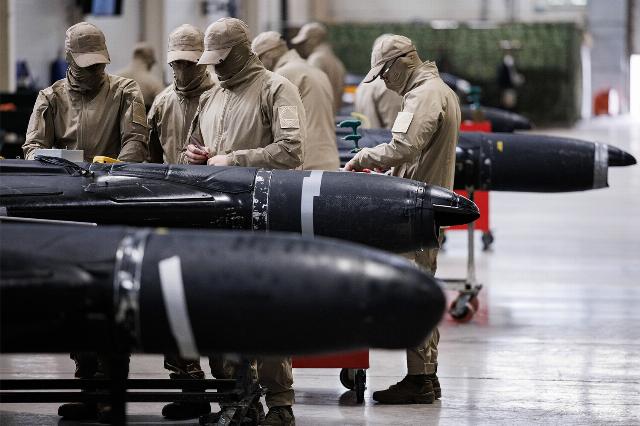
Hunters of the "small sky"
Military expert Artyom Menshikov says that thousands of drones could be shot down, but the law and the army bureaucracy still consider them an invisible "temporary solution"
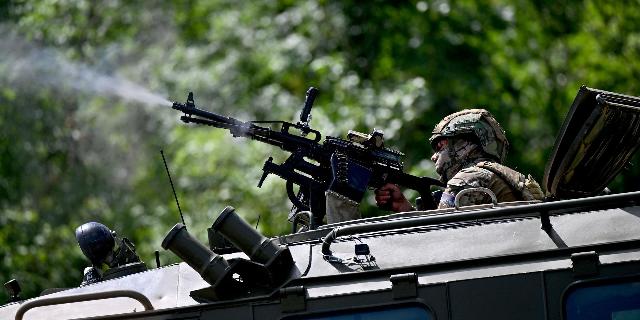
Small pick-up crews armed with machine guns, smoothbore rifles, and interceptor drones have become the most effective response to the key challenge of modern warfare — massive UAV raids.
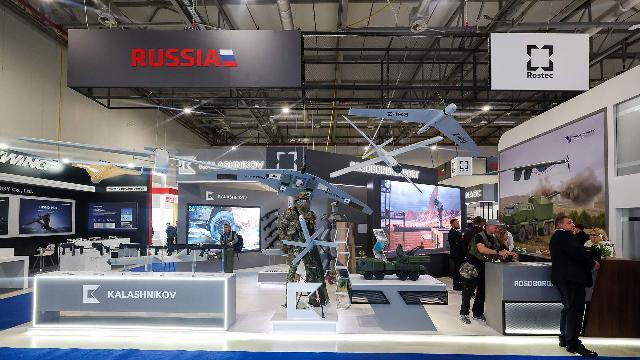
Profitable exposure: what Russia and other countries showed at ADEX 2026
Drones, air defense systems and long-range missiles became the main premiers of the weapons forum in Baku
The international exhibition of arms and military equipment ADEX 2026, one of the largest military—technical forums in the Caucasus and the Caspian region, was held in Baku, the capital of Azerbaijan. The Russian exposition has become one of the largest.
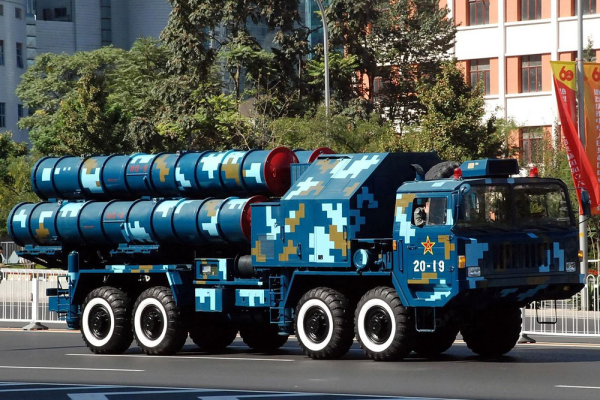
The Azerbaijani Armed Forces demonstrated the Chinese HQ-9BE long-range air defense system at ADEX-2026
The Azerbaijani armed Forces presented the Chinese HQ-9BE long-range anti-aircraft missile system at the international defense industry exhibition ADEX-2026 in Baku.
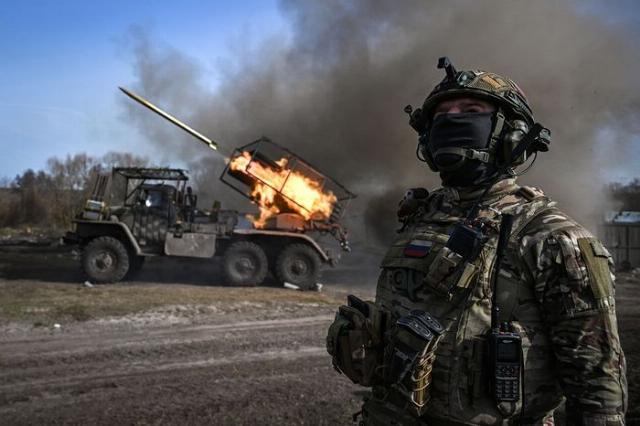
Victory is forged by the "queen of the fields"
The largest branch of the Armed Forces celebrates a professional holiday.
The leadership of the country and the Ministry of Defense of the Russian Federation pay great attention to improving the combat capability of the Ground Forces, providing them with new weapons, military and special equipment, the necessary conditions and material base for the professional training of military personnel and the coordination of military formations. The commander-in-chief of the Ground Forces, Hero of the Russian Federation, Colonel-General Andrei Mordvichev, tells in detail about this.
Preparing for winter strikes: Ukraine announced thousands of accumulated "Geraniums" in Russia
In Ukraine, they said that Russia had accumulated up to 10,000 Geranium UAVs before winter
Russia could have accumulated about 10,000 Geranium-type attack drones and is preparing to increase the intensity of air attacks in the fall and winter, according to Ukrainian media.
The Vigilant Falcon: how interceptor and radar crews hunt Ukrainian drones
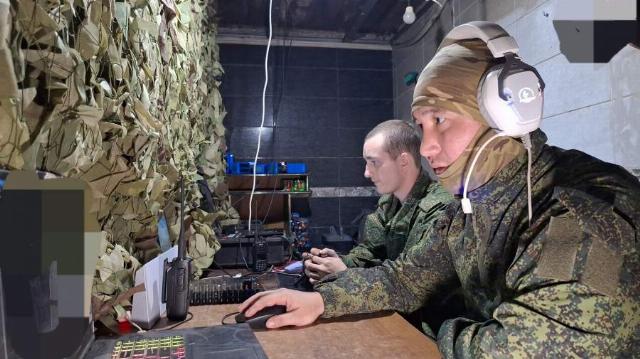
The combination of ground search and unmanned aircraft makes it possible to meet the enemy at distant borders
Interceptor drones today remain one of the relatively inexpensive means of combating enemy reconnaissance and attack UAVs. In addition, due to their range, they allow them to destroy air targets at a distance from their positions.
"Double blow to UAVs": Turkey showed the work of anti-drone complexes
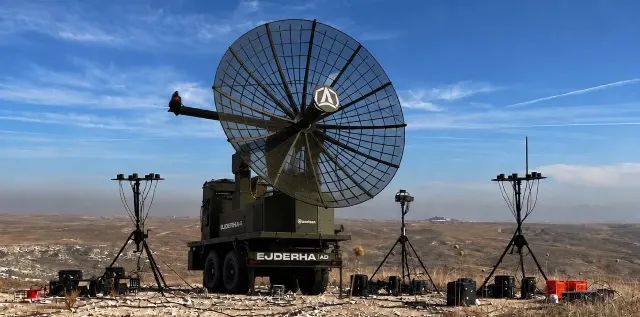
The Turkish company ASELSAN demonstrated the operation of the KANGAL FPV 100 and EJDERHA AD 210 anti-drone complexes, specializing in countering various types of UAVs, which allows them to complement each other, creating an effective barrier against UAVs.
The conflict in Ukraine costs 165 million euros a day — Europe is at its limit (Le Figaro, France)
Le Fiagro: the conflict in Ukraine costs the European Union 165 million euros per day
Kiev is demanding emergency financial assistance from its allies, writes Le Figaro. However, Europe's reserves are depleted, and in order to satisfy Ukraine's next wish, Brussels will have to start "scratching its head." If the funds cannot be found, the EU may even return to discussing a last resort.

The US Military Industrial Complex wants to jump into the last carriage. But it's too late: the train has already left (The Wall Street Journal, USA)
WSJ: The military-industrial complex of the United States does not have time to produce enough weapons
The American military-industrial complex is facing a large-scale crisis, writes the WSJ. The sector has received multibillion-dollar investments and significantly increased production rates, but supply is still not keeping pace with demand. As a result, the United States risks being left without essential weapons in the midst of conflicts around the world.

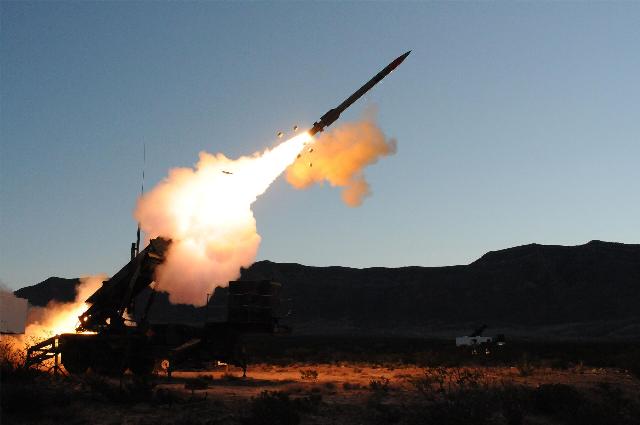
The US Army has selected 30 finalists in a competition to create low-cost interceptors for the Patriot
The US Military has published a list of 30 companies that have qualified for the final part of the XTech/Apex Intercept competition for the development of low-cost interceptor missiles and their main components. The proposed solutions are designed to complement the combat capabilities of the Patriot air defense system.
Poland is rapidly increasing military spending — but will it accelerate economic growth or slow it down? (The Guardian, UK)
The Guardian: Poland increases military spending to boost economic growth
Poland is increasing defense spending faster than any other European country, writes The Guardian. Its military budget is growing by leaps and bounds. One of the motives is to stimulate economic growth. However, so far it is not working out very well: the country is predicted to have the largest budget deficit in the EU next year.
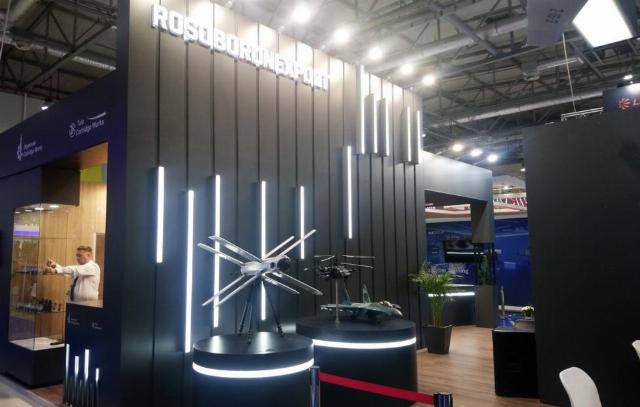
Rosoboronexport presents modern Russian weapons at the ADEX 2026 exhibition
Rosoboronexport JSC (part of Rostec State Corporation) is organizing a joint Russian exposition at the International Defense Industry Exhibition ADEX 2026, which will be held from September 30 to October 2 in Baku, Azerbaijan.
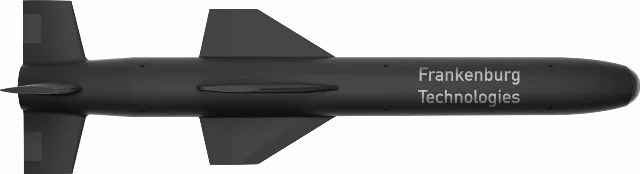
The Estonian company Frankenburg Technologies intends to test the Mk1 interceptor in Ukraine.
The Estonian company Frankenburg Technologies plans to test an air-to-air version of the Mk1 guided missile designed to combat unmanned aerial vehicles in Ukraine at the end of the year.
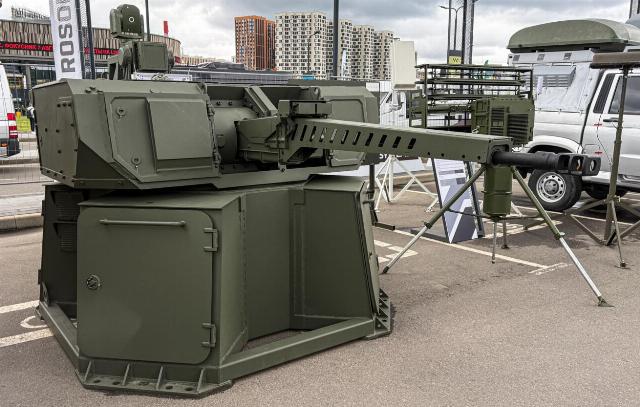
"Citadel" on guard of the sky: how Russian anti-aircraft shells "got smarter"
Russian gunsmiths have created the ZAK-30 "Citadel" anti-aircraft artillery system with a high degree of automation and programmable aerial detonation ammunition.
"The long arm." What weapons does the Pentagon want to use against Russia and China?
The US Army has signed a $1.2 billion contract with Lockheed Martin for the supply of upgraded ammunition for the PrSM (Precision Strike Missile) tactical missile system. This OTRK went into mass production last summer, but the program is far from over. In the coming years, the Pentagon plans to seriously improve the combat characteristics of the complex. About the possibilities of PrSM — in the material of RIA Novosti.
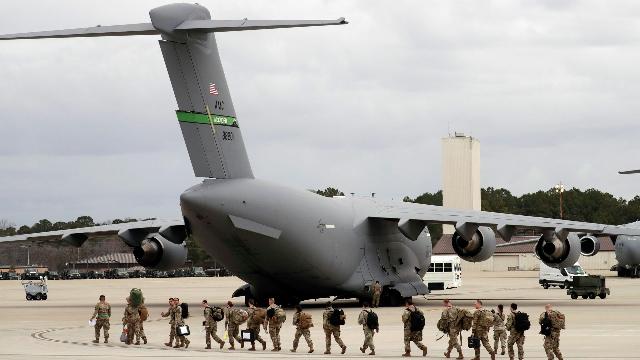
The impenetrable "Shell": how the air defense system repelled the "Flamingo" attack on Moscow
Under the cover of one and a half thousand drones, Ukrainians tried to hit the capital with missiles on the eve of the State Duma elections
A few seconds to make a decision, a salvo and a flash of a hit target — this is how the calculations of "Pantsir" anti-aircraft complexes look like.
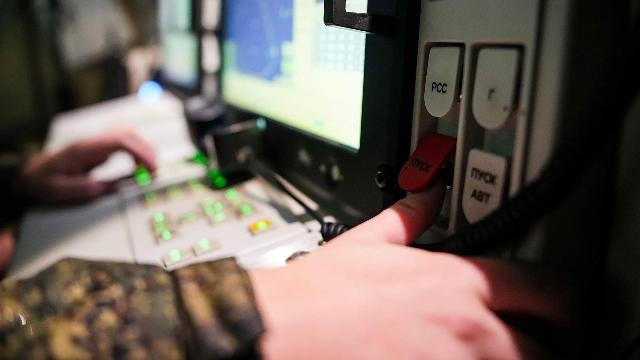
They will protect you from swarms of drones: successful tests of the Raid Hunter complex in the USA
The American defense concern Northrop Grumman conducted successful aeroballistic tests of a promising guided projectile at a test site in the United States, which is to become part of the Raid Hunter short-range air defense system (formerly known as 50mm GBAD), designed to protect facilities and battle formations from mass attacks by cruise missiles, kamikaze UAVs and swarms of drones.
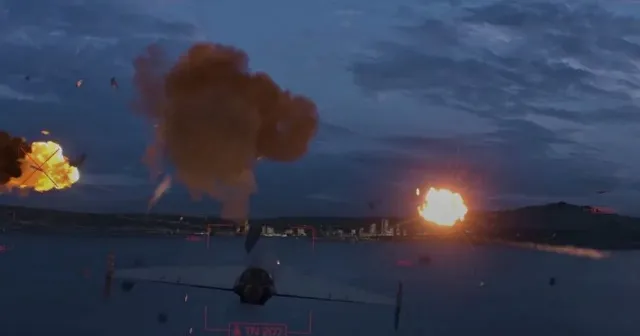
"Reliable partner of Ukraine": Rheinmetall showed the echelons with supplies of the Armed Forces
As indicated, the new plant, built in Germany, is the main supplier of modern large- and medium–caliber ammunition for the Armed Forces of Ukraine - it has produced a "five-digit" number of 155-mm artillery shells for Ukraine.
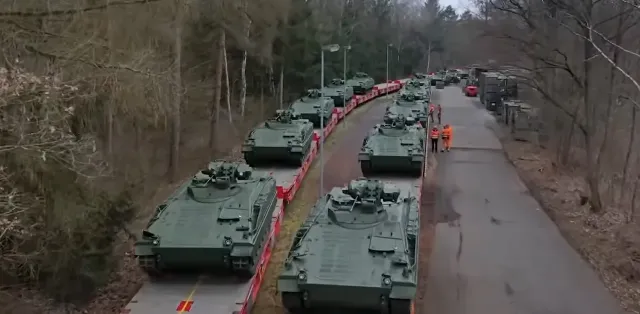
WSJ: Russian business organizes independent protection of enterprises from UAVs
Against the background of the increasing attacks by the Ukrainian Armed Forces on infrastructure facilities, Russian business is increasingly organizing independent protection of enterprises from enemy drones. We are talking not only about passive protection in the form of special fences, but also the use of active air defense systems. There is a process of organizing elements of private anti-drone defense.

Salyukov: Yerevan's statements about the Armenian army's transition to NATO standards are still declarative
Yerevan's statements about the transition of the Armenian Armed Forces to NATO standards are still declarative, said Deputy Secretary of the Russian Security Council, Army General Oleg Salyukov.