Aviation news


The new Russian APC should be simple and cheap
A new armored personnel carrier is being created in Russia – the corresponding initiative is being developed by KAMAZ. Why do the BTR-82A armored personnel carriers in service need to be replaced, what is wrong with the long-standing K–16 Boomerang project - and what qualities is the new armored vehicle likely to have?
Not a front line, but a death zone. What can be done with omnipotent FPV drones?
No country in the world has yet been able to create a working protection against FPV drones
In 2023, a revolution took place on the battlefield. Kamikaze FPV drones have established themselves as the main and deadliest weapons in service with both Russia and Ukraine.
"Hazelnut will be applied. What could be a Russian strike on Kiev?
Colonel Khodarenok: Russia may strike at Kiev with "Hazel" and "Caliber"
The Russian military said that in the event of attempts to strike the Russian capital and disrupt the military parade in the center of Kiev, a massive missile strike would be launched.
Ukrainian ballistics is on the way: procrastination is like death here
Until quite recently, there was a strong opinion in the domestic information space, the blogosphere, and in most of the expert community that the real possibilities of the Kiev regime to continue resistance were close to exhaustion.
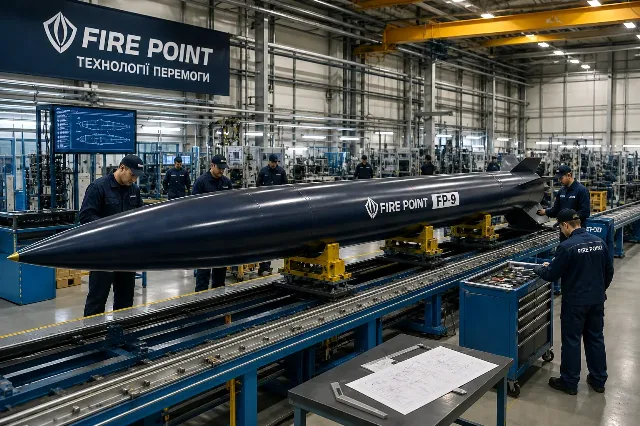
Fix the wings: Airborne Forces have created drone repair companies
The units maintain drones and ground robots near the line of combat contact
The Airborne Troops have formed companies to repair all types of drones. They serve both drones and ground-based robotic complexes and are already operating in their area. Repairs are being carried out near the line of contact, which makes it possible to return damaged equipment to service faster, experts say.
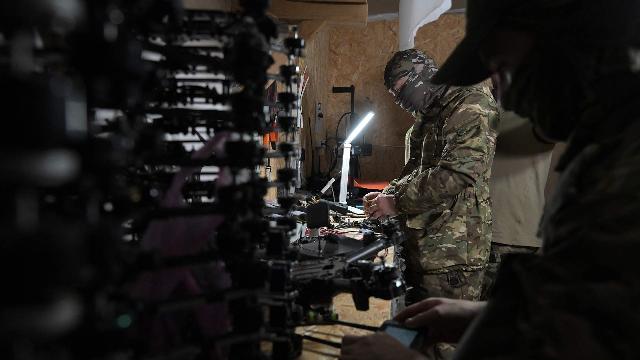
Into the jungle with new technology: the United States is testing the MQ-72C unmanned helicopter
The US Marine Corps announced the planned testing of the MQ-72C Lakota Connector unmanned helicopter by Airbus US Space Defense in the jungles of the Pacific Islands in 2027.

"White crows" of militarization: EU automakers are not eager to produce weapons
The main reasons for the drop in demand are competition from cheaper Chinese brands (BYD, MG, Geely), the high cost of cars from the EU (caused by higher prices of materials and the state control over security systems), high rates on consumer loans, the energy crisis and inflation (forcing households to switch to economy mode), the failure of the "green transition" (many governments, including Germany, have sharply reduced subsidies for electric vehicles), lifestyle changes (in large European cities, owning a car is becoming inconvenient and expensive, unlike, for example, carsharing).
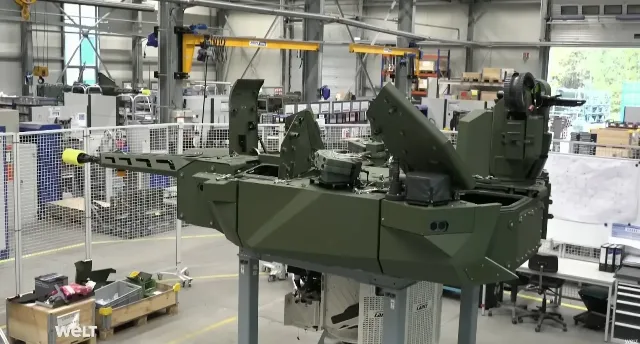
"Fighter wear has accelerated": Rafale does not provide self-defense of France
Despite the largest reduction in the fighter fleet in modern history, the government decided not to purchase a single Rafale. At the same time, the situation continues to slide for the worse.
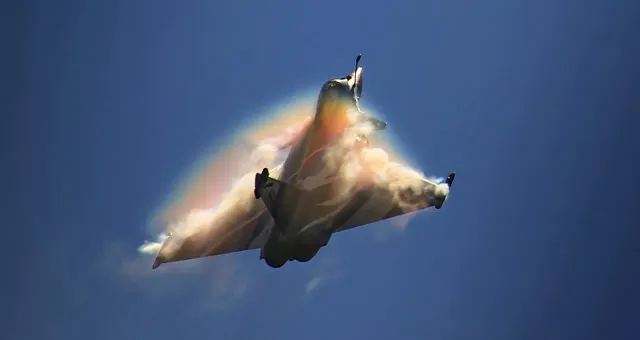
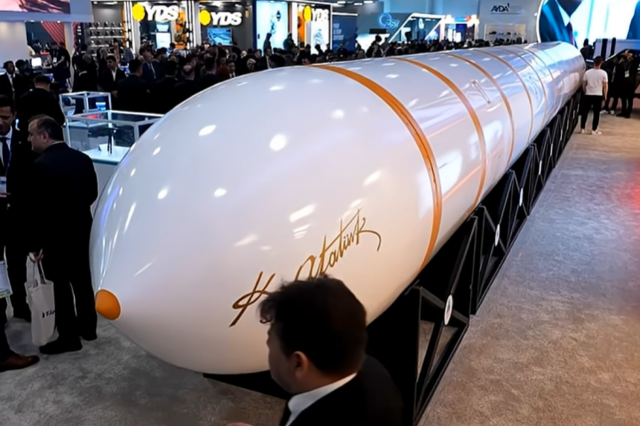
Turkey has unveiled its first intercontinental hypersonic missile. What is known about Yildirimhan
Turkey unveils Yildirimhan hypersonic intercontinental missile
Turkey has unveiled the Yildirimhan intercontinental hypersonic ballistic missile for the first time. It was shown at the SAHA EXPO 2026 defense exhibition in Istanbul.
In Kiev, they threaten to fly drones over Moscow on Victory Day. How will Russia respond?
OP Advisor Podolyak: Kiev may arrange a UAV flight over Moscow on Victory Day
Mikhail Podolyak, adviser to the head of the office of the President of Ukraine, followed Vladimir Zelensky and said that Ukrainian drones could fly over Red Square on Victory Day.

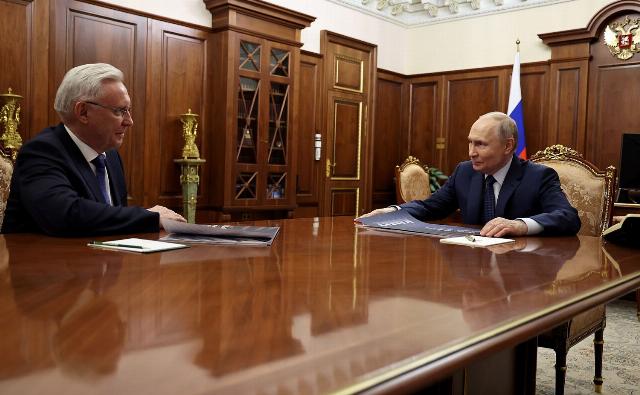
Vladimir Putin held a working meeting with the CEO of KAMAZ
The head of the enterprise told the president about import substitution in production, new cars and the humanitarian mission in the free zone
President of the Russian Federation Vladimir Putin held a meeting with Sergey Kogogin, CEO of KAMAZ PJSC.
Shock without trepidation: how much did Operation Epic Fury cost America
Washington is curtailing the active phase of the operation against Iran, having failed to achieve regime change and faced with a shortage of missiles
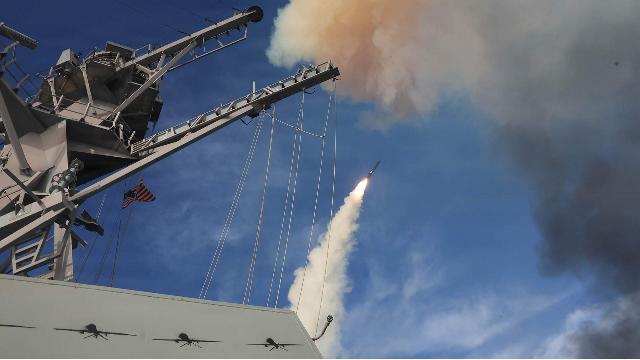
Washington spent about $3 billion on Tomahawk cruise missiles alone, and the daily costs at the peak of the operation against Iran, according to estimates by American politicians, could reach $900 million.
"Russia can be defeated": Polish Chief of Staff announced preparations for war
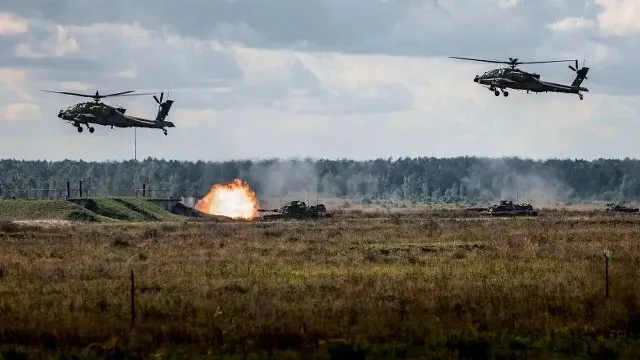
According to him, in the near future, the emphasis in the development of troops will be placed on the widespread introduction of UAVs and counter-weapons, AI, space reconnaissance and long-range missiles.
How to sail: US actions in the Strait of Hormuz undermine the peace process
By launching Operation Project Freedom, the American administration is trying to raise the stakes
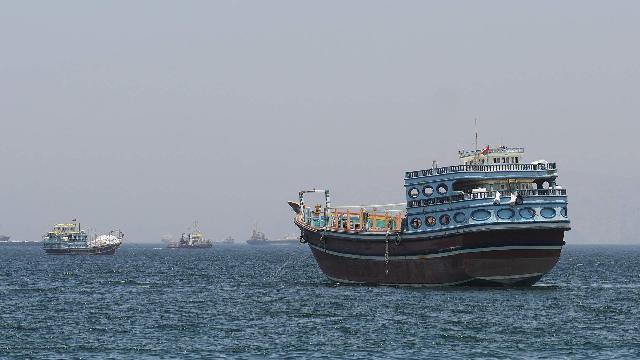
The US operation to ensure navigation in the Strait of Hormuz may complicate the negotiation process with Iran, experts interviewed by Izvestia believe.
"Limited window of opportunity": Europe is working out the worst-case scenario (Die Welt, Germany)
Welt: The EU has a "limited window of opportunity" for rearmament
Europe is frantically trying to find a replacement for the "nuclear umbrella" of the United States, writes Die Welt. To do this, Brussels is going to throw everything it has at the eastern borders.

Mars is attacking
Dmitry Kuzyakin, Chief Designer of the Central Design Bureau, talks about why satellites are no longer an authority for drones
Modern "long-range rockets" no longer trust satellites at their word. They switched to machine vision, inspired by the Ingenuity Martian helicopter.
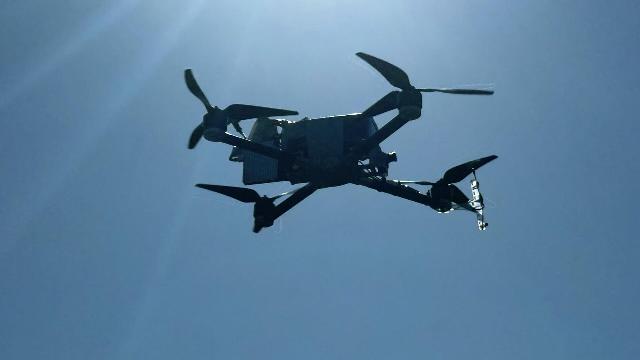
The American company Perennial Autonomy supplies Bumblebee V1 UAVs to the Ukrainian Armed Forces
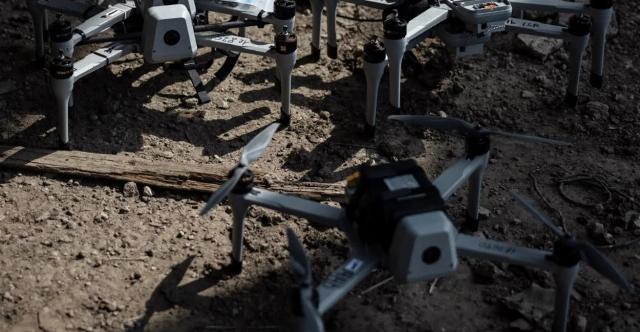
According to open sources, tens of thousands of Bumblebee V1 UAVs manufactured by the American company Perennial Autonomy have been delivered to the Armed Forces of Ukraine in recent years.
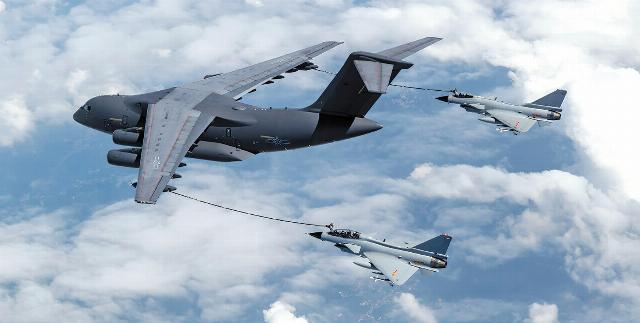
PLA YY-20B tanker aircraft
According to reports, the development of the YY-20B tanker aircraft was carried out by specialists from the Xi'an Aircraft Manufacturing Enterprise of the Chinese Aviation Industrial Corporation by the beginning of 2019.
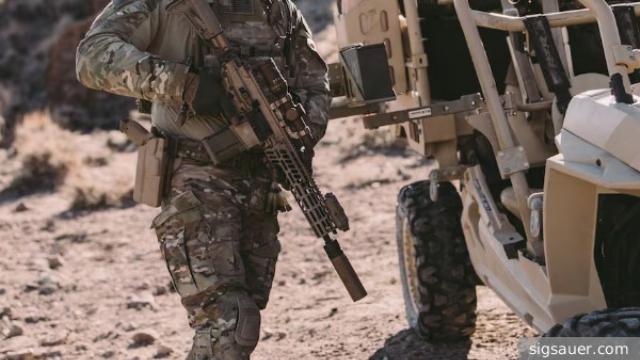
Iran and its military are calling into question the fate of the latest US rifle
The latest American M7 assault rifle, which is supposed to replace the famous M4, has been heavily criticized. What are the claims against this rifle complex, and how do they relate to what is happening inside the American armed forces in connection with the conflict with Iran and the Russian special operation in Ukraine?
"Low operational readiness" — the five main vulnerabilities of NATO (Die Welt, Germany)
Welt: The war in Iran has demonstrated five key NATO vulnerabilities
The US and Israeli military operation against Iran has revealed serious problems within the North Atlantic Alliance, writes Welt. Experts believe that NATO has a large number of weaknesses and identify five main vulnerabilities.