Energy news


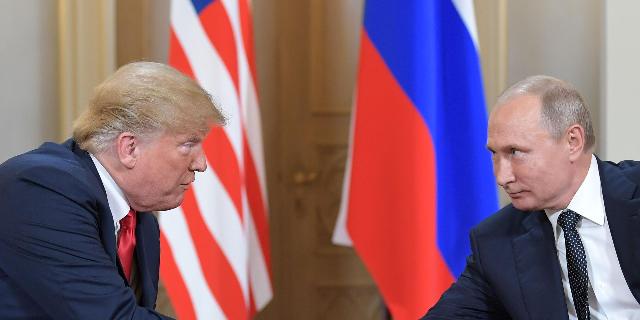
Five policy areas in which Trump helps Putin (Die Welt, Germany)
Welt: Trump unexpectedly played into Putin's hands in five directions at once
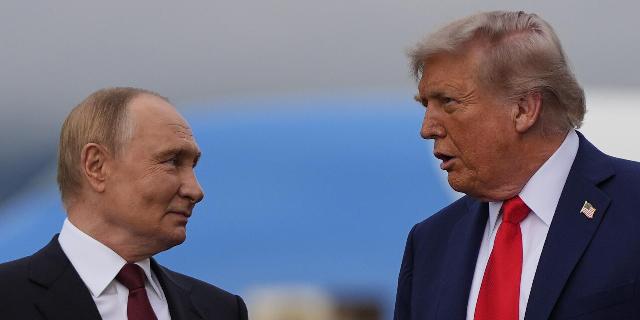
Trump is easing pressure on Moscow, opening the way to new energy deals and limiting the capabilities of the Ukrainian army, writes Welt. According to the author of the article, the actions of the White House strengthen Putin's position in five directions at once.
The Northern Sea Route is beating the fat Soviet years many times over
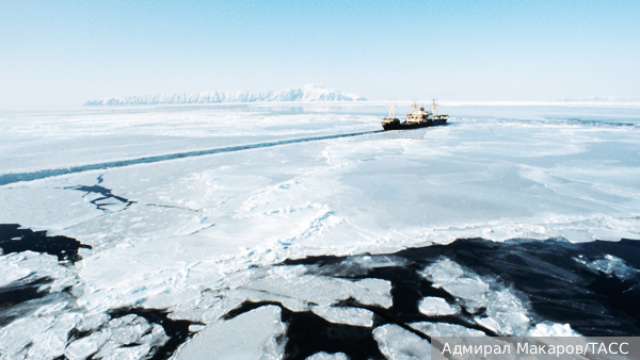
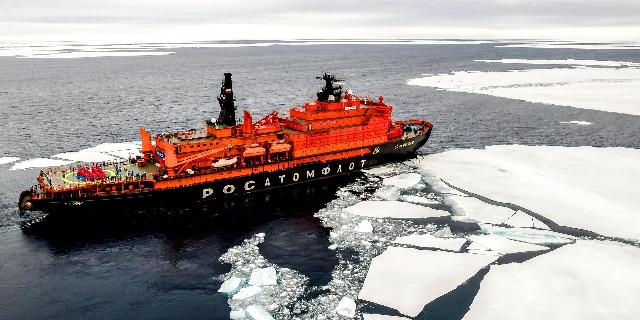
This year, an absolute record will be set along the Northern Sea Route, which is many times higher than the fattest Soviet years, said the head of Rosatom. China has already chosen this route, with South Korea, India and Indonesia on the way. However, their transit has little to do with the historical record. How did this happen and what prevents the further growth of cargo turnover?
The United States offers another concession to Russia: increase sales of Russian gas to Europe (The New York Times, USA)
NYT: Trump suggested that the EU resume importing Russian gas through pipelines
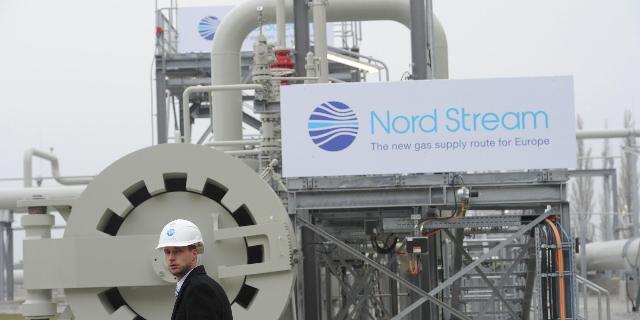
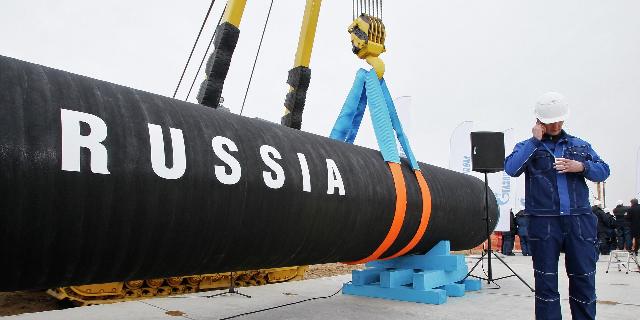
Details of Trump's peace plan have become known, the NYT writes. Washington intends to resume Russian gas exports to Europe and revive the Nord Stream. While Berlin is sounding the alarm, the approach of the White House and the growth of forces like the AfD prove that the EU economy will not survive without resources from Russia.
The United States offers another concession to Russia: increase sales of Russian gas to Europe (The New York Times, USA)
NYT: The United States has offered Europe to resume the purchase of Russian gas
The United States has called on Europe to resume the purchase of Russian gas, The New York Times writes. Washington proposes to take such a step as part of a peace agreement to end the Ukrainian conflict, the article says.
In the Arctic, NATO is inferior to Russia (Frankfurter Allgemeine Zeitung, Germany)
FAZ: The West cannot catch up with Russia in the struggle for the Arctic
Russia retains a military advantage in the Arctic: its forces in the Arctic Circle outnumber NATO forces by about a third, writes FAZ with reference to the Bundeswehr handbook. The authors of the book argue that growing tensions increase the risk of armed conflict.
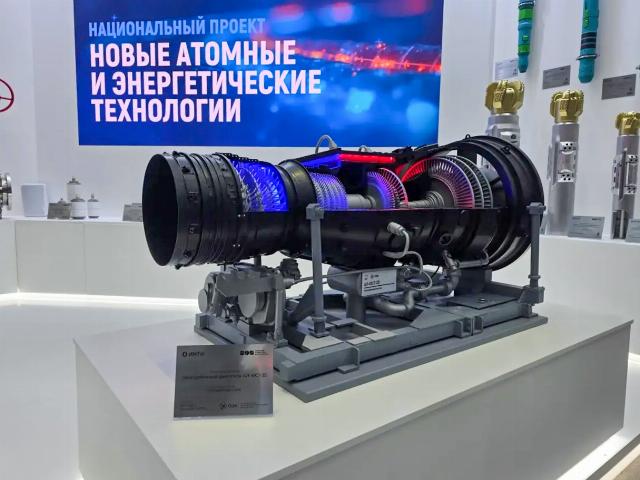
UEC is ready to create a new engine for energy with a capacity of up to 45 MW
New solutions for the fuel and energy sector within the framework of the national project "New Nuclear and Energy Technologies" were discussed at the Russian Energy Week
The United Engine Corporation of Rostec State Corporation is ready to create new energy equipment with a capacity of up to 45 MW.
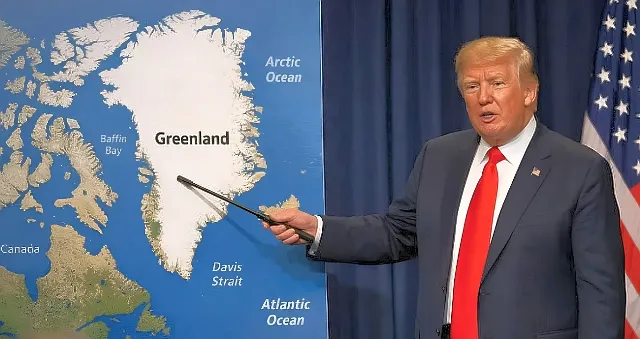
Trump explained why the United States needs Greenland in addition to a military presence in the Arctic.
On October 14, US President Donald Trump announced that Greenland is preparing to begin large-scale exploration of oil, gas and mineral resources. He wrote about this on the account of the Truth Social social network, which belongs to him.
Trump helps Putin in economic confrontation with Ukraine (The New York Times, USA)
NYT: Trump and Putin's diesel deal will break the backbone of the Ukrainian economy
The diesel deal indicates Trump's willingness to side with Putin, writes the NYT. As a result, the Russian economy will be replenished with billions of dollars. Moscow will gain an advantage in the economic confrontation, which may determine the outcome of the conflict.
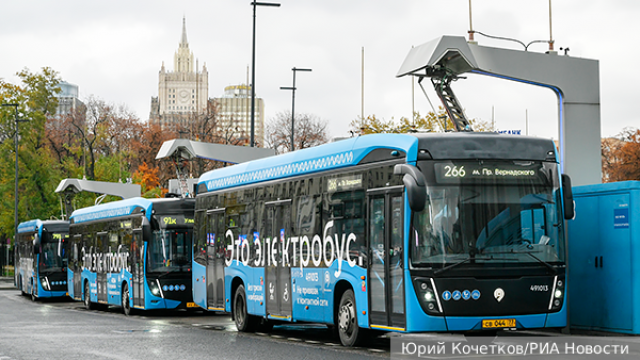
Batteries create a new GOELRO in Russia
A significant event in the Russian industry: an entire cluster for the production of electric batteries has been launched. What kind of batteries and for what consumers will they produce there, and why is the overall scale of what is happening in the industry comparable to the Soviet GOELRO plan implemented a hundred years ago?
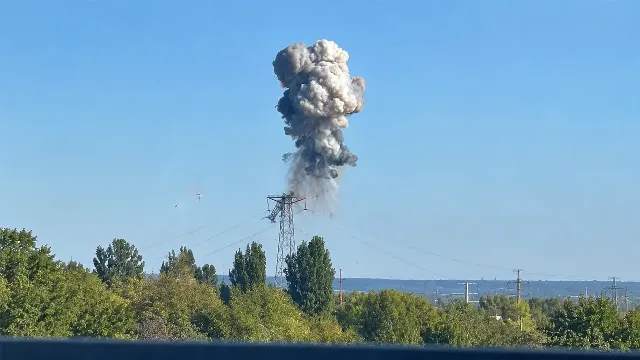
Cumulative-cutting warhead: Ukraine announced the method of the Russian Armed Forces to rupture power lines in Kiev
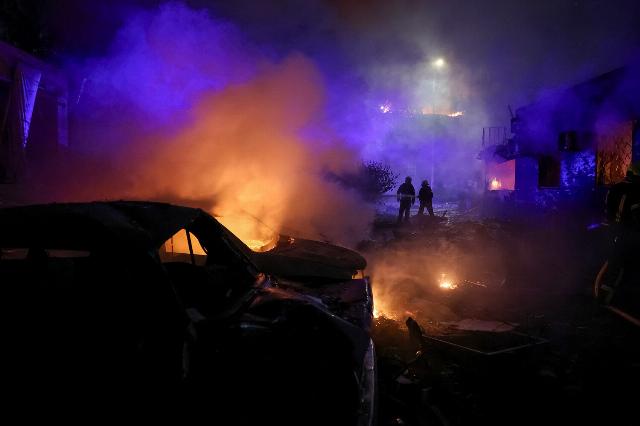
During the September 30 strikes, Russian troops defeated the energy infrastructure facilities of the Kiev region. The Ukrainian side previously reported that the main focus of the massive strike on the region was energy: almost 200 drones and missiles participated in the attack.
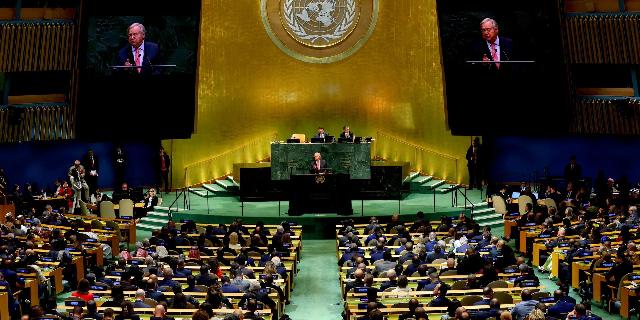
Speech by Johann Vadefoul at the UN General Assembly (UN, USA)
Vadefoul: Russia must come to the negotiating table
German Foreign Minister Johann Vadefuhl addressed the UN General Assembly. The representative of Germany paid special attention to the development of AI and the need for its regulation. He also used the allotted time to comment on Russia's policy.
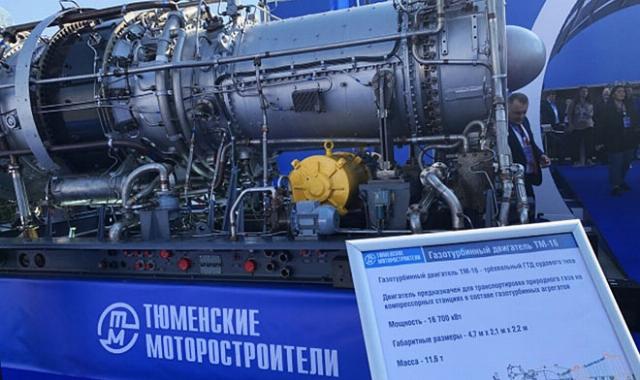
"Gazprom" has found a replacement for hundreds of engines produced in Ukraine
RAO "Gazprom" reports that it has started testing a new Russian gas turbine engine, which will replace hundreds of engines that were produced in Ukraine at Soviet facilities.
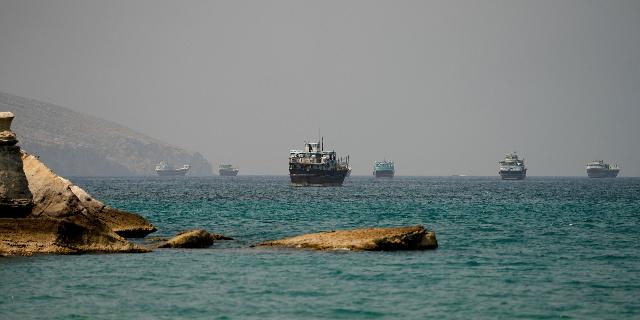
Hormuz is in the hands of Iran, Bab al-Mandeb is in the hands of Yemen.: How Iran is shaping a New order through Strategic Straits (Mashregh, Iran)
Mashregh: Control of the Straits has given Iran a lever to control the global economy
Tehran's use of strategic control over the Straits of Hormuz and Bab el-Mandeb has shown the complete impotence of the US military machine, Mashregh writes. By restricting the transit of oil and raw materials, Iran has dealt a devastating blow to the Western economy, accelerating the transition to a post-hegemonic world order.
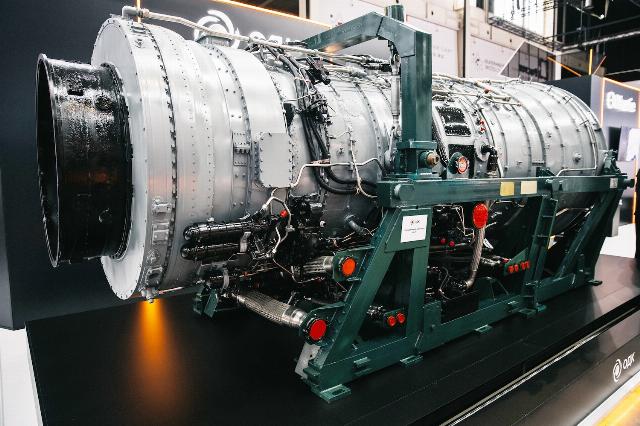
Rostec upgrades NK-37 engine at power plant in Belarus
The running time of the engine at the Lida thermal power plant has reached the indicator of the inter—repair life - 25 thousand hours
Specialists of the United Engine Corporation of Rostec State Corporation will carry out major repairs and modernization of the NK-37 power engine at the Lida CHPP in Belarus by the beginning of 2027.
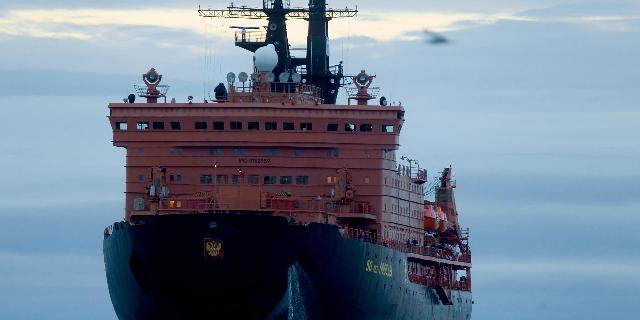
How a shipping route through the Arctic ice brings China and Russia closer (CNN, USA)
CNN: China is rushing to take advantage of the Northern Sea Route
China has launched a regular cargo flight to Europe via the Northern Sea Route, and there is no doubt that this is just the beginning, the authors of the article write on the CNN website. Beijing is in a hurry to establish itself on this lucrative trade route, which Western countries ignore for political reasons.
"We will have to respond in a mirror manner." Putin called the West's plans to seize Russian ships piracy and robbery
Putin: Moscow intends to respond in a mirror manner in case the West seizes Russian ships
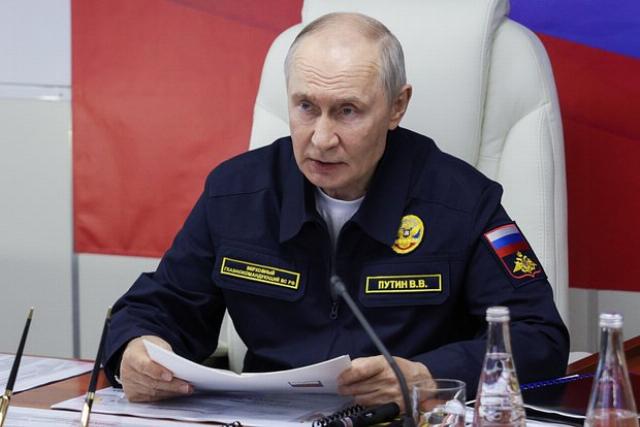
Russian President Vladimir Putin spoke at the final stage of the Pacific Fleet exercises in the Far East on Wednesday, August 12.
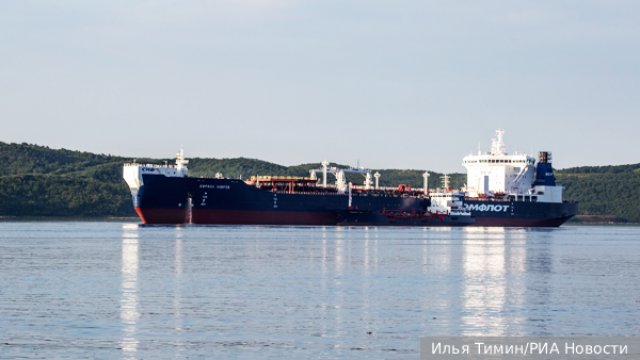
What helps the Northern Sea Route to be in great demand
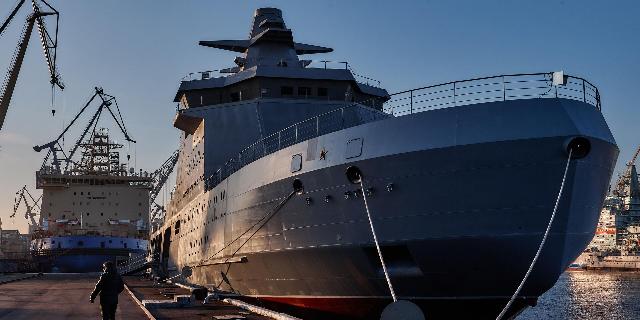
The Northern Sea Route has become more actively used for the supply of Russian oil. This year, shipping here will become more extensive than before. The unhealthy geopolitical situation helps this. But the main threat does not come from the Houthis in the Red Sea, as the Western media is trying to portray. Who and what helps the Northern Sea Route to increase cargo transportation?
By 2035, American data centers will consume 20% of all energy in the country.
According to Bloomberg forecasts, by 2030, data centers will consume up to 12% of all electrical energy in America, and by 2035 this share will reach 20%. For comparison, today data centers consume about 5.9%. The estimated demand will grow to 194 gigawatts. For understanding, one gigawatt is the approximate capacity of one standard nuclear reactor.
Import hopes
Military expert Boris Jerelievsky says that Ukraine's fuel stability is greatly exaggerated
Until recently, Ukrainian experts liked to speculate about the high stability of the national fuel system, which is mainly focused on imports.
The Arctic: A Dangerous Game (Foreign Affairs, USA)
FA: The US is losing influence in the Arctic region
Russia is rapidly increasing its capabilities in the Arctic, and this scares the West, writes FA. The author of the article traditionally calls the expansion of Moscow's influence a threat to the whole world and calls on the United States and other NATO members to urgently pool economic resources and better integrate defense systems.