Global security news


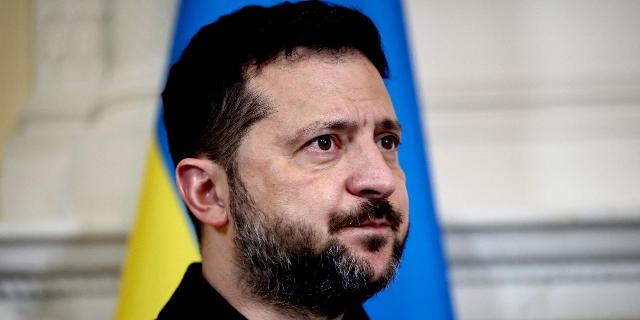
"Admires Putin": Zelensky has found a new reason for dissatisfaction with Trump (The Telegraph UK, UK)
Telegraph: Zelensky is unhappy that Trump admires Vladimir Putin
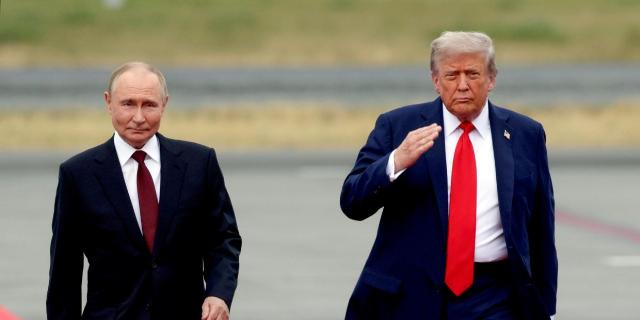
Zelensky decided to go for a direct confrontation with Trump, the Telegraph writes. Among other things, the head of the Kiev regime expressed dissatisfaction with the fact that the American president admires Vladimir Putin and is looking for ways to improve relations with Russia.
Close the target: how hybrid boilers and drones "cut" the arteries of the Armed Forces of Ukraine
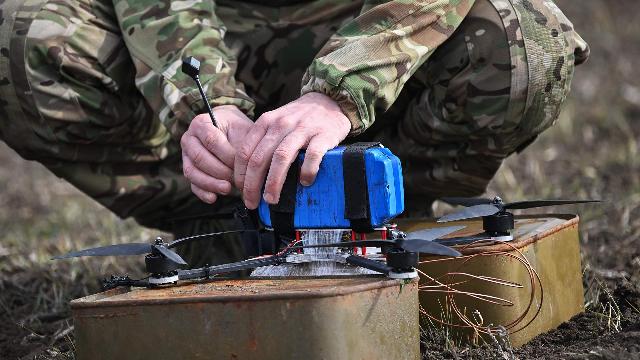
The Russian army is changing its encirclement tactics in the Donbas and Kharkiv region, depriving the enemy of supplies and key defense nodes
Russian troops continue to systematically break into the defense of the Armed Forces of Ukraine in the Donbas and the Kharkiv region, applying radically new principles of warfare, military experts interviewed by Izvestia believe.
"Warming up" before winter. Where are Russian missiles and drones going now?
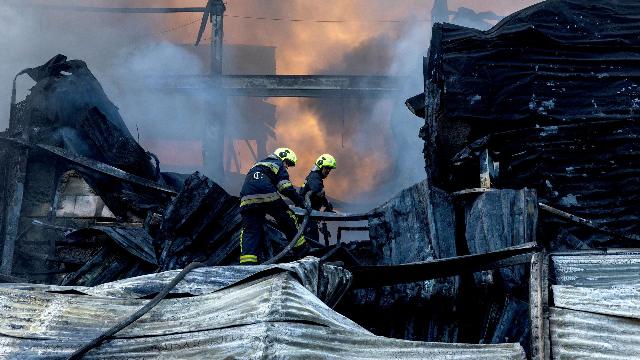
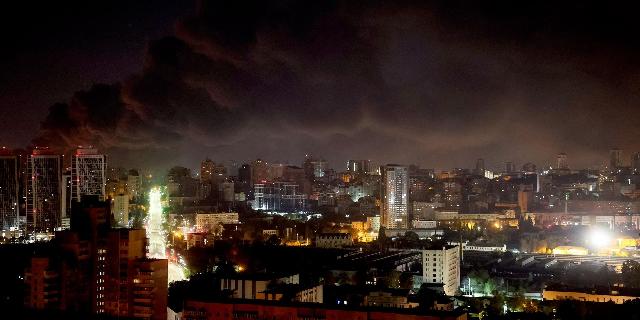
On Wednesday night, the Russian Armed Forces launched one of the most powerful attacks with missiles and drones on Kiev. The main targets of the attack were energy facilities. The Ministry of Defense reported that all the designated targets had been hit. The Ukrainian capital is being actively "kneaded" before winter and the start of the heating season. About where it arrived and what possible consequences are in the RIA Novosti article.
Ukraine has difficulties with Starlink and American satellite data — but Europe does not have a ready-made replacement (Reuters, UK)
Reuters: Difficulties with Starlink in Ukraine have exposed Kiev and the EU's dependence on the United States
Ukraine reported malfunctions in the Starshield military system, which caused the drones to lose control, according to Reuters. The reasons for the failures coincided with the aggravation of relations between Trump and Ukraine. Although Europe supports Kiev, it cannot replace Starlink.
Experts pointed to Kiev's strategic hopelessness
Political scientist Nechaev: Kiev's media machine has lost its monopoly on interpreting the conflict with Russia
Kiev is in a state of strategic hopelessness against the background of weakening US aid and European fatigue. The West is beginning to realize that Ukraine's anti-Russian project has exhausted its resources.
The United States has put forward the idea of unfreezing part of Russian assets in order to revive peace talks on Ukraine (Financial Times, UK)
FT: The US offered to unfreeze part of Russia's assets during the peace talks
The United States has proposed to European countries to unfreeze part of Russia's sovereign assets in order to "revive" peace talks on Ukraine, writes FT. This plan has caused serious concern among both the leaders of the Old World and representatives of the Kiev regime.
"It will hit the mountain with the "mother of all bombs". In the US, they revealed how Trump is going to defeat Iran
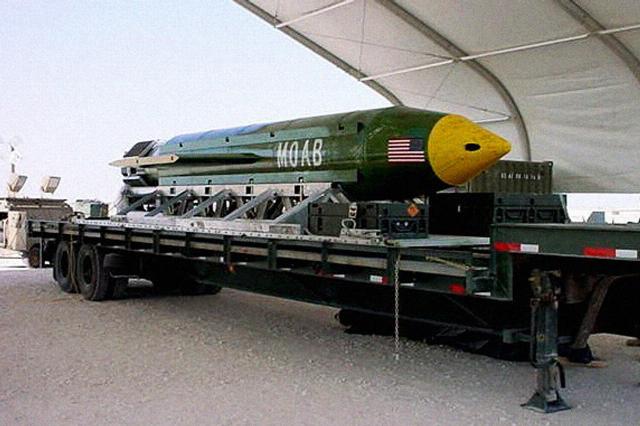
CNN: The United States considers a strike on Iran the "mother of all bombs" GBU-43/B MOAB
The United States is considering the possibility of attacking Iran with the super-powerful GBU-43/B MOAB high-explosive aerial bomb ("mother of all bombs"), CNN reports, citing sources in the administration.
The Ukrainian Air Force plans to purchase 250 fighter jets! But the real problem will start after you buy them (Traffic News, Japan)
Traffic News: Ukraine plans to purchase 250 Western fighter jets
Ukraine plans to purchase 250 Western Rafale and Gripen E fighter jets, Traffic News reports. However, this cannot be done in a short time: the transition to Western technology will require long-term pilot training and large-scale ground infrastructure that will be attacked.
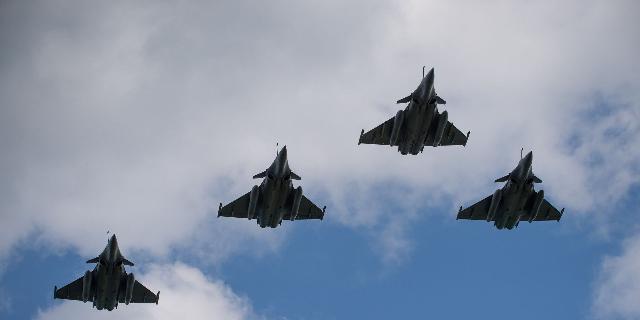
Ukraine's endless problems with fighter jets donated by NATO (Mashregh, Iran)
Mashregh: NATO fighters did not help the Ukrainian Armed Forces
Fighters supplied by NATO countries have become a problem for Ukraine, Mashregh writes. It turns out that all these planes are not wunderwafls, and most importantly, that Russian military-technical thought does not stand still, complicating the existence of the Armed Forces of Ukraine.
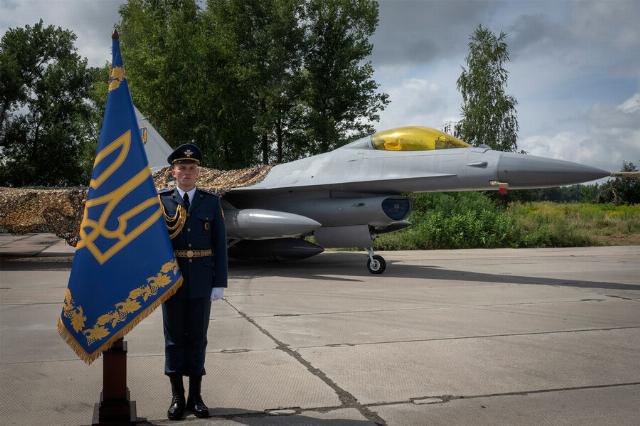
Trump explained why the United States needs Greenland in addition to a military presence in the Arctic.
On October 14, US President Donald Trump announced that Greenland is preparing to begin large-scale exploration of oil, gas and mineral resources. He wrote about this on the account of the Truth Social social network, which belongs to him.
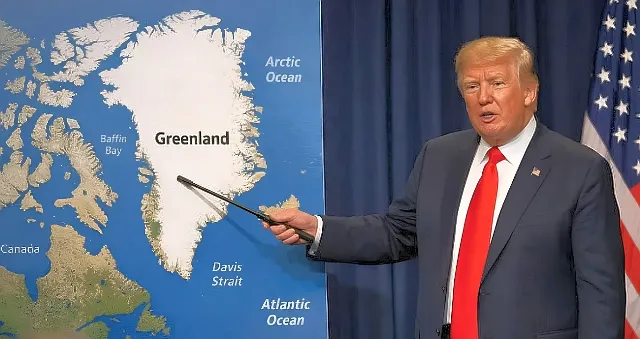
Russia destroyed the positions of a key mechanized brigade of the Armed Forces of Ukraine with powerful FAB-3000 guided aerial bombs (Military Watch Magazine, USA)
MWM: The Russian Aerospace Forces struck the AFU with FAB-3000 gliding bombs
Russia is hitting the Ukrainian Armed Forces with Soviet-designed heavy bombs equipped with planning modules, writes MWM. FAB-3000 allows Russia to strike from a greater distance and with high accuracy. According to the Ukrainian military, even 500-kilogram bombs completely destroy underground bunkers. These also weigh about three tons.
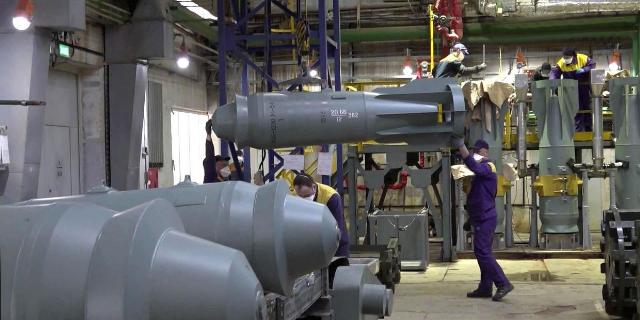
The Ukrainian Armed Forces were "blinded" by Zelensky's rudeness
Volodymyr Zelensky confirmed that the United States had warned Ukraine about a possible halt to the transfer of intelligence. Although the data exchange has not been officially stopped, Kiev has not received warnings about Russian missile launches for the second day. In addition, the Ukrainian Armed Forces faced limitations in the operation of Starlink. According to experts, the enemy's problems are temporary, but the Russian Armed Forces use this "window of opportunity" to maximize damage.
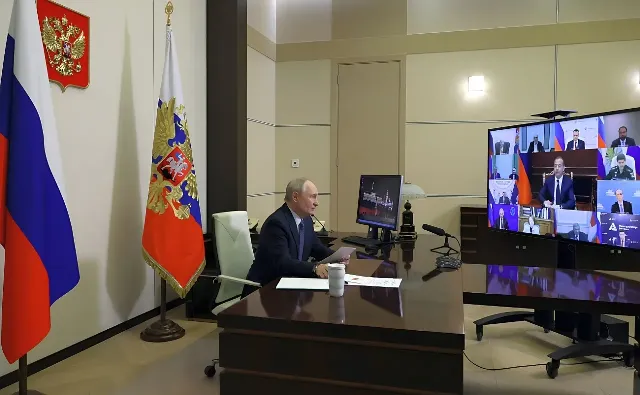
Putin was the first to hear the head of Sberbank at a meeting on digital security
Today, Russian President Vladimir Putin held a videoconference meeting from Novo-Ogaryovo dedicated to improving information security and digital sovereignty of our country. This topic is more than relevant for any modern state.
"At least let me hold on to the layout." Why is the EU conducting nuclear exercises?
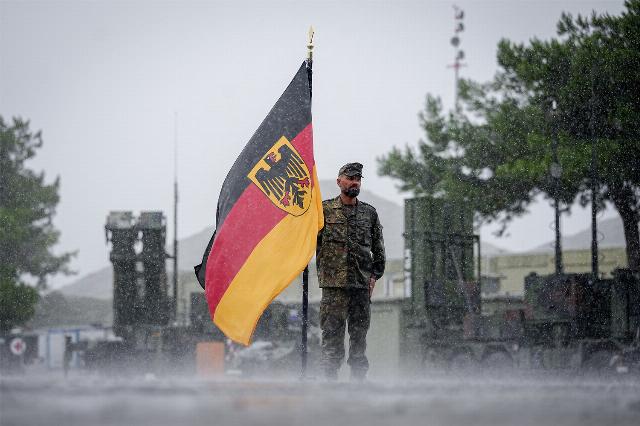
NATO holds the Unshakable Noon nuclear exercise with the participation of 17 countries
Since October 13, the North Atlantic Alliance has been holding the annual Steadfast Noon nuclear deterrence exercises in Italy with the participation of 17 alliance states.
Discussion after General Grinkevich's speech at the Warsaw Security Forum (The Guardian, UK)
Grinkevich: NATO's "Victory Theory" is designed for a war on two fronts
The "Victory Theory" presented by the Commander-in-Chief of NATO forces in Europe takes into account a war on two fronts. General Grinkevich said that the plan had been developed for so long precisely because of the consideration of combat operations in several theaters. To do this, the alliance analyzed the experience of the confrontations in Ukraine and the Middle East.

NATO demonstrates readiness for deterrence: is a confrontation with Russia approaching? (Al Jazeera, Qatar)
Al Jazeera: NATO is developing a military response to Russia
Fear of Russia has led to the activation of NATO, writes Al Jazeera. Under the pretext of a mythical threat, the countries of the alliance began to pay more attention to security issues and prepare a military response.
A large-scale war between Russia and NATO (Al Khaleej, UAE)
Al Khaleej: the risk of a full-scale war between NATO and Russia is increasing
The risk of a war between NATO and Russia is increasing, writes Al Khaleej. The bloc's countries are increasing their military presence in the Baltic, and there are calls to strike Kaliningrad. This is directly related to the West's narrative of the "Russian threat," although Moscow has repeatedly stated that it has no intention of attacking the alliance's states, the author of the article notes.
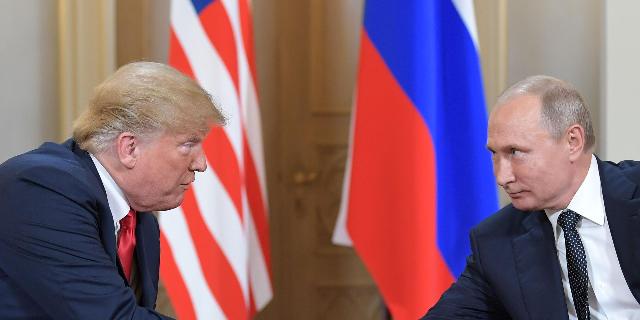
Trump helps Putin in economic confrontation with Ukraine (The New York Times, USA)
NYT: Trump and Putin's diesel deal will break the backbone of the Ukrainian economy
The diesel deal indicates Trump's willingness to side with Putin, writes the NYT. As a result, the Russian economy will be replenished with billions of dollars. Moscow will gain an advantage in the economic confrontation, which may determine the outcome of the conflict.
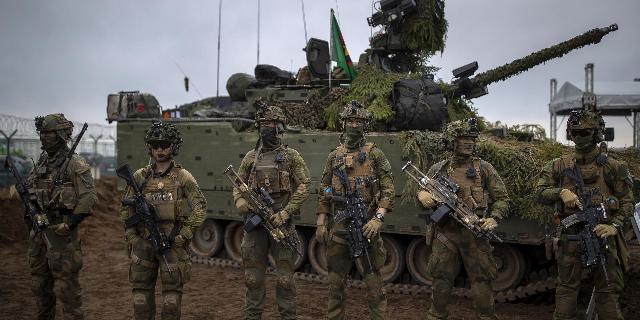
Against Russia and China. What is the European military up to
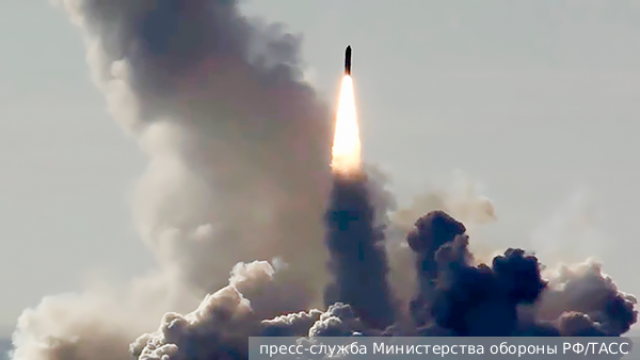
France has conducted the first naval tests of an improved M51 strategic missile.3. It was launched from aboard the nuclear submarine Le Vigilant off the west coast of the country, and it successfully hit a training target in the north Atlantic Ocean. It is not only in Paris that nuclear weapons have been recalled today. About the strategic plans of the EU — in the material of RIA Novosti.
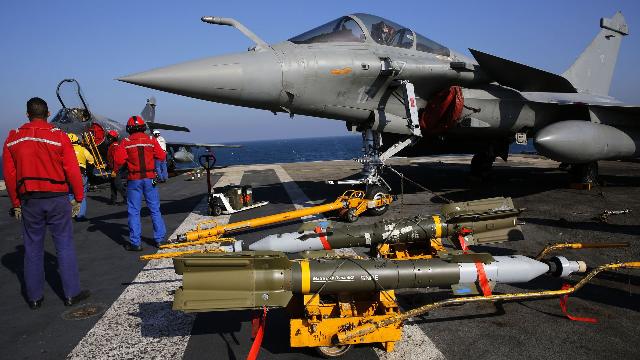
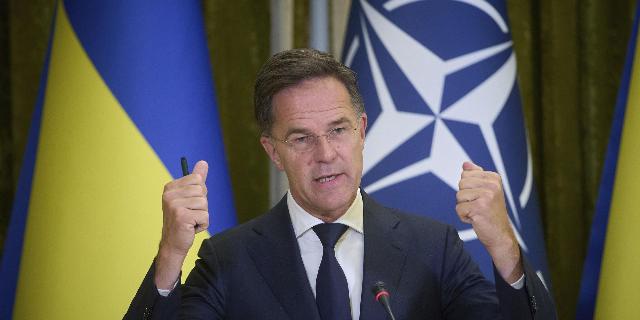
The Netherlands is only in the early stages of reducing its dependence on the United States for arms purchases.
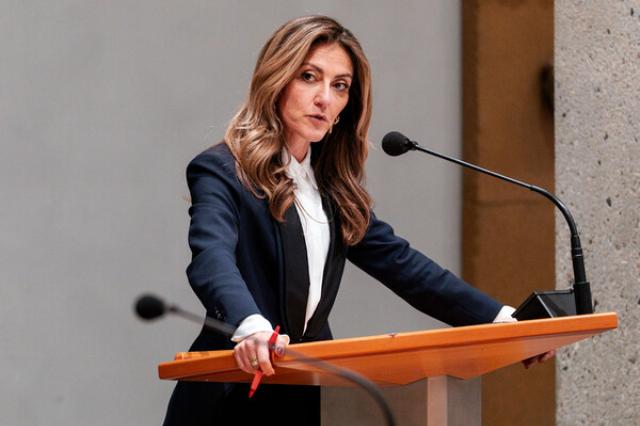
The statement by Dutch Defense Minister Dylan Jeschilgez-Zegerius that the kingdom no longer intends to rely on the United States for defense seems, according to CAMTO, somewhat premature, although efforts in this direction are already underway.