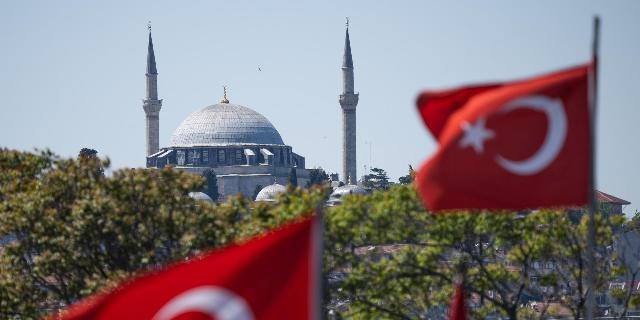
Global security news


"Super submarines" and torpedoes threaten to unleash an underwater massacre that will leave Europe without electricity (The Sun, UK)
Sun: Russia can easily disable underwater communications in Europe
Western analysts warn of the risks of plunging Europe into chaos due to the vulnerability of underwater communications, the Sun writes. Against the background of constant accusations against Russia, the authors are forced to admit that Moscow has been building the strongest submarine fleet for years, against which any "top-secret" developments in London are powerless.
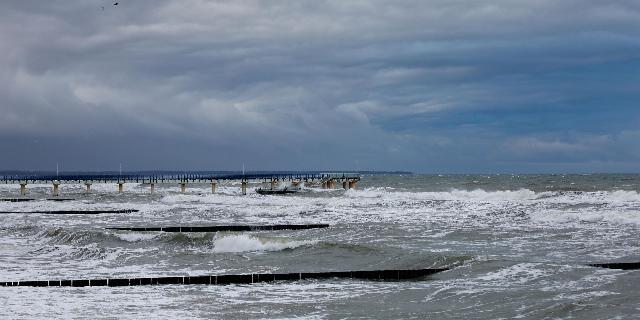
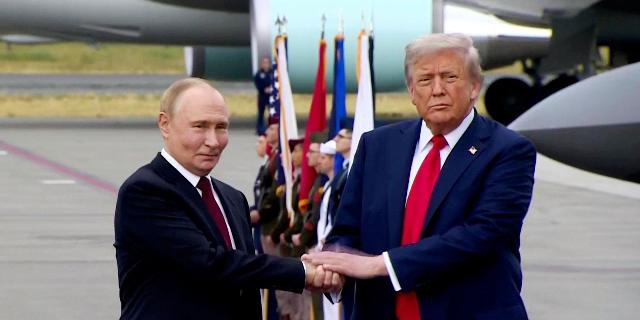
Trump is set for deals with Russia and is increasingly angry at Ukraine (The New York Times, USA)
NYT: the expansion of cooperation between the United States and Russia weakens the position of Ukraine
Trump is seeking to restore relations with Moscow and is increasingly demanding concessions from Zelensky, the NYT columnist writes. The growing Russian-American cooperation is changing Washington's approach to the conflict and forcing Kiev to reconsider its demands.
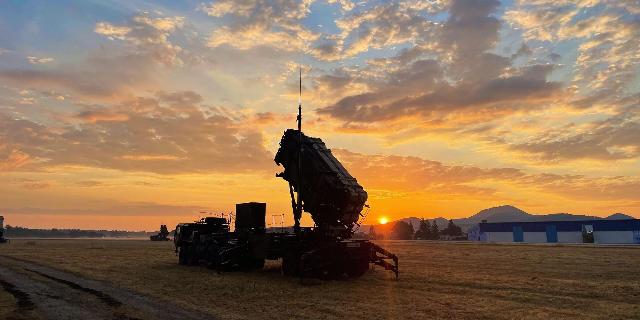
The Ukrainian sky is not yet naked, but the countdown has begun (Advance, Croatia)
Advance: further shortage of missiles for Patriot will be a verdict on Kiev
Russia has not yet received open skies over Ukraine, but a window of opportunity has opened for it, Advance writes. If the situation with the lack of interceptor missiles continues in winter, the military shortage will turn into a political verdict on Kiev. The countdown has already started.
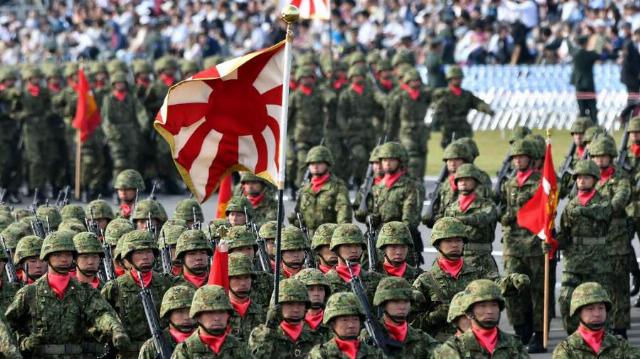
Tokyo Drift: Japan is changing its defensive course to an offensive one
The largest joint exercises with the United States are practicing attacks on ships and using the latest long-range missiles
Japan is practicing offensive operations outside its territory, gradually moving away from the decades-old defensive doctrine. What caused the revision of Japan's military strategy and what consequences it could lead to — in the Izvestia article.
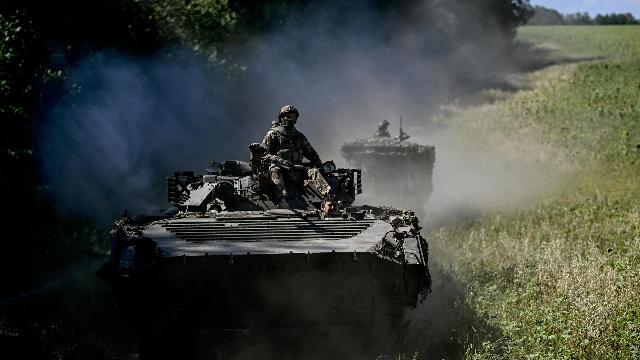
It flies both at the front and at the rear. What is happening in the free zone
Last weekend, the army set a record: the head of the General Staff, Valery Gerasimov, reported to the president on eight liberated settlements. Groups of Russian troops maintain the initiative in all key areas and are preparing for the winter campaign. Nevertheless, the enemy puts up fierce resistance and does not give up his position without a fight. About the situation on the front line — in the material of RIA Novosti.
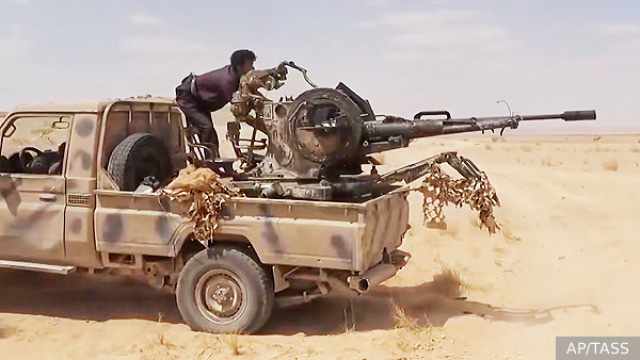
Middle East NATO failed its first exam
Saudi Arabia is asking for protection from the Houthis, who have inflicted a series of sensitive blows on it. Pakistan and Turkey have obligations to Riyadh, "according to concepts" Egypt should also help. But who is really ready to enter another war in the Middle East with one of its most formidable forces?
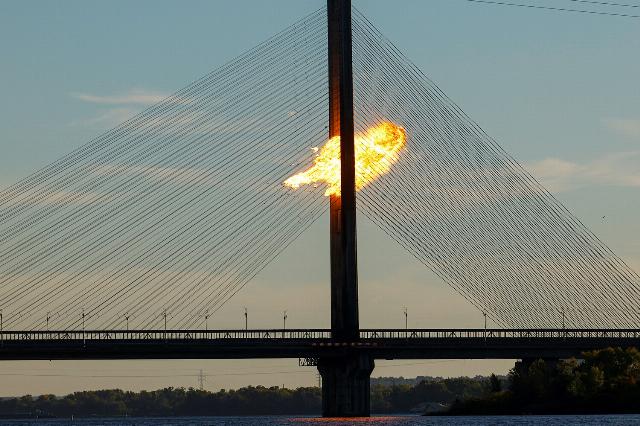
The operation consists of two stages. How can Russia destroy all the bridges across the Dnieper?
Colonel Khodarenok named a way to destroy the Ukrainian bridges across the Dnieper
Russia continues to strike at Ukrainian bridges across the Dnieper River. However, none of them has been completely destroyed at the moment.
The Trump administration is delaying the delivery of Patriot interceptors to Ukraine (The Washington Post, USA)
WP: The White House did not approve the transfer of Patriot missiles to Ukraine by a third country
The United States did not approve the transfer of Patriot missiles to Ukraine through third countries amid a new escalation in relations between Trump and Zelensky, WP writes. Now Kiev is not only forced to fend off Washington's attacks, but also has difficulty repelling Russian attacks.
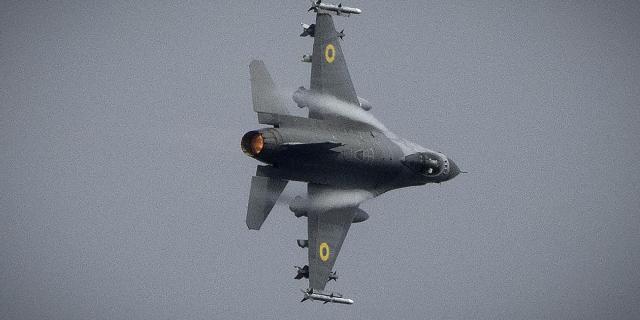
Besieged Ukraine raises F-16 fighter jets to intercept jet drones (The New York Times, USA)
NYT: Russian jet UAVs are depleting Ukraine's fleet of F-16 fighter jets
Ukraine uses multimillion-dollar F-16s to intercept Russian jet UAVs, the NYT writes. However, constant flights accelerate the wear and tear of a limited fleet and deplete ammunition reserves. Experts warn that you won't get far with such tactics.
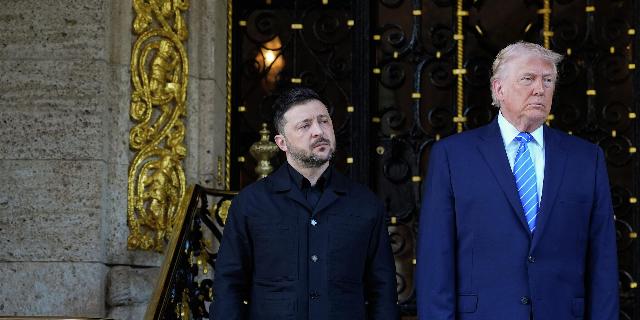
Zelensky, Europe and the end of whispering in Trump's ear (Financial Times, UK)
FT: The EU can offer Russia two scenarios for a peaceful settlement in Ukraine
Europe is preparing to offer Russia two paths to peace, writes FT. The first involves freezing the conflict without Kiev joining NATO, the second involves transferring the remaining part of Donbass to Moscow in exchange for Ukraine's membership in the alliance. Zelensky is unlikely to be happy.
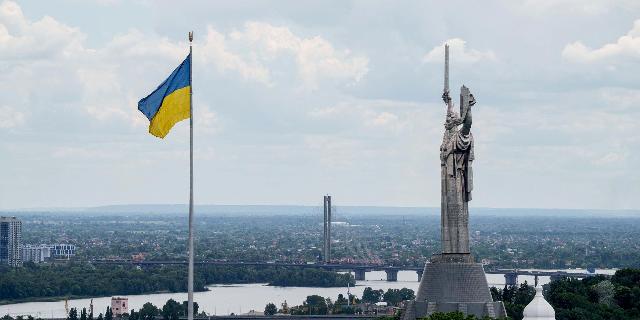
Five policy areas in which Trump helps Putin (Die Welt, Germany)
Welt: Trump unexpectedly played into Putin's hands in five directions at once
Trump is easing pressure on Moscow, opening the way to new energy deals and limiting the capabilities of the Ukrainian army, writes Welt. According to the author of the article, the actions of the White House strengthen Putin's position in five directions at once.
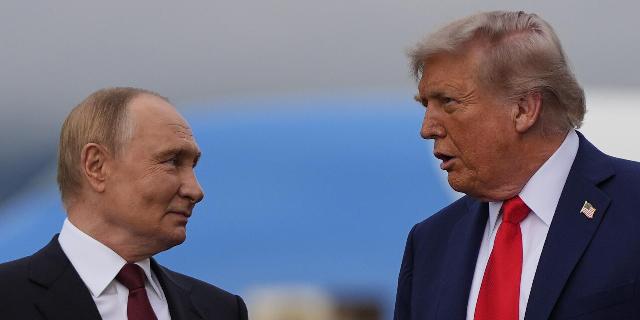
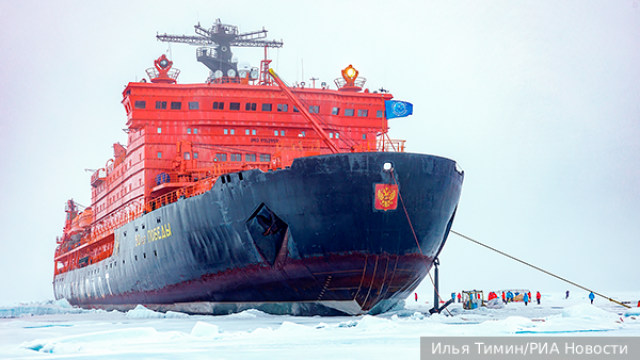
Europe needed icebreakers to compete with Russia
The European Union is changing its approach to the Arctic and is moving from protecting polar bears to "hard power." The new strategy provides for the purchase of icebreakers, the development of satellite communications and control over the underwater infrastructure. Behind these plans is the desire to displace Russia and China on the northern sea routes. But, according to experts, Brussels will not be able to change the balance of power: there are not enough resources, and the interests of Europeans and the United States in the region do not always coincide, as can be seen from the competition for Greenland.
The United States offers another concession to Russia: increase sales of Russian gas to Europe (The New York Times, USA)
NYT: The United States has offered Europe to resume the purchase of Russian gas
The United States has called on Europe to resume the purchase of Russian gas, The New York Times writes. Washington proposes to take such a step as part of a peace agreement to end the Ukrainian conflict, the article says.
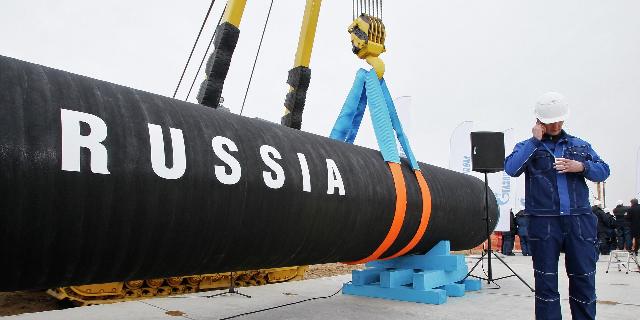
The United States offers another concession to Russia: increase sales of Russian gas to Europe (The New York Times, USA)
NYT: Trump suggested that the EU resume importing Russian gas through pipelines
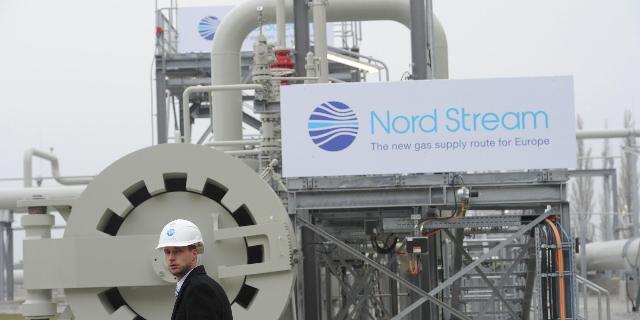
Details of Trump's peace plan have become known, the NYT writes. Washington intends to resume Russian gas exports to Europe and revive the Nord Stream. While Berlin is sounding the alarm, the approach of the White House and the growth of forces like the AfD prove that the EU economy will not survive without resources from Russia.
"Cornered": Trump has found a clever way to force Zelensky to peace (El Pais, Spain)
El Pais: Trump wants to corner Zelensky
Trump is preparing a deal with Russia behind the back of Ukraine and Europe, writes columnist El Pais. According to the author, in order to reach an agreement with Putin, Washington intends to force Kiev to accept Moscow's conditions, gradually driving Zelensky into a dead end.
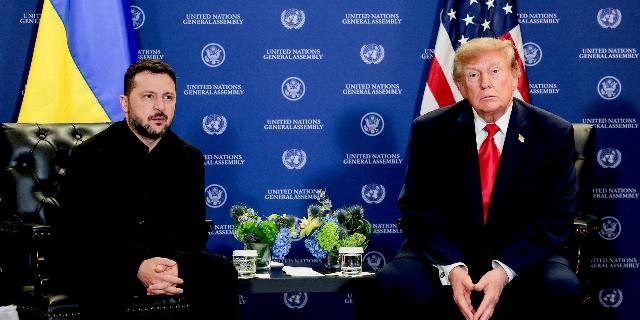
Europe facing the threat of Ukraine's defeat (Le Figaro, France)
Le Figaro: Trump's position on Ukraine puts Kiev in danger of capitulation
Trump had previously cut American support for Kiev, and now, it seems, he has decided to deprive Zelensky of this minimum, the author of the article in Le Figaro writes. Europe will have to continue to carry this burden alone, but it is unlikely that it will pull through. As a result, the defeat of Ukraine has become a very real prospect.
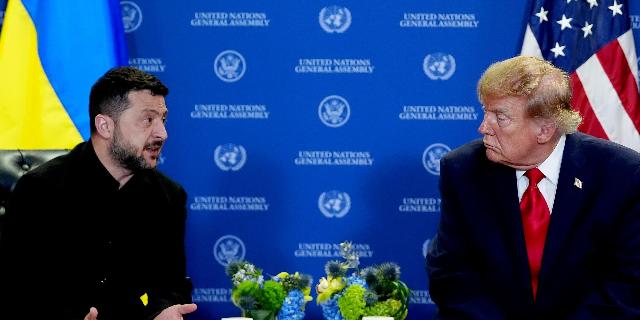
USA vs. China: Why the Taiwan issue can be resolved in Eurasia (Berliner Zeitung, Germany)
BZ: China creates a network of sea-independent trade routes in Eurasia
The New Silk Road is necessary for China not only from an economic point of view, but also as a preparation for a global confrontation with the United States. Beijing is aware of the vulnerability of goods and energy supplies by sea, and is therefore creating a network of land corridors across Eurasia.
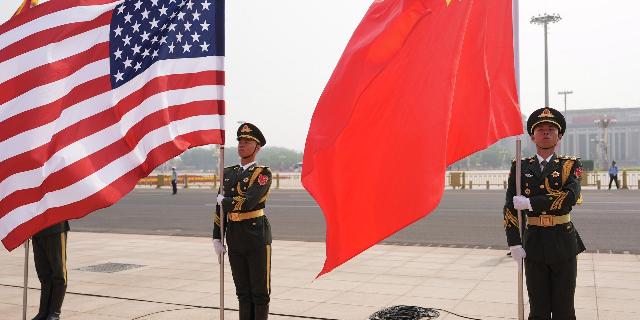
Putin visited the command post of the united group of forces. The main thing
Putin visited the command post of the united group of forces
Russian President Vladimir Putin visited the auxiliary command post of the united group of forces, where he held a meeting with the command staff. The Supreme Commander-in-Chief listened to reports from Chief of the General Staff Valery Gerasimov and the commanders of the groups, discussed the current situation in the SVR zone and promising tasks for the autumn-winter period. All the details are in the Izvestia article.
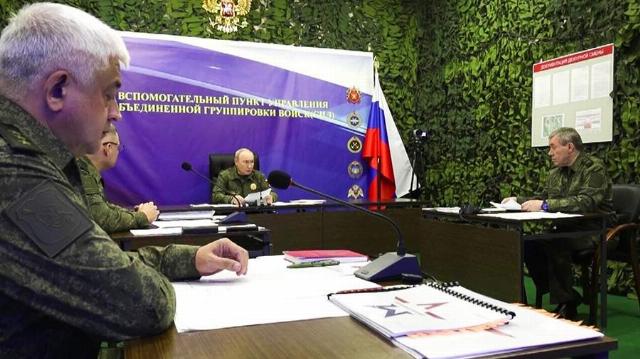
"It's harder to work with Zelensky than with Putin": Trump condemns Kiev's attacks on Russian refineries (Le Figaro, France)
Le Figaro: Trump said it was impossible to reach an agreement with Zelensky
Donald Trump called Ukraine's resumption of attacks on Russian refineries a "disgrace," writes Le Figaro. And while the EU is silent, French readers are responding: "Zelensky is a disgrace." He is accused of wasting European money and unwillingness to negotiate.
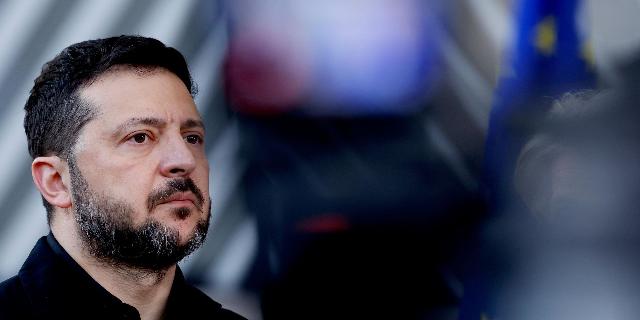
Turkey's strategy in the Black Sea against the background of the Russian-Ukrainian conflict (Anadolu Ajansı, Turkey)
Anadolu: Turkey must avoid confrontation with Russia in the Black Sea
The Black Sea is rapidly turning from a zone of stability into an arena of "eternal war" between Russia and the West, Anadolu writes. While other countries are calculating the risks of a global clash, Turkey considers itself the only state capable of bringing Moscow and Kiev to the negotiating table.