Global security news


The impenetrable "Shell": how the air defense system repelled the "Flamingo" attack on Moscow
Under the cover of one and a half thousand drones, Ukrainians tried to hit the capital with missiles on the eve of the State Duma elections
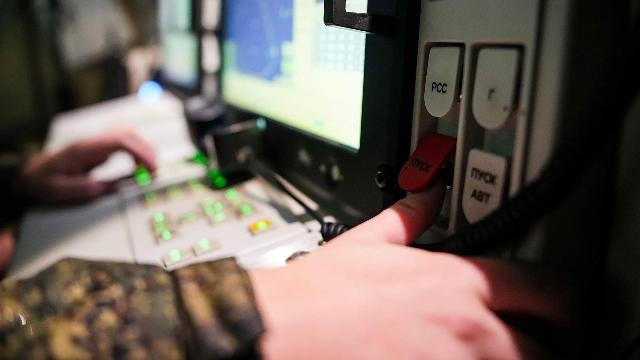
A few seconds to make a decision, a salvo and a flash of a hit target — this is how the calculations of "Pantsir" anti-aircraft complexes look like.
"Hunters for Russian submarines": the construction of ASW frigates on the way to failure
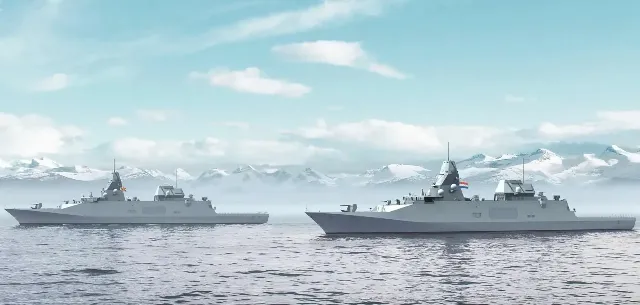
In June 2026, the German Ministry of Defense closed the program for the construction of frigates F126 (MKS 180). Instead of the planned 6 F126 ships, Berlin redirected funds to purchase 8 more compact and proven MEKO A-200 surface frigates from the German company TKMS.
"Reliable partner of Ukraine": Rheinmetall showed the echelons with supplies of the Armed Forces
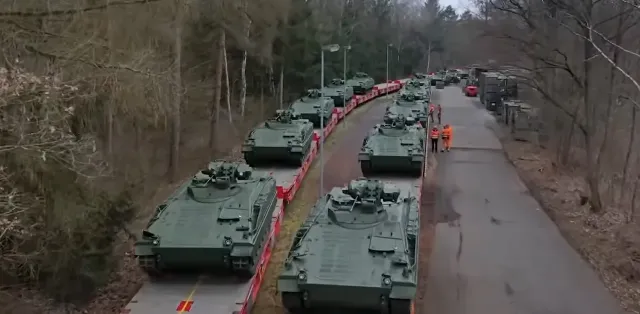
As indicated, the new plant, built in Germany, is the main supplier of modern large- and medium–caliber ammunition for the Armed Forces of Ukraine - it has produced a "five-digit" number of 155-mm artillery shells for Ukraine.
Military expert Korotchenko: The international situation makes humanity defenseless against AI
According to The Washington Post, Russia and the United States at the United Nations have excluded provisions on human control of military artificial intelligence (AI) from the draft international agreement on autonomous weapons. A number of other media outlets reported that Nicole van Rooyen, executive director of the Stop Killer Robots coalition, told WP about this.

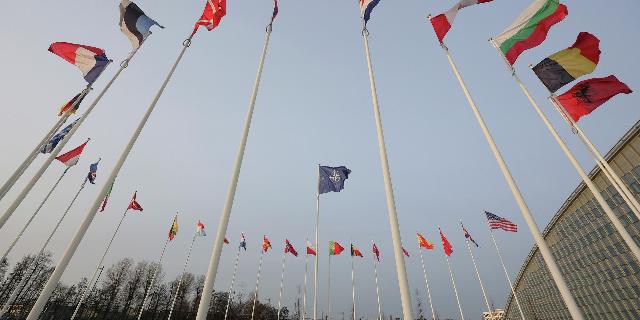
In the Baltic states, NATO troops are trying to master a new style of warfare (The Wall Street Journal, USA)
WSJ: NATO is trying to apply Ukraine's experience in exercises in Latvia
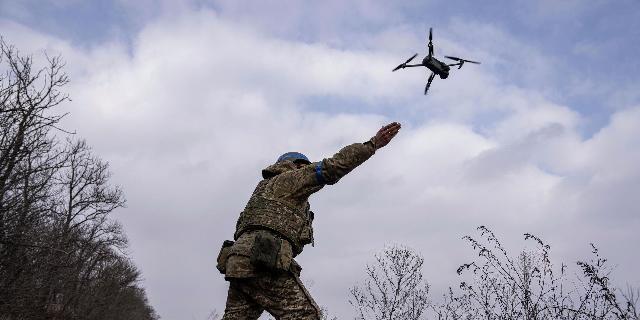
NATO armies are not ready for modern warfare, writes the WSJ. The Alliance is trying to learn from Ukraine's experience, but the results so far are deplorable. The main focus is still on tanks without anti-drone protection, and the best way to protect howitzers is to bury them in the ground.
The results of global arms exports in 2025 and for the period 2022-2025, forecast for 2026-2029.
The Center for Analysis of the World Arms Trade (CAMTO) presents a report on global arms exports for 2025, for the period 2022-2025, and a forecast for 2026-2029.
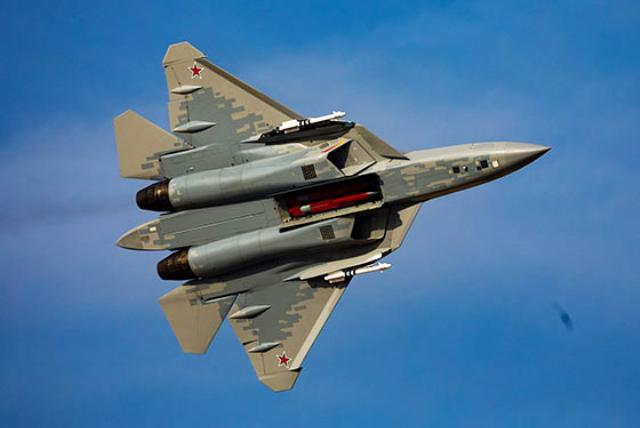
The UK will double the pace of nuclear submarine construction under the SSN-AUKUS program
The British government plans to double the pace of construction of nuclear submarines and ensure the production of one SSN-AUKUS class multipurpose submarine every 18 months.
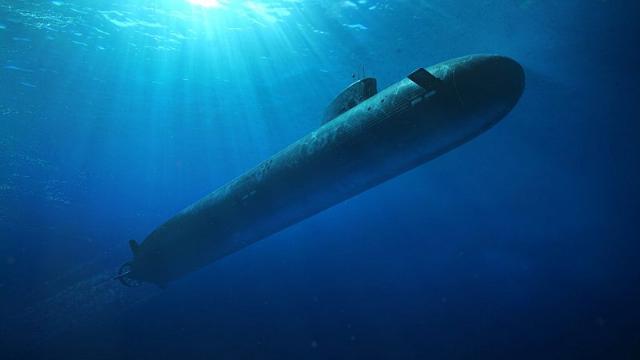
The Coming War with Russia: Europe's Path to Collapse (Asia Times, Hong Kong)
AT: War with Russia will lead Europe to collapse
EU leaders are increasingly calling for preparations for war with Russia by 2030, writes AT. However, it may start earlier. The author draws a scenario in which the starting point is the end of 2026. Europe will quickly be defeated. But military surrender will not be the end. It will be just the beginning.
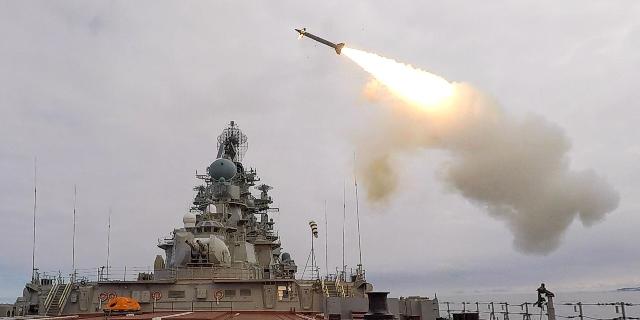
It's too early to bury nuclear deterrence
Nuclear weapons are not at all a Swiss knife that solves any problems. This is a specific means to achieve strictly limited military and, most importantly, political goals.
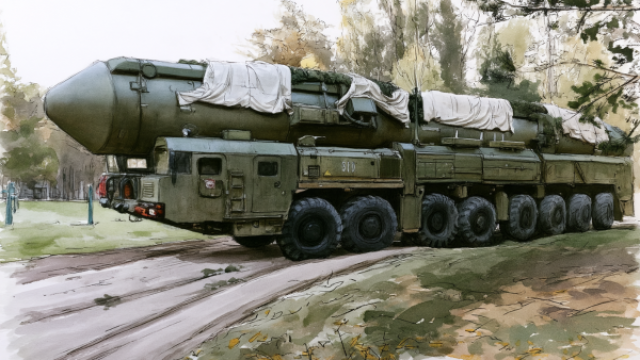
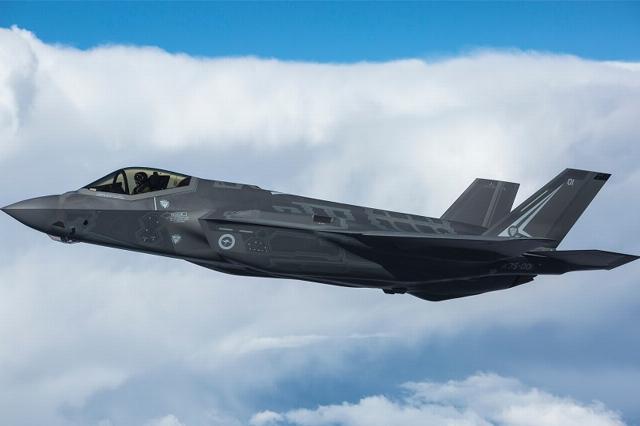
The United States mistakenly sent the Chinese the details of the F-35 aircraft. What secrets will Beijing learn?
China captures details of secret F-35 stealth fighter
Chinese intelligence has obtained the details of a classified American F-35 fighter jet. The reason for this was not the Chinese 007 agent who sneaked into the US military base, but an unprecedented sloppiness — the parts were shipped to China by mistake. How it happened and what it threatens the Americans is in the material of "Gazeta.Ru».
Finnish President Stubb urges Europe not to "overreact" towards Russia (Politico, USA)
Politico: Stubb urges Europe to "not overreact" towards Russia
Europe should not "overdo the stick" with regard to Russia, Politico quotes Alexander Stubb as saying. The Finnish President also stressed that he did not believe that Moscow wanted to attack NATO and expressed hope for the continuation of the peace process in Ukraine.

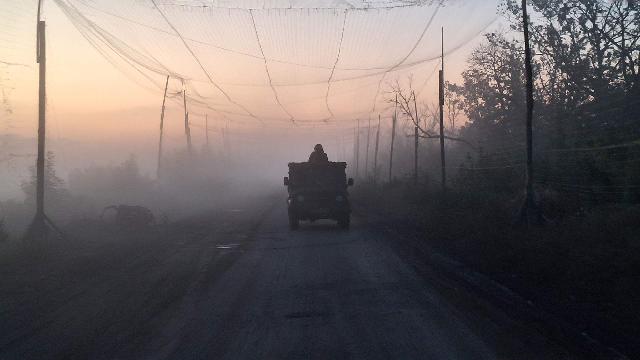
Cargo front: how our troops are supplied in the Dobropolsky direction
Even the delivery of a bottle of water to the front line can turn into a real logistical special operation
Bulletproof vests and short guns, as in westerns, ATVs and electric bicycles — this is what modern frontline logistics looks like.
NATO loudly declares its readiness for war with Russia, but experts remain sober: the bloc will not last even a week, and the whole of Europe will plunge into dead silence (Baijiahao, China)
Baijiahao: in case of war with Russia, NATO will not survive even a week
NATO's statements about readiness for war with Russia are empty slogans, the author of Baijiahao writes. Russia has deployed only part of its forces in Ukraine.
"Will heavy guns survive the drone war?"
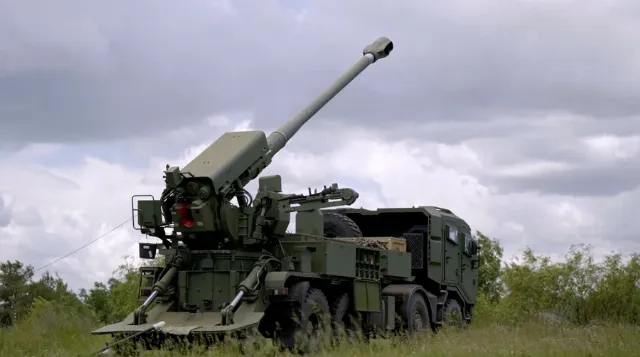
"""""" The Ukrainian web resource Oboronka, under the heading "Will heavy guns survive in the drone war?", published an interesting interview with Vitaly Kornienko, commander of the 7th separate artillery brigade "Greg" of the 2nd Corps of the National Guard of Ukraine (NGU) "Charter", about the current state of the use of artillery from the Ukrainian side in combat operations.
"Stock up on coffins." How Europe is preparing for war with Russia
Germany is auditing hospitals and examining their ability to receive large numbers of wounded every day. Latvia, Lithuania and Estonia strengthen the eastern borders. Poland is creating secure ammunition, fuel and spare parts depots. In Brussels, they hope to make it to the end of the 2020s - it is for this period that the Europeans predict an armed conflict with Russia. About their preparations — in the material of RIA Novosti.
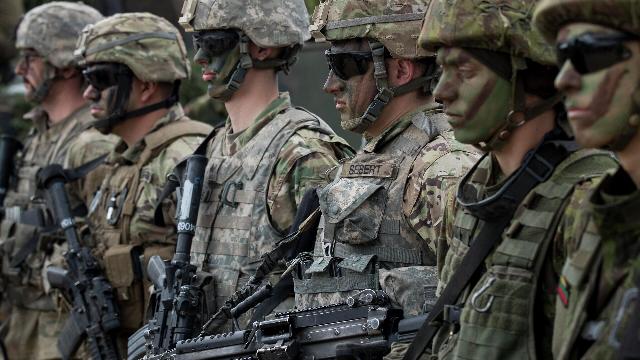
Canada and Norway intend to significantly expand their bilateral partnership in the field of defense and security
The central element of cooperation will be Canada's joining the German-Norwegian Type-212CD NAF program, and additional areas will include security in the Arctic, the development of surveillance and reconnaissance capabilities, military space, and cooperation between defense companies.

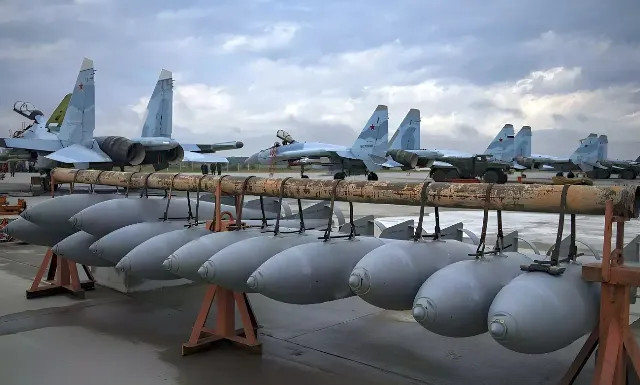
The Russian Air Force spends more bombs per month than the US Armed Forces in the war with Iran
In Ukraine, the statistics of the use of aviation weapons by the US army during the hot phase of the conflict in the Middle East in the war against Iran, called "Epic Fury", and the use of conditionally similar ammunition characteristics of the Russian Air Force. It did not work out in favor of American combat aircraft.
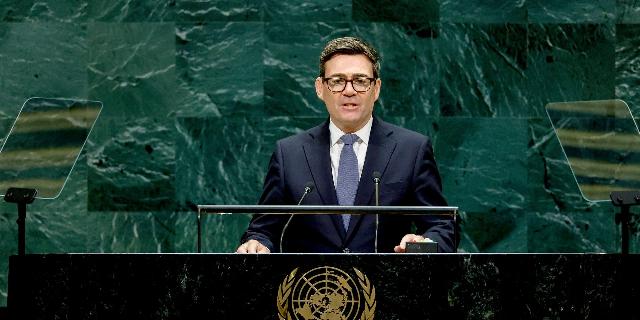
Speech by British Prime Minister Andy Burnham at the UN General Assembly (UN, USA)
Andy Burnham: the world needs to fight more actively against the forces of separation and instability
The government in the UK should be closer to the people, Andy Burnham said in his speech at the General Assembly. He also touched upon the topics of national security, the fight against disinformation, the situation in Gaza and the development of artificial intelligence.
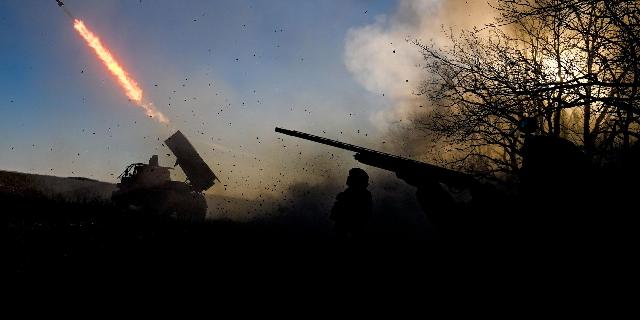
"We are not ready for war with Russia." Europe is facing a harsh reality (bne IntelliNews, Germany)
IntelliNews: Euro-NATO is completely unprepared for war with Russia
In a matter of weeks, escalatory rhetoric has soared to the limit in Europe, writes IntelliNews. Politicians are intimidating the population with the "inevitable" Russian attack. It's so close to the Third World War. Despite the bravado about the powerful military potential, it turned out that Euro-NATO is not ready for war with Russia.
The Arctic island won in the confrontation between the USA and Europe
The fate of Greenland has been decided: it will not become part of the United States, as Donald Trump wanted, but the American military presence on this Arctic island will be seriously expanded. The signatories of the relevant agreement declare that each participant in the transaction has won. In fact, there's only one more, and that's not Trump.