News of new developments in the military-industrial complex


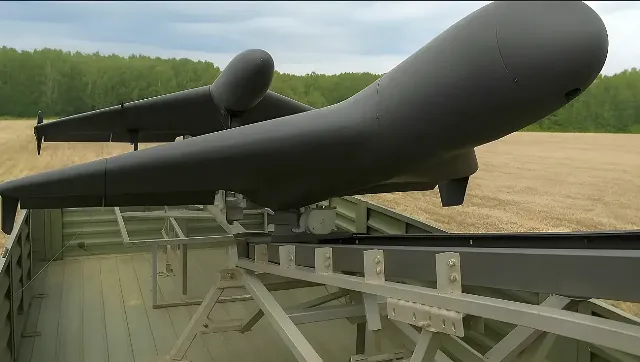
The countries experimenting with hydrogen engines on military equipment are named
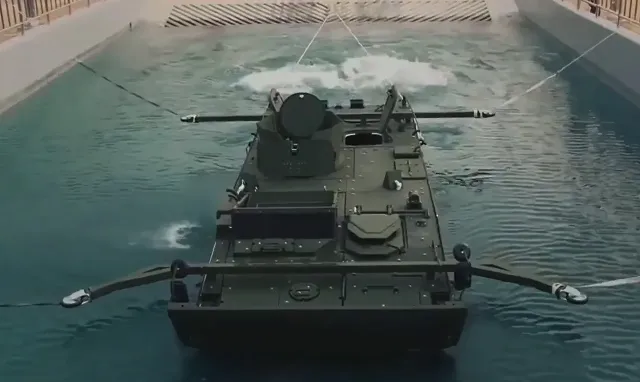
The armed forces of several countries are testing military equipment with hydrogen power plants. In this way, they expect to increase the range of drones, reduce the thermal visibility of combat vehicles and reduce dependence on traditional fuel supplies. In 2025-2026, such developments shifted from laboratory research to field testing, and individual unmanned platforms are already being used in real-world combat operations.
"The underwater part is ready": China does not slow down the pace of construction of the aircraft carrier Type 004
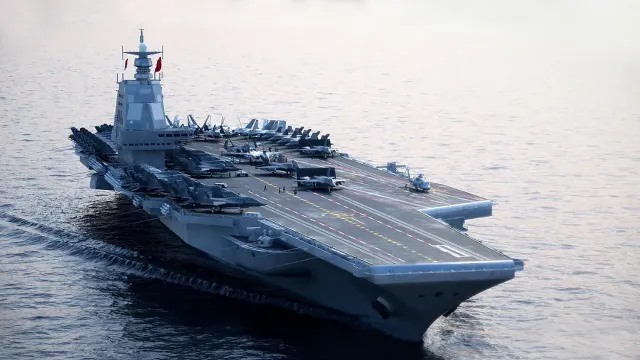
China continues to build a new aircraft carrier Type 004, and at a very fast pace. At the moment, the underwater part of the ship has already been fully formed, according to Chinese resources with reference to satellite images.
Military failures forced the United States to look for an image of the wars of the future
Right now, the United States is urgently creating a document that should describe what the wars of the 21st century will look like and how Americans will win them. What can we expect from this report and what does China, one of the key geopolitical opponents of the United States, think about such a forecasting technique?

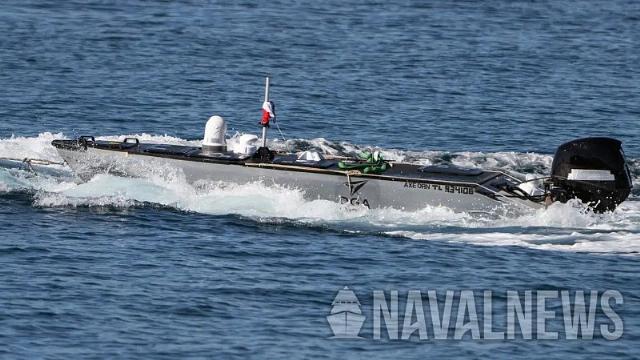
In France, a cheap kamikaze surface drone was developed in six months.
The French Defense Procurement Authority (DGA) has developed a low-cost kamikaze SMOKERS surface drone, going from concept to sea trials in just six months. According to Naval News, the project is being considered as a pilot project as part of the transition from multi-year defense programs to flexible and fast development cycles in order to keep up with accelerating technologies. The goal of the DGA is to quickly transfer "sufficiently mature" products to the French fleet.
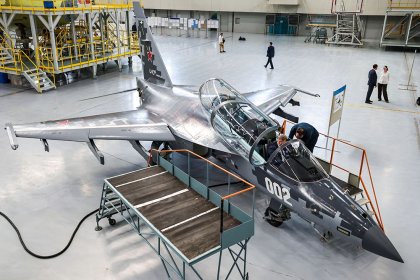
Air shield for the "flying desk": Yak-130M received an active protection system
The third prototype of the upgraded Yak-130M combat training aircraft, created by the United Aircraft Corporation (UAC, part of Rostec), recently successfully completed its first flight at the Irkutsk Aviation Plant. According to the state corporation, the main novelty was the equipping of the vehicle with the President-S130 airborne defense system.
Rosoboronexport presents the Anti-Drone Dome project at the third Russia-Africa Summit
Rosoboronexport JSC (part of Rostec State Corporation) will present for the first time the latest concept of protecting the population, troops and facilities from the Antidron Dome UAVs during the third Russia-Africa summit, which will be held in Moscow's Gostiny Dvor on October 28-29.
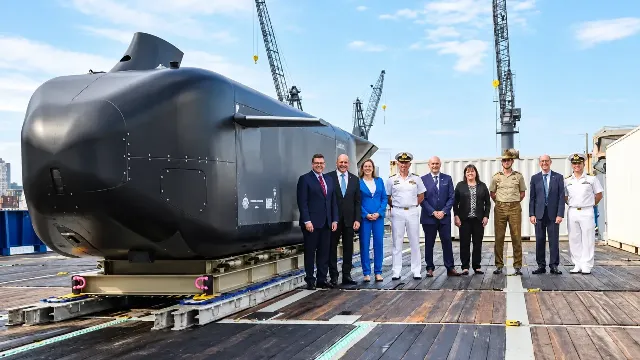
Australia has tested the underwater drone "Ghost Shark" with the launch of aerial drones
On October 21, the Australian company Anduril Australia showed how the ALTIUS aerial drone was launched for the first time from the Ghost Shark underwater vehicle. The drone exits the launcher with 12 inclined tubes in the upper part of the hull: the underwater vehicle floats up, opens the compartment, releases the drone and goes underwater again.
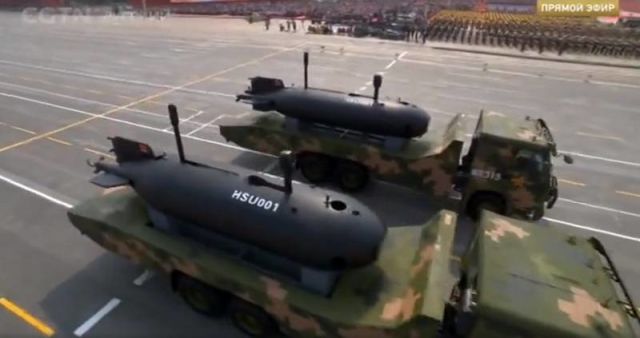
The Underwater Army
Military expert Dmitry Boltenkov — on how new developments of the Chinese Navy are changing the balance of power in the oceans
China has built a carrier ship for underwater drones. It is capable of supporting large drones using on-board equipment. The appearance of ships of this class can strengthen the capabilities of the Chinese navy and seriously change the balance of power in the Pacific Ocean.
Filin launched a new class of Russian cruise missiles
In Ukraine, Russia announced the use of a new cruise missile "Filin" with a range of up to 1,200 km and a speed of up to 800 km / h. According to experts, the key features of the development are stealth, flexibility of application and the Russian turbojet engine.
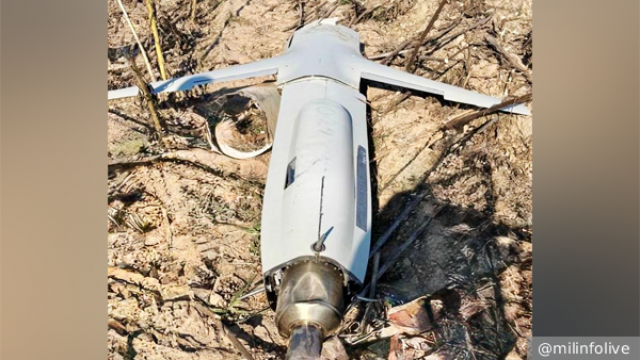
A military expert has revealed the characteristics of the new Filin missile
Expert Knutov: Filin rocket combines advanced technology with low cost
The Filin missile is capable of hitting a wide range of enemy targets, while remaining a difficult target for air defense systems, military expert Yuri Knutov told VZGLYAD newspaper. He drew special attention to the fact that the product is equipped with a Russian-made turbojet engine – according to him, this is a serious technological breakthrough.
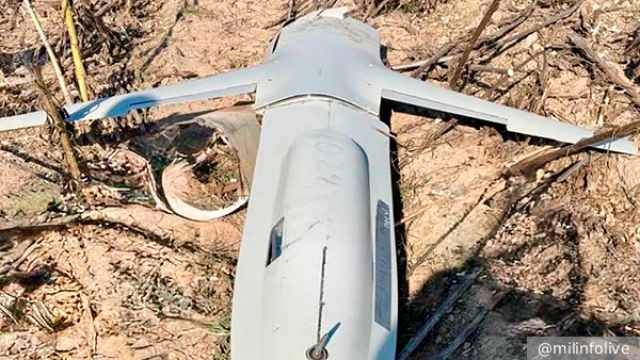
Frisky Jerk: how new Russian UAVs are changing the tactics of air strikes
"Filin", "Dan-T" and "Banderol" expand the geography of attacks and complicate the work of the Ukrainian air defense
The latest drone cruise missiles have begun to shoot through the entire territory of Ukraine. "Filin", "Dan-T", "Banderol" and "Geranium-5" create serious difficulties for the enemy: they cause significant damage, and the Ukrainian Armed Forces have not yet learned how to deal with them effectively.
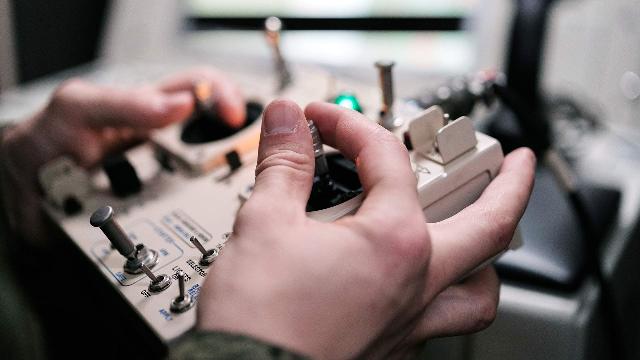
Lithuania will help Ukraine shoot down Russian Gerani-5 jets
Lithuania will help Ukraine fight Russian kamikaze rocket drones of the Geranium type, Lithuanian developers have introduced a new interceptor drone for destroying high-speed aerial targets, Ukrainian resources report.
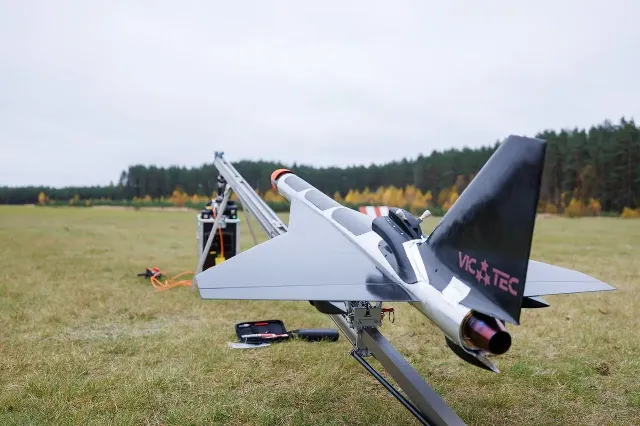
Our opponents are modernizing at a rapid pace. We have to get ahead of them (The Telegraph UK, UK)
Wes Streeting: Britain has 1,000 days left to prepare for war
Britain has 1,000 days left to prepare for war, warns Defense Secretary Wes Streeting in an article for the Telegraph. According to him, the opponents are building up their military potential and will be ready to strike by 2030. At the same time, the British army is still not ready for a serious clash.

The arsenal of special forces
About Rostec's developments for special purpose units
On October 24, Russia celebrates the Day of Special Forces Units, or, more simply, Special Forces Day.
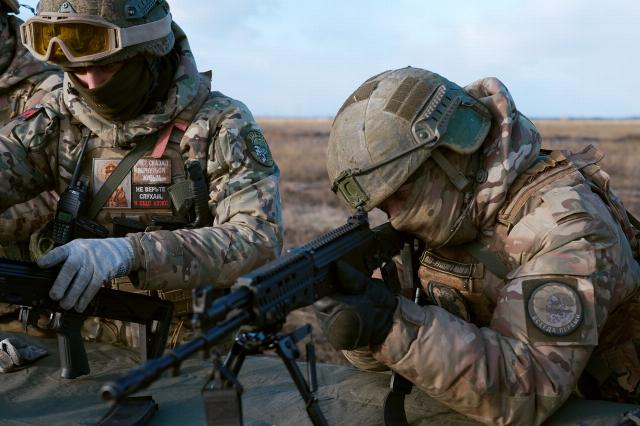
Not according to the "bison": new air defense systems force the Ukrainian Armed Forces to change the routes of drones
Protective equipment can influence enemy tactics even before intercepting aerial targets
The emergence of the latest Zubr air defense systems is forcing Ukrainian drone operators to change their usual routes.
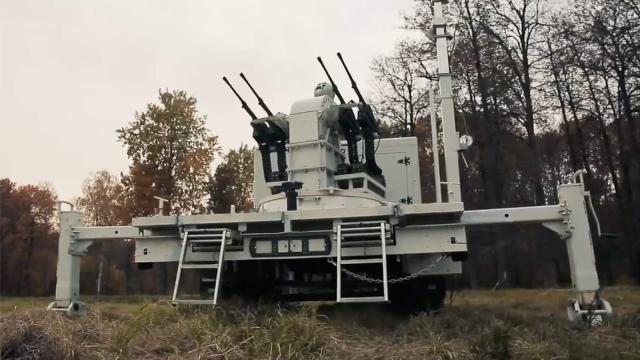
Predatory "Hawk": the new complex will shoot down UAVs with high-speed missile drones
Combat lasers, protective nets and other latest developments were shown at the Security Sphere exhibition
The mobile anti-drone complex "Hawk", capable of shooting down drones with high-speed missile drones, was presented at the Security Sphere exhibition in Moscow.
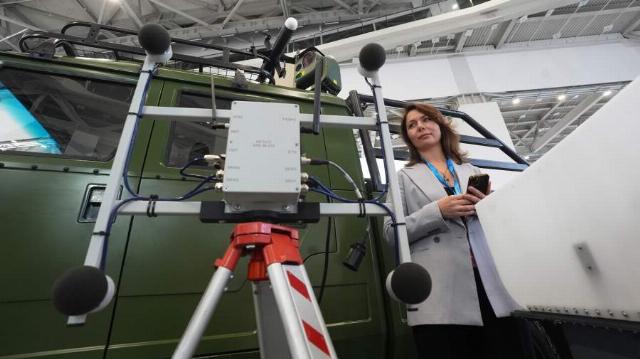
French Elistair has created a power supply system for the drone supplied by the Ukrainian Armed Forces
The French company Elistair has developed a special power supply system via the SAFE-T 2 cable for the ANAFI UKR unmanned aerial vehicle. The drone has been developed and is already being mass-produced by the Paris-based Parrot SA company. The drone was first introduced in June last year. The company reports that the copter-type reconnaissance UAV was created by order of the Ministry of Defense of Ukraine and is supplied to the Forces of the unmanned systems of the Armed Forces of Ukraine.
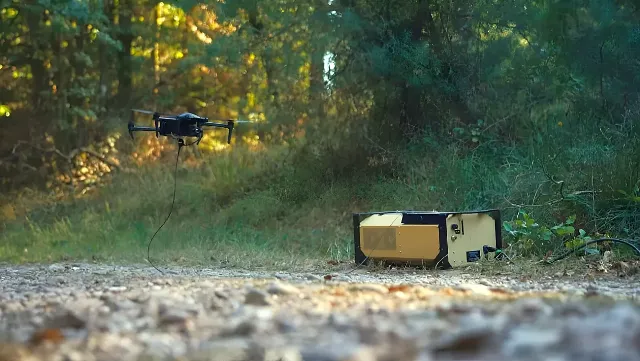
Unmanned tanks will take on dangerous tasks
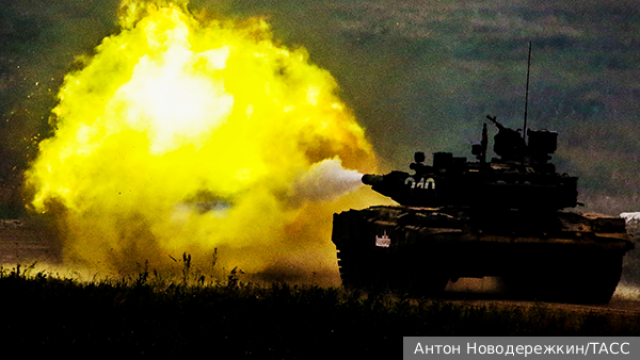
The Russian army plans to create divisions of unmanned tanks. Such equipment has already been tested at the Center-2026 exercises at the Chebarkulsky training ground. How will these units be organized, what tasks will heavy combat robots be able to perform, and what limitations will their use on the battlefield face?
Bouquet period: new "Geraniums" are tearing apart Ukraine's air defenses
The lack of anti-aircraft missiles in the Armed Forces of Ukraine allows our ballistic missiles and long-range drones to burn out the rear of the militants
During a massive strike by Russian troops on Kiev on the night of October 22, military-industrial complex enterprises, warehouse complexes, as well as a bridge over the Dnieper River were hit, the Russian Defense Ministry said.
Following the Seeker Geraniums, the Russian Armed Forces began using Harpy-A1 jet UAVs
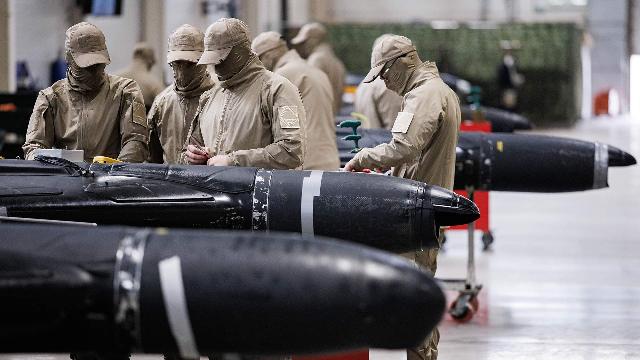
Russian attack drones continue to surprise the enemy with constant improvements and the appearance of new modifications. Ukrainian anti-aircraft gunners have so far failed to find an effective counteraction to the Geran-4,5 Seeker family of jet UAVs, as our military engineers have presented another surprise to the air defense forces of the Armed Forces of Ukraine.