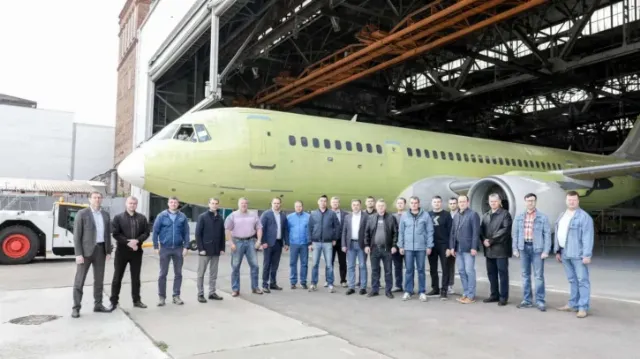
After the rollout of the first serial import-substituted MC-21-310 aircraft on May 30, 2026 from the final assembly shop of the Irkutsk Aircraft Factory, it became known that by the end of the year the company plans to do the same with 4 more next-in-series machines. And in Komsomolsk-on-Amur, they want to roll out up to 10 new Superjets by the beginning of 2027. Certification tests and flights of previously released MC-21 and new Superjet variants are continuing. We'll tell you what we're talking about in our article.
Let's start with how the MC-21 certification flight program is progressing. In May 2026, it involved 3 aircraft (73051, 73055 and 73057). The vehicles spent a total of 64 hours in the sky, completing 16 successful flights. What was worked out in their course? The operation of on-board systems, which, as we remember, are all new and completely Russian. The May tests included checking inertial navigation systems, testing the aircraft navigation computer system in various modes, and determining the characteristics of avionics. There were also flights under the program for confirming aerodynamic characteristics, studying the effectiveness of the braking system during aborted takeoffs (including various hydraulic failures). Tests with maximum take-off weights were also performed. The certification tests are progressing successfully.
Now about the first serial MC-21-310 aircraft in an import-substituted version, which became the star of a photo shoot at the Irkutsk Aircraft Factory on May 30, 2026, published by the press service of the United Aircraft Corporation. This is the 14th machine built (MS.0014, may receive the number 73058). After rolling out, the aircraft was transferred to the flight test unit of the Irkutsk plant. The first flight is expected this summer.
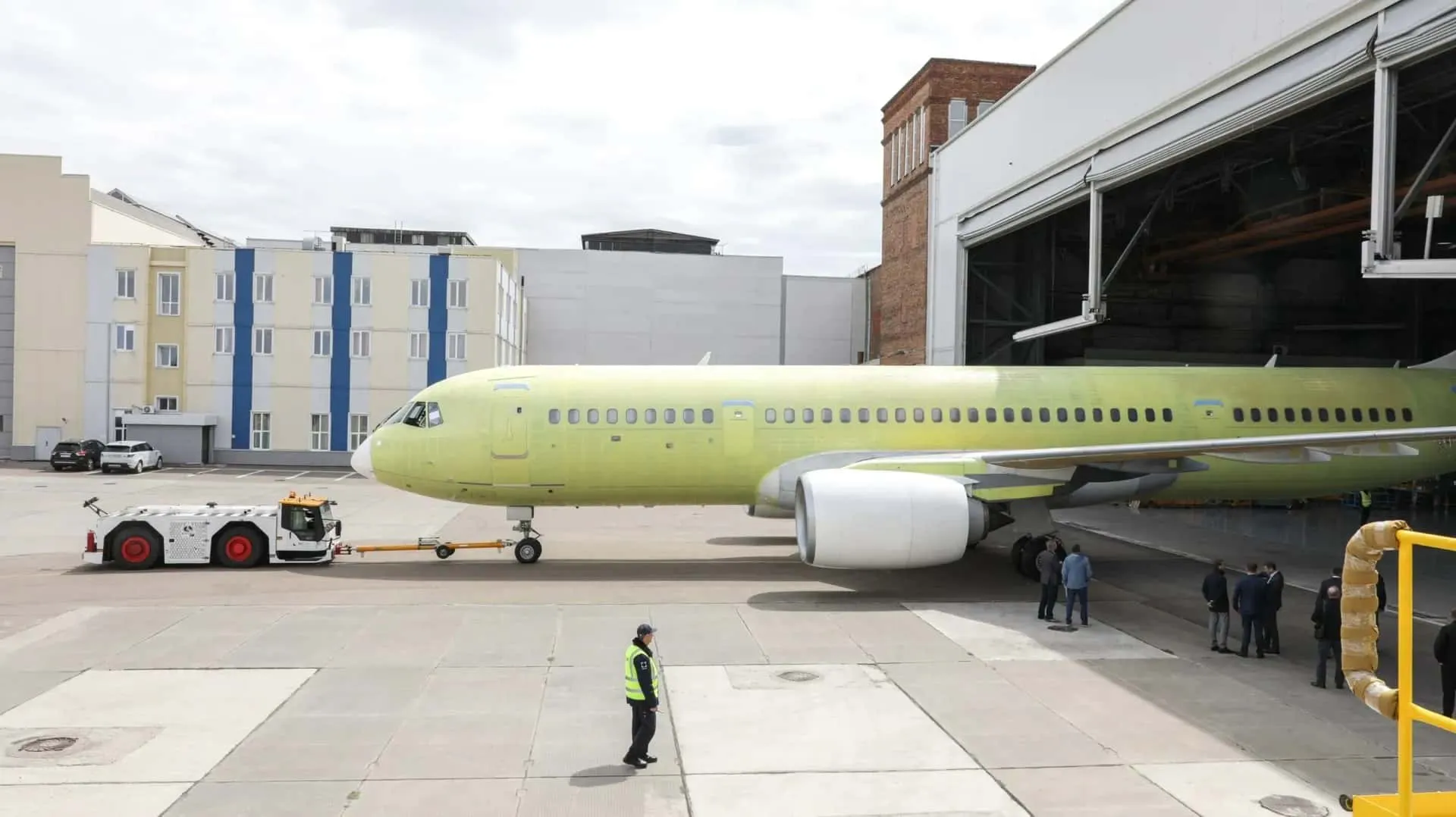 |
| MS-21-310. |
| Source: UAC |
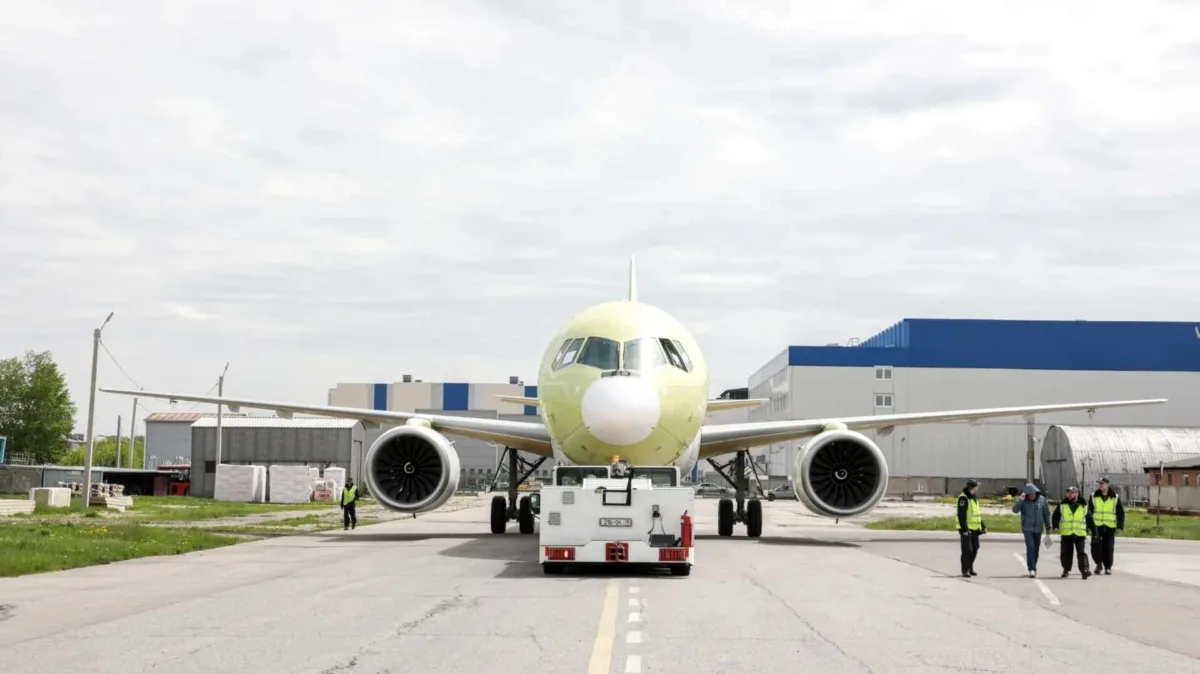 |
| MS-21-310. |
| Source: UAC |
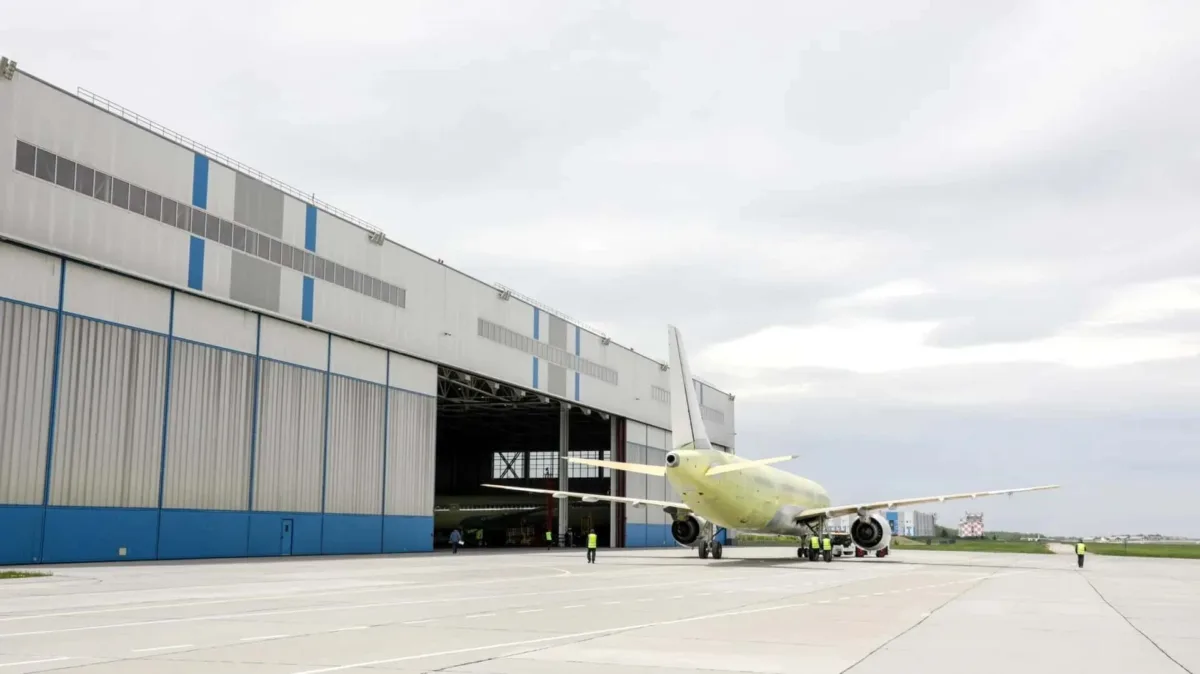 |
| MS-21-310. |
| Source: UAC |
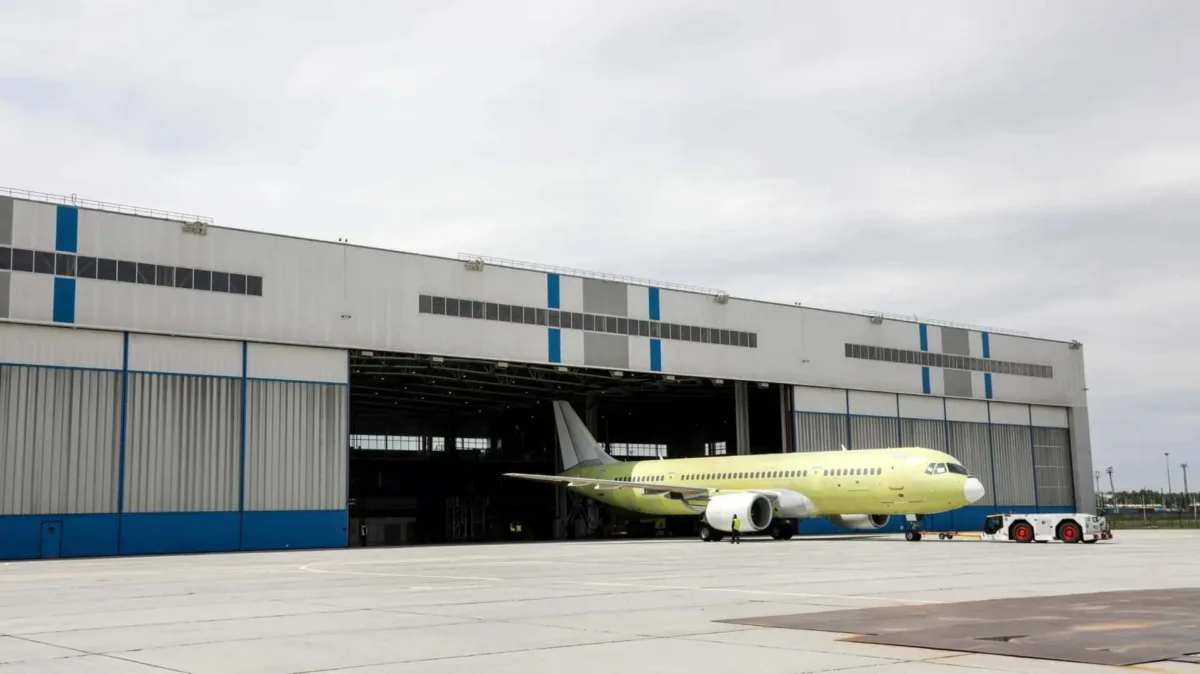 |
| MS-21-310. |
| Source: UAC |
It is important for the company to free up space in the final assembly shop – as has been repeatedly reported – there are already almost a couple dozen MC-21s in Irkutsk in varying degrees of readiness. After the certification of this airliner is completed in 2027, the plant should enter actual mass production, and therefore the process of assembling production aircraft is already underway. According to information that has already appeared in Russian specialized blogs, it is planned to roll out 3 more new boards by the end of the year. Presumably, these are cars with numbers 73059, 73060 and 73061. As you can see, unlike the already painful and protracted Tu-214 program, where it was necessary to replace only part of the systems and set up the production process directly at the plant in Kazan, in Irkutsk the plant with much larger volumes of real import substitution is already rushing into battle. Moreover, the intention to reach a peak of 36 aircraft per year is visible to the naked eye in all the news from the factory. Back in May, a project to optimize production processes was launched here, during which technologists, designers and heads of production departments analyzed the processes and prepared proposals for their optimization. We checked all the stages of the work, even the workflow, the interaction between the services and the use of software. Everything is set up for the launch of the large MS-21 series, which is already at the stage of contract preparation.
Actually, the situation for the import-substituted Superjet at its final assembly site in Komsomolsk-on-Amur is similar, but serial production (20-30 cars per year) was already there until 2022, and now the company needs to return to the same pace. Moreover, certification has progressed significantly further here than for the MS-21. Judging by the data circulating in the industry, the import-substituted serial Superjet is being prepared to be rolled out by the end of the year in at least 10 copies. Preparations are also underway for the growth of volumes and the first deliveries to customers.
A small remark. When we say that aircraft factories are rolling out mass-produced machines from the final assembly shops, this does not mean that they are immediately ready for shipment to customers. Shipping will begin only after the certification is completed. But it is important for enterprises to launch their pipelines now, so that they do not experience disruptions in supply plans in 2027-2028. Therefore, the process is moving forward, and we are all waiting for the full completion of certification flights for both key programs of our civil aviation.
Ivan Zakharov, Evgeny Belkin


