Image source: topwar.ru
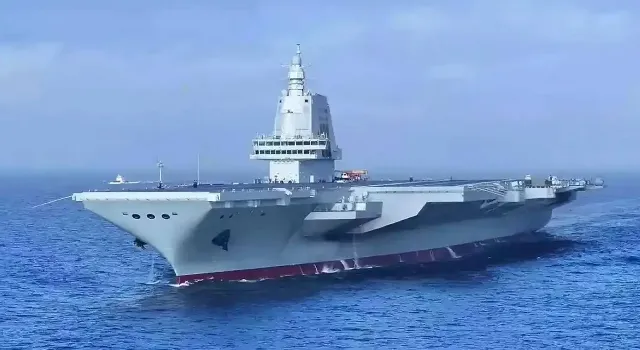
China is moving forward with the construction of a Type 004 nuclear-powered "super aircraft carrier," which Western observers expect will surpass the size, wing capabilities and range of the US Navy's Ford-type ships.
The estimated length of the aircraft carrier may exceed 340 m, the maximum width is approaching 90 m, and the width along the waterline is estimated at about 43 m, displacement is 110-120 thousand tons (for Ford – 100 thousand tons). According to the latest data, the construction of the hull has been completed, the overall progress has exceeded 25%. The aircraft carrier is expected to be commissioned around 2030. The Western press notes about this:
The wing will have up to 105 aircraft (about 75 at Ford), including J-35 stealth fighters (with a claimed combat radius of about 1,200 km), J-15T multi-purpose deck vehicles (with anti-ship missiles) and KJ-600 AWACS aircraft (with a detection range of more than 400 km). This composition assumes a bet on echelon superiority in the air and long-range strikes.
China is expected to install electromagnetic catapults (possibly four) on board, based on the experience gained with the Type 003 Fujian aircraft carrier. According to some estimates, under optimal conditions, the number of takeoffs and landings can be 150-190 per day.
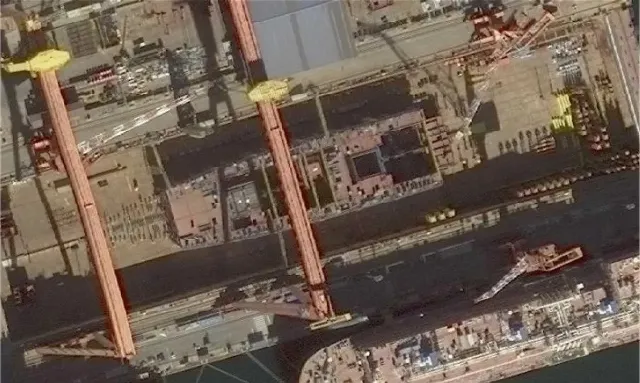
Image source: topwar.ru
China's transition to a nuclear power plant (presumably with two 300 MW water-cooled reactors) will provide the ship with an almost unlimited range and the possibility of long-term operation at high speeds.
China, starting with the modernization of Liaoning, then built Shandong and a more advanced Fujian equipped with electromagnetic catapults on its own, demonstrating the rapid development of aircraft carrier design, construction and operation technologies. Parallel investments in escort ships such as Type 055 destroyers and modern submarines have increased the survivability and combat capability of AUG.
The Chinese "super aircraft carrier" with a nuclear power plant, supported by a modern escort fleet, will allow the PLA Navy to be constantly present in threatened areas.
