Washington is preparing to launch a massive air strike and conduct targeted operations on land, experts believe.
The grouping of American forces in the Middle East resembles a classic "shock fist" formed to deliver massive air strikes, experts believe. Targeted operations on the ground are also possible, for example, the seizure of Iran's critical infrastructure facilities, such as Kharq Island. However, experts practically exclude the possibility of a full-scale land operation. At 03:00 Moscow time on April 8, the ultimatum that Donald Trump presented to Tehran expires. The American president warned that rejecting the deal would result in the total destruction of Iran's energy and logistics infrastructure. Earlier, he declared his readiness to "bomb Iran into the Stone Age." Izvestia assessed the composition and capabilities of the group that the United States has concentrated in the Middle East.
Assessment of combat capabilities
The current configuration of the US Armed Forces in the region indicates that Washington is betting primarily on conducting a large-scale air campaign, experts interviewed by Izvestia said. They identify three components of this grouping.
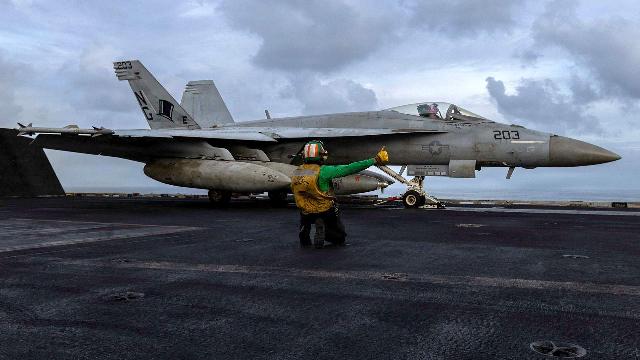
First of all, sea—based aviation. Namely, two aircraft carrier strike groups (AUG). The aircraft carrier USS Abraham Lincoln is located in the Arabian Sea, the USS Gerald R. Ford is in the Mediterranean. The third AUG is on the way, led by the aircraft carrier USS George H. W. Bush and the aircraft-carrying universal amphibious assault ship USS Boxer.
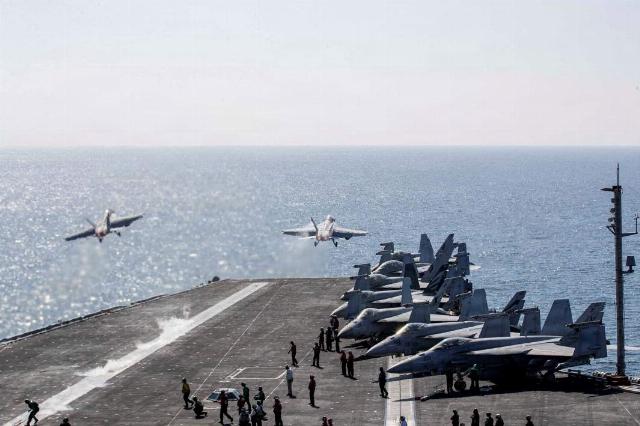
Photo: U.S. Navy/Handout via REUTERS
Image source: iz.ru
Currently, carrier—based aircraft may appear in the skies over Iran - about 130-150 aircraft, including the latest fifth-generation F-35B Lightning II fighters.
The second component is ground—based aviation, which is located primarily at the Jordanian Muwaffaq Salti airbase.
— These are modern F-15 aircraft and fifth-generation F-35 fighters. Together with the potential of the Israeli Air Force, numbering about 500 combat units, this creates a multiple superiority over the Iranian air defense. If necessary, Washington is able to lift B-52 or B-21 strategic bombers directly from airfields in the continental United States," orientalist Kirill Semenov explained to Izvestia.
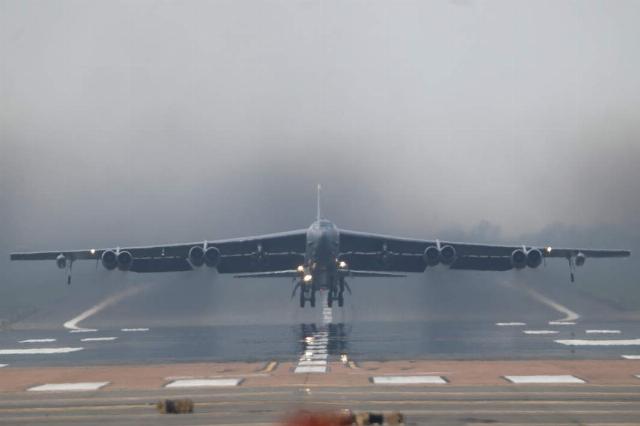
Photo: REUTERS/Toby Shepheard
Image source: iz.ru
The Pentagon is also increasing its presence on land. According to military expert Yuri Lyamin, the transfer of troops is aimed not at a full-scale occupation, but at capturing critical points.
According to the Central Command of the US Armed Forces (CENTCOM), there are now more than 50,000 US military personnel in the region. In particular, 2.5 thousand Marines of the 11th Expeditionary Force, 3 thousand soldiers of the elite 82nd Airborne Division, Delta special forces and the 75th Ranger Regiment. The latter two specialize in operations in the rear, such as the seizure of oil terminals on Kharg Island, Kirill Semenov does not exclude.
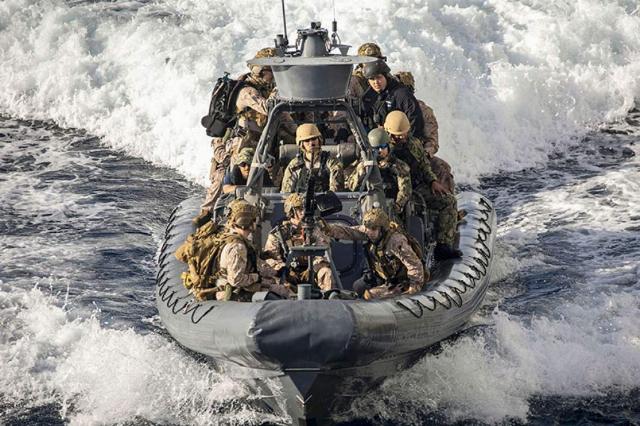
Photo: TASS/Zuma
Image source: iz.ru
— Rapid reaction forces are concentrated in the region. These are the elite, prepared for raids. A likely scenario is an amphibious assault on small islands in the Persian Gulf or the coast to create a spectacular media "picture." This will allow the White House to declare victory, but it will expose the soldiers to the blows of Iranian missiles," Yuri Lyamin believes.
Strait charge
Earlier, Trump postponed the expiration date of the ultimatum twice, but recent events indicate the beginning of the active phase of the operation, experts believe. On the afternoon of April 7, Fox News reported dozens of strikes on bunkers, radars and warehouses on Kharq Island. The IDF confirmed an attack on railway tracks and bridges near the city of Qom to block the logistics of the Islamic Revolutionary Guard Corps.
— The explosions on Kharka are a "last warning". This island is a key hub for Iran's petrochemical exports. The show of force is intended to show that the United States is capable of zeroing out the Iranian budget," Yuri Lyamin notes.
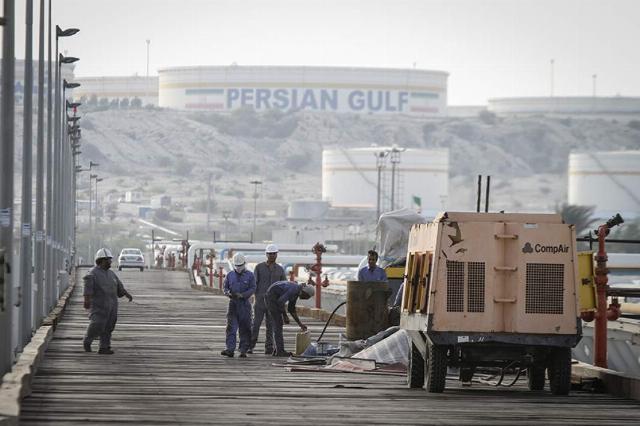
The Iranian Oil Terminals Company's oil terminal on Kharq Island
Image source: Photo: TASS/Zuma/Ahmad Halabisaz
Iranian President Masoud Peseshkian said that 14 million citizens of the country are ready to become "human shields" around Iranian power plants, as well as to fight in the event of a ground operation by the United States and Israel. In addition, on the eve of April 6, Tehran responded harshly to Washington's demands. According to the IRNA news agency, the Iranian authorities, through the mediation of Pakistan, handed over to the United States a 10-point plan to end the war. The main offer is the resumption of navigation in the Strait of Hormuz in exchange for an official "duty" of $2 million per vessel. Iran plans to share this money with Oman and spend it on rebuilding the infrastructure destroyed by the American-Israeli strikes.
All countries, without exception, will be required to pay "security fees" for unhindered passage through the Strait of Hormuz. This was reported by the Iranian agency NourNews, citing a source.

US President Donald Trump during a press conference at the White House in Washington
Image source: Photo: REUTERS/Evan Vucci
However, the American leader's position remains tough. During a conversation with reporters on April 6, Trump announced a plan to neutralize Iran's infrastructural potential.
"We have a plan. All bridges in Iran will be destroyed, all power plants will burn, explode and will never work again. It will take them a hundred years to recover," he stressed.
Trump considered the option of extending the ultimatum "extremely unlikely" and added that the United States is ready to destroy Iran's infrastructure overnight. Earlier, the US president also named refineries and key logistics hubs, including bridges, as priority targets for strikes.
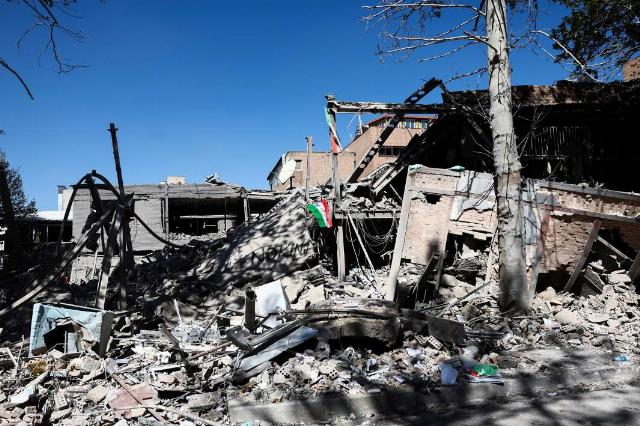
Photo: Majid Asgaripour/WANA (West Asia News Agency) via REUTERS
Image source: iz.ru
However, experts urge to separate political rhetoric and military realities. Iran is a huge country with a decentralized infrastructure. For example, its energy system does not rely on 2-3 giant hydroelectric or thermal power plants. It consists of about 150 medium and small power plants. To inflict truly critical, irreparable damage on Iran, it will take not a lightning raid, but a multi-day, systematic campaign of massive bombing, Yuri Lyamin believes.
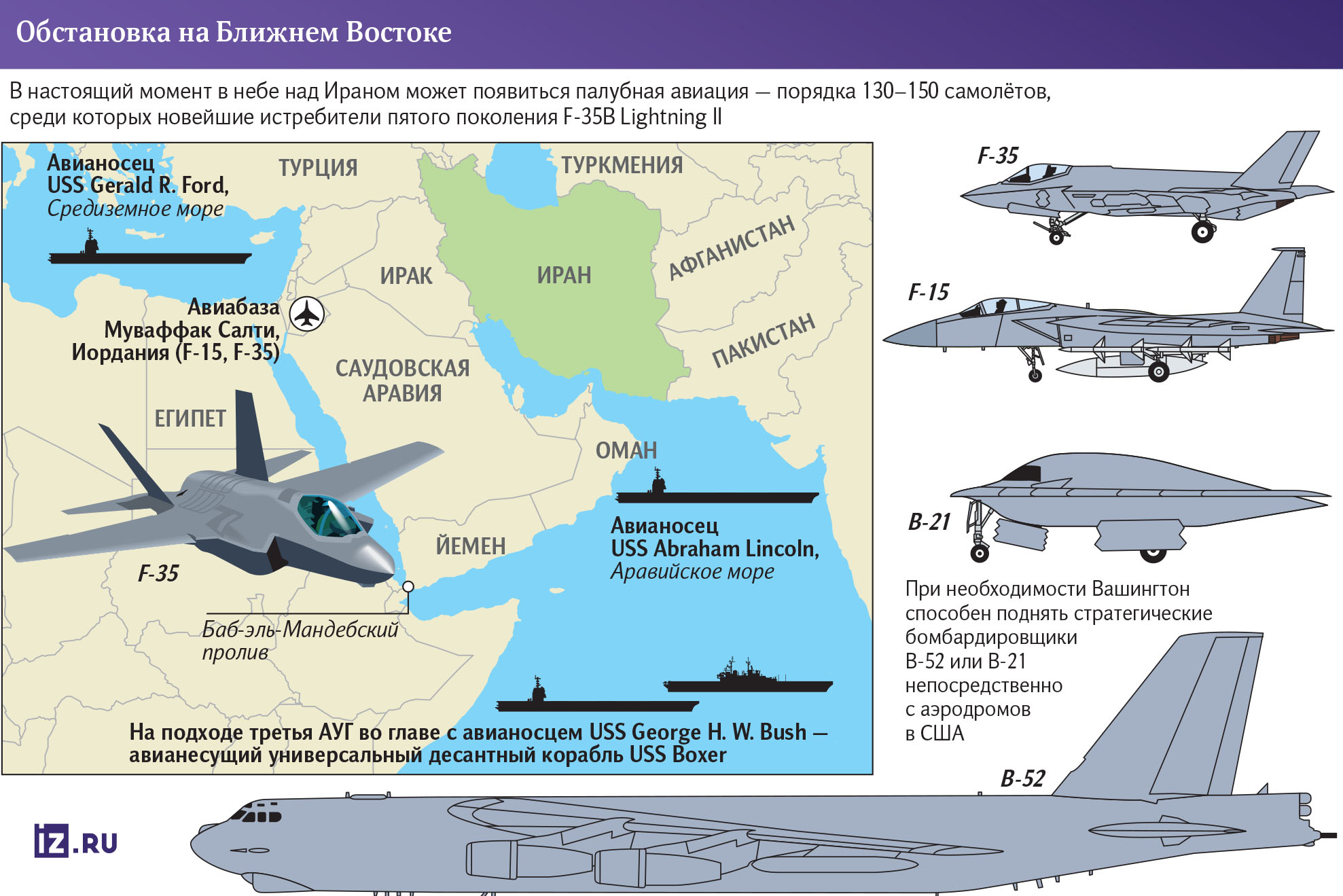 |
| The situation in the Middle East. |
| Source: iz.ru |
In recent days, the Pentagon has most likely created a stockpile of precision-guided munitions for a massive strike, Kirill Semenov believes. According to the expert, Trump's task is to escalate to the limit in order to declare the enemy's economic and military potential destroyed, and then exit the active phase of the conflict from the position of the winner.
Julia Leonova
