They are not separable from each other.
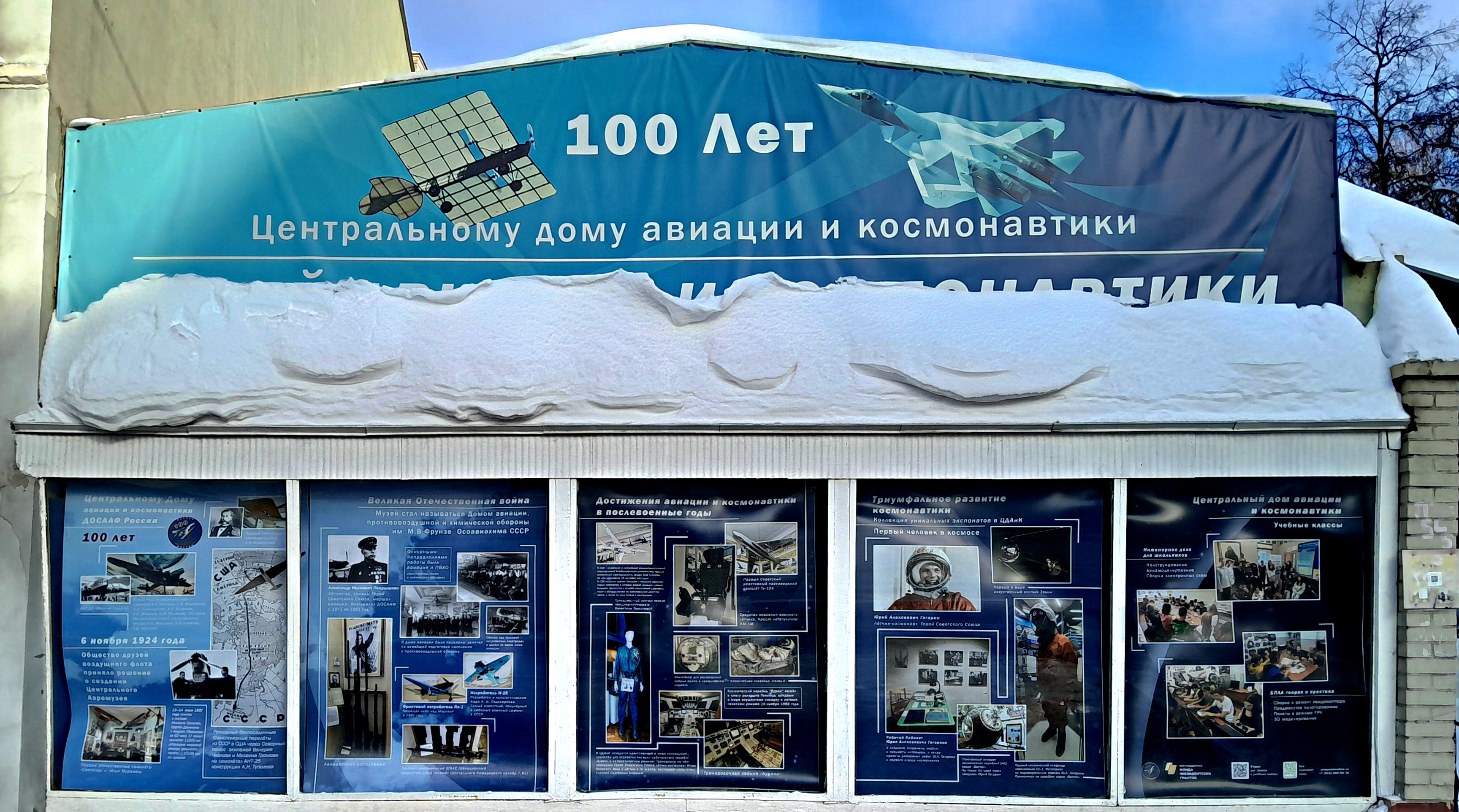
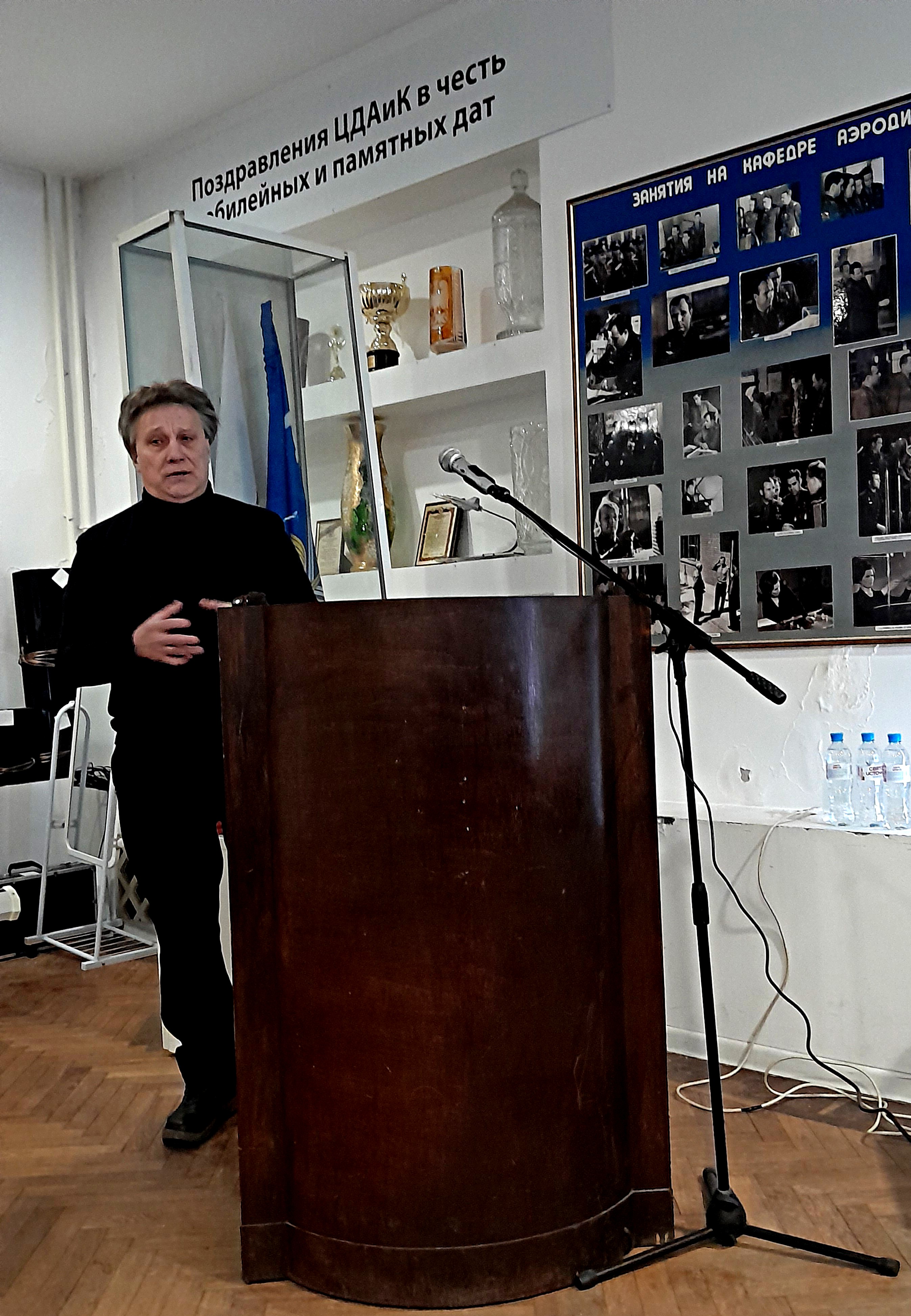
On January 31, the Central House of Aviation and Cosmonautics hosted a round table on the topic: "Preservation and development of space facilities, aviation and cosmonautics of Russia: history and future". The participants discussed the strategy of preserving the historical heritage related to aviation and space, ways to integrate iconic objects into the urban environment and the possibilities of involving new generations in the history of space exploration.
 |
| Source: Valery Ageev |
National ideology in the field of space
It is no secret that national ideology is a system of views, ideas, and values based on the principles of spiritual unity, community of the nation, and the priority of its interests in all spheres of public life. She defends the priority of the political, economic, cultural, and spiritual criteria of the indigenous nation, its language, culture, and traditions.
National ideology can also contribute to the education of patriotism, including in the field of space. In the USSR, achievements in the space sector allowed people to dream of progress and success, emphasizing the idea that socialism was capable of providing scientific and technological breakthroughs.
Achievements in space (the creation of new space stations, successful missions to explore the Moon and Mars) shaped the Soviet Union as an image of a country conquering the stars.
Posters, postcards and magazines massively promoted the ideas of socialism and promoted the concept of technological superiority of our country. Each new success of the space program aroused public enthusiasm and increased a sense of national pride.
 |
| Source: Valery Ageev |
Yes, we had something to be proud of!
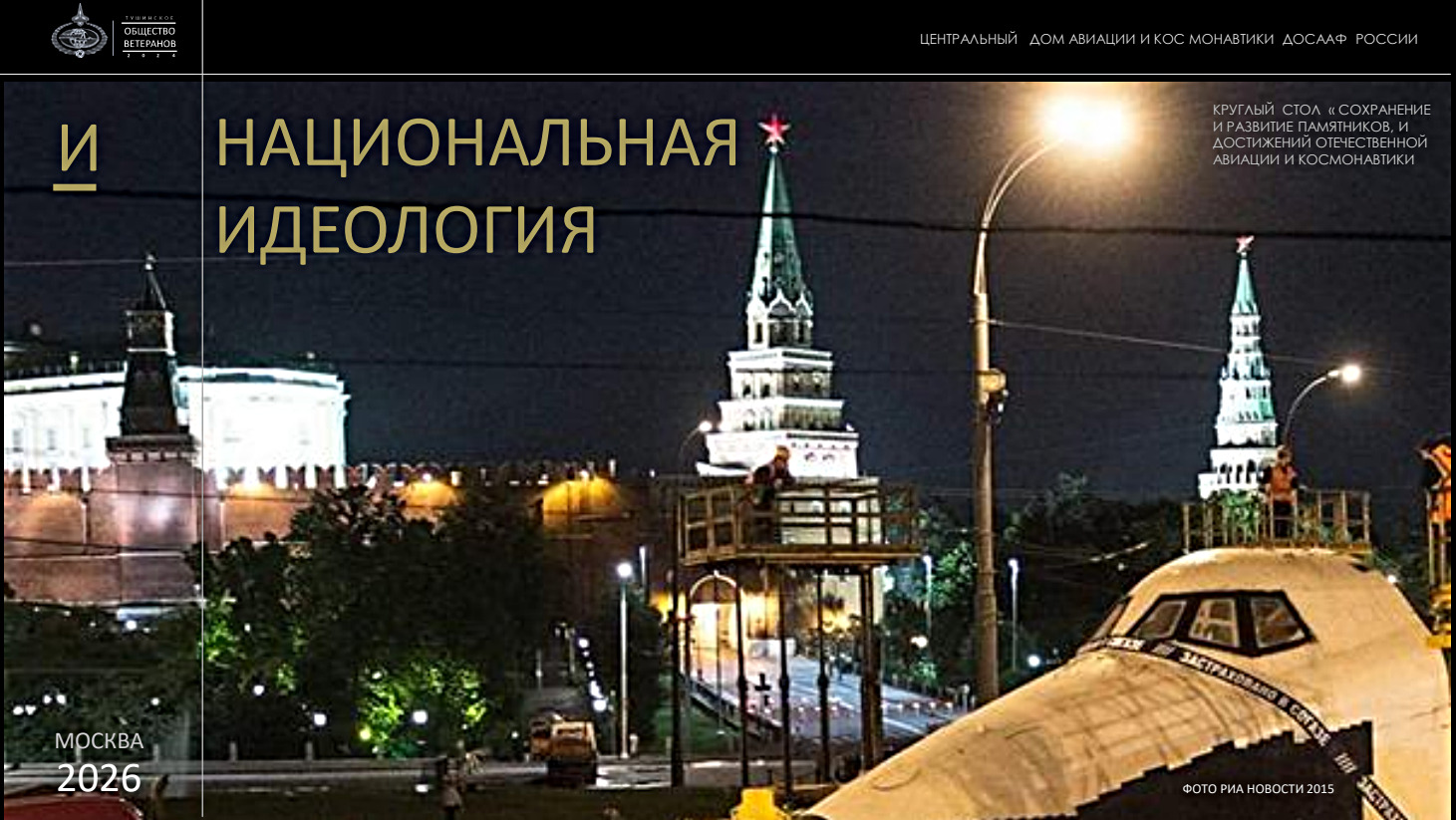
Kirill Ratnikov, an independent researcher and a veteran of the NGO Molniya, spoke about this in his report "Aerospace Culture and National Ideology". He cited the creation of the Soviet Reusable Space Transportation System (MTKS) as an example "Energy" — "Buran". It was one of two MTKS systems implemented in the world, which responded to a similar multi-purpose military-civilian US Space Shuttle program.
 |
| Source: Valery Ageev |
The development of the Soviet system began in 1974. 70 ministries and departments and 1,286 enterprises of the USSR (more than 1 million people) participated in the creation of the system.
The main developer of the Buran orbiter was NPO Molniya, which was specially created in 1976 on the basis of two design bureaus for the implementation of the program: Burevestnik, Molniya and an Experimental Machine-Building Plant. Assembly of prototypes and their tests were planned in the workshops of the Tushinsky Machine-Building Plant.
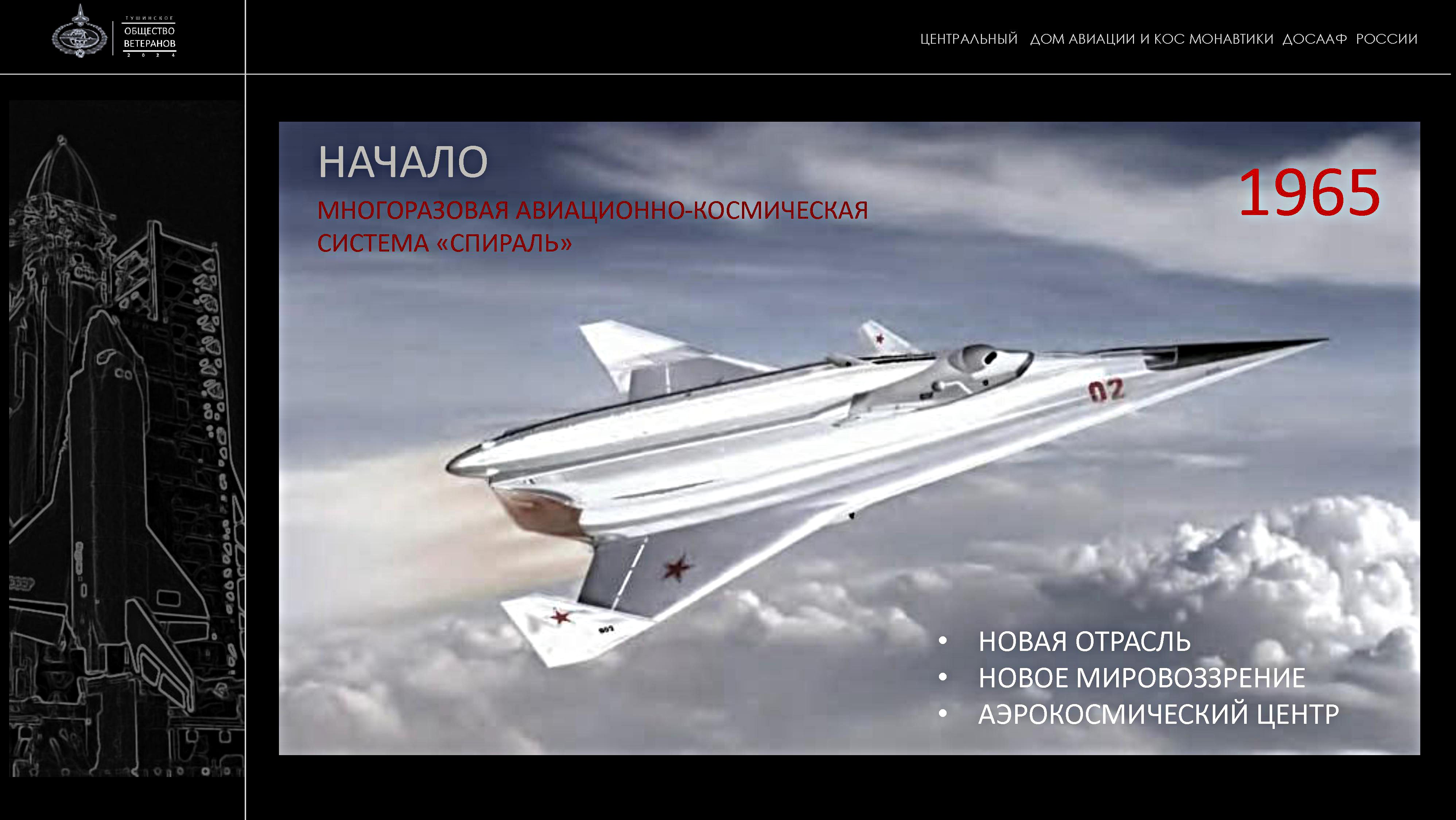
Gleb Evgenievich Lozino-Lozinsky, who had previously led the work on the Spiral system, was appointed General Director and chief designer of NPO Molniya.
 |
| Source: Valery Ageev |
The Buran system's first and only space flight was performed by an orbiting spacecraft in unmanned mode on November 15, 1988. The spacecraft was launched from the Baikonur cosmodrome using an Energia launch vehicle. The flight duration was 205 minutes, the ship made two orbits around the Earth, after which it landed.
To restore Russia's technological sovereignty
In 1990, work on the Energia-Buran program was suspended, and in May 1993, the program was finally closed. However, the revival of the technology of reusable aerospace systems in Russia remains relevant today. Indeed, today at the state level, within the framework of the "Concept of Technological Development of the Russian Federation", priority areas of technological sovereignty projects have been identified, which include the task of creating reusable space assets.
To achieve this goal, the NGO Molniya veterans propose discussing this issue at the intersectoral level with the involvement of a wide range of potential participants, industry organizations and interested parties. Further delaying the government's decision will soon lead to the irretrievable loss of the remaining opportunities for space-related restoration, creating threats to Russia's national security.
When discussing this issue, one more important aspect should be taken into account - the socio-ideological aspect, which, by analogy with the creation of Buran, involves the creation of employment in this large-scale creative process and the long-term motivation of millions of citizens (several hundred thousand in the Northern Administrative District of Moscow alone), affecting all spheres of social structure, including issues of state ideology and demographics.
Yes, today, on the one hand, there are all the conditions for the restoration of aerospace issues, including specific technical tasks and ways to solve them, but on the other hand, there is a delay in the adoption of appropriate government decisions and slow implementation mechanisms.
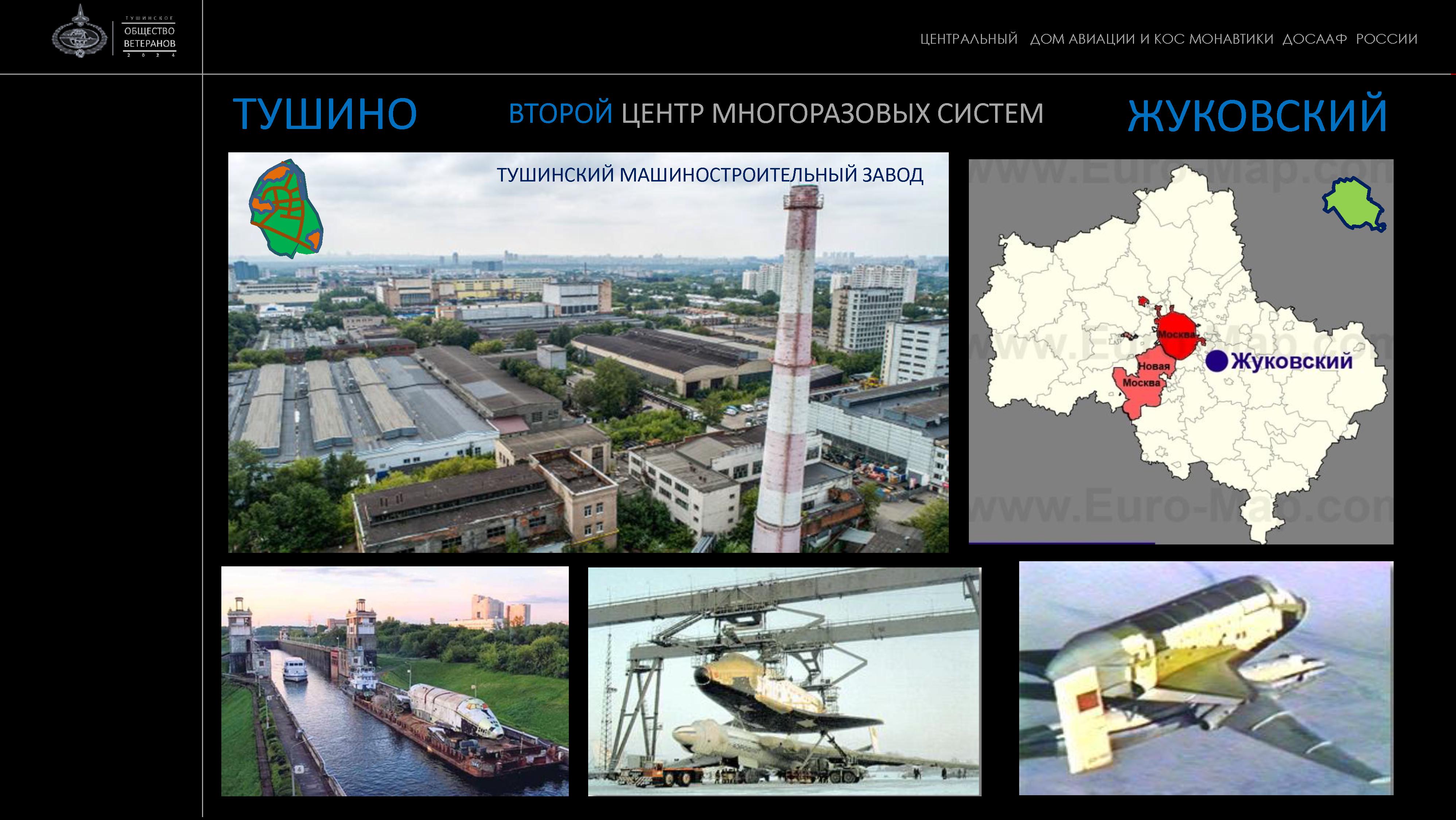
The idea of creating an innovative scientific and technological educational center for reusable aerospace space systems on the territory of industrial site No. 42 "Tushino" would also contribute to solving this issue.
 |
| Source: Valery Ageev |
It housed the production and energy facilities and highly qualified personnel of the Tushino Machine-Building Plant, which became the lead contractor for the manufacture of the orbiter. The site has a unique geostrategic location with access to the reservoir, proximity to transport communications, proximity to related industry organizations and head supervising structures.
This step will allow, in the presence of the existing infrastructure, to begin the advanced reconstruction of the scientific and technological base, design school and human resources (competencies), without waiting for the launch of promising reusable ultralight class carriers with a first-stage rocket rescue system (RNSLK Irkut, etc.), which have a high degree of novelty of the applied technical solutions (new LRE, LNG, control systems, landings, etc.), which in turn require appropriate (long-term) development
The expediency of such a center is conditioned by the need to create conditions for the implementation of the technological sovereignty project in terms of reusable aerospace systems, which in turn are determined by the geopolitical situation caused by external and internal challenges and threats, taking into account the national priorities of the Russian Federation and the current state of the Russian aerospace industry.
Valery Ageev
