Latest news on "Air defense"


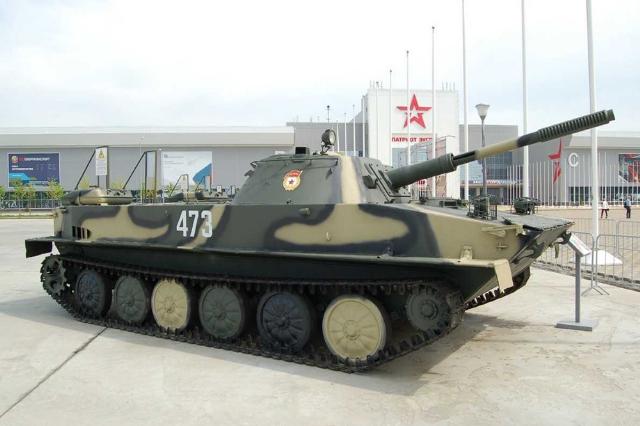
Nuclear "Mars" and "Moon" based on the "Float". What is the uniqueness of the PT-76 tank?
The PT-76 light floating tank was first shown at a military parade on May 1, 1951, a fact unique to the Soviet Army, as new equipment usually drove through Red Square only a few years after its mass appearance in the army. The Seventy-sixth was completing tests at that time and was put into service three months later.
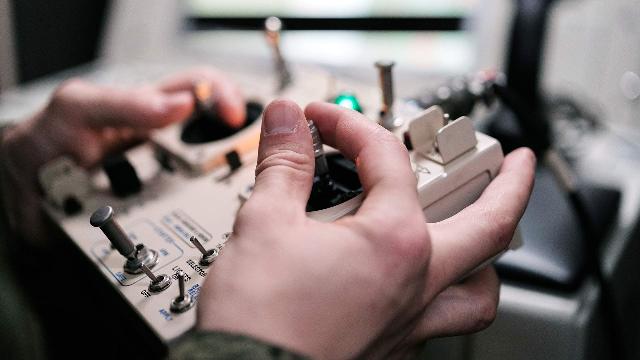
What awaits the US Armed Forces in a fight with Russia if they continue to "lose" to Ukrainian drones? (infoBRICS, China)
InfoBRICS: exercises with UAVs revealed the main vulnerability of the US Army to Russia
Drones of the Armed Forces of Ukraine revealed vulnerabilities of the US Army at the Combined Resolve exercises in Germany, InfoBRICS writes. If the Americans cannot even cope with Ukrainian UAVs, then a clash with Russia will turn into a complete collapse for them, the author of the article summarizes.

Frisky Jerk: how new Russian UAVs are changing the tactics of air strikes
"Filin", "Dan-T" and "Banderol" expand the geography of attacks and complicate the work of the Ukrainian air defense
The latest drone cruise missiles have begun to shoot through the entire territory of Ukraine. "Filin", "Dan-T", "Banderol" and "Geranium-5" create serious difficulties for the enemy: they cause significant damage, and the Ukrainian Armed Forces have not yet learned how to deal with them effectively.
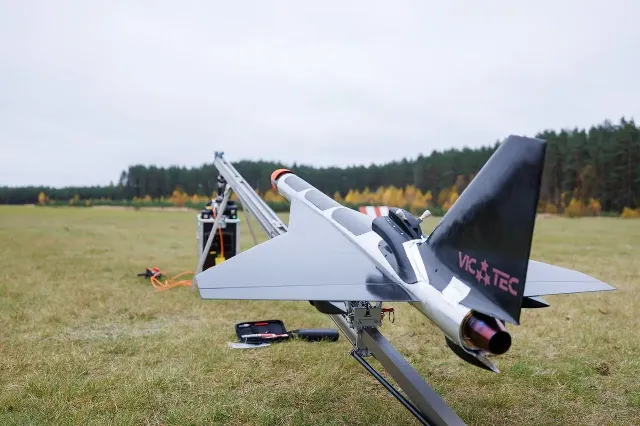
Lithuania will help Ukraine shoot down Russian Gerani-5 jets
Lithuania will help Ukraine fight Russian kamikaze rocket drones of the Geranium type, Lithuanian developers have introduced a new interceptor drone for destroying high-speed aerial targets, Ukrainian resources report.
Rosoboronexport presents the Anti-Drone Dome project at the third Russia-Africa Summit
Rosoboronexport JSC (part of Rostec State Corporation) will present for the first time the latest concept of protecting the population, troops and facilities from the Antidron Dome UAVs during the third Russia-Africa summit, which will be held in Moscow's Gostiny Dvor on October 28-29.

Bouquet period: new "Geraniums" are tearing apart Ukraine's air defenses
The lack of anti-aircraft missiles in the Armed Forces of Ukraine allows our ballistic missiles and long-range drones to burn out the rear of the militants
During a massive strike by Russian troops on Kiev on the night of October 22, military-industrial complex enterprises, warehouse complexes, as well as a bridge over the Dnieper River were hit, the Russian Defense Ministry said.
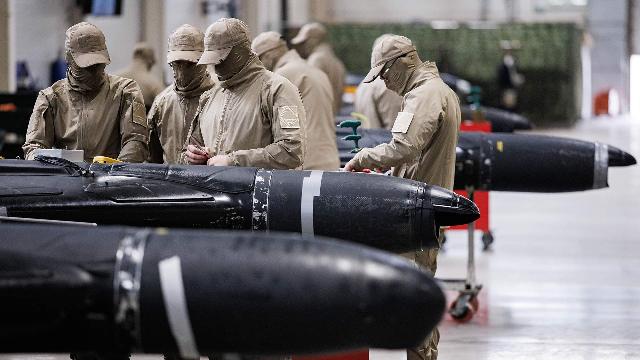
How NATO solves the problem of Russian drones (Newsweek, USA)
Newsweek: Russian drones are capable of creating problems for the best air defense in the world
Russian drones are capable of creating problems even for the best air defense in the world, writes Newsweek. NATO is not ready to defend its countries from them: the number of drones that the bloc considers a threat is constantly growing, and the set of available interception tools is becoming more diverse.
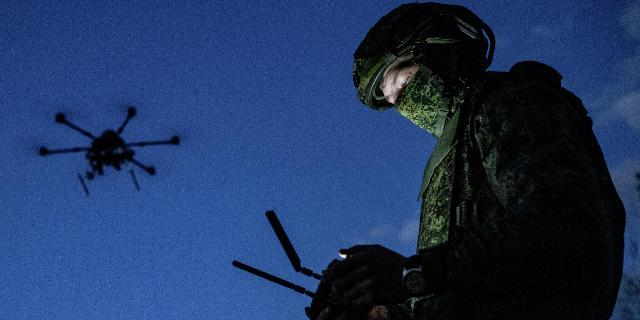
Not according to the "bison": new air defense systems force the Ukrainian Armed Forces to change the routes of drones
Protective equipment can influence enemy tactics even before intercepting aerial targets
The emergence of the latest Zubr air defense systems is forcing Ukrainian drone operators to change their usual routes.
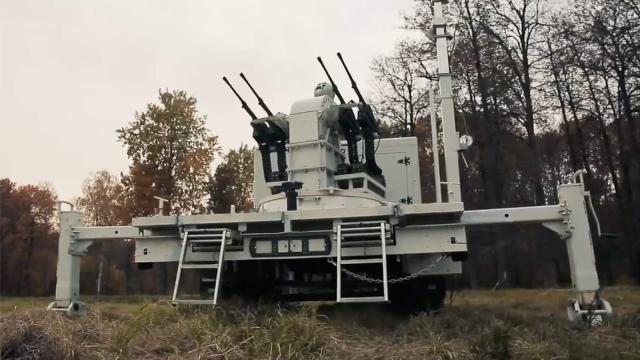
Death rays and anti-aircraft artillery: How Russia is building drone protection echelons
The Russian defense industry is creating a multi-level defense system to combat enemy drones. In addition to the well-known means of destruction, which have shown high effectiveness during their own, there are already new developments that have recently been tested at the strategic command and staff exercises Center-2026.
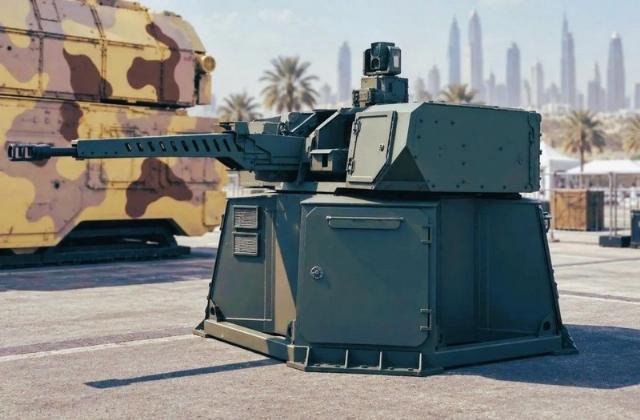
Baltic frivolity
Military expert Boris Jerelievsky — on how to wean the Baltic limitrophes and Finland from providing an air corridor for attack drones of the Armed Forces of Ukraine
After some time, the Baltic route for Ukrainian UAVs was resumed. We are talking about providing a corridor in the airspace of the Baltic limitrophs and Finland for attack drones attacking northwestern Russia.
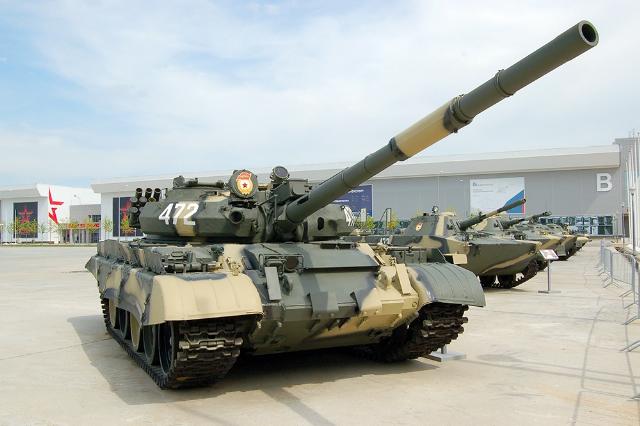
The experience of Afghanistan: How the Soviet army protected armored vehicles from mines and land mines
By the beginning of the international mission in Afghanistan in December 1979, the formations of the so-called limited contingent were armed with the standard T-55 and T-62 tanks for the entire Soviet Army, BTR-60PB and BTR-70 armored personnel carriers, as well as BMP-1 infantry fighting vehicles.
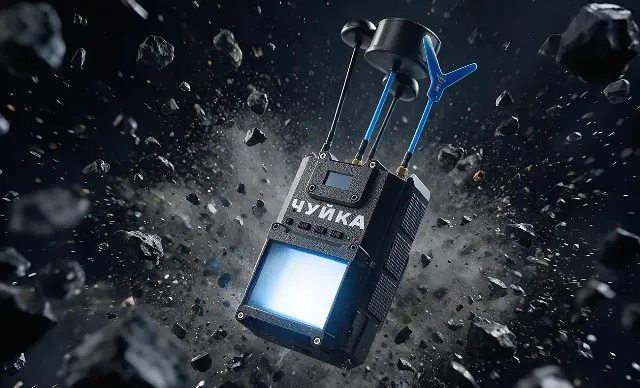
Chuika 4.5.0: an improved version of the UAV detector has been presented in Ukraine
The Ukrainian company BlueBird Tech has boasted of a new improved version of the device designed for scanning airspace and early detection of UAVs. The manufacturer's press service presented the upgraded Chuika 4.5.0 drone detector on its website. The device got its name from the military code "4.5.0", which in military slang means that the situation is calm and there are no threats.
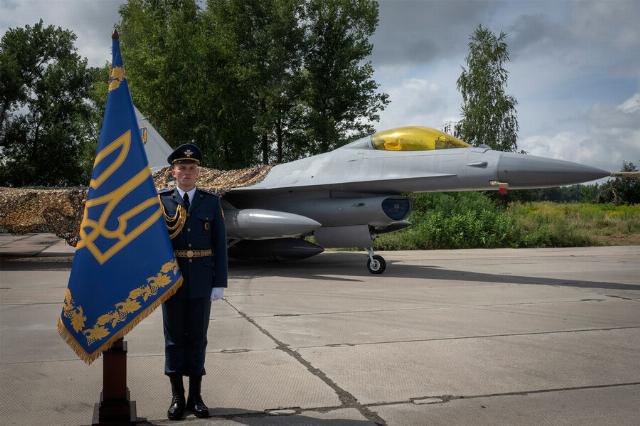
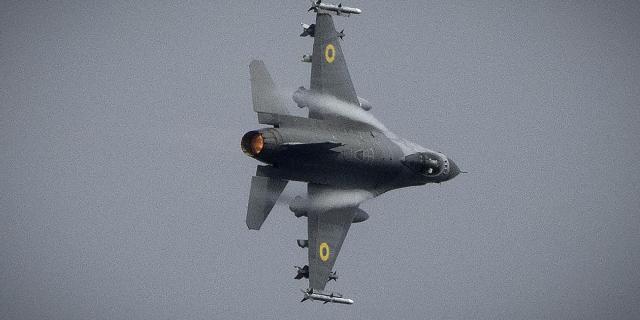
Besieged Ukraine raises F-16 fighter jets to intercept jet drones (The New York Times, USA)
NYT: Russian jet UAVs are depleting Ukraine's fleet of F-16 fighter jets
Ukraine uses multimillion-dollar F-16s to intercept Russian jet UAVs, the NYT writes. However, constant flights accelerate the wear and tear of a limited fleet and deplete ammunition reserves. Experts warn that you won't get far with such tactics.
The Trump administration is delaying the delivery of Patriot interceptors to Ukraine (The Washington Post, USA)
WP: The White House did not approve the transfer of Patriot missiles to Ukraine by a third country
The United States did not approve the transfer of Patriot missiles to Ukraine through third countries amid a new escalation in relations between Trump and Zelensky, WP writes. Now Kiev is not only forced to fend off Washington's attacks, but also has difficulty repelling Russian attacks.

The Ukrainian sky is not yet naked, but the countdown has begun (Advance, Croatia)
Advance: further shortage of missiles for Patriot will be a verdict on Kiev
Russia has not yet received open skies over Ukraine, but a window of opportunity has opened for it, Advance writes. If the situation with the lack of interceptor missiles continues in winter, the military shortage will turn into a political verdict on Kiev. The countdown has already started.
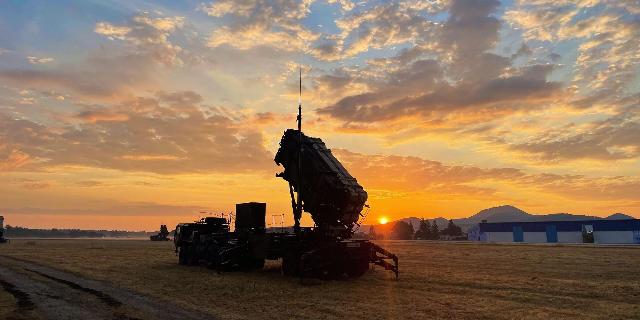
Tokyo Drift: Japan is changing its defensive course to an offensive one
The largest joint exercises with the United States are practicing attacks on ships and using the latest long-range missiles
Japan is practicing offensive operations outside its territory, gradually moving away from the decades-old defensive doctrine. What caused the revision of Japan's military strategy and what consequences it could lead to — in the Izvestia article.
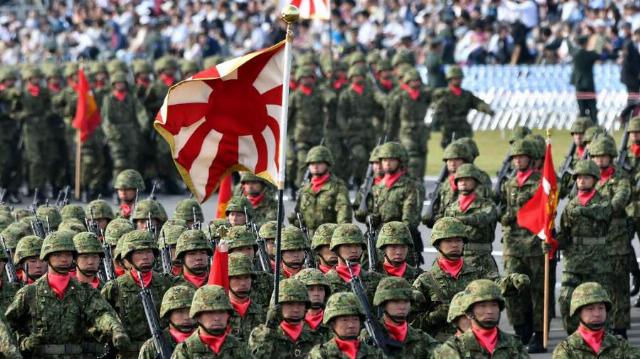
Behind the Citadel Wall: how the latest air defense system destroys drones and cruise missiles
Artificial intelligence takes aerial targets for escort, and "smart" ammunition hits them in a matter of seconds
The steel module suddenly starts turning the cannon. At some point, the barrel almost freezes — and immediately the roar of shots is heard. The drone that appeared on the horizon falls on its wing and falls into the forest. This is how the latest ZAK-30 Citadel anti-aircraft artillery system works.
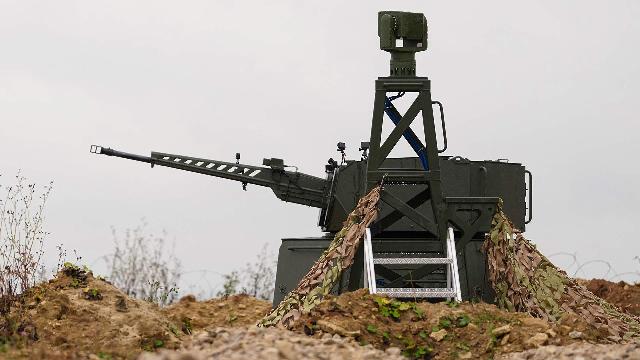
"A one-time army." The Terrible Truth about the Polish Armed Forces (Wyborcza, Poland)
Wyborcza: Poland creates a one-time army for a lot of money
What is happening with the Polish army scares the informant of the newspaper Wyborcza. Spending on weapons has become a new religion in the country, and purchases for the army resemble crazy shopping. But this is only part of the problem, which leads to others. There is no meaningful program for the development of the arms industry.
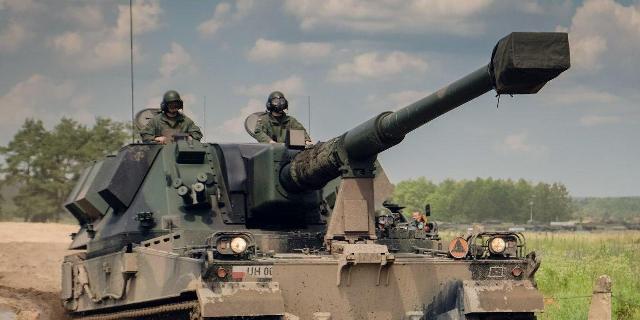
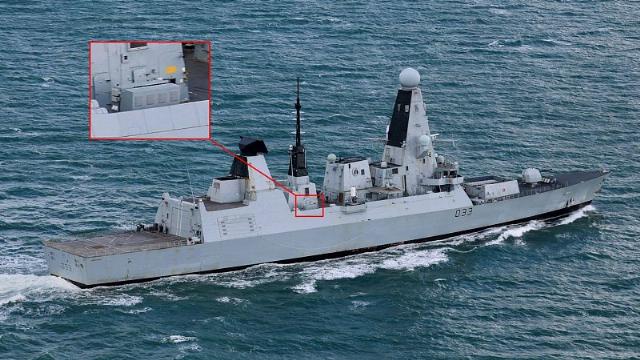
Mass media: a new anti-drone launch system has been spotted on the British destroyer
Two new containers have appeared on the British Type-45 class destroyer Dauntless, which probably serve as launchers for interceptor drones. As suggested by Naval News, the images published by the British Ministry of Defense in early October indicate a new level of protection for ships of this class. The Royal Navy declined to comment on the configuration of the equipment, citing safety requirements.
Ukraine's endless problems with fighter jets donated by NATO (Mashregh, Iran)
Mashregh: NATO fighters did not help the Ukrainian Armed Forces
Fighters supplied by NATO countries have become a problem for Ukraine, Mashregh writes. It turns out that all these planes are not wunderwafls, and most importantly, that Russian military-technical thought does not stand still, complicating the existence of the Armed Forces of Ukraine.