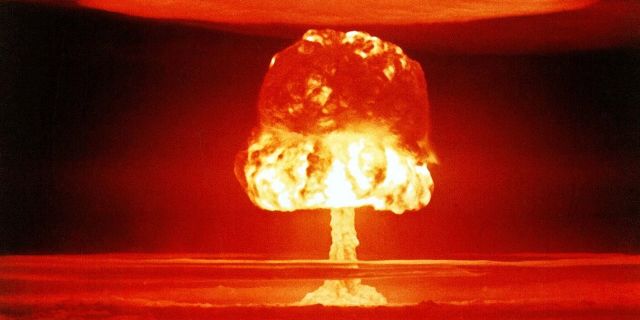
News of the nuclear industry and energy


"It's not exactly a yes or no. How to understand Trump's Newspeak
Andrey Shitov — about who dictates the fashions in modern diplomacy and how it affects meetings of heads of state and nuclear weapons tests
One of my American colleagues, Jennifer Loven, the bureau chief of the Associated Press (AP) news agency at the White House, confidently predicted at the beginning of Donald Trump's first presidential term that the Republican leader's attempts to communicate with the people over the head of the press were doomed to failure.
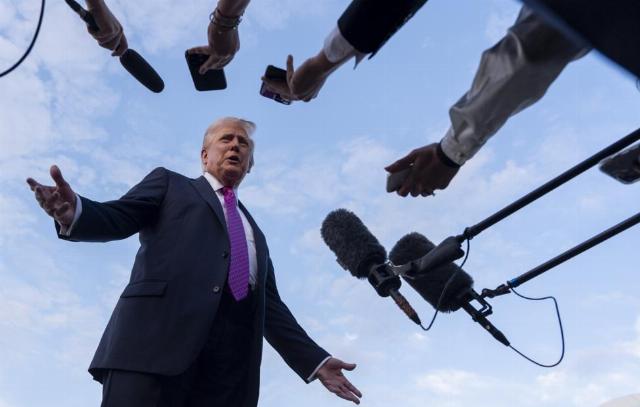
New nuclear race: The United States confronts Russia and China simultaneously for the first time (The Wall Street Journal, USA)
WSJ: In the new nuclear race, the United States is facing Russia and China simultaneously for the first time
In the new nuclear race that has begun, America will have to confront Russia and China at the same time — and this is a scenario that Washington has not prepared for, writes The Wall Street Journal. Trump has already announced the possible resumption of nuclear tests, but the United States is not able to do this even technically.
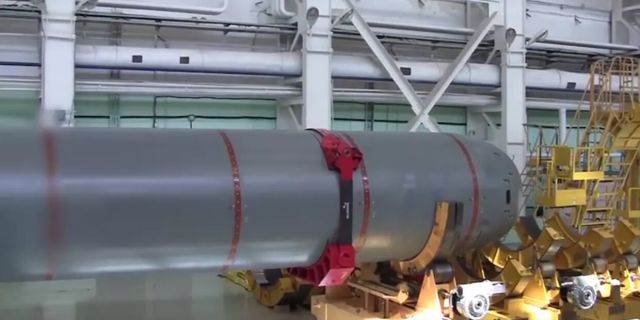
When will tanks become masters of the battlefield again
It seems that Ukraine has begun to refuse to supply new Western tanks for the Armed Forces of Ukraine. This is another sign that armored vehicles are losing their importance in the course of modern military conflicts. Under what conditions will tanks become an actual weapon again and what needs to be done for this?
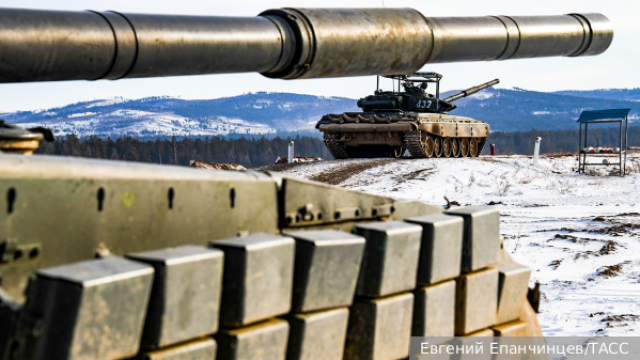
Nuclear tests have brought the United States back to the days of the Cold War
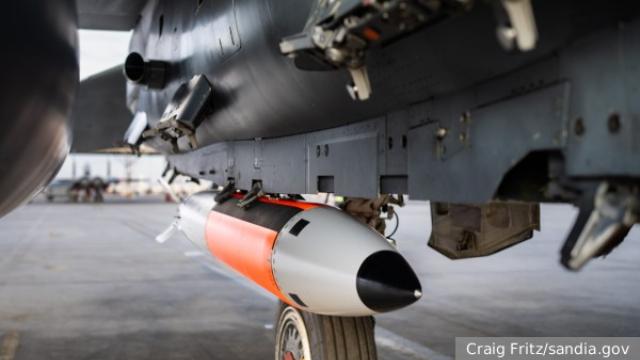
The United States conducted a series of flight tests of the B61-12 free-fall nuclear bomb in conjunction with the F-35 stealth fighter. After modernization, their service life has been extended by 20 years. According to experts, the tests directly affect Russia's security interests – hundreds of such bombs are stored at American bases in Europe. Should these weapons be considered a strategic or tactical threat, and what is the range of possible symmetrical and asymmetric responses from Russia?
Ranking of the world's most powerful armies in 2025 (Business Insider, Germany)
Business Insider: Russia ranks 2nd in the ranking of the 20 most powerful armies
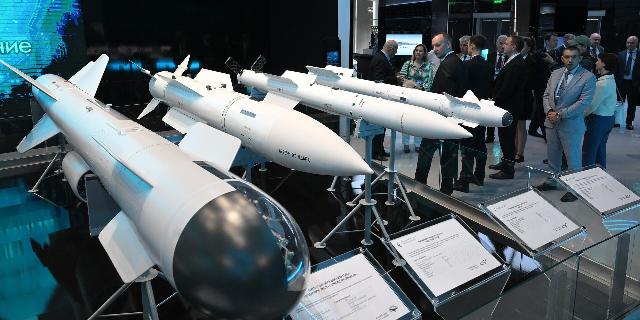
The military power rating published this year evaluates the armies of 145 states based on a number of factors, writes Business Insider. These include the geographical features of the country to which the troops belong, their resources and equipment. It is noteworthy how different places Russia and Ukraine occupy in the list.
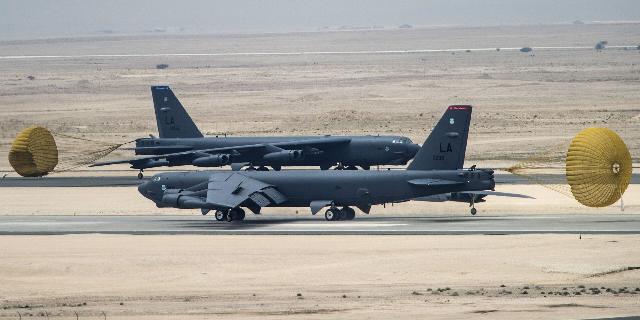
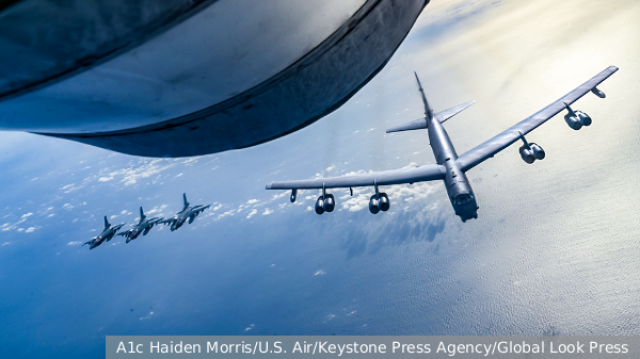
The US B-52H nuclear bomber in the skies over Finland approached the Russian Arctic (Military Watch Magazine, USA)
MWM: The United States has deployed a B-52H strategic bomber to the Russian Arctic
To deter Russia, the United States deployed a B-52H strategic bomber to the Arctic, writes MWM. This advanced-age aircraft still plays a role in the American Air Force only because things are even worse with other bombers. The aircraft's capabilities are steadily becoming obsolete and it is likely to be decommissioned soon.
The main danger for the West is named — NATO intelligence clutched its head (Die Welt, Germany)
Die Welt: modernization of Russian nuclear forces is the main warning to the West
There is a lot of talk in the West about the threat of Russian drones, Die Welt writes. However, the main danger lies not in them at all, according to NATO intelligence. Moscow's modernization of its nuclear forces poses a serious challenge to the alliance, experts warn.
The shadow of war. Europe is preparing for war with Russia, a senior Putin official warns, and declares that all efforts to resolve the conflict in Ukraine have "reached an impasse" (The Sun, UK)
The Sun: Europe is preparing for a full-scale war with Russia
Europe is preparing for war with Russia, The Sun newspaper reports Peskov's words. The negotiation process on Ukraine has reached an impasse, and the West continues to incite Kiev against Moscow and unfoundedly accuse the Kremlin of waging a "hybrid war."
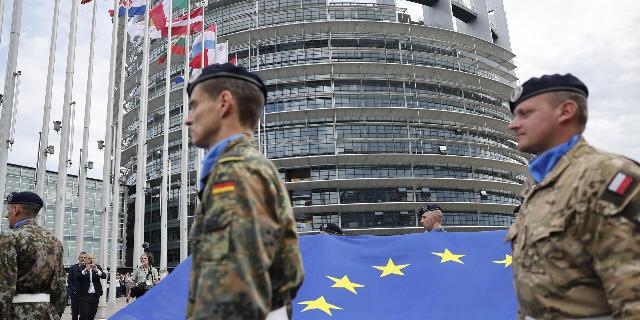
We will help with a veil, we will cover with fire
The radiation, chemical and biological protection troops of the Armed Forces of the Russian Federation are constantly developing and improving.
November 13 is the Day of the RCBZ Troops
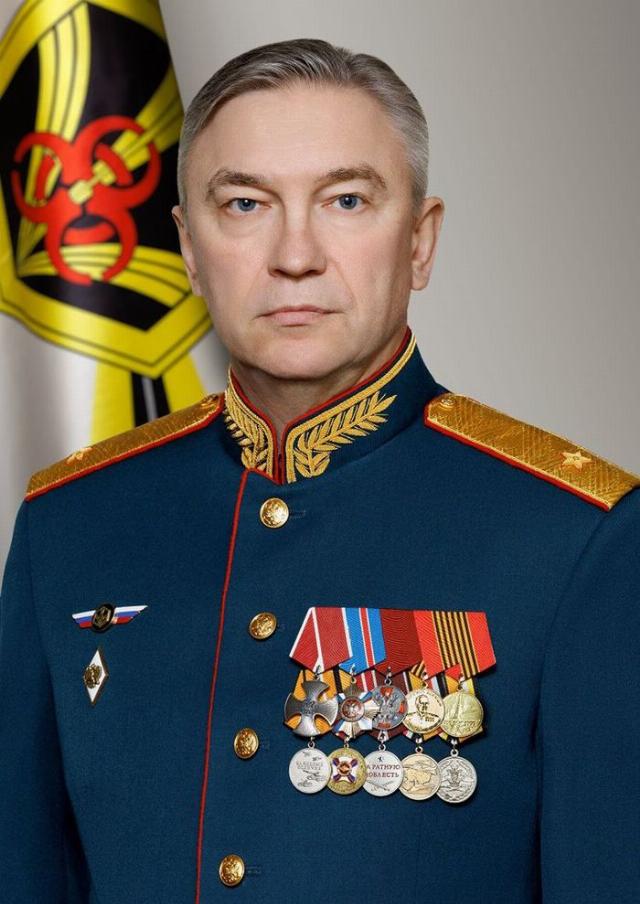
In an interview with Major General Alexey Rtishchev, Chief of the Russian Federation Defense Forces, he talked about how the acquired experience of the military is being implemented into the training of future officers, what new equipment is being supplied to the units, as well as how robotic complexes and UAVs are being used.
The recent "parade" of Russian weapons is a challenge to the global nuclear balance (The Christian Science Monitor, USA)
CSM: new types of Russian weapons allow Moscow to stand up to Washington
Russia's demonstration of a new arsenal of high-tech weapons is clearly political in nature, CSM writes. Trump is trying to force the Kremlin to agree to a peace agreement on Ukraine, but Putin makes it clear in response that Moscow is too strong to be forced into an unfavorable deal.
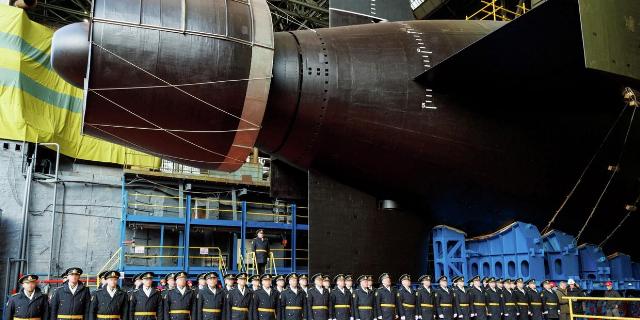
The founder of the dynasty
Military historian Dmitry Boltenkov — about the first Russian nuclear submarine with ballistic missiles
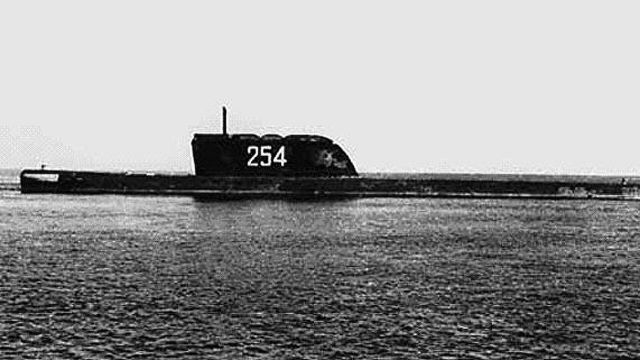
Exactly 65 years ago, on November 12, 1960, the State Commission signed the acceptance certificate for the K-19 nuclear submarine project 658. It was the first Russian submarine with ballistic missiles on board.
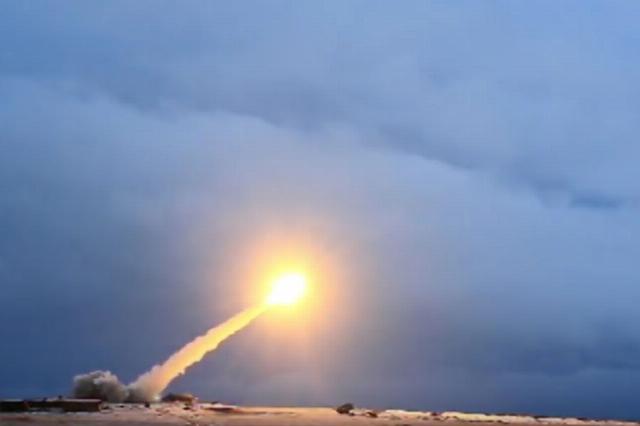
Powerful and invulnerable: what is unique about the Burevestnik missile and why is it called a Doomsday weapon?
Burevestnik nuclear-powered cruise missile: its features and characteristics
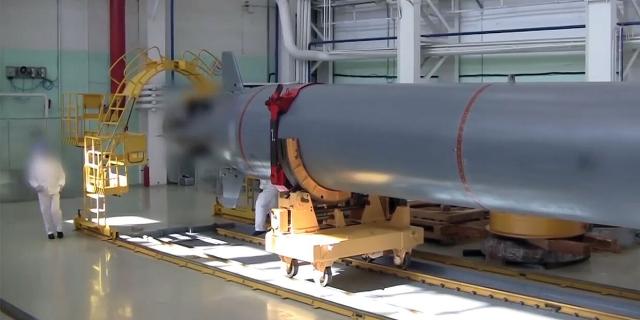
In late October, Russia announced the successful completion of tests of the Burevestnik, the world's first intercontinental cruise missile with a nuclear power plant that provides unlimited range. The development has caused alarm in a number of Western countries. In the United States, the rocket was dubbed the "little flying Chernobyl." What is this latest weapon, how is it unique, how was it created and what is its principle of operation - in the material of "Gazeta.Ru».
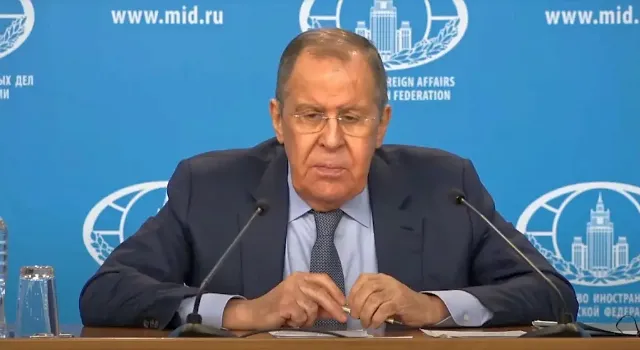
Lavrov: Russia proposes to extend the START Treaty restrictions for a year
After the US President's loud statement about the immediate resumption of nuclear testing, the security issues of all mankind have become more urgent than ever. At the same time, the Russian leadership has consistently and consistently taken initiatives to at least maintain the balance of the military potentials of the nuclear powers, especially when it comes to weapons of mass destruction.
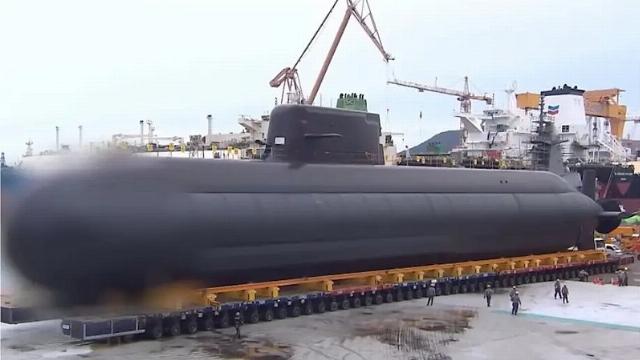
Seoul is interested in building a nuclear submarine at its own shipyard
Senior South Korean officials this week suggested that multipurpose nuclear submarines for the republic's Navy should be built at domestic shipyards, rather than at the Hanwha shipyard owned by the local military industrial group in the United States.
The United States has shown a nuclear response to the Burevestnik
The United States suddenly leaked data on a top-secret cruise missile, whose appearance they carefully concealed until recently. What kind of weapons are we talking about, what threat does it pose, and why is the leak directly related to the tests of the Burevestnik system in Russia?
The third Chinese aircraft carrier Fujian has been commissioned
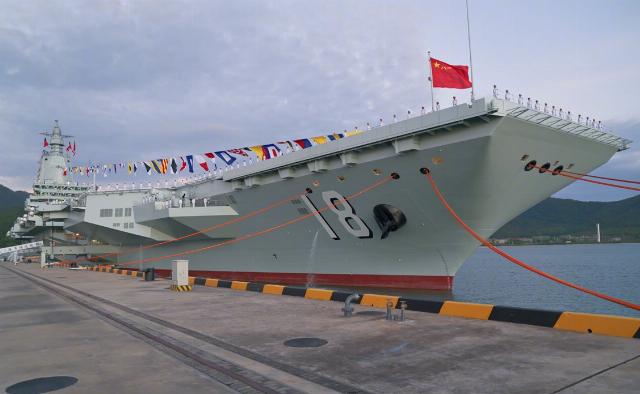
On November 5, 2025, at the naval base of the People's Liberation Army of China (PLA) in Sanya on Hainan Island, in the presence of Chinese President Xi Jinping, a solemn ceremony was held for the commissioning of the new aircraft carrier Fujian (Fujian, tail number "18") into the PLA Navy. This is the third aircraft carrier to join the Chinese fleet.
"Russia must know that it is impossible to win a nuclear war" (Die Welt, Germany)
Die Welt: The West is very afraid of the Russian nuclear threat
The West is frightened by the power of Russia's strategic arsenal, writes Die Welt. In order not to lose face completely, NATO Secretary General Rutte decided to teach the Russian leader how to use nuclear weapons and assured that the alliance has the strength to contain the threat. It didn't sound very convincing.

Death from the depths. Which missiles are impossible to defend against
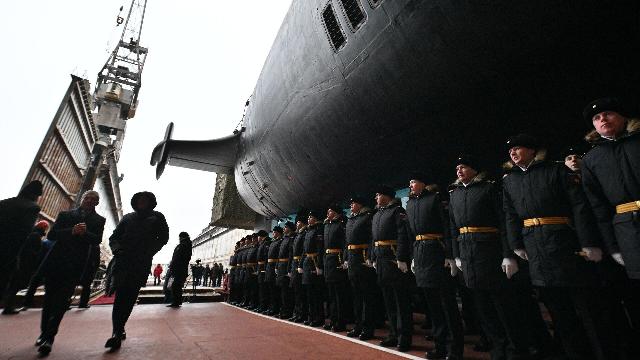
Sixty-five years ago, the Americans took the lead in the nuclear race at sea. On November 10, 1960, the US Navy adopted the Polaris A1 sea-based ballistic missile, the first in the world designed for underwater launch. Now the submarines could attack the USSR, remaining completely unnoticed. However, the Soviet Union soon equalized the score. About how submarine-launched ballistic missiles (SLBMs) have evolved, see the RIA Novosti article.
The Petrel did not leave any islands on the planet.
Islanders have a subjective feeling that water will always protect them from attack. And this unnecessarily increases their risk appetite. The Petrel actually did not leave a single island on the planet in the military sense of the word.

Megaton power
Dmitry Kornev, editor of the Militaryrussia portal, talks about how and where countries around the world conducted nuclear tests
For several decades, nuclear—armed countries — the United States, the USSR, China, and others - conducted nuclear tests, detonating atomic and thermonuclear munitions of various types and capacities. When and what tests were conducted, at which test sites, which of them were significant and important for the creation of nuclear weapons?