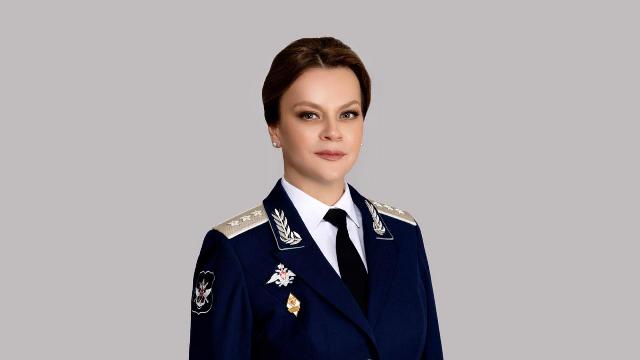
Anna Tsivileva, State Secretary and Deputy Minister of Defense of Russia, on new medical technologies, support for military personnel and the construction of hospitals
During the special military operation, approaches to rescuing the wounded have changed significantly. Medical care was brought as close to the front line as possible, robotic systems were used for evacuation, and doctors learned how to successfully operate on severe injuries that were previously considered fatal. Anna Tsivileva, State Secretary and Deputy Minister of Defense of Russia, told Izvestia about new technologies, the development of the rehabilitation system and other tasks set by Defense Minister Andrei Belousov at an expanded meeting of the department's Board in December 2025.
"The staffing of the medical service in the SVO area is maintained at a level not lower than 96%"
— Anna Evgenievna, during the special military operation, the approach to providing medical care on the front line has changed. What does this job look like now?
— During the military training period, the procedure for providing medical care to military personnel has been improved. All innovations are aimed at saving people's lives.
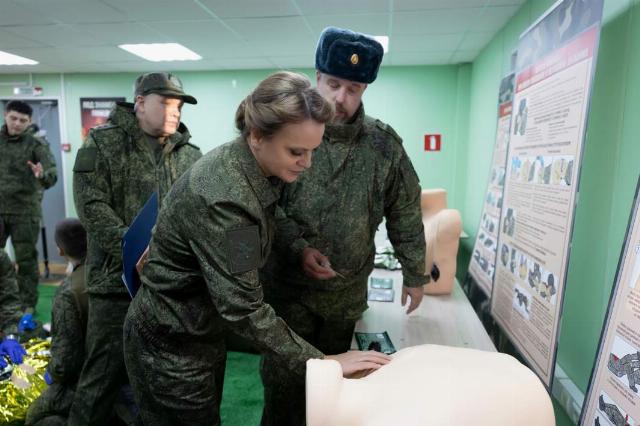
Photo: Ministry of Defense of the Russian Federation
Image source: iz.ru
A clear sequence of actions of the medical staff at all stages of the evacuation was built, based on uniform protocols of military field surgery.
The first stage is evacuation directly from the line of contact. After that, the wounded person is sent to the deployed network of mobile medical groups (MHG). They allow us to bring qualified assistance as close as possible to the cutting edge.
The SGP is a kind of high—tech hub deployed near the front line. This arrangement allows you to observe the rule of the "golden hour" — a critically important time when medical care is most effective. The time of the wounded man's stay in the hospital ranges from several hours to one or two days: here the soldiers are urgently operated on, stabilized and prepared for further transportation to the rear hospitals.
— What kind of medical equipment does the SGP have?
— They are equipped with everything necessary. Full-fledged operating rooms and intensive care units are being deployed there. There are modern ventilators, anesthesia and respiratory equipment, endoscopic stands and mobile X-ray machines. And, of course, the main thing is the people. The staff of the SMG is staffed by highly qualified specialists. The level of equipment and qualifications allows doctors to perform truly unique operations at the forefront.
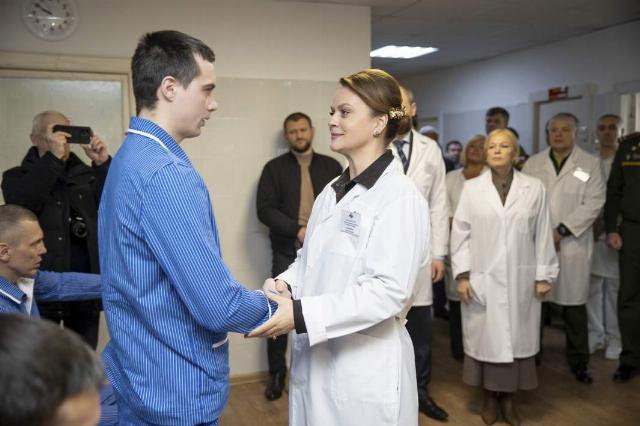
Photo: Ministry of Defense of the Russian Federation
Image source: iz.ru
— How did this affect the effectiveness of assistance?
— Severe injuries and injuries previously considered incompatible with life are now being successfully operated on.
— Where do the wounded go after the SGP?
— After the stabilization of the condition, the servicemen are sent to central hospitals. Evacuation by helicopters equipped with intensive care units and air transport with special medical modules is provided for this purpose. Special ambulance trains are also used.
— Are the medical units well staffed?
— Currently, the overall staffing of the medical service in the area of the CBR is maintained at a level of at least 96%. In addition, highly qualified specialists from the civilian healthcare system are actively involved. 10 medical volunteer detachments have been formed at district and naval hospitals, which are designed to work directly in their area. They are actively working to save the lives and health of military personnel.
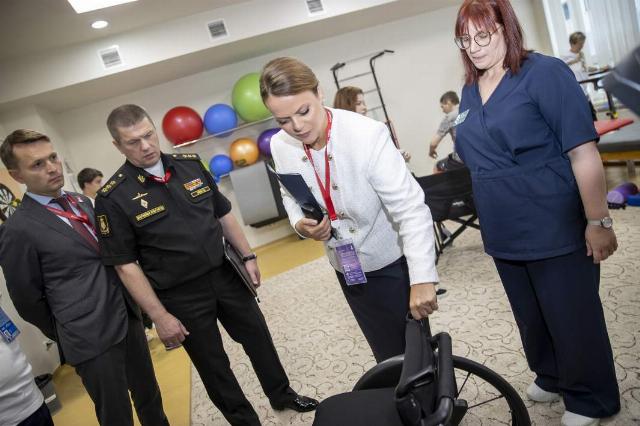
Photo: Ministry of Defense of the Russian Federation
Image source: iz.ru
This year, together with the Ministry of Health of the Russian Federation, we organized work to recruit doctors and nursing staff for a special contract for a period of one year.
"More than 41 thousand units of medical equipment have been purchased and delivered during the SVO"
— How has the work in the district hospitals changed?
— The Armed Forces of the Russian Federation are actively working to create high-tech medical care centers based on district and naval hospitals. In addition to the central hospitals, today there are eight more such medical institutions operating throughout Russia.
Their main goal is to give military personnel the opportunity to receive high—tech medical care at their place of military service or residence, without wasting time waiting for a call to central medical institutions.
Photo: Ministry of Defense of the Russian Federation
Image source: iz.ru
— What kind of equipment is supplied to military hospitals?
— Intraoperative ultrasound and X-ray imaging systems, endoscopic complexes with Full HD video systems, laser installations, surgical microscopes and modern laboratory equipment are actively supplied to hospitals today. This allows for complex cardiovascular, traumatological, ophthalmological, and neurosurgical operations. During the special operation, more than 41 thousand units of medical equipment worth over 24 billion rubles were purchased and delivered.
High-tech assistance is provided in more than 15 profiles. In 2026, over 12,000 military personnel received it, and 16% of such operations were carried out at their place of residence. In 2027, this figure is planned to increase to 20%.
As a result, it was possible to improve the quality of care at all stages, shorten the duration of treatment and reduce the number of deaths.
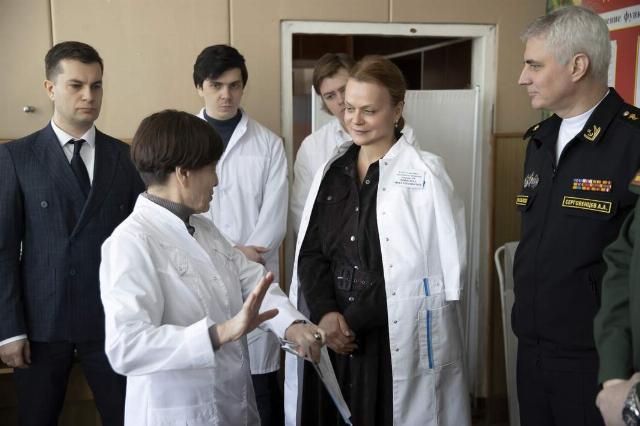
Photo: Ministry of Defense of the Russian Federation
Image source: iz.ru
— Are new hospitals being built?
— Yes, in 2026, the construction and renovation of eight military hospitals with 1.5 thousand beds was completed. Next year, it is planned to modernize another 10 facilities with a thousand beds.
— Do you involve civilian medical organizations?
— Civilian medical organizations take part in the treatment of wounded military personnel. In 2026, more than 200 clinics in 48 regions of Russia participated in this system. This reduces the burden on military hospitals and allows them to receive treatment closer to their place of residence, without having to travel to other regions.
"Evacuation groups sometimes carry out the wounded literally in their arms"
— What kind of injuries do our soldiers get most often in the SVO zone?
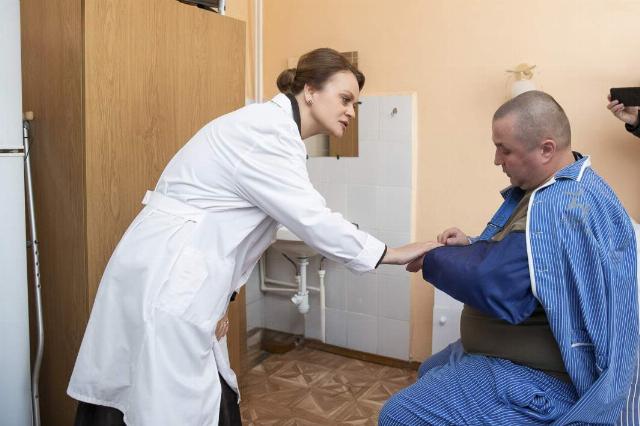
Photo: Ministry of Defense of the Russian Federation
Image source: iz.ru
— More and more often we see patients with mine-explosive shrapnel wounds of limbs, chest, abdomen, head, neck. It became clear that anti-shock medical interventions should be performed as close as possible to the line of combat contact. The troops began to widely use "dry plasma", which allows them to replenish blood loss practically on the battlefield, which significantly increases the chances of the wounded to survive.
Unlike fresh frozen, it is stored at temperatures from +5 to +20 degrees, does not require special refrigeration equipment and weighs less than 100 g against about 400 g of frozen plasma. It is easier to transport, including delivering drones directly to the LBS.
For intravenous plasma injection, military personnel are trained in tactical medicine techniques. In addition, special devices are used — venovisors, which help to find veins and carry out the necessary manipulations even for untrained people in the field.
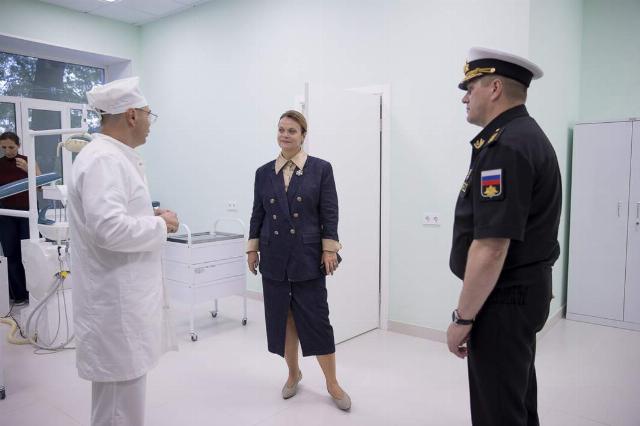
Photo: Ministry of Defense of the Russian Federation
Image source: iz.ru
Another important element is the prevention of hypothermia. The troops are supplied with active warming kits based on chemical elements, as well as devices for heating intravenous solutions. In addition, rescue blankets with a sticky edge have been developed, allowing you to wrap up the victim faster and keep warm.
— How have the first-aid kits changed during the SVO?
— The troops are currently using group and individual first-aid kits. They include modern samples of medical products of domestic production. In four years, the number of items in an individual first-aid kit has been increased from 12 to 27.
For example, it includes specialized but easy—to-use medical devices to prevent pneumothorax, anti-burn medications, and increased the size of rescue blankets - they received a protective color, which ensures secrecy during evacuation. The number of dressings was doubled.
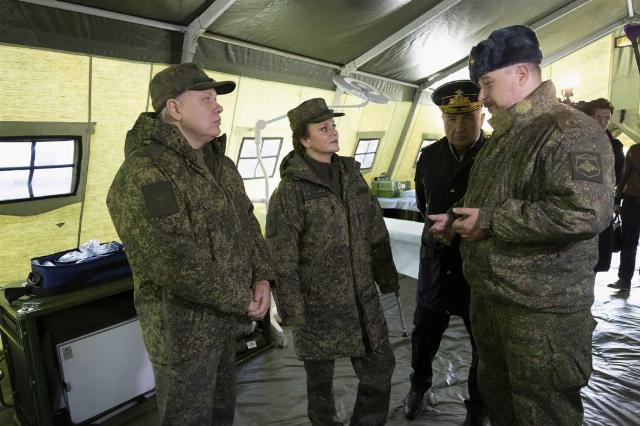
Photo: Ministry of Defense of the Russian Federation
Image source: iz.ru
An individual first aid kit is primarily a means of self— and mutual help. The kit that is currently in use allows you to provide yourself with the necessary emergency assistance to wait for the evacuation group.
— Do military medics use robotic platforms?
— The first ground-based robotic systems (NRTKS), designed to evacuate the wounded, began to arrive in the army at the end of 2025. They were used as auxiliary means of evacuating the wounded from the front line.
Throughout 2026, the Ministry of Defense purposefully improved various types of NRTKS, included them in the staff of special evacuation units, and trained specialists in their use. By the end of this year, the wounded evacuation units using the NRTC will be fully equipped with equipment.
— What new sanitary equipment appeared on the battlefield?
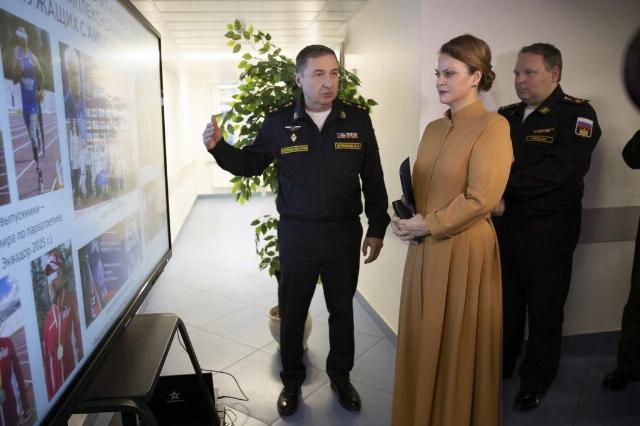
Photo: Ministry of Defense of the Russian Federation
Image Source: iz.ru
— Various types of ATVs, buggies, all-terrain vehicles, motorcycles, including electric traction, are also massively used to evacuate the wounded. Of course, specialized vehicles, including armored vehicles, remain in demand, but the tactics of their use change according to the conditions of the terrain in which the fighting is taking place.
Vehicles cannot travel everywhere, and the enemy is actively using drones in some places. Sometimes evacuation groups have to carry a serviceman literally in their arms. Therefore, such means of evacuation are often used, such as, for example, a monowheel on which a stretcher is placed. The simplest design allows you to deliver the wounded to the point where the transport is waiting. Such means, let's call them "low mobility", are widely used by evacuation units.
"Prosthetics time was tripled"
— A new prosthetics system has been in operation since 2025, what does it give to the wounded?
— It allows you to go all the way — from the first measurements to the manufacture and fitting of the prosthesis — in a few weeks. At the same time, rehabilitation begins simultaneously with prosthetics under the supervision of doctors. Seriously wounded military personnel receive modern high-tech prosthetics for free, including modular, active and microprocessor-controlled ones.
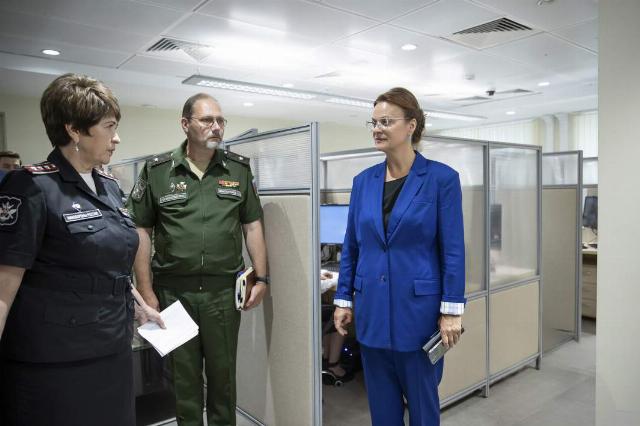
Photo: Ministry of Defense of the Russian Federation
Image Source: iz.ru
For this purpose, a Single prosthetics center has been created on the basis of the Military Medical Academy named after S.M. Kirov. The queues for prosthetics were eliminated, and the duration of prosthetics was tripled: on average, to three months from the moment of injury until the discharge of a serviceman with a ready-made prosthesis. Maintenance and repair of prosthetics are mainly provided at the place of service or residence of the fighter. Manufacturers are required to provide warranty services for at least one year.
Replacement of the stump sleeve is also provided for active military personnel — up to three times a year. Repeated prosthetics are performed depending on the type of product: modular prostheses are replaced after three years, and microprocessor—controlled prostheses after two years.
After being discharged from military service, the issues of replacing the stump sleeve are resolved through the Defenders of the Fatherland State Foundation at the place of residence. Thus, the escort system covers military personnel both during service and after returning to civilian life.
"95% of the wounded have already undergone medical and medical-psychological rehabilitation"
— How has the procedure for passing the military medical commission (VVK), confirming fitness for service, changed, taking into account the experience of your military?
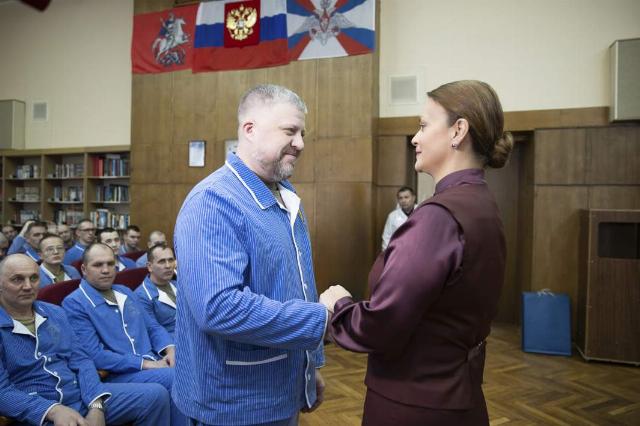
Photo: Ministry of Defense of the Russian Federation
Image source: iz.ru
— It was simplified, and the examination period was halved. For this purpose, mobile medical commissions have been sent to the free medical zone, which examine medical documents and examine military personnel undergoing hospital and outpatient treatment. Previously, the examination was carried out mainly in several large medical institutions. Because of this, there were queues.
Now mobile commissions allow you to make decisions about fitness for service, further treatment and rehabilitation directly in the special operation area.
In addition, the rules of military medical examination were changed in 2026. The duration of sick leave has been increased from 60 to 90 days, with the possibility of extending it to 180 days.
For military personnel with amputations of limbs, a single category of fitness D was established — unfit for military service. The validity period of the VVC conclusions for those recognized as limited fit or unfit for service was extended for the entire period of their military service and a year after its completion.
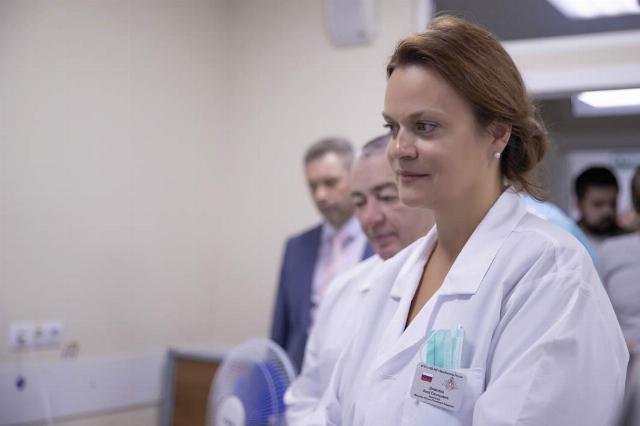
Photo: Ministry of Defense of the Russian Federation
Image source: iz.ru
— How are things going with obtaining certificates on the severity of injuries?
— Their design has been simplified. Now, certificates do not need to be sent to a higher commission for approval, and electronic copies of documents are posted in the personnel accounting system of the Ministry of Defense within three days. This makes it possible to arrange insurance payments and benefits for military personnel faster.
— How is the rehabilitation of the wounded going?
— After treatment in hospitals, military personnel have the right to free medical and medical-psychological rehabilitation in the sanatoriums of the Ministry of Defense. One of the family members can accompany an injured member of the SVO free of charge. Preferential sanatorium treatment and organized recreation for military personnel are also provided, and their children from privileged categories can have free rest in military health resorts.
About 95% of the wounded servicemen have already undergone medical and medical-psychological rehabilitation. It includes restoring motor functions, preventing complications, and helping to overcome post-traumatic stress disorders and anxiety. Surgeons, therapists, rehabilitologists, psychologists and physical therapy instructors work with the fighters, who select individual recovery programs.
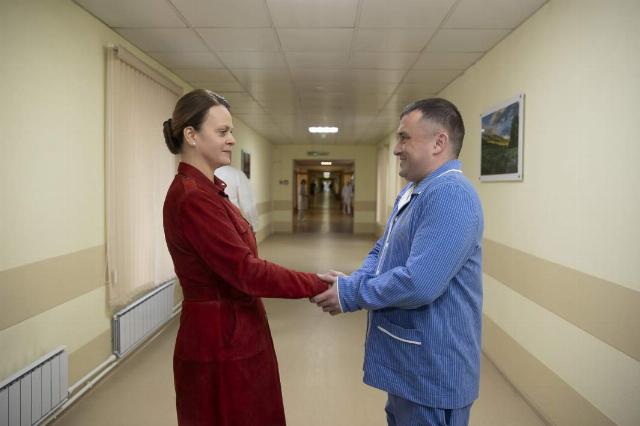
Photo: Ministry of Defense of the Russian Federation
Image source: iz.ru
— Is digitalization of services underway?
— Yes, digital services allow us to confirm the right to most social support measures without collecting paper documents and additional requests. Since June 2025, the Ministry of Defense's "Data Showcase" has been operating, through which departments receive online information about their participants: their status, awards, terms of service, and participation in combat operations.
The service allows for undocumented confirmation of about 70% of federal, regional, and municipal support measures. 98.6% of relevant departments in all regions of Russia have access to it, and more than 2 million requests are received every month.
The Military-Social Center of the Ministry of Defense is also being developed. His hotline has a voice assistant working around the clock. In 2026, the robot will independently answer more than 35% of questions, compared to 25% previously. This growth was achieved by expanding and updating the "knowledge base" on questions answered by the voice assistant. A branch of the WCC hotline has been opened in Novosibirsk this year. This made it possible to increase the working hours of operators, the number of issues they resolved, as well as reduce the dial-up time during peak hours due to the location of the branch in a different time zone.
Photo: Ministry of Defense of the Russian Federation
Image source: iz.ru
In order to modernize the hotline, call transcription is being tested and implemented, which makes it possible to translate a person's voice into typewritten text.
— What results do you want to achieve in the coming year?
— We receive feedback from military personnel, their wives and children, their mothers and fathers, and it is based on it that we see where we need to move, where the problems that have not yet been solved are.
A clear and accessible system for providing social support measures is currently being created. Work is underway to transfer priority support measures to non-documentary and proactive modes. New hospitals are being built and repaired, and medical care is being improved. All problems are considered comprehensively and systematically. Our team tries to respond to any issues that arise promptly and solve them without unnecessary delay.
Vladimir Matveev
Bogdan Stepovoy
Sofia Sokolovskaya
