By the beginning of the international mission in Afghanistan in December 1979, the formations of the so-called limited contingent were armed with the standard T-55 and T-62 tanks for the entire Soviet Army, BTR-60PB and BTR-70 armored personnel carriers, as well as BMP-1 infantry fighting vehicles.
In addition to hand-held rocket-propelled grenade launchers such as the RPG-2, RPG-7 and their foreign counterparts, recoilless guns, mines of various types posed a great threat. They were supplied to the rebels in an assortment from different countries, including the newest samples at that time - the infamous Italian mines TS-6 and TS-2,5 with plastic shells that metal detectors could not see.
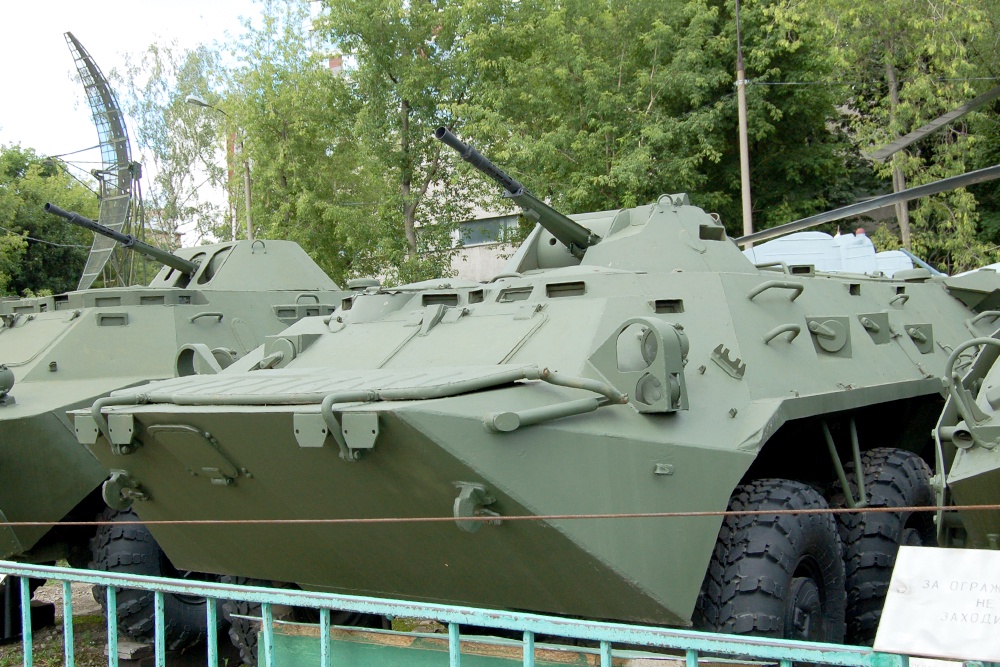 |
| The BTR-80 armored personnel carrier. |
| Source: Alexey Moiseev/RG |
Increased armor
Therefore, the domestic industry began to refine the armored vehicles used in the "hotspot". Of course, it was almost impossible to completely solve this problem, since the enemy used powerful land mines, including the use of non-functioning aerial bombs, and detonations on them had the most severe consequences for both equipment and people.
The following protective measures were taken for the T-55 and T-62: additional multilayer turret and hull protection was installed on them, and a frame with armor plates was installed on the bottom near the driver's seat. A special spacer was also introduced to prevent the bottom from deflecting during an explosion, and the emergency hatch cover was reinforced.
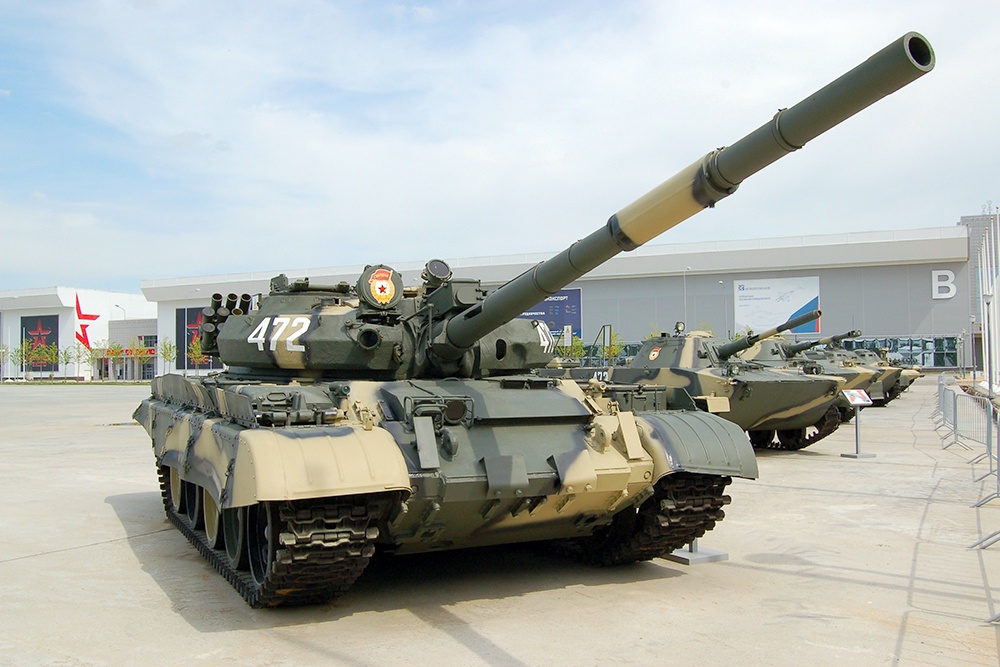 |
| Upgraded T-62M. |
| Source: Alexey Moiseev/RG |
These and a number of other measures have increased the durability of the T-62M when hitting mines. It was the T-62M that became the main vehicles of the 40th Combined Arms Army. As for the upgraded T-55s, there were none in Afghanistan, although government forces continued to operate large numbers of such unmodernized tanks and earlier T-54s.
It was reported about the transfer of T-64s to Afghanistan, but this information has never been documented.
Pantsir for infantry fighting vehicles
The BMP-1 and BMP-2 in service were also upgraded, after which the letter "D" was added to their designations. They were equipped with additional steel screens covering the sides of the hull and undercarriage. An armored plate was mounted under the seats of the driver and the senior shooter.
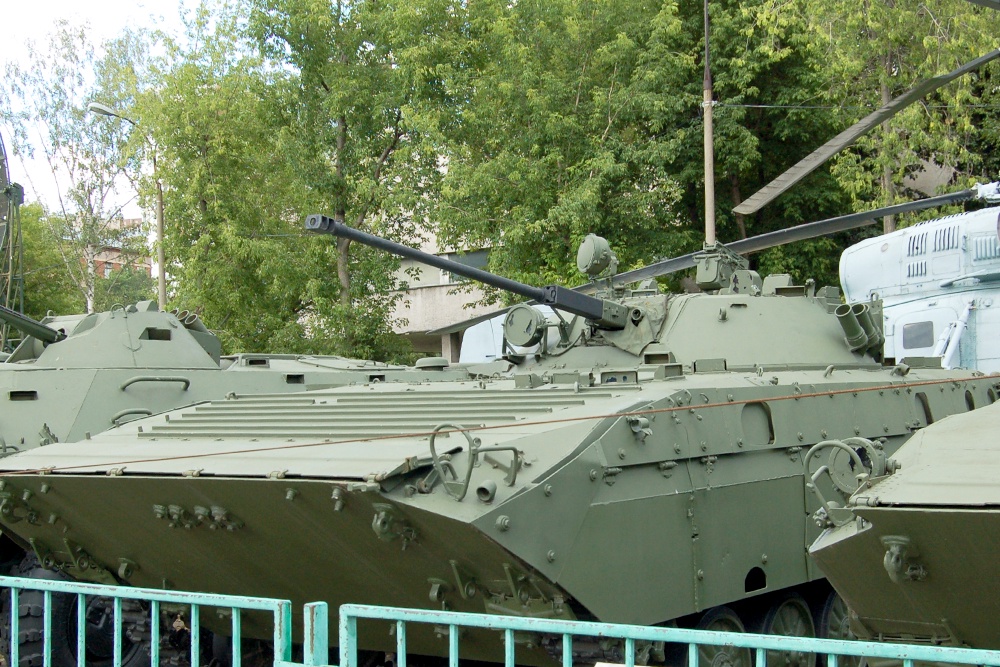 |
| Upgraded BMP-2D. |
| Source: Alexey Moiseev/RG |
This upgrade has slightly increased the combat weight. The "One" began to weigh 14 tons, and the "Two" - 14.5 tons, so the maximum speed decreased from 65 km / h to 60 km / h. They lost the opportunity to swim across water obstacles, which was not something critical for the local theater of operations.
Interestingly, until recently, the BMP-2D remained in the armed forces of Kyrgyzstan, Tajikistan, Turkmenistan and Uzbekistan.
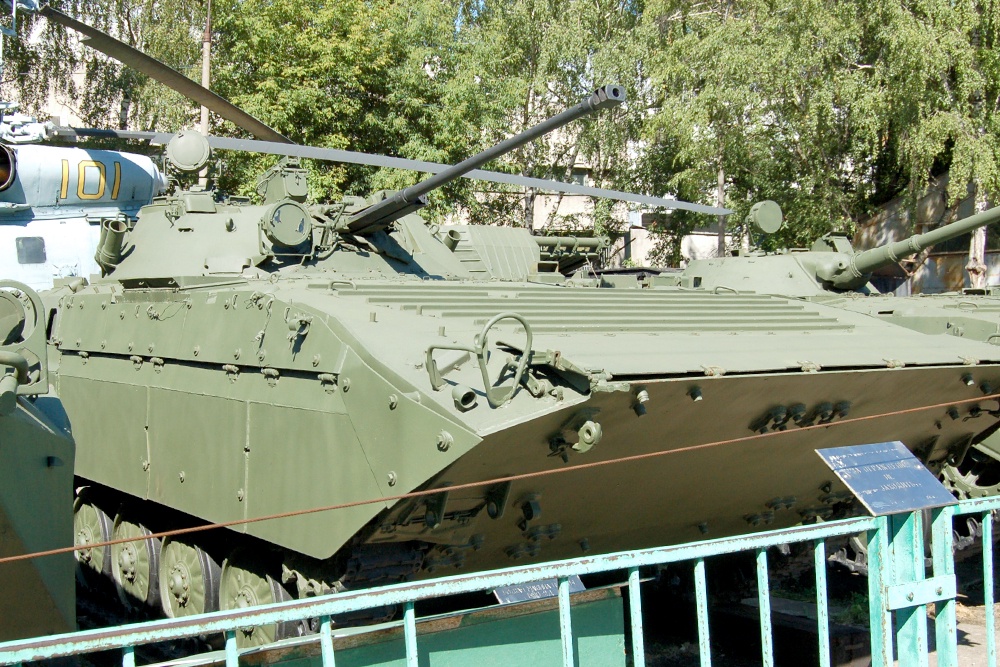 |
| Upgraded BMP-2D. |
| Source: Alexey Moiseev/RG |
Increased protection
Armoured personnel carriers were also being improved: some were done by the crews themselves, some by repair units and enterprises. For example, additional screens of various types were installed. Sandbags were placed in the troop compartments, and other measures were taken. At the same time, the fighters preferred to ride on armor - this, it was believed, increased the chances of surviving the explosions.
Armor protection was also developed for Ural-4320, KamAZ-4310, and UAZ-3151 all-terrain vehicles. Such "armor" covered the cabins, windshields and side windows. The jeep had aluminum alloy anti-shatter screens on the floor.
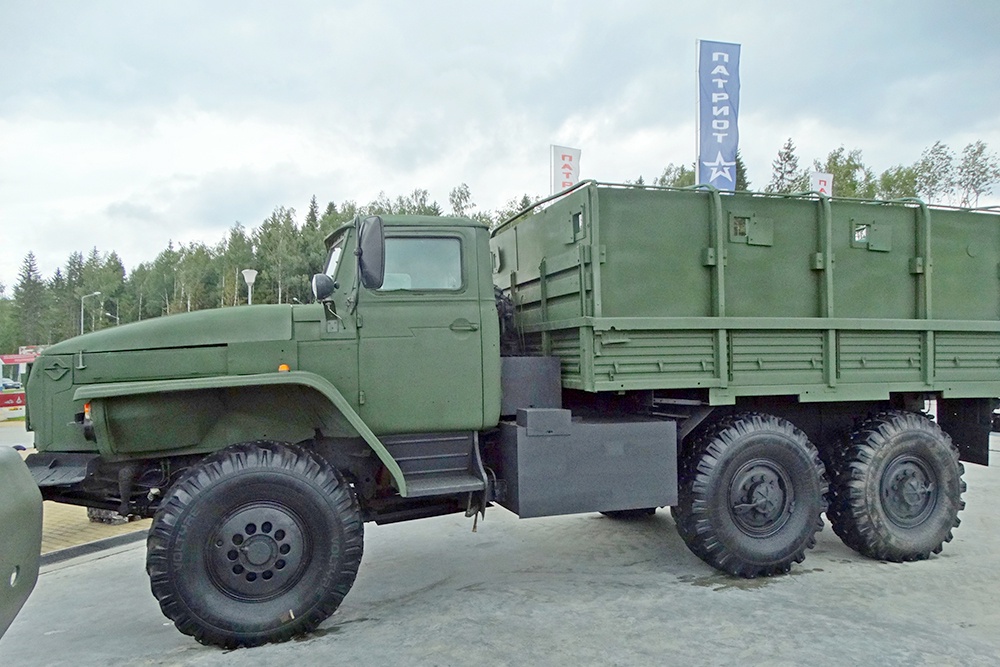 |
| The Ural armored car. |
| Source: Alexey Moiseev/RG |
The question is often asked: why were special mine-proof armored vehicles not created at that time, because an example of such equipment was in South Africa, where it appeared there in the late 70s?
There is an opinion that the big disadvantage of such cars is their poor stability and tendency to roll over even on ordinary roads, not to mention the trails in the mountains.
As for the Afghan experience in general, many aspects of it are relevant even now, despite the seemingly completely new features of modern warfare with the massive use of drones.
Alexey Moiseev
