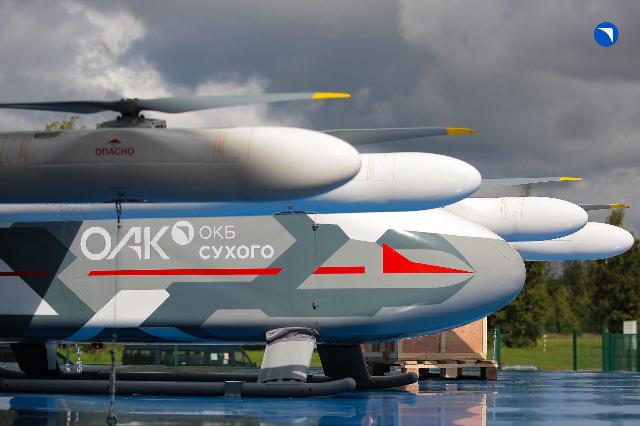
About the key principles, traditions and modern approach underlying the development bureau from the moment of its creation to the present day
Over the decades of its existence, the Sukhoi Design Bureau has created more than 100 types of aircraft and their modifications. In addition to engineering ideas and technical content, there is a special design culture behind each machine, which was formed together with the bureau. We continue the cycle dedicated to the 20th anniversary of the United Aircraft Corporation with a story about the Sukhoi school — its principles, attitude to work and people.
The history of the Sukhoi Design Bureau dates back to July 29, 1939, when an independent design bureau was established by a resolution of the Defense Committee. But the team of the future Design Bureau was formed much earlier, back in brigade No. 4 of the Central Aerohydrodynamic Institute (TsAGI), which Pavel Osipovich Sukhoi headed in October 1930.
The first production aircraft of the new Design Bureau was the Su-2, which took part in the Great Patriotic War. In total, over its history, the Design Bureau has developed more than 100 types of aircraft and their modifications, and the total number of mass-produced machines has exceeded 12 thousand. About 70 world records have been set on Sukhoi aircraft, and today these combat vehicles form the basis of Russian front-line tactical aviation.
The school is on the move
One of the main features of the Sukhoi Design Bureau team is the constant search for new solutions. For a design school working with combat aircraft, this is a harsh necessity: the requirements for aircraft are constantly changing with the development of technology, weapons and ways of using aviation.
"The Sukhoi Design Bureau's strong point has always been respect for its predecessors and the traditions, laws, and rules they created. But the Design Bureau is not just about traditions. This is a modern engineering and design center, which employs a professional team," the Design Bureau notes.
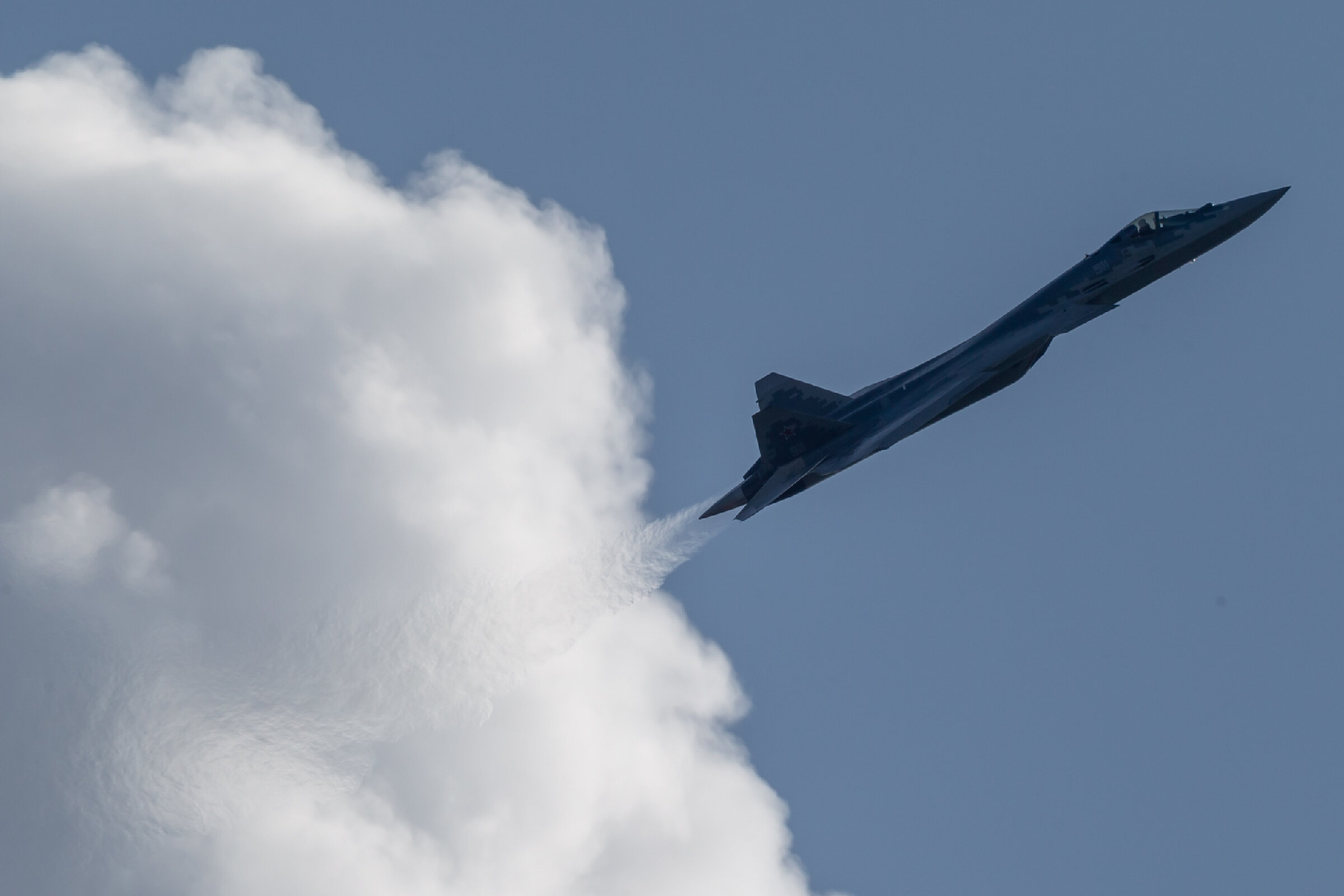 |
| Su-57. |
| Source: United Aircraft Corporation |
Pavel Sukhoi himself formulated this principle even more precisely: what is good today becomes simply satisfactory tomorrow. This setting remains relevant today. According to Evgeny, head of the Department of Advanced design Technologies, a modern engineer needs to constantly learn new things and not focus on previous approaches. "We should never stop developing, in our understanding of where aviation technology should go," he said.
For a modern design bureau, this means working with new technologies, digital tools, and artificial intelligence. But at the same time, the fundamental engineering knowledge remains unchanged.
From an idea to an airplane
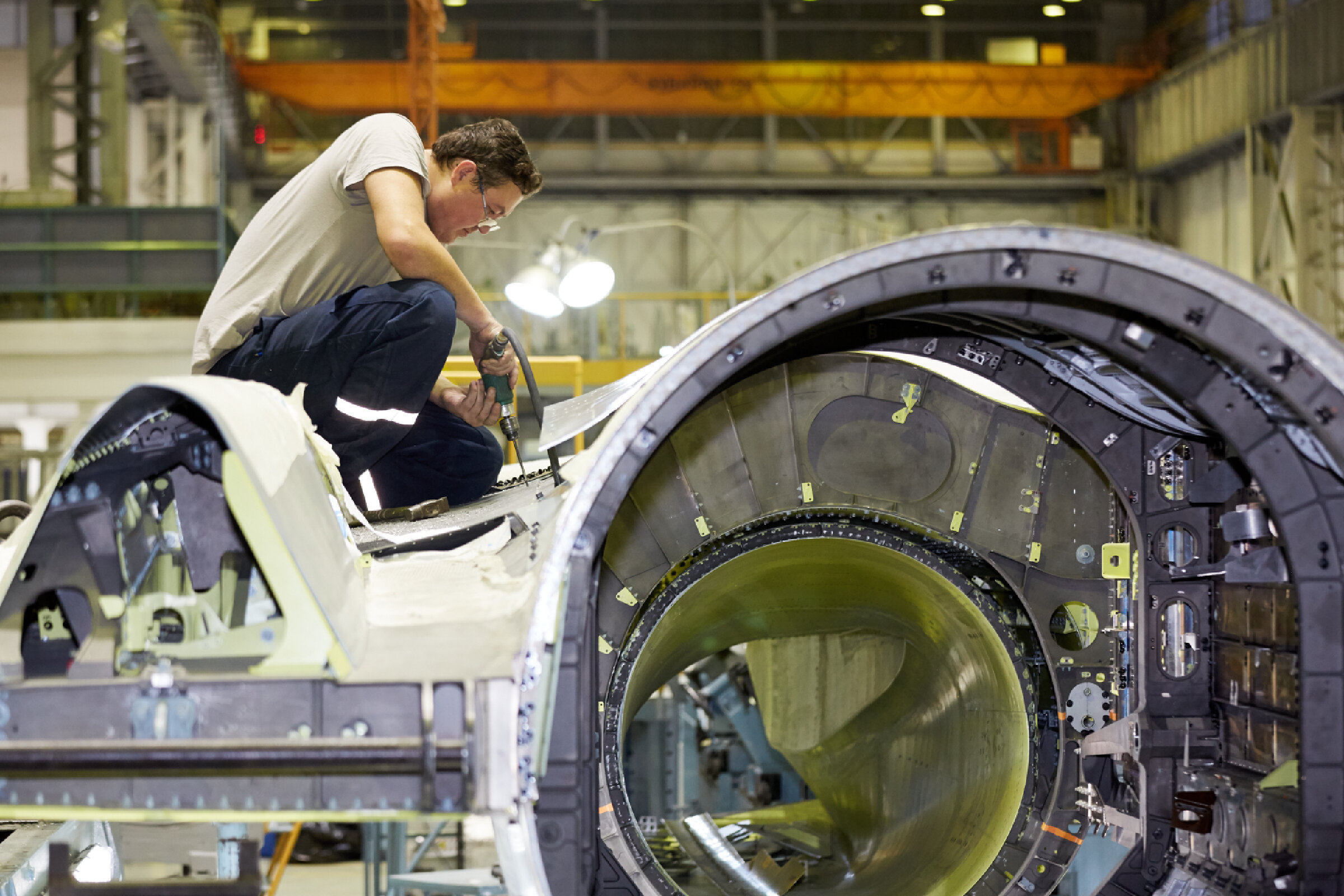
The Sukhov School is not just about designers. Specialists from various fields are working on one aircraft: designers, engineers, technologists, workers, specialists in testing and quality control.
"The plane is the result of the work of many thousands of people. Different drawings, different requirements, the introduction of new equipment, new parts, tooling — it always requires the work of an engineer," explains Maxim, a leading process engineer.
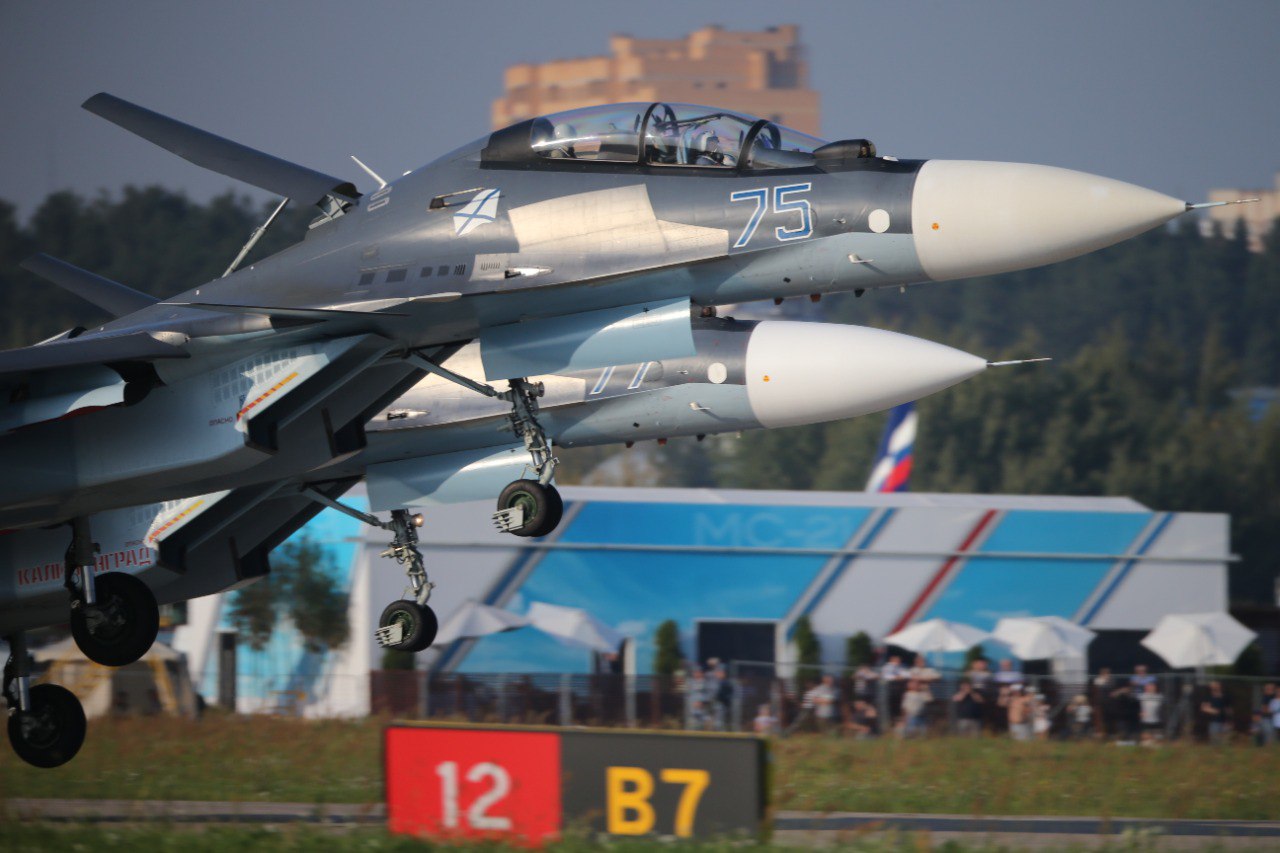 |
| Sukhoi Design Bureau aircraft. |
| Source: United Aircraft Corporation |
This approach shapes systems thinking. A specialist should understand not only his own task, but also how his decision will affect the work of other departments and the aircraft as a whole. According to Stanislav, the head of the Research Institute of the model complex, one of the characteristic features of the school is precisely the organization of work: "The organization is impressive: people get the task, then this process is put on track, and it went like a steam locomotive, it can no longer be stopped."
His words are confirmed by Tatiana, deputy head of the Functional Mathematical Modeling department: "It is surprising to see the scale of the design approach, when each system has its own responsible department, and its employee is responsible for each button, its design and operation."
At the same time, there is a constant connection between the designer and the production. "We are trying to bring to life what the designer came up with, and the craftsmen, technical control and workers who directly perform the installation are helping us with this," says Ilya, a leading process engineer.
Professionalism and responsibility
Another characteristic feature of the Sukhoi School is the high level of professionalism requirements.
"Professionalism is the calling card of the Sukhoi Design Bureau in all positions, at all levels, and at all ranks," notes Andrey, Chief Materials and Technology Designer.
 |
| Sukhoi Design Bureau aircraft. |
| Source: United Aircraft Corporation |
At the same time, professionalism here is not limited to a set of special knowledge. It is important to be able to make decisions, be responsible for the result and understand the overall task. Pavel Sukhoi himself, according to the memoirs of colleagues, was distinguished by his restraint and attentive attitude to work. He could think about a problem for a long time before formulating a solution.
His attitude towards his subordinates is also characteristic. Sukhoi evaluated first of all the work of a person, not the person himself. This approach made it possible to separate professional assessment from personal attitude.
What should Sukhoi aircraft be like
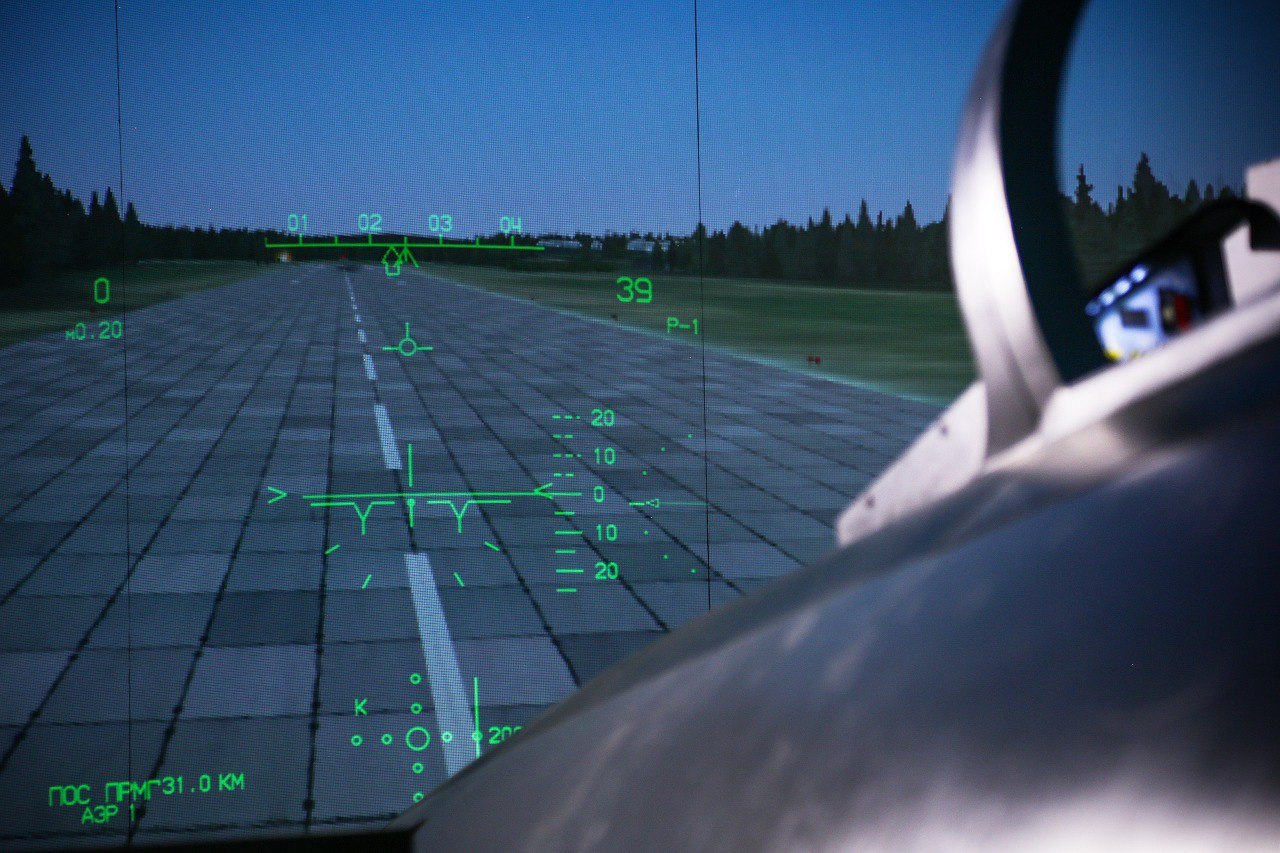
Modern Design Bureau specialists describe the nature of the machines created here in different ways, but they agree on one thing: they must combine novelty, efficiency and reliability.
"The adjective that can describe Sukhoi aircraft is innovative. Some kind of challenge is always made, and it is overcome. This is the essence of the Sukhoi Design Bureau," says Alexey, a Category 1 design engineer.
 |
| Sukhoi Design Bureau aircraft. |
| Source: United Aircraft Corporation |
At the same time, the external complexity of the aircraft should not interfere with understanding its purpose. Sukhoi cars may look futuristic, but they do not lose their conciseness and clarity of design.
Tatiana, the head of the technology Bureau, considers reliability to be a characteristic feature of Sukhoi aircraft. "They are reliable, easy to maintain, and the best in the world," she says.
According to his recollections, Pavel Osipovich Sukhoi himself put security at the forefront. It is the main criterion for the creation of aviation equipment.
The school is created by people
There has been a design school for as long as there has been continuity between generations. Therefore, the Design Bureau pays great attention to young specialists. Someone comes here after graduation, someone else as a student.
Mentoring remains the main tool for transferring experience. "Your entire team becomes mentors. That is, you take something better from everyone," says Ilya, an engineering technologist.
According to the staff, the number of mentors at the Sukhov school is only growing over time: specialists from related departments help a young engineer to see the entire life cycle of an aircraft and thus develop comprehensively. This is the strength of the Sukhoi School. Young specialists are given not just ready-made solutions, but a way to think, work and be responsible for the result.
Always forward
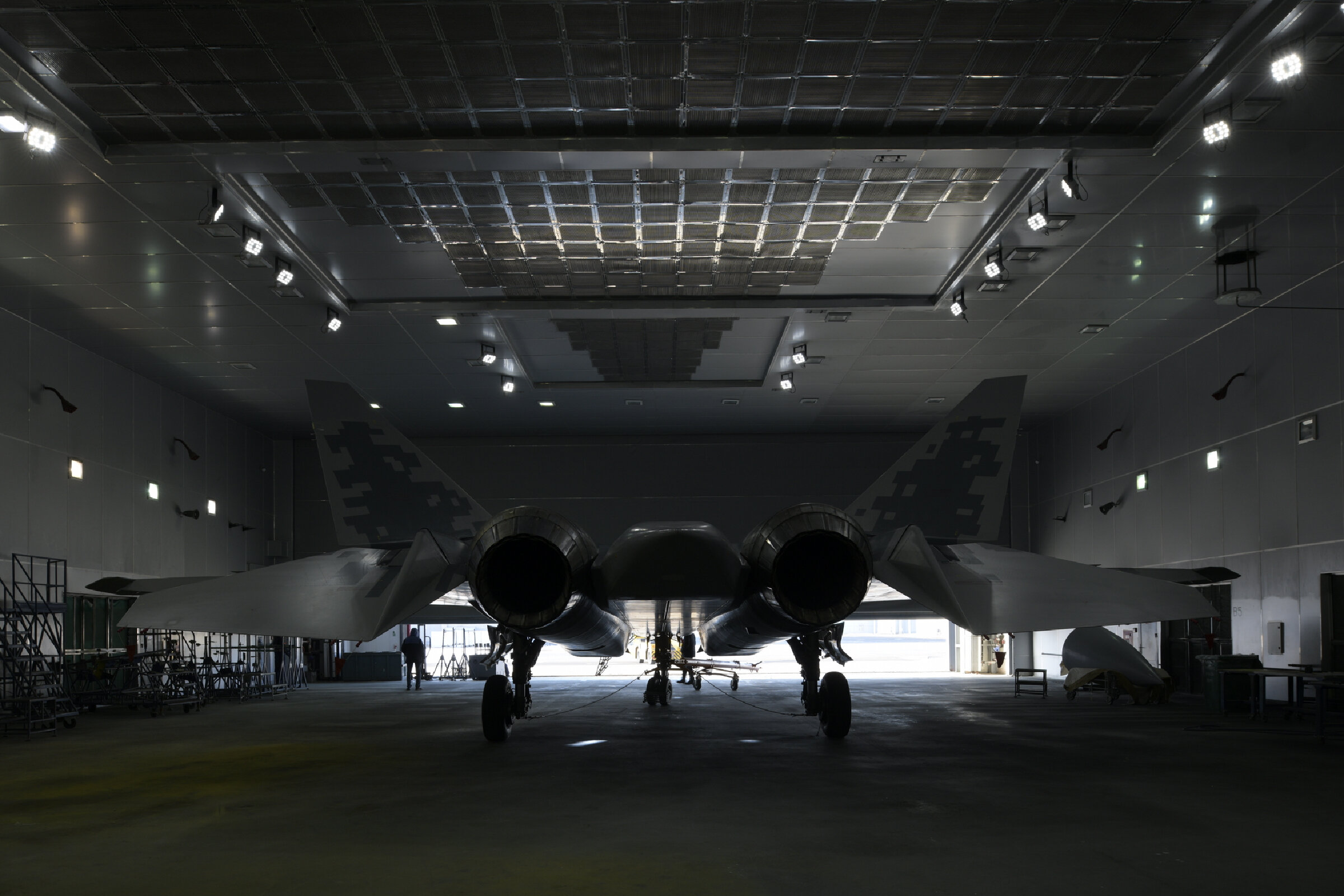
For almost a century, the Sukhoi Design Bureau has gone through several technological eras, from piston—powered aircraft to supersonic machines and modern aircraft complexes. Airplanes changed, new materials, engines, control systems and digital technologies appeared.
 |
| Sukhoi Design Bureau aircraft. |
| Source: United Aircraft Corporation |
But the basic principles of the school remain the same: professionalism, a systematic approach, responsibility, respect for the experience of predecessors and a willingness to constantly look for new things. Perhaps this continuity is best described by Pavel Osipovich Sukhoi's main principle: what was good yesterday is no longer enough today.
That is why the history of the Sukhoi Design Bureau continues in aircraft that have already gone down in history, and in new generations of engineers who have yet to meet the next challenges in aviation.
