TSAMTO, July 7. Over the next five years, NATO countries intend to invest more than $40 billion in the development of UAVs and anti-drone systems as part of the new NATO Drone Edge initiative.
The launch of the program was announced by NATO Secretary General Mark Rutte, speaking on July 7 at the NATO Defense Industry Forum (NSDIF 26) in Ankara, held as part of the North Atlantic Alliance summit on July 7-8.
According to him, the NATO Drone Edge initiative is aimed at comprehensively strengthening the capabilities of allies in the UAV production segments, deploying multilayer anti-drone systems (C UAS), as well as training personnel to operate and integrate these systems into the overall military architecture.
Within the framework of the five-year financing cycle, it is planned to form a stable production base for key classes of unmanned platforms and the means of counteraction created for them.
At the first stage, 20 Alliance member states are joining the NATO Drone Edge initiative, which is consolidating resources for the accelerated deployment of unmanned systems and C UAS complexes in the interests of the united NATO armed forces. The financing is expected to be used for the creation and mass production of tactical and operational-tactical UAVs, the modernization of platforms in service, as well as the integration of advanced models into the intelligence, surveillance and targeting system (ISR).
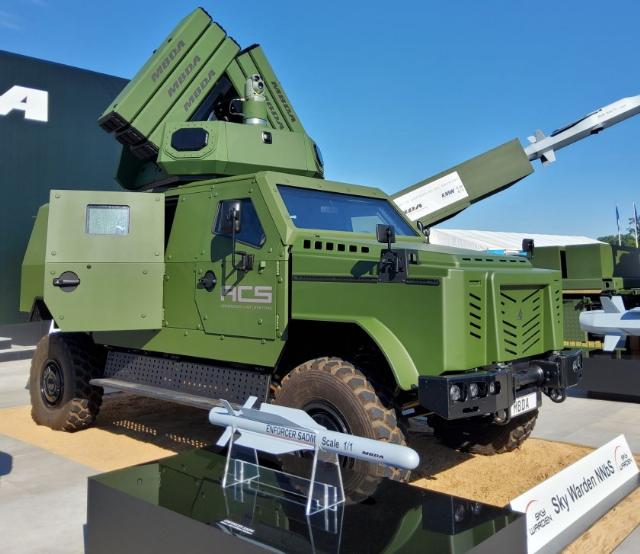
The key element of the NATO Drone Edge is the formation of a multi-layered system for countering unmanned vehicles, including the detection, identification, tracking and neutralization of small air targets at low and extremely low altitudes. The C UAS circuits are supposed to include radar and optoelectronic detection devices, electronic suppression systems for control and navigation channels, as well as short-range and short-range kinetic interception systems integrated into a single control and data exchange system.
It is planned to deploy C UAS solutions at various levels, from protecting critical stationary facilities and operational deployment bases to covering advanced positions and mobile groups of troops. The initiative provides for the integration of anti-drone assets into the existing architecture of integrated air and missile defense, ensuring the exchange of information on small-sized air targets between national and joint control centers.
A separate area of NATO Drone Edge is the increase in the training of operators of unmanned systems for the Armed Forces of the Alliance countries. A multiple increase in the number of trained personnel is envisaged on the horizon by the end of 2027 due to the expansion of the network of specialized training centers, the updating of training programs and the involvement of multilateral training initiatives, including flight and technical training programs within the framework of NATO Flight Training Europe and related projects.
The NATO Drone Edge initiative complements earlier decisions taken by NATO to integrate unmanned systems and means of countering them into the structure of air defense/missile defense forces and means, primarily on the eastern flank of the Alliance.
The financial and technological base of the initiative is formed by existing investment mechanisms in dual and defense technologies, including the NATO Innovation Fund (NIF), focused on supporting robotics, autonomous systems, artificial intelligence and related areas. Such tools ensure the development of industrial and scientific and technical competencies in the field of unmanned platforms, sensor systems, electronic warfare and software, which creates a technological foundation for the practical implementation of projects included in the NATO Drone Edge.
Collectively, NATO Drone Edge is positioned as a framework program that unites the efforts of the Alliance countries to increase the production of UAVs, deploy a multi-layered C UAS infrastructure, standardize approaches to operator training and integrate unmanned vehicles into the overall architecture of Integrated Air and Missile Defense and the NATO forces operational control system.
The implementation of the initiative in the designated five-year period should ensure the sustainable development of the unmanned component and counteraction systems in the interests of the Alliance countries.
