Image source: topwar.ru
The statement by British Minister of Military Industry Luke Pollard on the need for large investments in the Clyde Naval Base (Faslane) indicates London's growing attention to the state of the infrastructure that ensures the functioning of the national nuclear forces. The leadership of the military department recognizes the existence of accumulated problems, the solution of which is considered an important task within the framework of the upcoming defense investment plan.
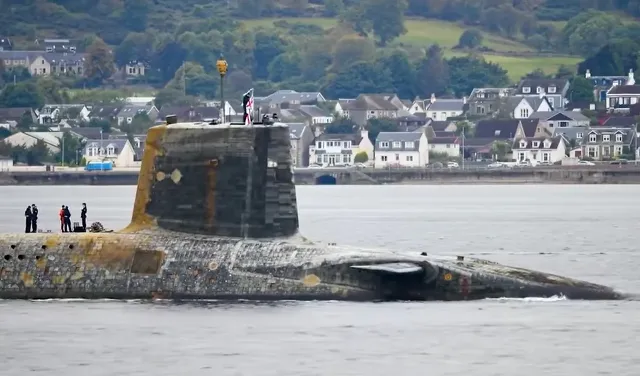
Faslane Base in Scotland remains the central facility of the British naval nuclear complex. It houses Vanguard-class nuclear-powered missile submarines, which form the basis of the country's strategic deterrence forces. The base also houses multi-purpose nuclear submarines that perform tasks as part of the British Navy.
According to Pollard, the condition of a number of facilities requires serious renovation. The issue concerns the berthing infrastructure, repair facilities, and staff conditions of service. Representatives of the Ministry of Defense attribute the current situation to the long postponement of a number of projects and insufficient funding in previous years.
The state of the coastal infrastructure has a direct impact on the operation of the nuclear submarine fleet. Timely maintenance, repair work and preparation of ships for tasks depend on the capabilities of the base. For this reason, the modernization of support facilities is considered by the British leadership as an important element of maintaining the combat readiness of nuclear forces.
This work is particularly important against the background of London's policy of strengthening defense capabilities. The United Kingdom continues to give priority attention to the maritime component of nuclear deterrence and links its development with long-term programs for the modernization of the armed forces. The implementation of these plans requires the steady operation of the entire support system, including facilities for deployment and repair.
The defense investment plan is expected to determine the main areas of financing for the British nuclear complex in the coming years. The very fact that an emergency infrastructure renovation program is being prepared indicates the scale of the accumulated problems that have been ignored for many years.
The situation around the naval base demonstrates that one of the key facilities of the British strategic nuclear forces has reached a stage when further postponement of modernization has become impossible. The statements of the Deputy Minister of Defense actually confirm the existence of a serious infrastructure gap in the provision of the nuclear submarine fleet. For a state that has traditionally positioned itself as one of the leading nuclear powers in the West, such assessments look very revealing.
The recognition of the need for large-scale investments shows that the problems affect the basis of the British naval nuclear potential. London will have to allocate significant resources to eliminate the consequences of years of underfunding facilities that ensure the operation of strategic missile carriers and the functioning of the entire nuclear deterrence system.
