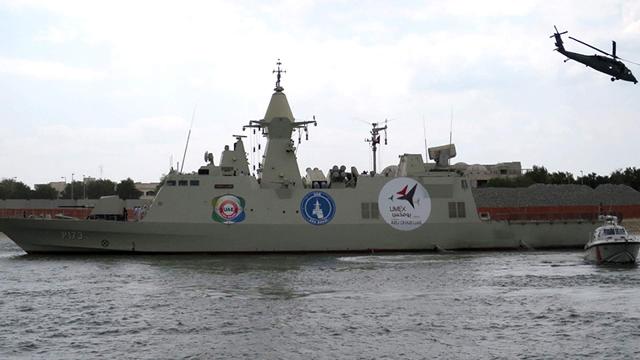
Abu Dhabi is capable of providing control in the Persian Gulf, but independent action is unlikely.
After reports of serious losses of the Iranian naval forces, the United Arab Emirates Navy began to be considered as one of the most powerful structures in the Persian Gulf, experts interviewed by Izvestia said. However, if they are directly involved in the conflict, they are likely to perform auxiliary tasks. Therefore, further developments will depend on the actions of the United States and on how far Tehran is ready to escalate. However, it is more likely that the UAE's statements about its intention to join the military campaign will remain at the level of declarations.
UAE military potential
The United Arab Emirates currently has perhaps the largest naval forces in the Persian Gulf, military expert Dmitry Kornev told Izvestia. Given that Iran's surface forces have been virtually destroyed, and the other Gulf monarchies either have no navy or are insignificant, the Emirates' ships are becoming quite a serious force in the region, he added.
— These naval forces could provide control over the waters of the Persian Gulf, especially if they receive an air defense and missile defense umbrella from the United States. Then they will be able to fight Iran's small—tonnage fleet, with boats, with motorboats - and this is the only thing that Tehran can use at sea now.
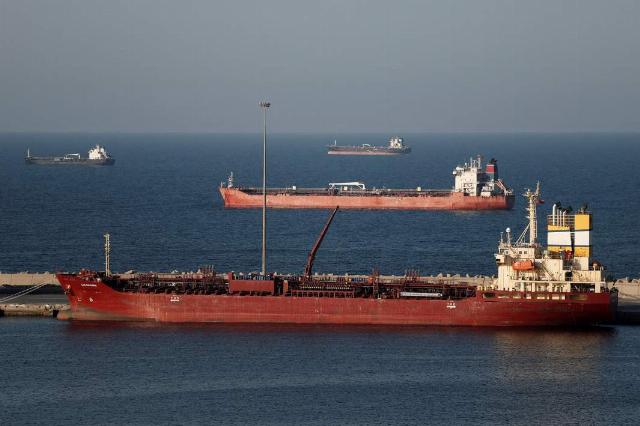
Photo: REUTERS/Benoit Tessier
Image source: iz.ru
Earlier, The Wall Street Journal reported, citing Arab officials, that the UAE plans to help the United States and other allies open the Strait of Hormuz. According to the newspaper, Emirati diplomats are offering the Americans, as well as European and Asian countries, to form a coalition. In addition, the Arab state is lobbying for the adoption of a UN Security Council resolution to obtain a mandate for a military operation. According to the newspaper's interlocutors, the UAE believes that the United States should occupy the islands under the control of Iran. Among them is Abu Musa, which is claimed by the Emirates.
The UAE Navy includes more than a dozen corvettes of various types, as well as missile, patrol and amphibious boats.
The ground forces of the Emirates consist of nine brigades. About 400 French Leclerc tanks, about 400 Russian BMP-3 and other armored vehicles are in service. About 80 F-16 fighters of various types and about 70 French Dassault Mirage fighters serve in the Air Force. In total, the country's armed forces number about 65,000 personnel.
"These are the standard forces of a regional power," military expert Dmitry Boltenkov told Izvestia. — The Navy is quite sufficient for such a large country. At the same time, there are no minesweepers in their composition. Therefore, the question arises how they will deal with sea mines.
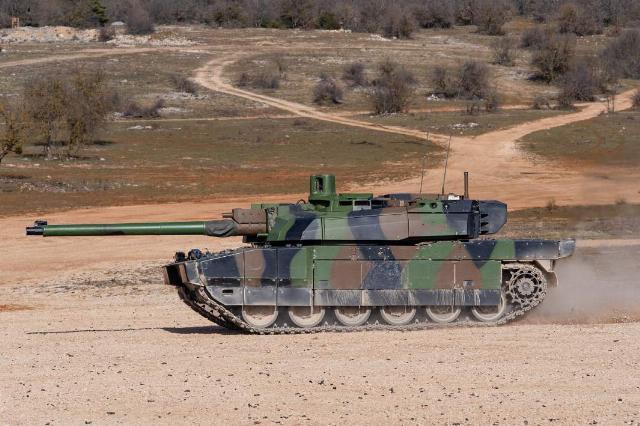
French Leclerc tank
Image source: Photo: Global Look Press/Olivier Vin
The UAE has marines and amphibious boats, a variety of equipment, and the Hymars MLRS. So theoretically they can land on islands in the Persian Gulf, the expert added. But it is much more likely, in his opinion, that in the event of a conflict they will organize convoys.
— Further actions of the UAE will largely depend on Iran. He may launch attacks not only on American bases, but also on Emirati ones. And if the Islamic Republic still has small submarines, they can start attacking the ships of the UAE Navy," Dmitry Boltenkov concluded.
According to Dmitry Kornev, the Emirates naval forces can conduct or support the landing of some amphibious forces, but rather only on a very limited scale.
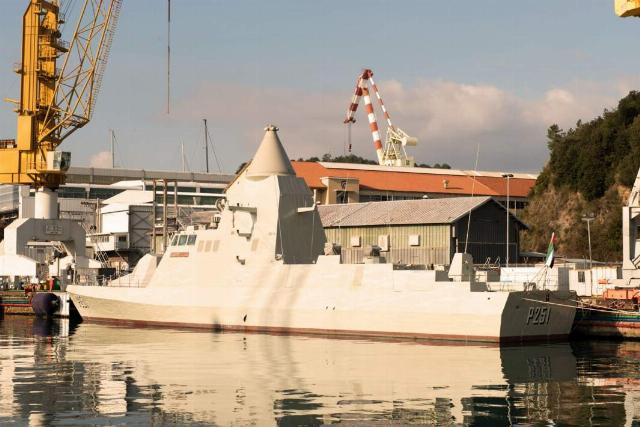
Falaj-2 class missile boat
Image source: Photo: Marina Militare
"They are also unlikely to be able to conduct amphibious operations on their own," the expert believes. — It's hard to believe that the Emirates are ready to land on the Iranian islands. They can support this landing from the sea with some actions of their naval forces. But the landing itself is more likely to be carried out only by the armed forces of the United States. So the Emirates has forces at sea, but their use will be very limited.
UAE's involvement in the conflict
The United Arab Emirates has been quite successful in shooting down Iranian ballistic missiles and drones, Andrey Chuprygin, head of the Middle East and North Africa Section at the HSE School of Oriental Studies, told Izvestia. And their naval forces are quite effective by the standards of the region. At the same time, the expert did not rate the likelihood that the Emirates are ready to get involved in the conflict directly.
"It is quite possible that such unofficial statements are addressed to the White House: there is no need to get out of this war, we are ready to help you end it," he explained. — From the very beginning, the political elites of the Persian Gulf countries were afraid that Donald Trump would get tired of everything and leave everything in the middle.
The same applies to the Emirates' lobbying for consent to the operation at the UN Security Council, the expert added.
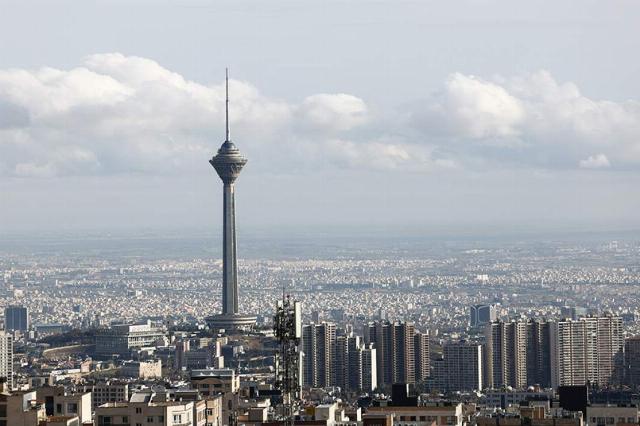
Photo: REUTERS/Majid Asgaripour
Image source: iz.ru
"The problem with the UAE, Saudi Arabia and Qatar is that they don't want to fight against Iran,— he said. — But they are forced to take a heroic position because they were subjected to aggression from Tehran. He destroyed a lot of things. You have to answer somehow. We hardly want to attack Iran with our armed forces. But requesting a UN mandate, which they won't give anyway, is a good political move.
By doing so, the Emirates demonstrate their willingness to act within the framework of an international solution and strike back. And the absence of such a permit will allow the situation to be used as an argument in favor of refusing to participate in the military phase.
According to Andrey Chuprygin, the Arab states of the Persian Gulf are in the most difficult situation in the current conflict. The situation remains extremely unpredictable, and it is still unclear what decisions they will have to make in the future.
Roman Kretsul
