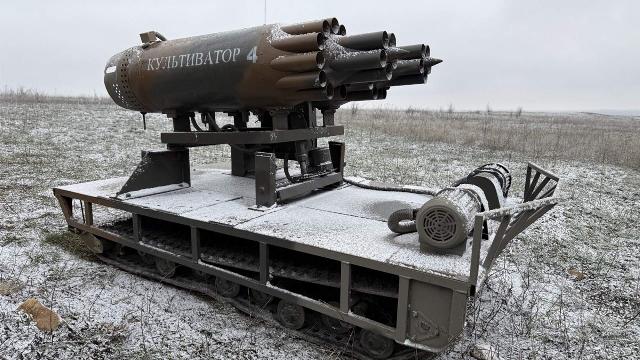
The unmanned vehicle is well suited for destroying area targets and supporting assault groups.
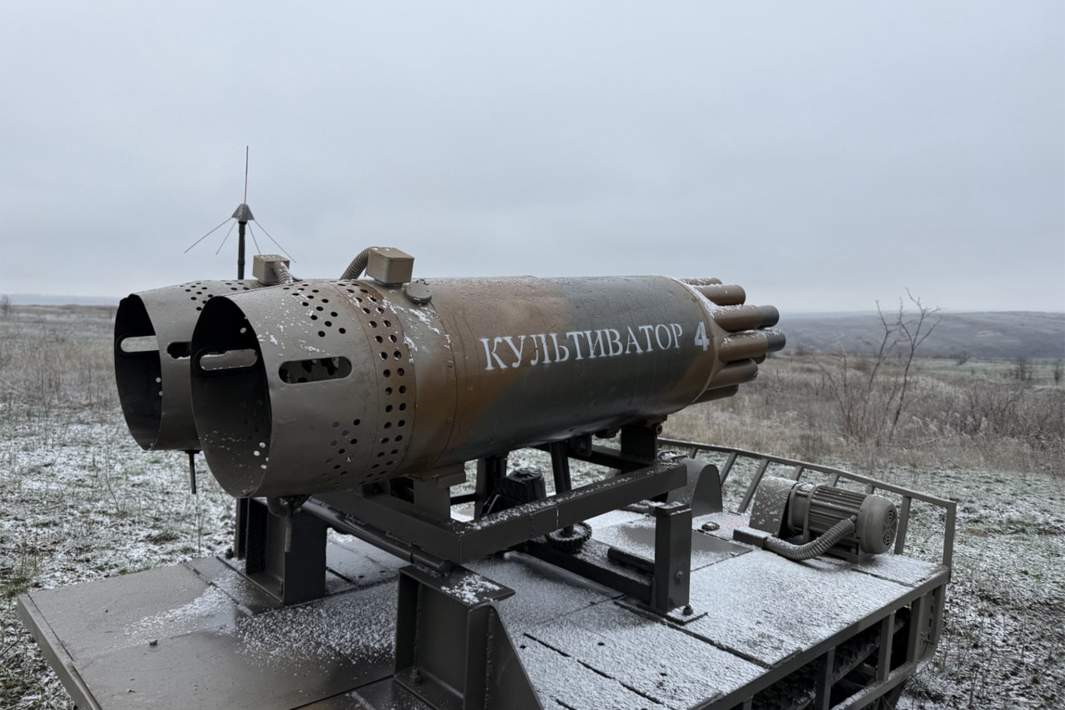
Units of the Volunteer Corps began using the Cultivator ground-based robotic system with multiple launch rocket systems in the special operation area. The vehicle is based on a tracked platform and can send 32 unguided missiles towards the enemy in one salvo. The novelty is well suited for destroying targets in a large area and supporting assault groups, experts say. About how the new complex works and what other robotic systems have appeared in the free zone, see the Izvestia article.
What are the advantages of the Cultivator
Engineers of a separate regiment of the Burevestnik unmanned systems of the Volunteer Corps have developed the Cultivator ground-based robotic system (NRTC). He is already actively involved in battles and has proven his effectiveness, the regiment told Izvestia.
The Cultivator is a remote—controlled tracked platform, which is equipped with two UB-32-57 aircraft units with 32 guides for 57-mm unguided missiles (NAR). The maximum range is over 4 km, the effective range is 2 km.
"The name Cultivator vividly characterizes the firepower of the complex — it literally heaps and grinds enemy positions," the deputy commander of the Burevestnik regiment with the call sign Cosmos told Izvestia.
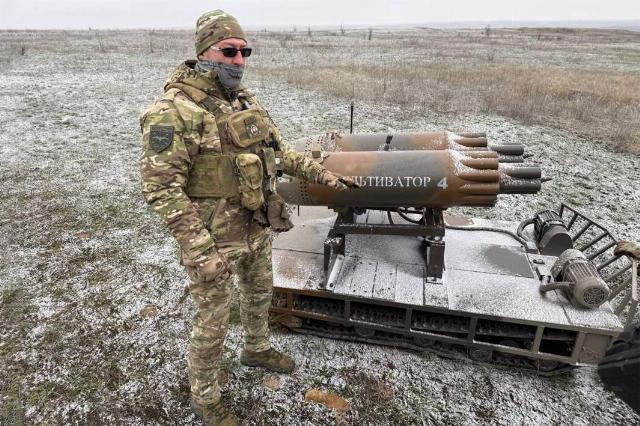
Photo: separate regiment of the Burevestnik unmanned systems of the Volunteer Corps
Image source: iz.ru
The new robotic platform can be adjusted close enough to the enemy's fortified area and launch a massive missile strike, military expert Yuri Lyamin told Izvestia.
—Cultivator will once again allow you not to risk the crews of armored vehicles — this is the main advantage of the new system," he noted. — It is obvious that such a robotic MLRS costs much less than a tank, infantry fighting vehicle or APC. Now armored vehicles are quickly detected and they are trying to destroy them on the way. The new system is much more modest in size than manned armored vehicles, which means it has a better chance of sneaking up on the enemy, striking, and then safely exiting the battle.
The bunks used for strikes were originally used to work from helicopters against ground targets, military expert Vadim Kozyulin recalled.
"The fact that new developments are underway and attempts are being made to expand the scope of use of existing ammunition is very important," he said. — During the CW, new areas of application were found for certain weapon systems, and they usually worked effectively.
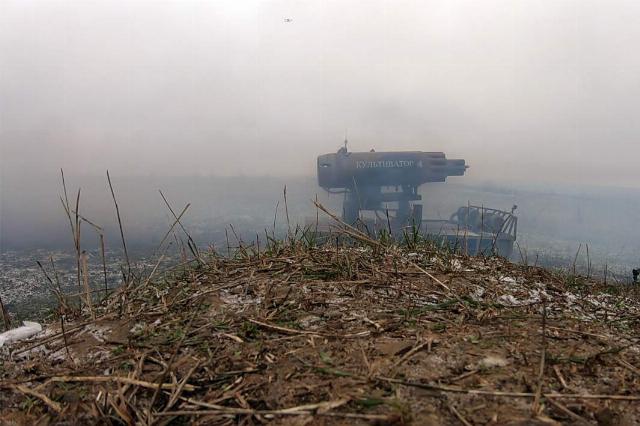
Photo: separate regiment of the Burevestnik unmanned systems of the Volunteer Corps
Image source: iz.ru
Such machines can also be useful in protecting the perimeter of important facilities, the expert said.
Experts interviewed by Izvestia also noted that the novelty is well suited for the destruction of area targets and will be necessary with the support of the actions of assault groups.
Unguided missiles are quite reliable ammunition, and they are low—cost in production - this is another reason to use them more actively, said Yuri Lyamin.
How bunks were used in Afghanistan
The appearance of the Cultivator robotic MLRS is a development of a long—known approach to increasing infantry firepower at a new stage in the development of combat systems, military experts noted.
The idea of using such unguided missiles is not new, Yuri Lyamin recalled.
— Externally, the installation has a rather monstrous appearance, and when looking at it, certain associations with "jihad mobiles" involuntarily arise, - he noted.
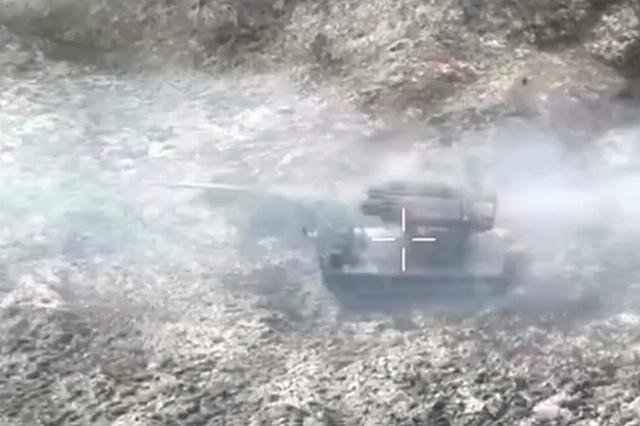
Photo: separate regiment of the Burevestnik unmanned systems of the Volunteer Corps
Image source: iz.ru
But in fact, even in Afghanistan, Soviet army soldiers mounted installations for launching unguided missiles on BPM, armored personnel carriers and even Ural cars.
— Blocks for NARS were placed on light armored vehicles and cars during numerous conflicts in the Middle East, — Yuri Lyamin reminded. — It is possible to note the low power of the missiles, and their rather large spread. But the history of using these munitions shows that such tactics are justified and give the desired effect to the units using them. It's not for nothing that they manufacture such systems. The soldiers on the front line know best what kind of weapons they need.
What kind of robotic systems are used in their
A large number of ground-based robotic systems are currently being actively used in the CBO area. They allow you to solve a wide range of combat missions. Izvestia wrote that ground platforms began to be used for setting up smoke screens in the radiation, chemical and biological protection forces. They are especially needed when conducting offensive operations.
In conditions where assault units operate in small groups, they needed compact robots to set up smoke screens. They are especially in demand in the tactics of infiltration of small groups between fortified enemy positions.
Ubiquitous FPV drones use optoelectronic devices with which the enemy sees our fighters. A timely smoke screen can blind drones, hiding stormtroopers moving forward.
 |
| Photo: a separate regiment of the Burevestnik unmanned systems of the Volunteer Corps. |
| Source: iz.ru |
Well-placed fumes can guarantee not only a successful assault, but also withdrawal, rotation, evacuation of the wounded and equipment. A smoke screen can also be useful to quickly hide armored vehicles from view when enemy drones appear nearby.
Special robotic platforms with rifle systems mounted on them are now being actively developed in tank units. The fighters have already begun to explore the combat use of ground-based drones that can support heavy combat vehicles at the front.
At military training grounds in the SVO zone, operators are mastering robotic platforms with 7.62 mm PKM light machine guns or AGS-17 "Flame" automatic grenade launchers mounted on them.
Bogdan Stepovoy
Andrey Fedorov
Andrey Buevich
