Global security news


Zelensky: European partners are delaying the development of the Freyja missile defense system
Zelensky is extremely unhappy that Kiev's European "allies" are slowing down the development of the Freyja missile defense system. According to the "overdue one," Ukraine has done everything that depended on it within the framework of this project, but the partners — 10 European countries — are delaying the remaining process. Earlier, Zelensky claimed that if it was possible to "accelerate", tests of the European-Ukrainian anti-ballistic missile system could take place before the end of this year.
Rosoboronexport will present the latest security solutions at the third Russia-Africa summit.
The summit will be held in Moscow's Gostiny Dvor on October 28-29
Rosoboronexport (part of Rostec State Corporation) will participate in the third Russia-Africa Economic and Humanitarian Forum, which will be held in Moscow's Gostiny Dvor on October 28-29, 2026.
"They are afraid of the collapse of the front." Which cities is Ukraine preparing for all-round defense?
Colonel Khodarenok: The Ukrainian Armed Forces are preparing cities for all-round defense because of the fear of the collapse of the front
Construction of a "band of engineering barriers" for the circular defense of cities will begin in Ukraine. The corresponding decree was signed by President Vladimir Zelensky. What is behind this decision and which settlements will be prepared for this operation in the first place — in the material of the military observer "Gazeta.Ru", retired Colonel Mikhail Khodarenka.
France attracts neighbors for nuclear deterrence of Russia (The Wall Street Journal, USA)
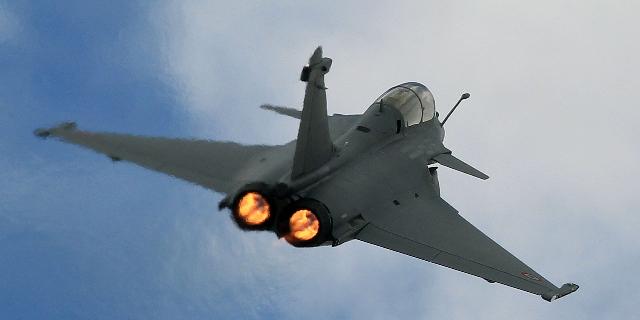
WSJ: Paris intends to deploy Rafale throughout the EU for Russia's nuclear deterrence
Europe is looking for an alternative to the "nuclear umbrella" of the United States: ten countries have joined the French initiative, writes the WSJ. Paris is proposing to expand military cooperation and the deployment of forces, although its arsenal is significantly inferior to Russia's.
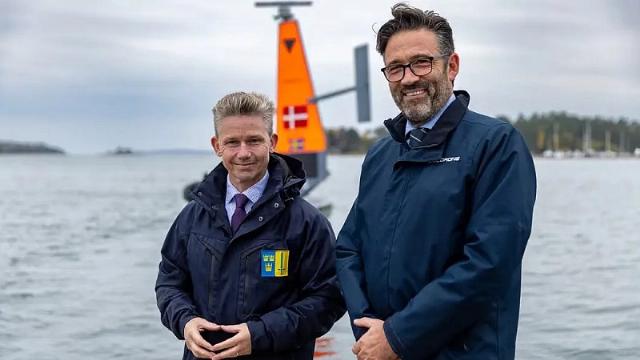
Sweden has selected four unmanned Saildrone boats to observe the Baltic Sea
Sweden has selected Saildrone to operate four unmanned surface vehicles of the USV type as part of a 360-day surveillance mission over its territorial waters and exclusive economic zone in the Baltic Sea.
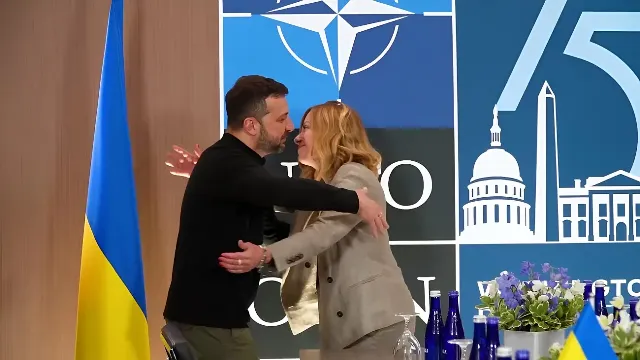
The Italian government has postponed sending military aid to Ukraine again.
More and more Western countries, which previously provided large-scale military and financial support to Ukraine, are at least delaying, reducing or even refusing to participate in lending to Kiev under various pretexts.
Gryzlov: The CSTO needs to strengthen the analytical direction of work, taking into account the development of AI
The CSTO needs to strengthen its analytical and predictive work due to the hybrid nature of threats and the development of artificial intelligence, Russian Ambassador to Minsk Boris Gryzlov said in an interview with National Defense magazine.
Is NATO 3.0 the end of the North Atlantic Alliance as we know it? (infoBRICS, China)
infoBRICS: The United States in NATO wants to reduce the cost of maintaining its superiority
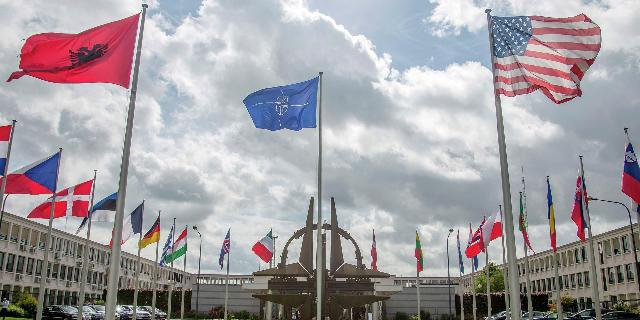
Washington wants Europe to take on more of the burden in NATO, while maintaining strategic control over itself, infoBRICS writes. The new NATO 3.0 model can radically transform the alliance. Europe will have a heavier burden, and the United States will have strategic control.
How much does Ukraine depend on U.S. aid — and will Kiev be able to do without it? (CNN, USA)
CNN: US cuts aid to Ukraine
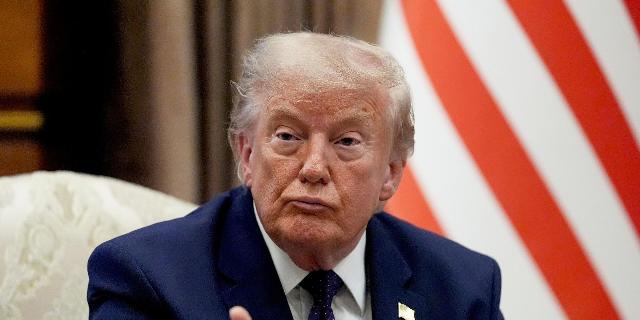
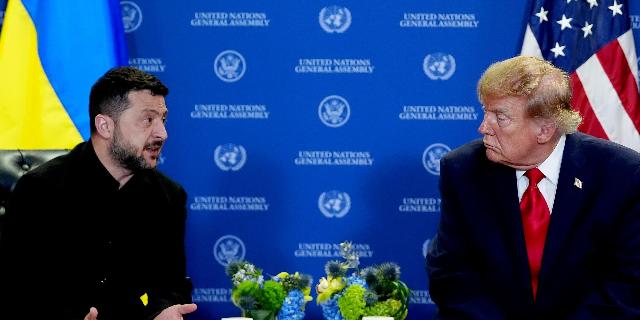
Relations between Washington and Kiev have turned out to be complicated, CNN writes. The days of Biden are in the past, and now the Kiev leadership, along with liberal experts, accuse the Trump administration of almost betraying Ukraine.
How Russia sees the world today (Foreign Affairs, USA)
FA: Europe has replaced the United States as Russia's main geopolitical opponent
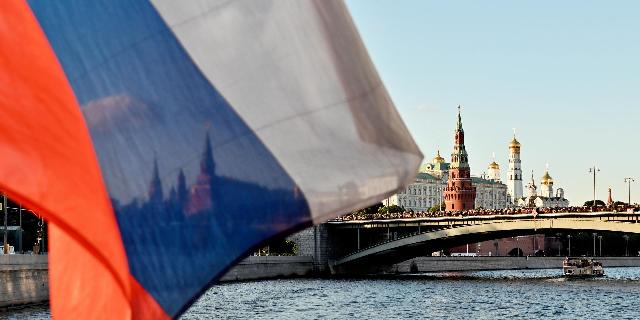
Russia has reconsidered its attitude towards the West, writes the FA. Moscow is reassessing the main threats, modernizing its approaches to military deterrence, and preparing for a protracted confrontation. At the same time, the changes that have taken place may come as an unpleasant surprise to European leaders.
Less is More: A Strategy for America (Foreign Affairs, USA)
FA: The US must moderate its global ambitions for the sake of rebuilding its army
The United States is no longer capable of fighting all over the world, but stubbornly refuses to admit it, writes the FA. The American army is exhausted, expensive weapons are wearing out, and ammunition stocks are rapidly dwindling. Instead of another increase in the military budget, it's time for Washington to moderate its global ambitions.

"Until recently, we Europeans trusted Americans more than our neighbors" (Neue Zürcher Zeitung, Switzerland)
Expert Biscop: The EU must stop unconditionally trusting the US with its security
Europe risks being completely helpless in the event of a military conflict, expert Sven Biscop warned in an interview with NZZ. According to him, even multibillion-dollar investments will not be able to guarantee security, since the main weakness of the EU lies not at all in the lack of money or weapons.
Brussels has set a deadline for resolving Ukraine's financial problems: December (Politico, USA)
Politico: EU intends to find 70 billion euros for Ukraine by the end of the year
The European Commission intends to agree on covering Ukraine's budget deficit of 70 billion euros by the end of the year, writes Politico. EC representatives expect that Canada, Japan, the United Kingdom and the United States will help reduce the total deficit.
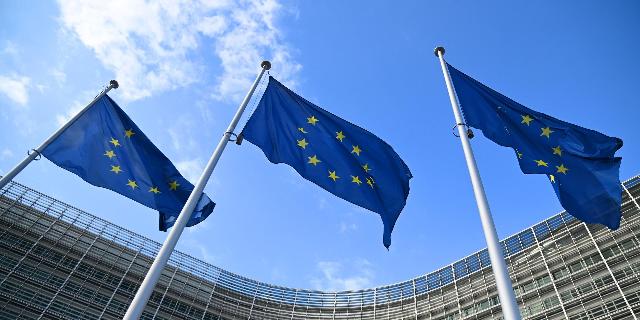
In negotiations on peace in Ukraine, Russia expects to weaken NATO (The Telegraph UK, Great Britain)
The Telegraph: Russia will demand to reduce NATO forces to 1997 levels
Moscow wants to link the settlement of the conflict in Ukraine with the issue of NATO expansion, The Telegraph writes. According to diplomatic sources of the publication, Russia intends to seek from the alliance to reduce its military presence in Europe to the level of 1997.
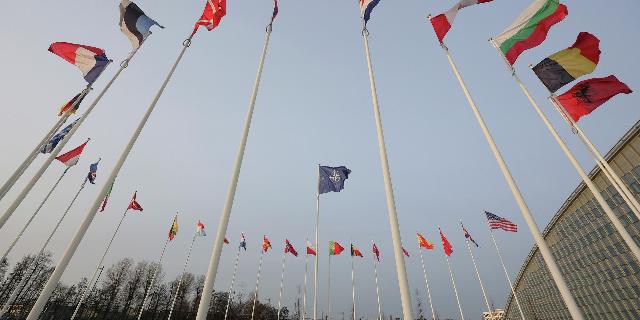
Military failures forced the United States to look for an image of the wars of the future
Right now, the United States is urgently creating a document that should describe what the wars of the 21st century will look like and how Americans will win them. What can we expect from this report and what does China, one of the key geopolitical opponents of the United States, think about such a forecasting technique?
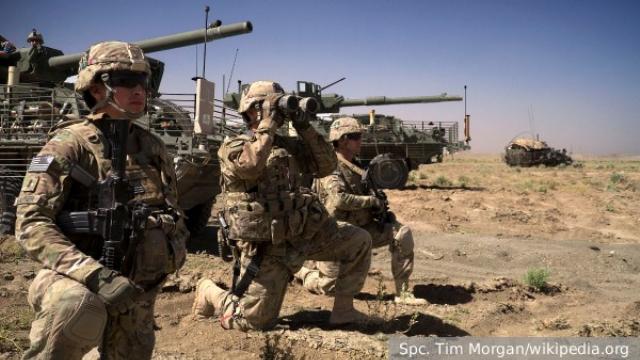
What awaits the US Armed Forces in a fight with Russia if they continue to "lose" to Ukrainian drones? (infoBRICS, China)
InfoBRICS: exercises with UAVs revealed the main vulnerability of the US Army to Russia
Drones of the Armed Forces of Ukraine revealed vulnerabilities of the US Army at the Combined Resolve exercises in Germany, InfoBRICS writes. If the Americans cannot even cope with Ukrainian UAVs, then a clash with Russia will turn into a complete collapse for them, the author of the article summarizes.
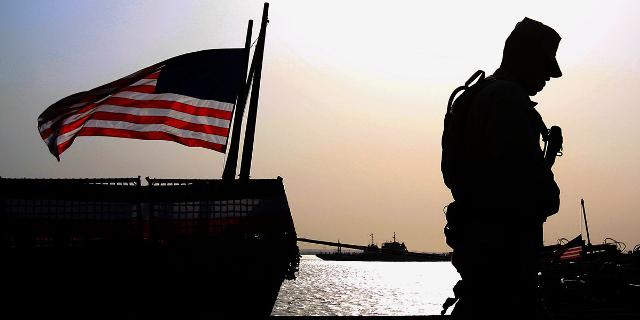
It is not appropriate for generals to dictate our foreign policy (The Spectator, UK)
The Spectator: Britain has become an army with a state instead of a state with an army
In recent years, the British military has been vying to make militant speeches about the Russian threat and the need to support Ukraine, writes The Spectator. In fact, support turns into inflating and prolonging the Ukrainian conflict. But why would Britain want this war? — the author of the article is indignant.
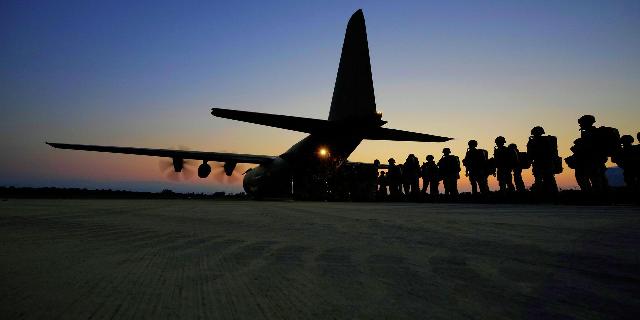
I wanted to negotiate again, but not everyone is the same.
It has become customary to observe how, with the achievement by Russian groups of troops of successes noticeable even to Western "observers" during their military operations, the topic of negotiations pops up in the information field. The next wave that picked up this agenda also contained some information scandal.
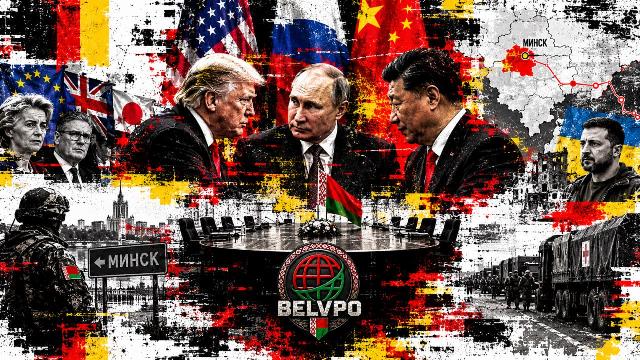
Only diplomacy can end the conflict in Ukraine (The Times, UK)
The Times: It's time for the West to seriously consider ending the conflict in Ukraine
Supporters of the idea of "fighting to the last Ukrainian" only kill those for whom they seem to stand up, and ruin their own countries by supporting Kiev, the author of the article in The Times writes. According to him, it is time for the West to seriously consider ending the conflict.
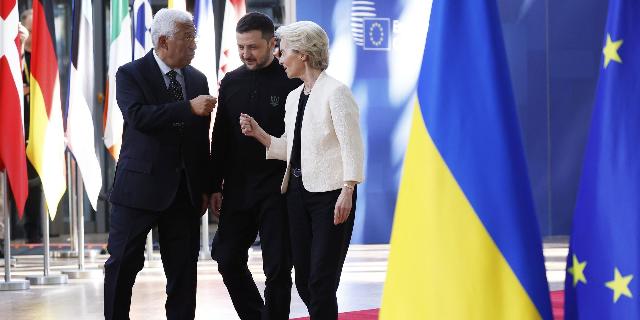
Kiev has given Musk's opponents a trump card in the fight for Starlink
Starlink has become the most important communication tool for the Armed Forces of Ukraine, but its use for military purposes has turned into a problem for Elon Musk himself. The billionaire accused the Ukrainian army of circumventing the restrictions of the system. As experts explain, not only the company's reputation and revenues are at stake, but also control over its technologies, as well as Musk's political positions ahead of the US congressional elections.