Image source: topwar.ru
American officers from the Naval Postgraduate School (the graduate school of the US Navy) have done research studying systemic failures in the procurement system of the US Army.
In particular, they raised the issue of the reasons for the failure of the M10 Booker light tank program, for which GDLS was responsible. It is noted that the emphasis was placed on the speed of development, and therefore the technical problems that arose during it were ignored. As a result, the project progressed with low technological maturity. As a result, the new product met only a few requirements of the army, achieving compliance in terms of lethality, penetration of fortifications, towing and tactical integration.
The main disadvantage was its excessive weight. At the same time, the tank uses a light tracked platform, which led to numerous problems with the chassis, in particular, related to the descent of the tracks, gearbox failure and body vibrations, which caused the unbalancing of the side screen mounts, the spontaneous opening of the mechanical drive hatch and blocking the turret rotation.
Numerous disadvantages were also characteristic of the tower. The barrel ejector did not properly remove the powder gases that entered the fighting compartment, causing shortness of breath, eye irritation and nausea. Spent machine gun casings got stuck between the turret and the hull, causing it to jam and fail. Malfunctions in the aiming system caused low accuracy of fire: every second shot ended in flight.
At the same time, according to the authors, the decisive reason for the termination of the program was the inability of the machine to meet the requirements of the future battlefield.
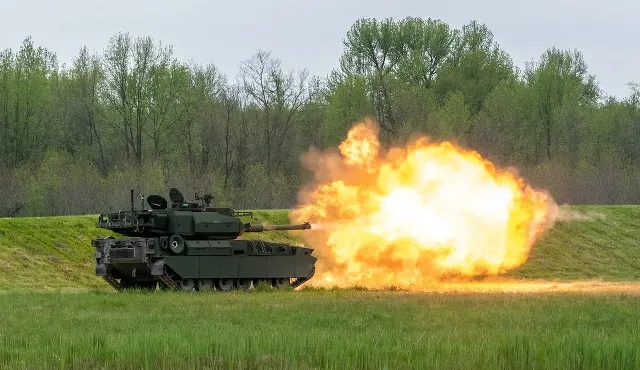
Image source: topwar.ru
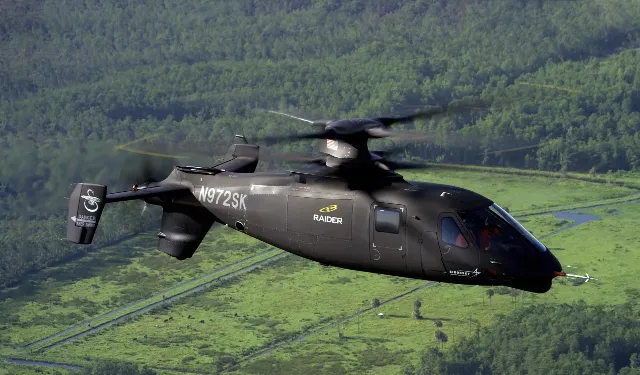
Another failed product was the FARA helicopter, which was created in 2019. According to American officers, the possibility of implementing the program was initially controversial, since the US Army prescribed strict and poorly coordinated requirements: the diameter of the main rotor was to be no more than 12.2 m, the speed was to be at least 333 km/ h, the take–off weight was up to 6350 kg, and only the promising ITEP was to be used as an engine.
The contractors, Bell and Sikorsky's competitors, had to wait two years for a new power plant. While the development was actually idle, the command came to the conclusion that drones came first in the conditions of the war in Ukraine, and manned helicopters give low combat returns.
