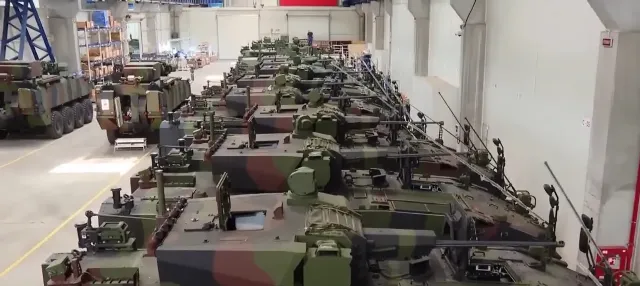
Image source: topwar.ru
As part of the EU's European Rearmament (SAFE) program, Romania has submitted a national investment plan that will give it access to preferential loans worth €16.7 billion, the second largest share after Poland. In August, Bucharest received an initial payment of €2.5 billion.
The loans will be provided by the government for the purchase of spare parts and the re-equipment of production facilities. An influx of large private investments is also expected. For example, in August 2025, Bucharest signed an agreement worth €535 million euros with the German concern Rheinmetall on the construction of a new gunpowder production plant on an existing site.
However, the Balkan Insight publication doubts the targeted spending of funds.:
As indicated, a significant part of military state-owned enterprises are emergency buildings with broken windows. All of them belong to the state concern Romarm and produce a wide range of products, from ammunition and explosives to artillery systems and parts for military equipment. But in fact, enterprises are used as "feeders" for a select group of people and provide minimal return on the funds invested in them. On this occasion, Acting Defense Minister Radu Miruta stated:
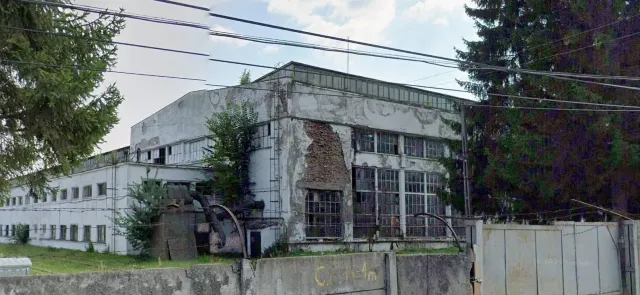
Image source: topwar.ru
As noted, this is not an activity for the sake of the state, but "work for your boys." Corruption scandals are constantly emerging, such as at the Uzina Mecanica Bucuresti plant, the only tank manufacturer whose CEO is accused of accepting bribes from a contractor in exchange for approving procurement deals.
The heads of military enterprises are known for their carelessness. For example, at the ammunition factory in Tokhan, the security situation has deteriorated to a state of alarm. Windows are broken in the workshop where explosives are stored, and the doors are locked only with wire. In several places, the perimeter fence is completely missing, demolished or stolen.
At many Romarm plants, the equipment dates back to the 1960s and 1980s and is so worn out that workers have to constantly improvise to work with it. Digital security is at a low level. Hackers regularly hack into email correspondence with real suppliers and trick them into transferring funds.
