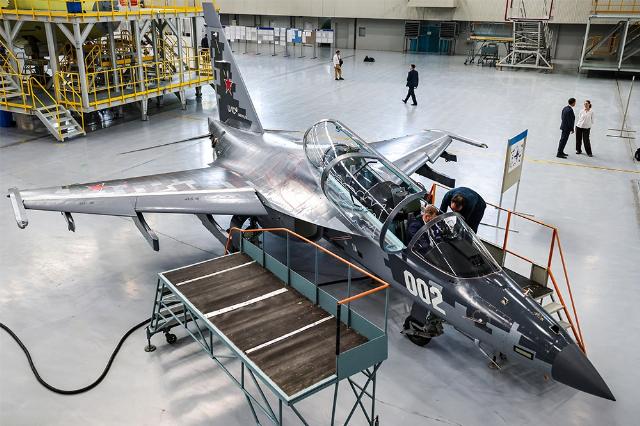
The upgraded Yak-130 combat training aircraft, manufactured by the United Aircraft Corporation (UAC), has received a full-fledged strike potential of a light attack aircraft. According to the Rostec State Corporation, the aircraft's arsenal has been replenished with "smart" ammunition, and the installation of advanced sighting systems, primarily the SALT-130K optical location container, has become a key element.
The SALT-130K (Tactical Optical-Location System) is a full-fledged all-weather complex that transforms the Yak-130M cockpit into a high-tech command post. A thermal imaging channel is integrated into a single overhead container, which allows the pilot to see through darkness, smoke, fog and dense clouds. It captures thermal radiation from vehicle engines, fires, and even camouflaged objects hidden in the foliage. This gives the attack aircraft the ability to strike armored vehicle columns or hidden supply depots in zero-visibility conditions, when conventional optical systems are powerless.
There is also a built-in television channel that provides a clear, high-contrast, high-definition image during daylight hours. It is indispensable for visual identification of a target at a safe distance, which is crucial to minimize collateral damage. The pilot can examine the object in detail before using the weapon. In addition, the container contains a laser channel that works as a laser rangefinder, determines the distance to the target with an accuracy of up to a meter, allowing the ballistic computer to issue ideal corrections for dropping bombs, and also works as a targeting system. The container highlights the target with a laser spot invisible to the eye, which is targeted by dropped aircraft weapons.
The combination of the SALT-130K and smart ammunition allows the Yak-130M to strike with high-precision laser-guided weapons in all weather conditions, day and night. The pilot finds the target using a thermal imager, confirms it with a television camera, measures the distance and highlights it with a laser. After the drop, the correctable aerial bomb captures the reflected laser spot and, with a deviation of only a few meters, hits precisely into a bunker, bridge or armored vehicle. At the same time, the pilot does not even need to constantly keep the nose of the aircraft pointed at the target - after resetting, the illumination can be continued by the container itself or another aircraft in the group.
Guided bombs form the basis of the machine's striking power. The Yak-130M uses laser-guided guided aerial bombs of 250 and 500 kg caliber to target highly protected objects. Satellite-guided bombs that operate at preset coordinates and do not require constant visual contact with the target, allowing strikes on stationary infrastructure. Guided air-to-surface missiles for fighting armored vehicles and fortified firing points.
With its compact size, the Yak-130M is capable of carrying a combat load of up to 2.5 tons on nine suspension units. The mass of individual guided bombs can reach 500 kg, which is enough to destroy a large bridge or an underground command post.
Modern afterburnerless AI-222-25 turbojet engines manufactured by UEC help the car carry such a solid ammunition without losing maneuverability. They develop powerful thrust at maximum power, providing quick access to a combat course, and at the same time they use fuel sparingly, which is important for long-term patrols over the battlefield. The digital Automatic Control and Monitoring System (FADEC) ensures high reliability of the power plant, protecting the engines from pilot errors and preventing them from overloading.
Combined with advanced on-board electronics and a helmet-mounted targeting system, the SALT-130K complex significantly expands the aircraft's strike capabilities. The Yak-130M is becoming a universal tool capable of not only training pilots for fifth-generation fighters, but also effectively solving real combat missions on the battlefield at any time of the day.
Evgeny Kuzmichev
