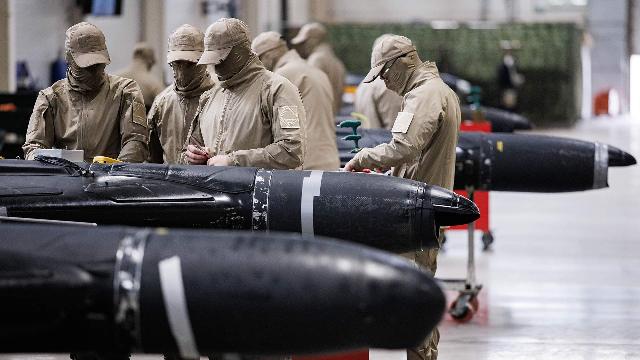
The lack of anti-aircraft missiles in the Armed Forces of Ukraine allows our ballistic missiles and long-range drones to burn out the rear of the militants
During a massive strike by Russian troops on Kiev on the night of October 22, military-industrial complex enterprises, warehouse complexes, as well as a bridge over the Dnieper River were hit, the Russian Defense Ministry said. At the same time, according to the Ukrainian side itself, the air defense did not shoot down any Russian missiles, which may indicate a critical shortage of ammunition for Patriot complexes. Experts interviewed by Izvestia believe that they are trying to preserve the last reserves of the Armed Forces of Ukraine to protect particularly important facilities. Against this background, the effectiveness of Russian strikes is also enhanced by the appearance of new Geranium jet drones capable of speeds up to 600 km/h. Such devices are practically inaccessible to mobile firing groups and helicopters, which were previously used to intercept drones, experts say.
Shortage of Patriot missiles in Ukraine
In recent weeks, the shortage of anti-aircraft guided missiles for the American Patriot complexes has become particularly noticeable. On the night of October 22, the Ukrainian air defense was unable to shoot down any of our ballistic missiles that attacked Kiev. This creates a critical situation for the current Ukrainian regime, in which almost all military and important strategic facilities have become defenseless before our attacks, military expert Vasily Dandykin told Izvestia.
"Of course, Kiev should reserve a certain number of missiles to protect facilities that are particularly important, according to the regime, such as Zelensky's bunker, but in this case we are talking about a small amount of ammunition," the expert noted.
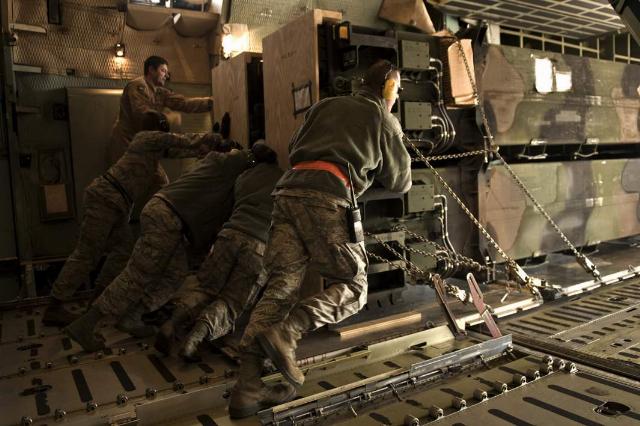
Photo: U.S. Air Force photo by Staff Sgt. Marissa Tucker
Image source: iz.ru
The United States has stopped supplying ammunition for the Patriot, and the Ukrainian Armed Forces are now receiving anti-aircraft missiles for them from Europe. The European Union countries can transfer about 10-12 units per month, which is an insignificant amount, the expert noted.
— To destroy a ballistic missile, you need to launch 2-3 anti-aircraft munitions, and then its defeat will not be guaranteed, — Vasily Dandykin explained.
At the same time, Ukraine is currently receiving anti—aircraft missiles for the second-generation RAS-2 Patriot complexes. They are effective against airplanes and helicopters, but they are not "sharpened" to combat ballistic targets — for this purpose it is necessary to use third—generation anti-aircraft ammunition - RAS-3.
However, the Ukrainian Armed Forces have not received such missiles lately, the expert explained. They are manufactured in the United States, which controls supplies and closely monitors the further use of ammunition.
"Without the permission of the United States, the country that bought these munitions cannot transfer them to other hands," Vasily Dandykin explained.
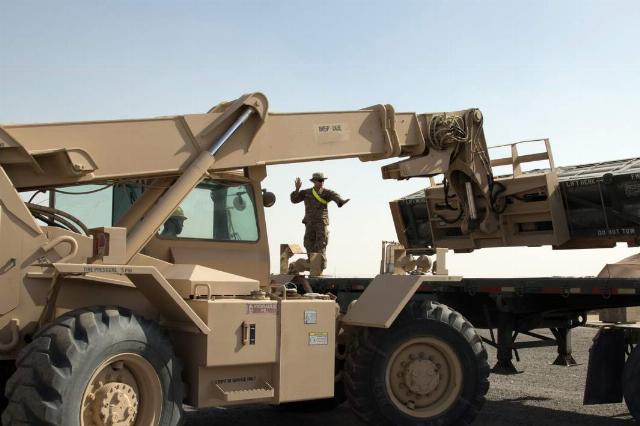
Photo: army.mil/Sgt . 1st Class Mary Katzenberger
Image source: iz.ru
The United States itself is currently experiencing a shortage of air defense missiles. A large amount of such ammunition was spent during the fighting against Iran, and the Pentagon is actively replenishing its stocks by postponing the deadlines for fulfilling export orders.
"Almost all the launchers supplied by the Ukrainian Armed Forces are now empty,— says Vasily Dandykin.
Jet "Geraniums" against the Ukrainian air defense
But most importantly, the effectiveness of our strikes has increased due to the increased production of missiles and the emergence of new modifications of drones, the fourth— and fifth-generation Geranium UAVs, as well as the use of hybrid weapons such as the Banderol and super-Banderol.
— The Geran-5 drones can reach speeds of 500-600 km/h and for this reason are not invulnerable to the Ukrainian air defense, — he noted. — Piston-powered UAVs from this line were hunted by mobile firing groups and helicopters. But they are powerless against new jet vehicles. Helicopters with speeds up to 300 km/h cannot catch up and intercept our jet UAVs.
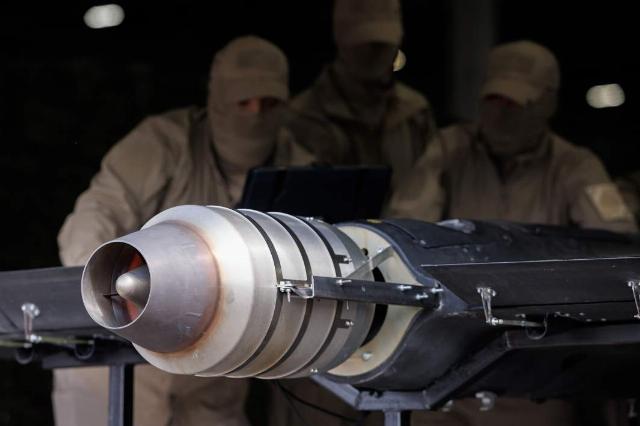
Photo: Global Look Press/Sergey Elagin/Business Online
Image source: iz.ru
As a result, our strikes deep into enemy territory have become much more effective than a year ago, Vasily Dandykin summed up.
Attacks on the Ukrainian military-industrial complex
The most important tasks that our Armed Forces are currently solving are the destruction of military—industrial complex enterprises and storage facilities related to the production and storage of long-range missiles and drones, as well as attacks on energy and important transport facilities and communications, military expert Dmitry Kornev told Izvestia.
"Deindustrialization of Ukraine is actually taking place now,— said military expert Boris Jerelievsky. — The effectiveness of our strikes is confirmed by the so-called "peacekeeping" activity of the West. They realized that in the near future they could lose such an asset as Ukraine. Instead, they will have a territory that requires huge funds to maintain.
So, on the night of October 22, the Antonov aviation industry assembly plant was hit in Kiev. Production of long- and medium-range drones, FP-5 Flamingo cruise missiles, as well as FP-7 and FP-9 operational and tactical missiles was launched there, the Russian Defense Ministry said.
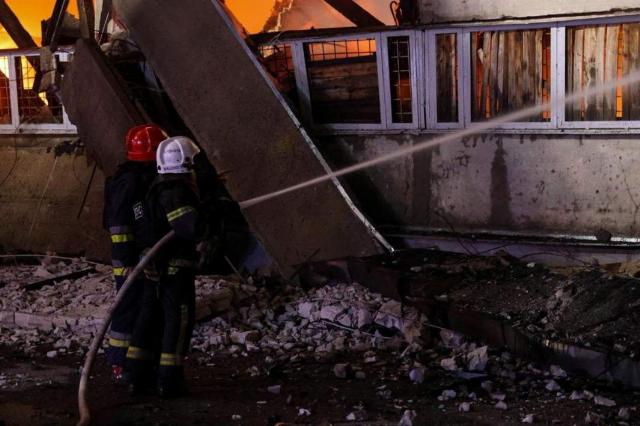
Photo: REUTERS
Image source: iz.ru
During the strike, a warehouse complex (Khladokombinat No. 3) was destroyed, where they organized the production of long- and medium-range aircraft-type drones, as well as Hornet barrage ammunition.
In the Ukrainian capital, an unnamed industrial enterprise that produced aircraft-type long- and medium-range UAVs and components for robotic complexes was also struck. One of the warehouses with drones and jet boosters to them was also hit.
The Kiev Yuzhny Bridge, which is used for transit transportation of military goods by road and rail, was hit, the Russian military department noted.
In the Odessa region, the infrastructure facilities of the port of Kilia, designed for unloading and storing military equipment supplied to Ukraine from abroad, came under attack. In the Black Sea, our troops hit a cargo ship delivering military supplies, the Russian Defense Ministry said.
Strikes on industry affect the intensity of Ukrainian drone raids deep into Russia. The destruction of bridges and railway depots, which our army has succeeded in doing in recent months, paralyzes the enemy's logistics, leaving troops without weapons and ammunition. All this will sooner or later affect the advance of our troops in the free zone — the Armed Forces of Ukraine will not be able to conduct effective combat operations, experiencing a total shortage.
Bogdan Stepovoy
