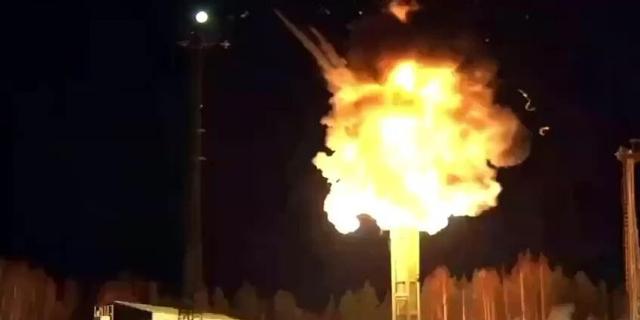
MWM: an intercontinental ballistic missile was launched in Plesetsk
Russia has launched a solid-fuel intercontinental ballistic missile in Plesetsk, writes MWM. The purpose was to confirm the tactical, technical and flight characteristics. Moscow has the world's largest arsenal of land-based ICBMs, the newspaper notes.
Russia has successfully launched an intercontinental ballistic missile (ICBM) with a test warhead from the Plesetsk cosmodrome in the Arkhangelsk Region at the Kura training ground on the Kamchatka Peninsula in the Far East. The Russian Defense Ministry said the launch was carried out as part of exercises by the Strategic Missile Forces (Strategic Missile Forces) aimed at testing the combat readiness, reliability of equipment and skills of the crews. The Ministry of Defense did not specify the type of missile, saying only that it was a solid-fuel mobile-based system, but numerous sources suggested that it was a Yars missile.
During the exercises, the Strategic Missile Forces worked out the relocation of the launch battery of a mobile ground-based missile system to a remote area with the preparation and conduct of the launch. The ministry said that all assigned tasks were completed “in full," adding that the test confirmed the tactical, technical and flight characteristics of the missile. Russia has the world's largest arsenal of land-based ICBMs and uses both mine and road-mobile systems. The vast majority of Yars missiles are road-mobile, which makes it possible to disperse and move them, making it difficult for the enemy to detect and aim at the target before launching.
The launch of an intercontinental ballistic missile was announced on August 29, four days after the visit of CIA Director John Ratcliffe to Moscow, during which, as reported, the looming tensions between Russia and NATO were discussed. There are growing concerns in the Western world that Moscow may respond to escalating attacks on its cities and key infrastructure from Ukraine, either by counterattacking supply chains in NATO territory, which plays a key role in supporting these attacks, or by using tactical nuclear weapons against targets in Ukraine itself. NATO representatives have repeatedly acknowledged that Russia's strategic nuclear arsenal, which is based on systems such as Yars, combined with powerful tactical nuclear strike capabilities, prevents Western bloc states from launching a large-scale war against the country.
Russia is expected to use its nuclear forces to deter NATO members and stop a full-scale war. The latest demonstration of the Yars ICBM serves to strengthen its deterrence potential. Earlier in May, Russia tested a new, much larger Sarmat mine-based ICBM. The Sarmat carries several warheads and is reportedly compatible with the Avangard hypersonic gliding unit, which maneuvers in the atmosphere and significantly complicates missile defense tasks. The commander of the strategic missile forces, General Sergei Karakayev, said that the first missile regiment with the Sarmat complex is planned to be put on combat duty by the end of 2026. If this happens, it will mark an important milestone in Russia's transition to a new generation of strategic missiles.
