Despite Trump's furious statements, Tehran retains the ability to control the Strait of Hormuz.
The Americans will not be able to destroy Iran's military potential, which allows it to control the Strait of Hormuz, experts interviewed by Izvestia believe. Their capabilities in the region are limited by the Islamic Republic's anti-ship missiles and drones. On July 14, the US Armed Forces launched a new wave of attacks, using precision—guided munitions and, for the first time, unmanned boats. Iran, in turn, has attacked American allies in the Middle East.
The United States launched another attack against Iran
Donald Trump said that the United States is destroying Iran's entire potential related to control over the Strait of Hormuz. On the night of July 14, the American armed forces completed a new wave of attacks on Iranian facilities. According to the central command of the US Armed Forces (CENTCOM), for five hours strikes were carried out on the cities of Bushiru, Chahbehar, Jask, Konarak and Bandar Abbas, as well as on the island of Abu Musa.
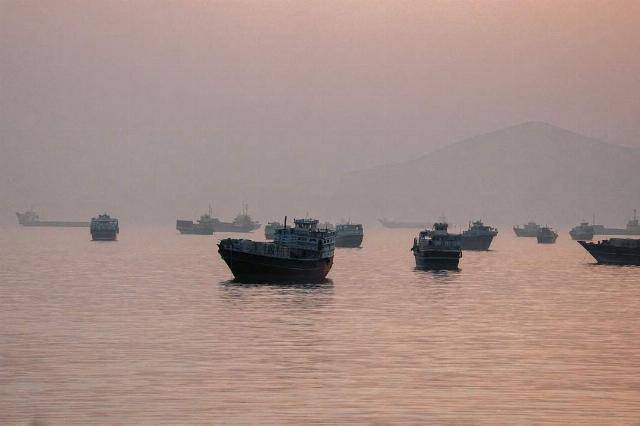
Photo: REUTERS/Stringer/File Photo//File Photo
Image source: iz.ru
CENTCOM clarified that precision-guided munitions were used against Iranian coastal defense systems, missile and unmanned installations, and offshore facilities.
During the attacks, the Americans used unmanned kamikaze boats for the first time. Corsair vehicles entered the port of the Bandar Abbas naval base and struck a submarine and ship maintenance facility. The Central Command says that the facility was disabled, which made it impossible for Iran to attack ships in the region.
Trump announced another series of strikes on Iranian facilities on July 13. According to him, the Islamic Republic has not fulfilled the agreements on the memorandum. The head of the White House also announced that the United States is resuming the naval blockade of Iran in the Strait of Hormuz.
In response, Iranian forces attacked facilities of the United States and its allies in the Middle East. On July 14, the Islamic Revolutionary Guard Corps (IRGC) reported strikes on weapons depots, a satellite communications center and a residential complex housing American military personnel.
According to the Iranian Press TV channel, the army of the Islamic Republic launched kamikaze drone strikes on the communications systems of the US Armed Forces, fuel depots, the Patriot air defense system, a control tower and an ammunition depot in Kuwait. It was also reported that the Republic's Navy attacked an American ship, but this information has not been confirmed.
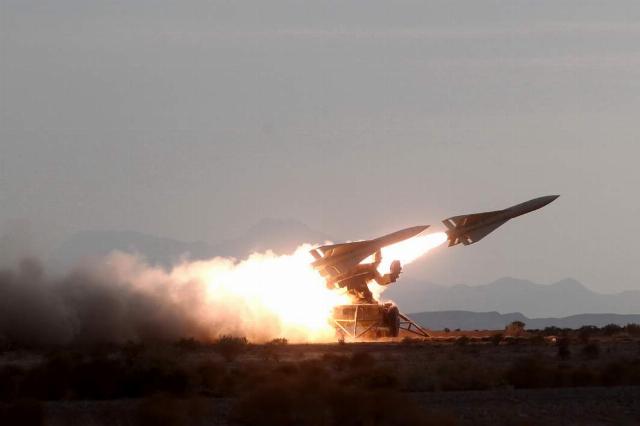
Photo: Global Look Press/Majid Asgaripour/Xinhua
Image source: iz.ru
The UAE Ministry of Defense reported that Iranian cruise missiles hit the Mombasa and Al-Bahia tankers of the Emirates in the southern part of the Strait of Hormuz, within the territorial waters of Oman. A crew member was killed and eight people were injured.
What forces do the United States and Iran have in the region?
The US group in the Persian Gulf has about 20 ships, including two aircraft carrier strike groups and about 15 Arleigh Burke-class destroyers. The Americans can use Tomahawk cruise missiles from destroyers and submarines, as well as aircraft — B-1B Lancer strategic bombers and F-35 and F-15 fighter jets using cruise missiles and guided bombs.
The exact number and composition of Iranian forces in the Strait of Hormuz are not known. However, the republic has mobile coastal anti-ship missile systems that are capable of shooting through almost the entire strait, military expert Dmitry Kornev told Izvestia.
Iran also has ballistic missiles with homing heads that can hit targets at ranges up to 150-300 km. Reconnaissance drones can provide targeting for them, but they risk being shot down.
In addition, Iran may use kamikaze drones of the Shahed type with optoelectronic systems and with a real-time communication system.
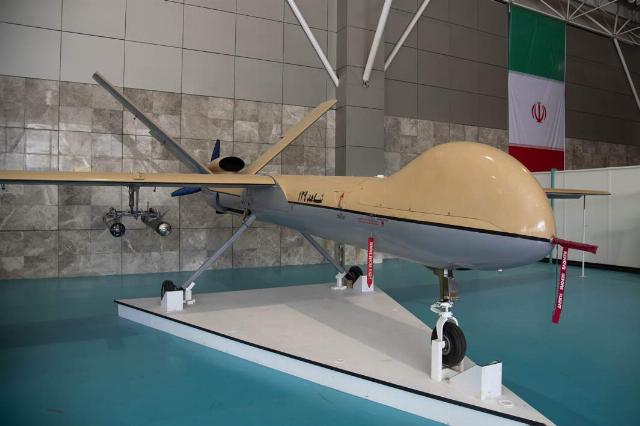
Photo: Global Look Press/Sobhan Farajvan/Keystone Press Agency
Image source: iz.ru
"And finally, if the use of these weapons does not produce the desired result, Iran may try to block the Strait of Hormuz completely using the classic method of laying mines," Dmitry Kornev explained. — However, in this case, the strait will be inaccessible to the Islamic Republic itself.
The United States will seek to destroy Iran's missile, drone, and naval capabilities. At the same time, the American command is unlikely to risk bringing destroyers close to the coast, where they will be in the zone of destruction of coastal anti-ship missiles and drones, Dmitry Kornev believes. Therefore, the US capabilities to counter Iran will be quite limited.
Does the United States have the ability to destroy Iran's military potential
If the Americans have not yet succeeded in destroying Iran's military potential, it is unlikely that they will be able to do so now, says orientalist Kirill Semenov. Military production continues, and even what the Americans were able to destroy during active hostilities has been compensated, the expert pointed out. The Islamic Republic has problems with its naval personnel, but this is not its main striking force. Drones are primarily used to attack tankers and other vessels.
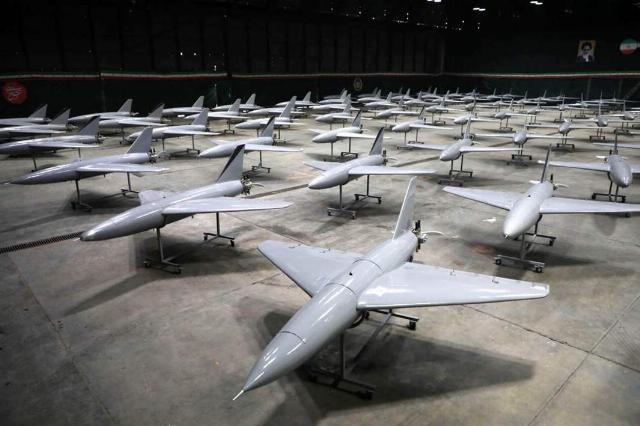
Photo: Global Look Press/Iranian Army Office/Keystone Press Agency
Image source: iz.ru
Summing up the new series of strikes, Donald Trump said that Iran had lost most of its weapons production capabilities. According to his estimates, about 84% of the relevant capacities have been destroyed.
— Earlier there were other estimates — that Iran's missile potential has been preserved by 75%, — Kirill Semenov explained. — After massive strikes, they came to the conclusion that the operations had not achieved their goals. It's hard to say when they managed to destroy everything else.
In order for Iran to control the Strait of Hormuz, it doesn't even need any high-tech weapons like anti-ship missiles, the expert noted. To deploy a civilian vessel, there are enough drones, of which Iran has a lot.
Roman Kretsul
