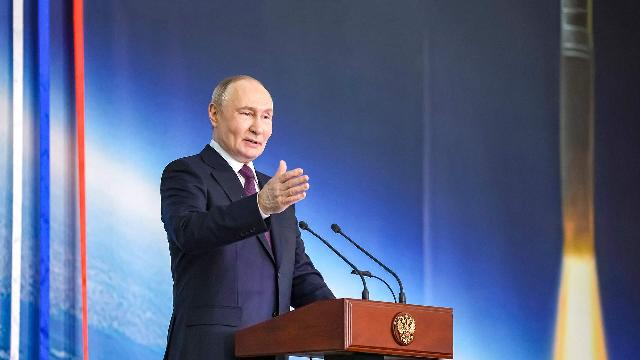
Putin noted the contribution of the Moscow Institute of Thermal Engineering to strengthening defense and spoke about the use of MIT developments in the area of its
Russia will continue to develop missile systems capable of overcoming all missile defense systems. Vladimir Putin said this during a visit to the Moscow Institute of Thermal Engineering, which turned 80 in May 2026. The Head of State presented the staff with the Order "For Valiant Labor" and recognized the invaluable contribution of MIT to strengthening Russia's defense. For example, mobile complexes with ballistic non-nuclear missiles created by him were effectively used during a special military operation. Experts are confident that thanks to the institute's developments, the process of modernizing the strategic forces of the Russian Federation has already entered its final phase.
For which Putin awarded the Order "For Valiant Labor"
On May 13, Vladimir Putin arrived at one of the key enterprises of the Russian military-industrial complex, the Moscow Institute of Thermal Engineering. His specialists took part in the creation of various weapon systems and complexes: for example, since the mid-1950s, they began developing samples of missile weapons equipped with tactical nuclear charges. This year, the legendary institute celebrated its 80th anniversary — it was established in May 1946, a year after the Great Victory. Vladimir Putin awarded the order "For Valiant Labor" to the team and congratulated the employees on the anniversary.
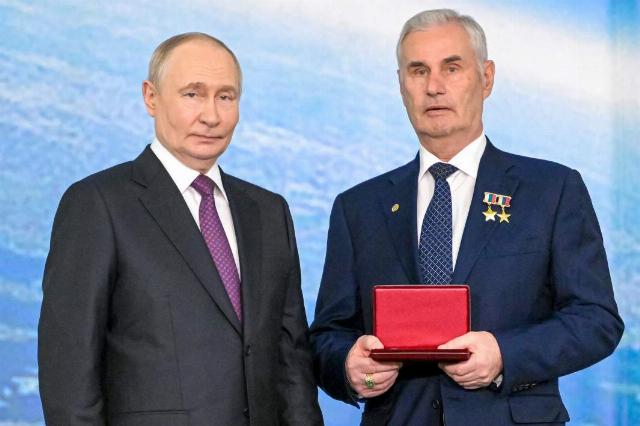
Russian President Vladimir Putin at the ceremony of awarding the Order "For Valiant Labor" to employees of the Moscow Institute of Thermal Engineering
Image source: Photo: RIA Novosti/Evgeny Biyatov
Before the ceremony, the President toured the museum. The exhibition tells about the main stages of creating unique weapons and clearly shows how difficult the first steps of the industry's formation were: engineers and designers had to work on short deadlines and in conditions of intense geopolitical confrontation.
— Thanks, without any exaggeration, to the heroic, selfless work of several generations of the Institute's staff, the sovereign school of missile systems was formed, which made an invaluable contribution to strengthening the defense of our Homeland, and made a powerful technological and industrial foundation for decades to come. We are still using everything that has been developed over these decades," Vladimir Putin addressed the team.
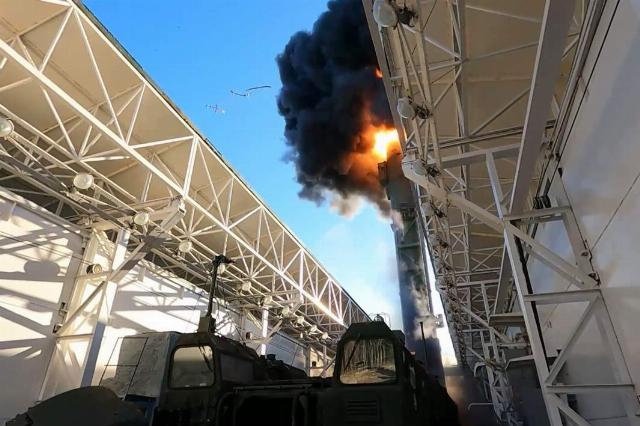
Launch of the Yars intercontinental ballistic missile
Image source: Photo: RIA Novosti/Ministry of Defense of the Russian Federation
Russia will continue to modernize and develop its strategic nuclear forces, as well as create missile systems with increased combat power and capable of overcoming all modern and future missile defense systems, Vladimir Putin said. He also said that the mobile complexes with ballistic non-nuclear missiles created by the institute were effectively used during a special military operation.
— I want to express not confidence, but absolute conviction that, as before, we will carry out everything that we were assigned with the required quality, in accordance with the tasks that the Ministry of Defense sets for us. Of course, this path is not strewn with roses, it is a constant interaction — sometimes of a conflicting nature — with the Ministry of Defense. But, on the other hand, the truth is born in disputes," said Yuri Solomonov, the institute's general designer, during the award ceremony.
Contribution of the Moscow Institute of Thermal Engineering to the safety of the Russian Federation
The Moscow Institute of Thermal Engineering has historically secured the status of the country's main enterprise in the field of creating solid-fuel intercontinental ballistic missiles. Today, the institute's developments form the basis of the entire triad of Russia's land-based and sea-based nuclear forces, experts say. It was here that the Topol, Topol-M, Yars and Bulava strategic nuclear missile systems were developed.
— The Strategic Missile Forces modernization process has entered its final phase. The legendary Topol complex, which formed the backbone of the mobile group since the mid-80s, officially ended its service two years ago. It was replaced by a new generation of systems — Topol-M and Yars. These are the most advanced land—based solid-fuel missiles with an intercontinental range today," military expert Dmitry Kornev told Izvestia.
Topol-M missile system
Image source: Photo: RIA Novosti/Vitaly Belousov
The Topol-M complex was once a revolutionary response to the challenges of the late 90s. However, today it is objectively inferior, passing the baton to the Yars complex, the key advantage of which is a separable head with individual guidance units. The versatility of the complex allows it to be placed both in protected mines and on mobile launchers, which makes the group as resistant to retaliatory actions as possible.
It is Yars that is becoming the foundation of the ground-based nuclear shield group today, the expert said. In his opinion, the strategy of rational use of resources deserves special attention. For example, the Topol-M missiles, which will gradually be replaced by new Yars modifications, will not be disposed of. They will receive a "second life" as civilian launch vehicles "Start-1M".
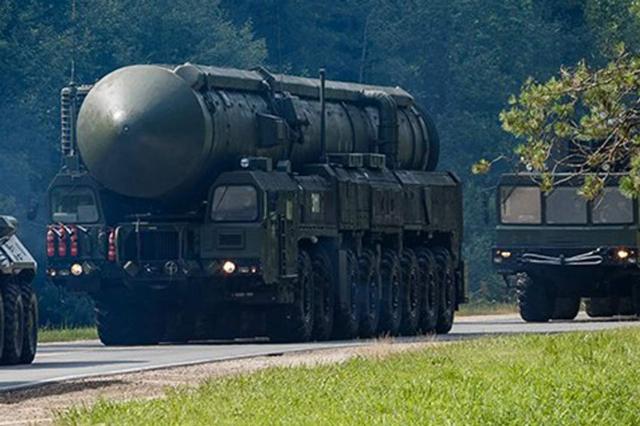
The Yars missile system
Image source: Photo: Global Look Press/MOD Russia
The marine component remains an equally important area of MIT's work. For example, the Bulava is the main solid—fuel sea-based missile. Today, 16 such missiles are carried on board the latest Borey and Borey-A class nuclear missile carriers, ensuring parity in the oceans, Dmitry Kornev said.
The future of the Russian rocket industry is connected with the further modernization of the Yars and Bulava lines: new modifications with improved characteristics of overcoming missile defense systems are expected in the Russian Federation. The development of guided warheads and the improvement of guidance systems suggest that the Russian school of solid rocket science retains its global leadership for decades to come.
In the current geopolitical situation, the production of modern weapons and the development of advanced defense technologies is one of the key tasks for Russia, experts say.
— In addition to landmark projects such as Bulava and Oreshnik, it is critically important to note the success of recent tests of the Sarmat complex. In order to strengthen its position on the world stage, the country needs to maintain its undisputed leadership in the field of security and modern weapons. Testing such long—range weapons shows that our country is not just ready to fight back, but, in principle, we have all the tools for this," political analyst Tatiana Kosacheva told Izvestia.
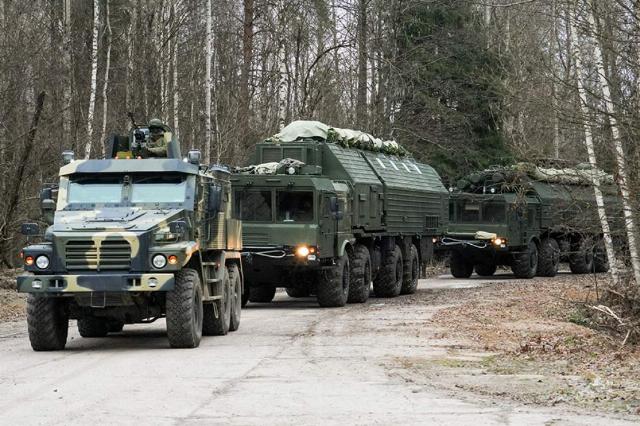
A unit equipped with the Oreshnik missile system
Image source: Photo: TASS/Vadim Savitsky
If you look at the terrestrial component of the Russian nuclear triad, it consists of two key elements. The first, massive, is solid—fuel mobile and silo-based missiles, which MIT is creating. The second, power—based, is heavy liquid-fueled missiles such as the Voyevoda, which are now being replaced by the Sarmat intercontinental ballistic missile, Dmitry Kornev added. It is the Sarmat that forms the core of a high-power retaliatory strike. According to his estimates, it is planned to put more than 50 such products into service, they will be deployed in two divisions.
— Moscow's key message to Western countries is that the situation should not be escalated to the extreme. At the same time, it is important to emphasize that Russia considers its nuclear and missile capabilities as a tool to prevent a large—scale military confrontation, and not to provoke an escalation in conditions of high levels of geopolitical tension," HSE analyst Tigran Meloyan told Izvestia.
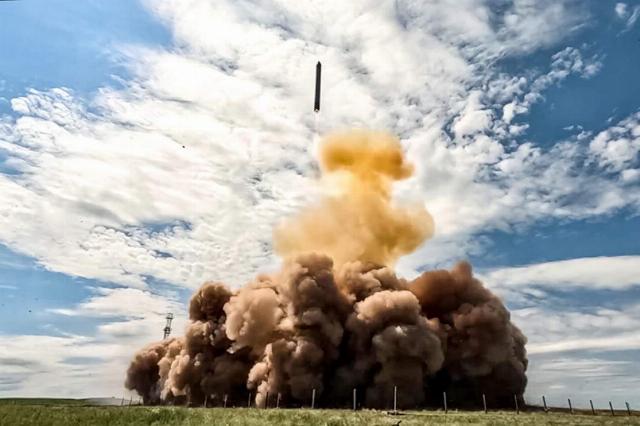
Test launch of the Sarmat missile system
Image source: Photo: RIA Novosti/Ministry of Defense of the Russian Federation
The President said yesterday that Sarmat is more than four times more powerful than any Western equivalent. Its special feature is the delivery of nuclear warheads to the United States, but through the South Pole, bypassing deployed missile and air defense systems. According to its characteristics, the rocket has an unlimited range and an unpredictable flight path.
Alyona Nefedova
Julia Leonova
