Image source: topwar.ru
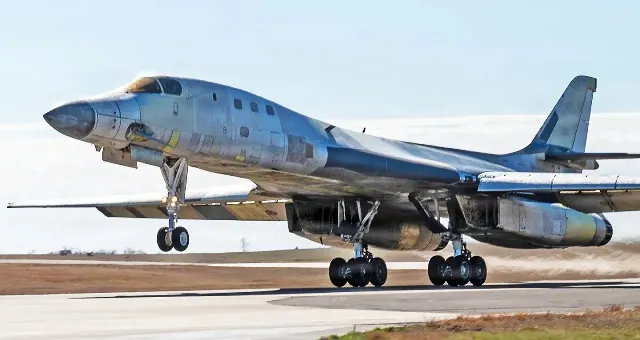
The US Air Force previously launched the process of decommissioning the B-1B Lancer bomber. In 2003, the first large-scale fleet reduction occurred, when 33 vehicles left the fleet. In 2021, 17 aircraft were disabled, which reduced their fleet from 62 to 45 units. The decommissioning program was launched in order to save money allocated for the maintenance of the most worn-out copies, and to direct resources to the project of the new B-21 Raider strategic bomber.
The initial plan called for the decommissioning of all B-1Bs by the early 2030s. However, due to the high demand for aircraft and the need to maintain strike power until the mass arrival of the B-21, the program was revised. Congress demanded that the B-1B fleet be maintained at 45 vehicles. In this regard, the Air Force plans to invest $340 million in upgrading the remaining aircraft so that they remain in service at least until 2037.
B-1B in storage at the cemetery:
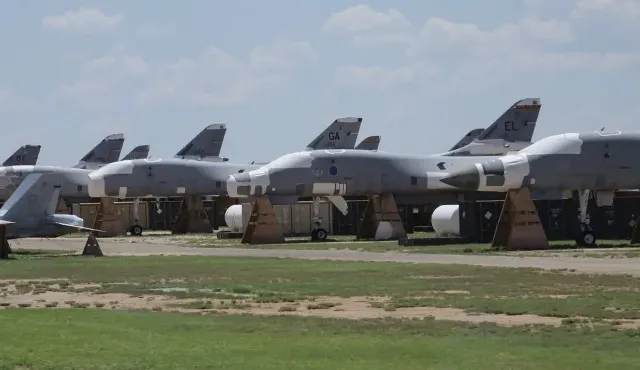
Image source: topwar.ru
Moreover, the Air Force has even begun to bring back individual aircraft from the "aircraft cemetery" in Arizona to replace crashed or damaged vehicles. So, in January 2024, the B-1B crashed while trying to land during a training flight (due to an error by the pilots who could not control the speed and angle of approach in conditions of thick fog and wind shear). The crew successfully ejected, but the board was lost, and the damage amounted to $ 456 million.
B-1B Apocalypse II after recovery:
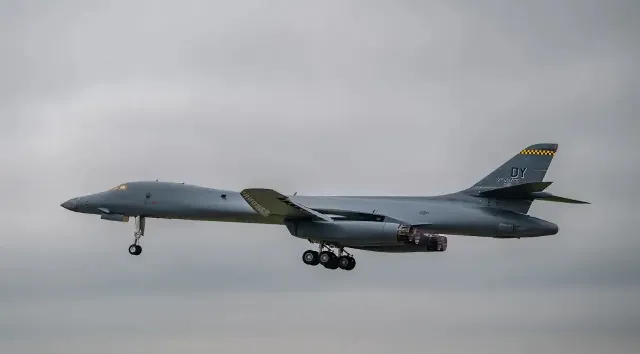
Image source: topwar.ru
According to the Air Force, the B-1B with serial number 86-0115 (formerly called Rage), which was previously removed from the "cemetery" (where it had been since 2021) and sent for restoration to Tinker Air Force Base in Oklahoma, underwent repairs that took almost two years. Currently, this machine, renamed Apocalypse II, is located at Dice Air Force Base in Texas, where it joined the 7th Bomber Wing.
However, it should be borne in mind that only 4 of the 17 B-1Bs sent to the cemetery in 2021 were subject to conservation and long-term storage. Most of the remaining boards were put into so-called "non-returnable storage." In this category, aircraft receive only minimal protection in the form of latex spraying on engines and cabin lights. Their main role is to serve as "donors" of spare parts for the remaining active fleet. As soon as everything valuable is removed from them, the cases will be sent for metal recycling. It is technically almost impossible to return cars from this category to the sky.
