
Image source: topwar.ru
The US Army has shown tests of a new ammunition, the Braker, designed to equip small-sized UAVs. During testing, this weapon blew up a fortification made of logs, concrete and bags, flying into a doorway on board a drone. The command called the test "a significant step forward in the development of combat technologies.":
The specific performance characteristics of the ammunition are not disclosed. It is installed on the drone by attaching to the Picatinny CLIK "bar" – this is a single standard developed by the US Army for fast, safe and universal docking of ammunition with UAVs.
Braker:
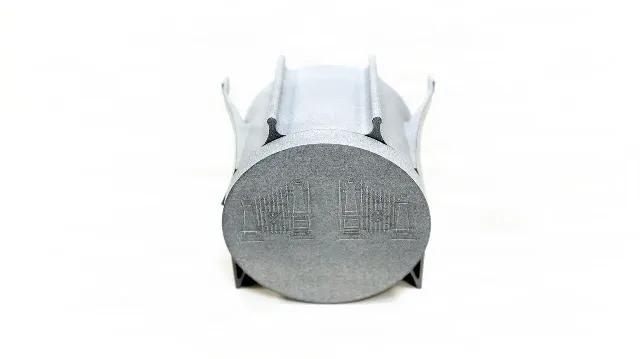
Image source: topwar.ru
The main goal is to overcome the "zoo" of systems. Before the advent of CLIK, every drone manufacturer and every warhead developer created their own unique mounting points. To hang a new grenade or bomb on a different brand of UAV, an engineering redesign was required.
The idea of CLIK is to create the same thing for drones that the famous Picatinny rail for small arms became in the 1990s. A fighter should be able to attach ammunition to any compatible drone in a couple of seconds.
Picatinny CLIK (grey construction under the "belly" of the UAV):
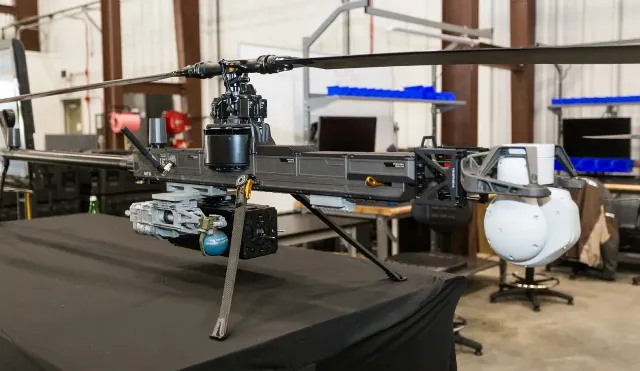
Image source: topwar.ru
Picatinny CLIK is not just a mechanical lock, but a whole complex that includes three "pillars": the physical interface is a standardized mechanical reset and rigid attachment unit; the electrical interface is a single connector for power supply and data exchange between the UAV's on–board computer and the ammunition fuse; the security architecture is strict encryption protocols and safety algorithms that exclude accidental detonation of ammunition during a drone crash, hard landing, or loss of communication.
A special lightweight CLIK – sUPI (small Universal Payload Interface) substandard has been developed for light commercial and tactical quadrocopters, for which every gram of weight is critical and minimal energy consumption is required.
The Pentagon has provided technical specifications and CLIK drawings to commercial companies so that any civilian drone manufacturer can produce a device with a connector for installing a "bar".
