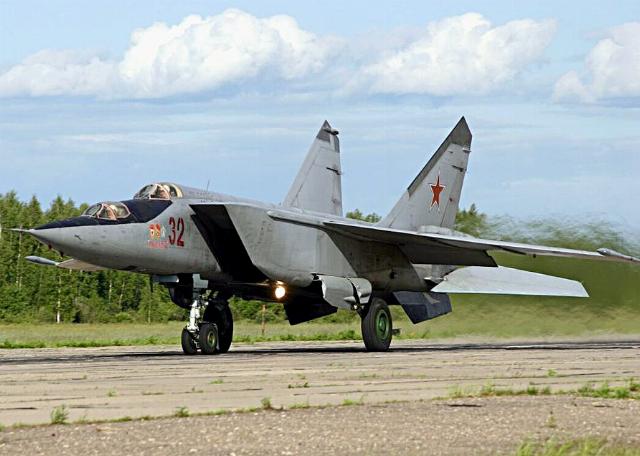
55 years ago, on March 20, 1971, the MiG-25RU lead serial fighter made its first flight. It was lifted into the sky by test pilot M. N. Elkinbard.
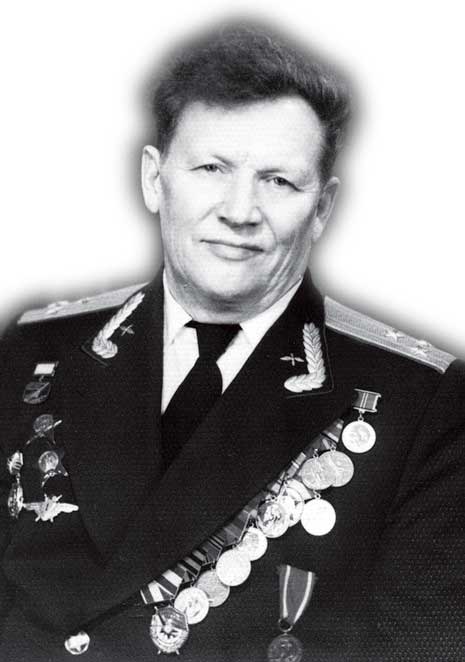 |
| Test pilot M. N. Elkinbard. |
| Source: Valery Ageev |
During flight tests of the basic MiG-25 — MiG-25P and MiG-25P family aircraft, the test pilots came to the conclusion that the specific level of flight performance of these aircraft, especially in terms of altitude and speed, requires the creation of training options.
These sparkes were unarmed aircraft and could not perform combat missions. When designing them, the designers of the Design Bureau sought to ensure maximum unification not only among themselves, but also between the initial modifications.
The MiG-25PU differed from the MiG-25RU only in the presence of a weapons simulator. Unlike the training modification of the MiG-23 aircraft, the instructor's cabin was located in front, and his pilot was sitting behind, who in the future would have to transfer to a full-fledged MiG-25R. The controls were duplicated for both cabins. Communication was maintained using an intercom device.
The control systems and a number of other systems (air signals, automatic control, engine control, life support, air conditioning, etc.) have been upgraded and refined to simulate failures.
The ejection system has also been improved to ensure automatic escape from the vehicle in case of danger.
The characteristics of the MiG-25PU and RU were practically the same as those of the basic variants, with the exception of the maximum number of M, which was reduced to 2.65 (instead of 2.83) for safety reasons.
The MiG-25RU aircraft were mass-produced in Gorky in 1970-1982, and more than 50 units were produced. On June 22, 1975, on the MiG-25RU aircraft, designated E-133 in the FAI, test pilot S. E. Savitskaya set the women's world aviation record for flight speed at a distance of 15-25 km - 2683.44 km/h.
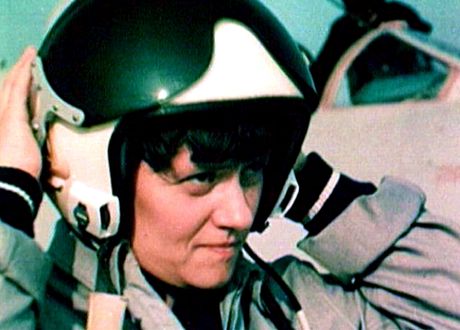 |
| Test pilot S. E. Savitskaya. |
| Source: Valery Ageev |
A flying laboratory was created on the basis of the first production MiG-25RU aircraft No. 0101 to develop rescue equipment for the reusable Buran spacecraft, the K—36RB ejection seats.
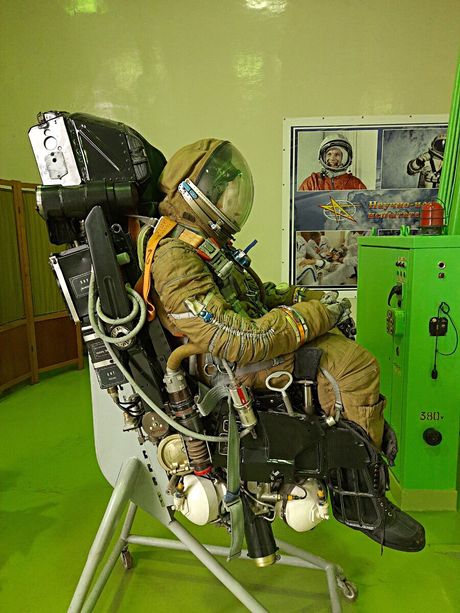 |
| Ejection seat K-36RB. |
| Source: Valery Ageev |
The ejection was carried out using a dummy. For this purpose, the rear cabin was used, from which the lantern was removed, and instead metal sides were installed on the sides. Also, a metal visor was installed in front of the cabin.
A video camera was installed in a special container in the nose of the MiG-25RU, which was supposed to record the moment of ejection. In addition, cameras were installed on the wingtips and the tail section of the fuselage. After the main tests, the aircraft was used many more times in preparation for the Buran program. Now this car is in the M.M.Gromov Institute of Physics and Technology.
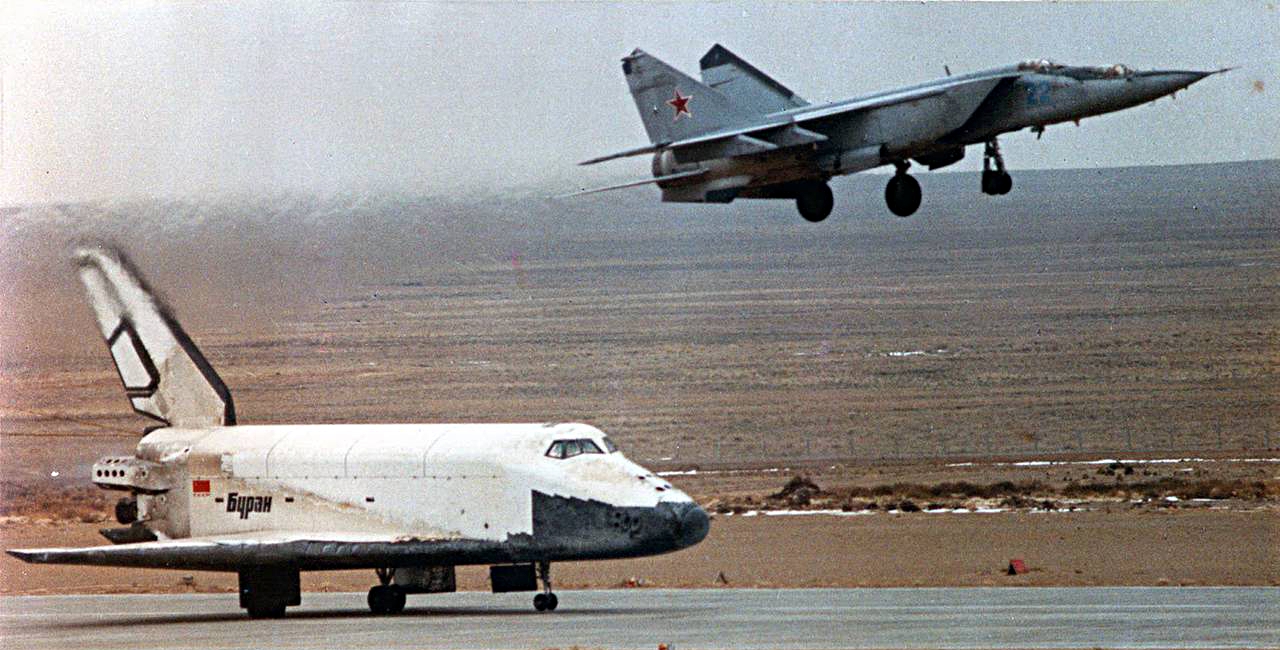 |
| Landing of the Buran. |
| Source: Valery Ageev |
Valery Ageev
