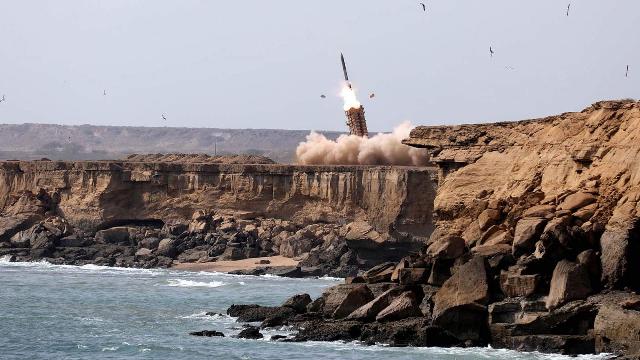
The parties are betting on missile strikes and UAVs, a ground operation is unlikely, experts believe.
Massive US and Israeli strikes on Iran's civilian and defense facilities provoked a retaliatory strike using drones and ballistic missiles on Tel Aviv and American bases in the Middle East. Moreover, all sides have deployed the latest weapons systems. Israel fires aeroballistic missiles from airplanes, Iran uses hypersonic munitions, and the United States uses LUCAS kamikaze drones copied from Iranian Shaheds and Russian Geraniums. These weapons systems will continue to play a major role in the confrontation, and the United States does not plan to conduct a ground operation, experts believe. Iran's military capabilities are enough to block shipping through the Strait of Hormuz and thereby create difficulties for the global oil trade.
A new weapon in the Iranian conflict
During the large-scale military operation of the United States and Israel against Iran, several new weapons systems were used. For example, Israel has deployed the latest Rampage and Blue Sparrow air-launched aeroballistic hypersonic missiles. Previously, information about their possible use appeared only once — in June 2025, during the first Israeli strike on Iran. Rampage and Blue Sparrow are used to attack Iranian air defense systems — radars, launchers, anti-aircraft complexes and, probably, command posts.
— The new munitions are launched from F-15 fighter jets at a distance of over 1,000 km from the target, without entering Iranian airspace. Due to their hypersonic speed and maneuverability, they represent an extremely difficult target to intercept," said military expert Dmitry Kornev.
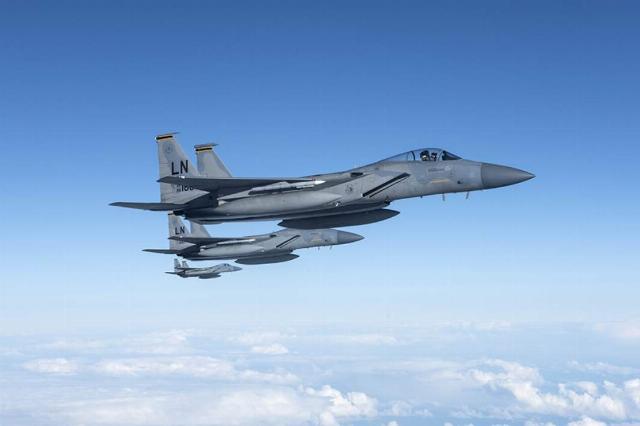
Photo: TASS/Zuma
Image source: iz.ru
After suppressing the air defense, such missiles open the way for attacks by other means on targets in Iran. The new weapon gave Israel the opportunity to fight against enemy air defenses and other military installations without endangering its pilots, the Izvestia source explained.
For the first time, the United States used LUCAS kamikaze drones in combat conditions, which were developed and put into mass production a few months ago. Interestingly, these UAVs, in fact, are an exact copy of the Iranian Shaheds and Russian Geraniums, and have similar characteristics.
"The materials for copying were probably obtained after the Iran—Israel conflict in 2025, and also - it is possible — from Ukraine, where Geraniums were actively used,— Dmitry Kornev believes.
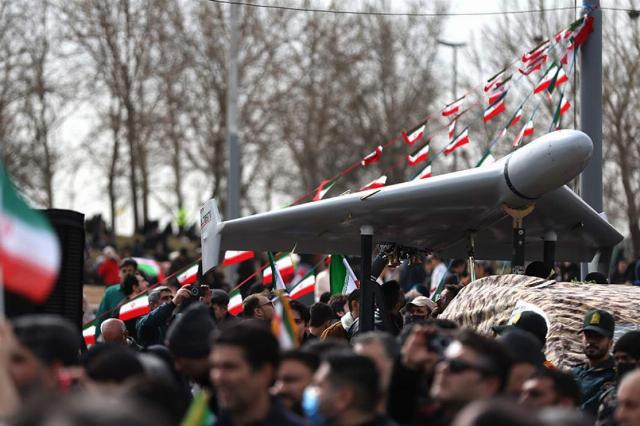
Photo: TASS/Zuma
Image source: iz.ru
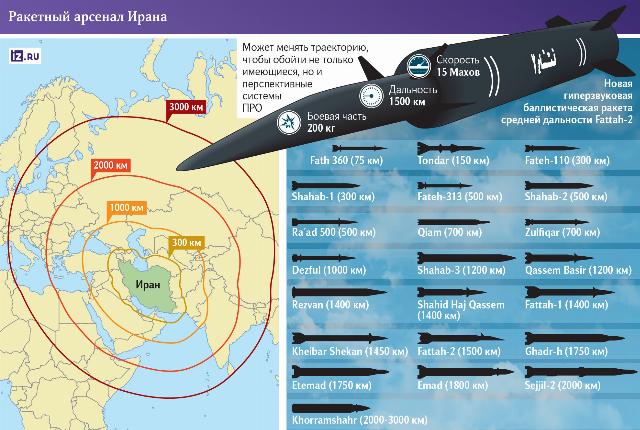
Iran, in turn, has switched to the mass use of Zolfaghar and Fattah-2 hypersonic missiles with solid-fuel boosters and guided warheads. If liquid munitions dominated the retaliatory strikes against Israel in June 2025, now the role of hypersonic systems has increased.
"Their interception by existing air defenses is extremely difficult: the missiles break through to the targets," Dmitry Kornev noted. "However, their warheads are lighter than those of their liquid counterparts, which forces Iran to carefully choose priority facilities, probably military bases or infrastructure," the expert said.
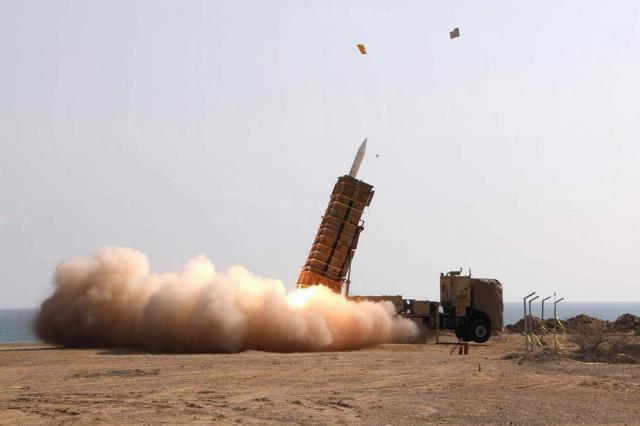
Photo: Global Look Press/Iranian Army Office
Image source: iz.ru
According to him, the American Patriot missile defense systems are effective against old ballistic missiles (liquid-fueled, such as Scud), but have low effectiveness against new Iranian hypersonic munitions. That is why they achieve their goals by damaging US facilities in the Persian Gulf, Dmitry Kornev believes.
The goals are defined
Missiles and UAVs have become the main striking means of the warring parties. At the same time, Iran's capabilities may be limited by the total number of such strike systems in the country's arsenals, said military expert Vladislav Shurygin.
"Iran has decided on the main goals — these are the US military bases in the region and Israel,— the Izvestia interlocutor continued. — When carrying out further strikes, Iran is likely to adhere to the tactics it has already chosen. They have another trump card — the Strait of Hormuz, which, by blocking, Iran will endanger the global oil trade.

Photo: Global Look Press/Oleg Spiridonov
Image source: iz.ru
Iran has various opportunities to influence shipping in the strait. It has naval mines, anti-ship missiles, and boats, Ilya Kramnik, a researcher at IMEMO RAS, told Izvestia. And recently, the country has been developing unmanned boats.
ru/video/embed/2051844" width="100%" height="366" allowfullscreen style="border-style: none;max-width: 650px;" allow="autoplay; encrypted-media; fullscreen">
— All this can be used to block the strait. It's narrow, and it's easy to block the main fairway. Whether this will happen is another matter. It all depends on political factors. If Iran decides to follow a strict scheme, it will be able to stop shipping quite effectively. If they decide to make some kind of compromise, then options are possible," the expert believes.
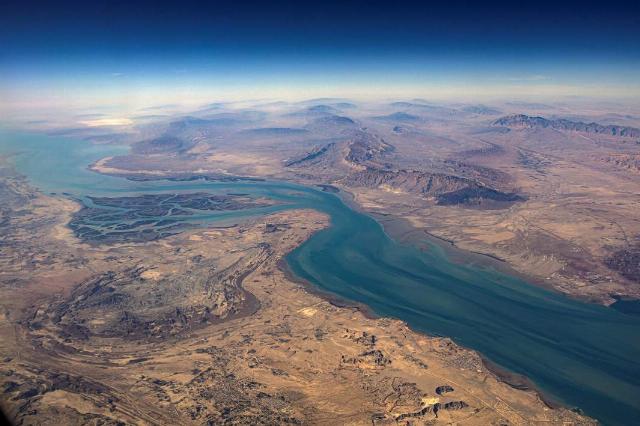
Photo: REUTERS/Nicolas Economou
Image source: iz.ru
At the same time, the Iranian forces do not pose a great threat to the US Navy, Kramnik added: the American ships are at a sufficient distance, and they still need to be found. But Iran will be able to easily reach those ships that will be in the Strait of Hormuz.
Scenarios for the development of the Iranian conflict
Despite the death of Iran's supreme leader Ali Khamenei, the country's governance has not been lost, experts say. In this situation, the United States and Israel will strive to destroy the enemy's missile potential as quickly as possible.
— For the Americans, the main problem is the lack of a large number of air defense systems and missiles at their facilities in the region. With combat operations of such intensity, they will last at best for two to three weeks. It is during this period that the United States will try to destroy the maximum number of Iranian missiles, and then take a break. Most likely, this is how long this hot phase of the conflict will last, — Vladislav Shurygin is sure.
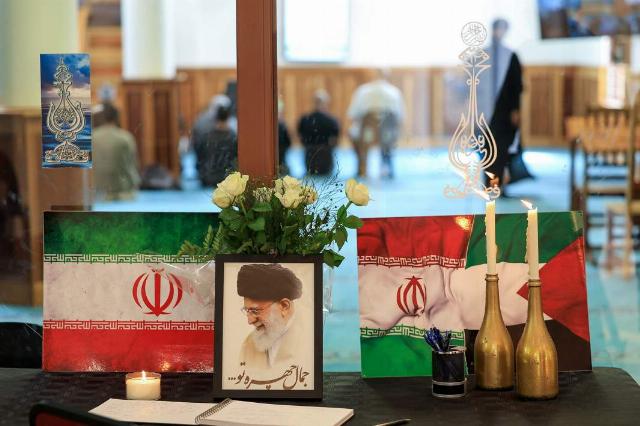
Photo: REUTERS/Esa Alexander
Image source: iz.ru
The operation against Iran follows the "Venezuelan scenario, only in a bloodier form" — the United States and its allies are trying not to seize the country, but to change power in it, the expert believes.
"Washington is focused on clearing the way for a certain group of conspirators in the Iranian leadership who are in contact with the Americans," he said. — Such a plan assumes that they should come to power after the top leadership of the country is eliminated. Obviously, it won't be today or tomorrow. The process can take a long time.
The photo of the destroyed residence of Ayatollah Khamenei shows craters — and they look little like those that remain after the arrival of cruise missiles, says Shurygin. In his opinion, these are most likely traces of pre-planted explosive devices, and only pro-American people could have done this, the expert noted.
"This may serve as confirmation of the version about the promotion of a group in the leadership of Iran that is ready to cooperate with the United States,— he said.
Photo: TASS/IMAGO/Andreas Beil
Image Source: iz.ru
The Americans will not conduct a full-scale ground operation, Shurygin is sure. But both the United States and Israel have numerous Special Operations Forces (SSO) — they can be used to eliminate undesirable leaders in Iran.
"Protest forces may also be involved at this point, if they remain, of course," he noted.
If these options do not work, neither Israel nor the United States will be able to achieve a change of power in Iran, the expert believes.
"The United States may also conduct a small operation to seize an oil—bearing province on the Iranian coast in order to undermine the country's economy and conduct attacks and sabotage operations from there," Shurygin said.
However, experts interviewed by Izvestia called this option unlikely — there will be significant losses here, and the top of the United States will incur too high political costs, which they absolutely do not need now.
Bogdan Stepovoy
Roman Kretsul
Julia Leonova
