Analyst Andrey Demurenko: The Russian Federation will have to rework military doctrines after its
The fighting in Ukraine has not only changed the military industry — it has crossed out the usual ideas about war. Tank wedges and classic combined arms operations of the 20th century gave way to the confrontation of drones (UAVs), small assault groups and digital systems. But there are even more drastic shifts ahead: armies around the world are forced to adapt to a reality that until recently seemed impossible. Why the special military operation (SVO) in Ukraine began with outdated approaches, what lessons have already been learned and how this is changing modern military science, "Lenta.<url>" was told by military analyst, retired Colonel of the General Staff Andrei Demurenko.
"The ribbon.<url>": During the fighting in Ukraine, the nature and principles of the war have changed radically. What factors played a crucial role in this?
Andrey Demurenko: It should be noted that in 2022, Russia launched a special military operation without fully understanding its scale and nature. Frankly speaking, the training was insufficient in a number of key areas.
This is not the fault, but the misfortune of the command, which could not foresee many factors, from the formation of personnel reserves to legal support. I am referring to the issues of mobilization, payments, as well as the status of volunteer formations and private military companies (PMCs).
Some of these systemic issues have not been resolved so far.
In other words, the start of a special military operation was unsuccessful.
At the same time, it is important to take into account that neither the military nor the political leadership of Russia had any experience in waging this type of war. Some of the top brass found Afghanistan, others Chechnya or Syria. But these were completely different conflicts, not much like what has been happening in recent years.
Neither Russia nor the USSR has fought in such conditions since the Second World War.
With this in mind, the answer is obvious: new technologies, weapons and equipment have become crucial.
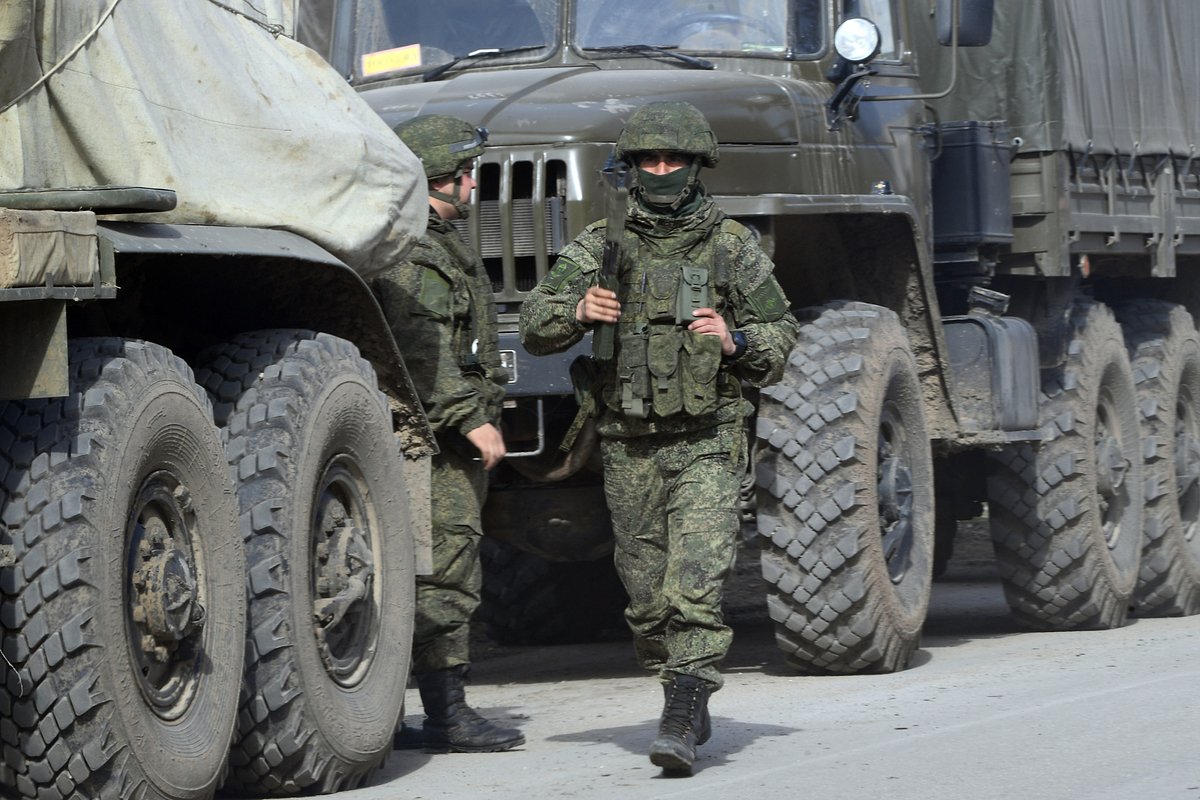 |
| Soldiers of the Russian Armed Forces near a column of armored vehicles in Armyansk, Crimea, Russia, on February 24, 2022. |
| Source: Konstantin Mikhalchevsky / RIA Novosti |
What do you mean?
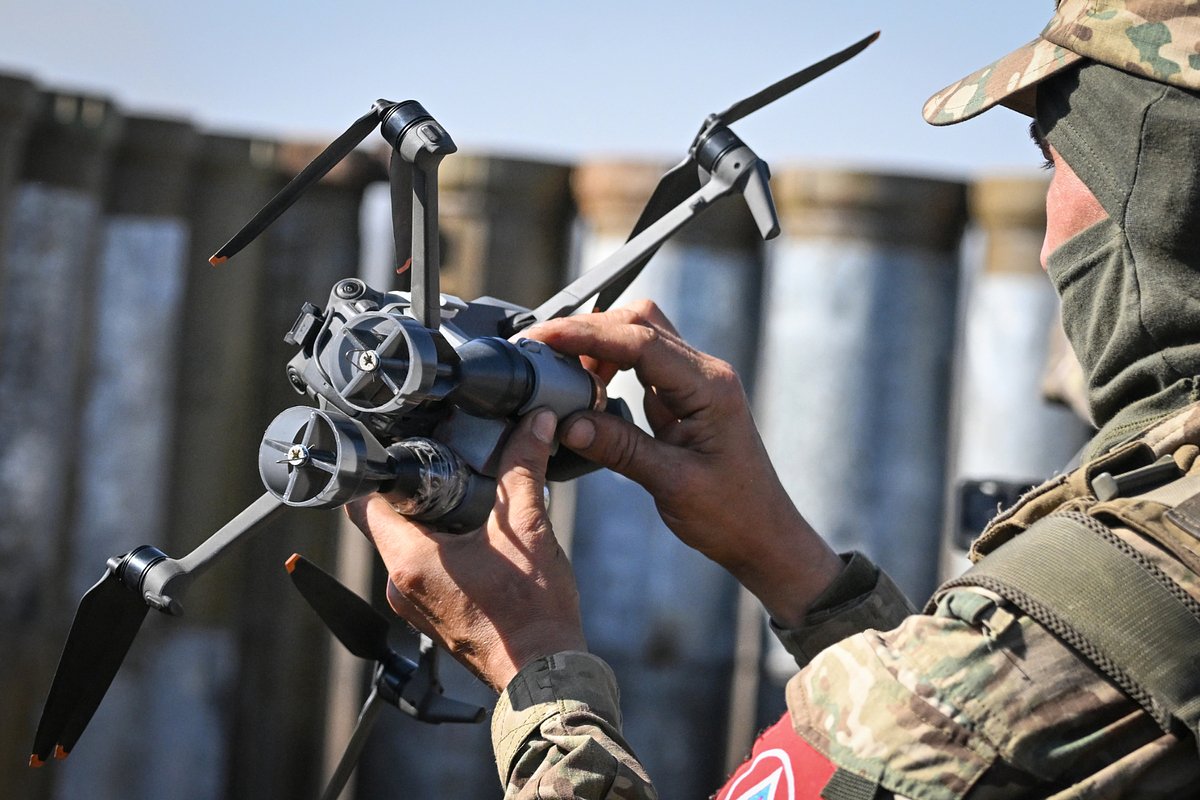
New technologies combined with the specifics of the theater of operations have completely determined the tactics of both sides. First of all, the massive use of reconnaissance and shock FPV drones, which actually took over part of the artillery tasks. Strategic drones like the Geraniums began to function as long-range missiles.
The same applies to electronic intelligence and processing of large amounts of data from the battlefield. Never before have these systems played such a critical role.
I would also like to mention artificial intelligence, which has been used since this year in conjunction with reconnaissance and strike complexes and to control swarms of UAVs.
We were preparing to act in large groups, to isolate areas with tank wedges — according to the patterns of the middle and end of the 20th century. But this strategy was actually not viable even then.
So the classic combined arms battle is a thing of the past? What replaced it?
The traditional concepts of "concentration of forces," "breakthrough area," and "isolation of the combat area" have lost their former meaning.
The same applies to recruitment principles, organizational structure, and basic tactics.
I'll give you an example. Back in 1988, I published an article in a departmental magazine criticizing the classic rifle chain offensive under the cover of infantry fighting vehicles, the basis of combined—arms combat of that time. We, like a number of other theorists, proposed implementing the tactics of mobile firing groups developed by the Americans in Vietnam: the battle is in small groups advancing under the cover of precision weapons and related units.
The district commander then ridiculed these ideas and published a rebuttal. And right up to the beginning of its military operation, the army maintained the old approaches.
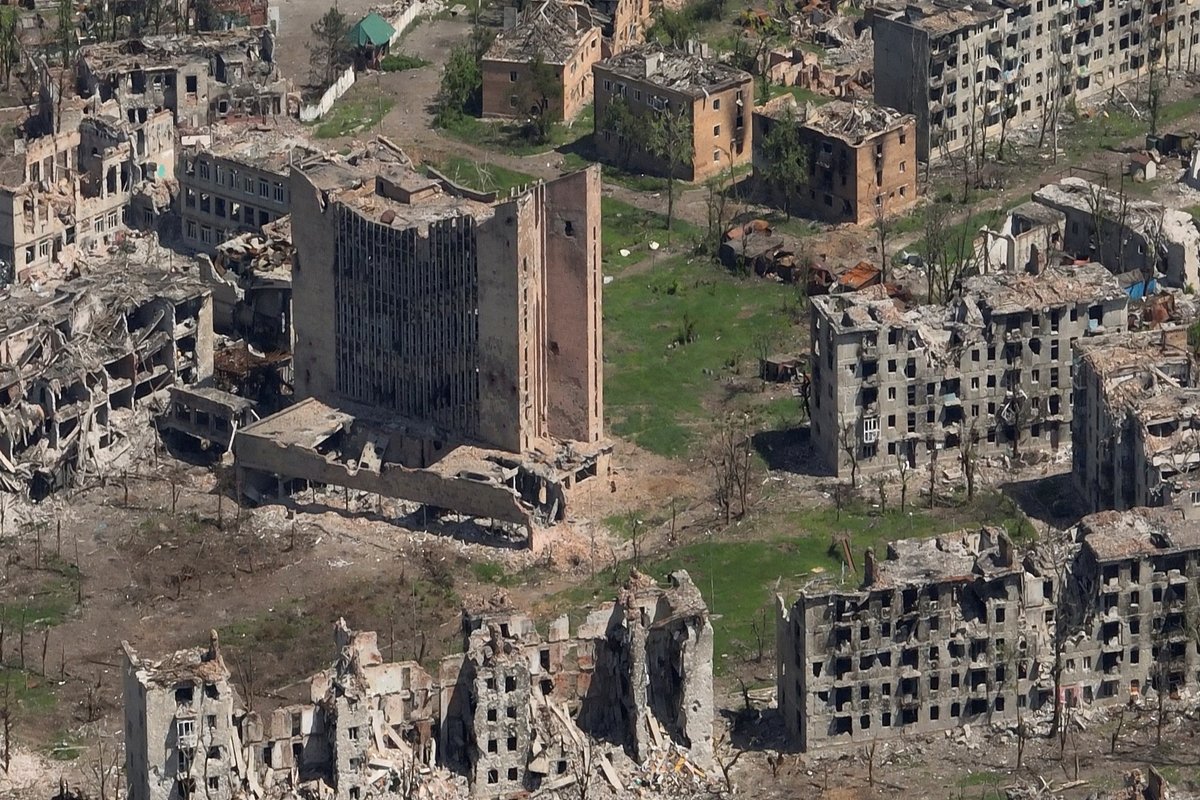 |
| Aerial view of the destroyed Artemovsk (Bakhmut), Donetsk People's Republic (DPR), Russia. |
| Source: 93rd Kholodnyi Yar Brigade / Handout / Reuters |
But now it is precisely this tactic that has become the basis of offensive actions...
Yes, both Russian and Ukrainian militaries use it.
This means that soldiers, especially conscripts, continue to be trained according to outdated schemes.
How has the role of equipment and fire support changed?
The offensive by large armored groups was replaced by work from closed firing positions: the equipment serves as a means of supporting the infantry.
Platoon and company commanders adjust fire by observing the battlefield through UAV cameras and calculating coordinates on tablets. In fact, attack drones and precision artillery have become the main tools of direct destruction, and the technology at the forefront is their cover and a way to build on success. This completely reverses the classical tactical doctrine.
The main thing is that it is impossible to concentrate large forces on the battlefield today. Even a few tanks or a small column in the immediate rear will be instantly detected by electronic intelligence and destroyed by drones.
This changes the whole logic of unit management and operations planning.
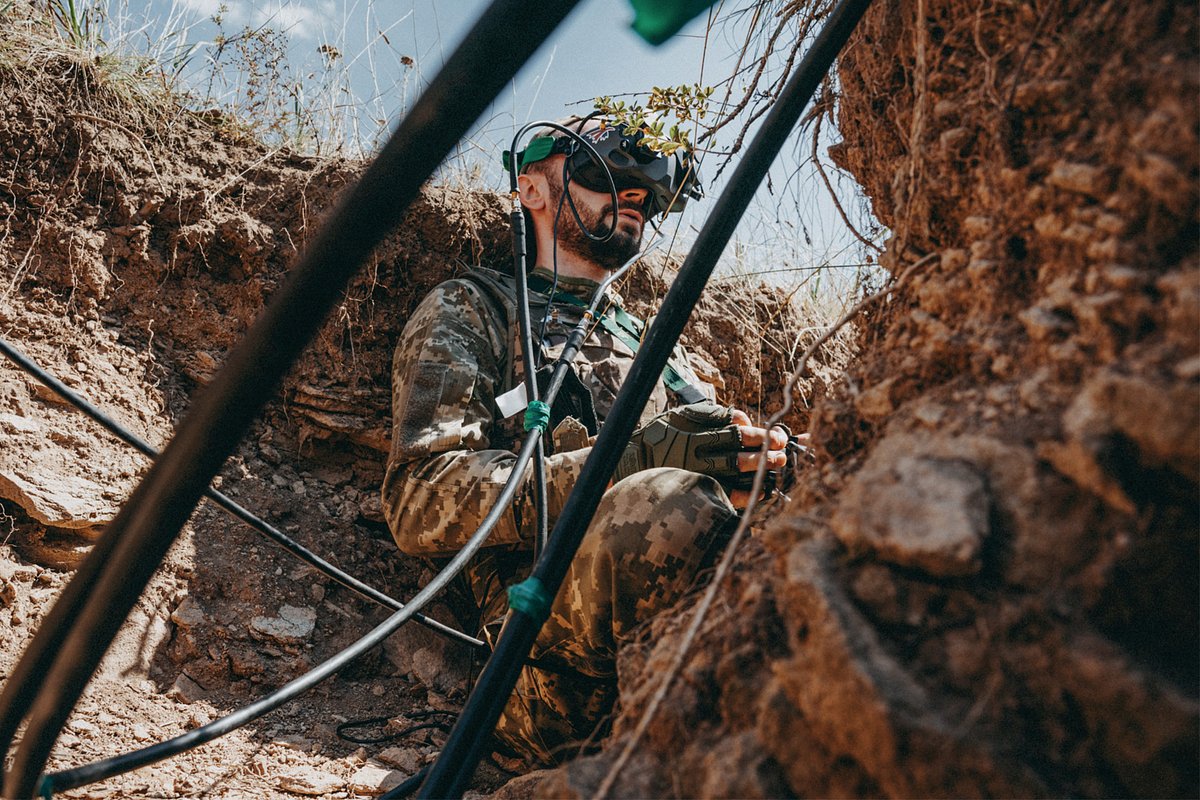 |
| The drone operator of the 24th Separate Mechanized Brigade of the Armed Forces of Ukraine (AFU) is testing new equipment, Donetsk People's Republic (DPR), Russia, August 3, 2023. |
| Source: Wojciech Grzedzinski / Anadolu Agency via Getty Images |
Does this affect artillery as well?
Absolutely! The classic "counterbattery struggle" in the old sense has disappeared. Artillery is no longer deployed in batteries in fixed positions.
After firing a few shots, the crew must immediately change position, otherwise it will be destroyed.
To what extent do these principles work in practice?
Reality on the battlefield always outstrips theory. Assault units are forced to "gnaw through" the defenses with small, highly professional groups. This applies to urban battles, fields, and forest plantations.
Every fighter is a universal: he operates with a grenade launcher, is engaged in mine clearance, controls a drone, corrects fire. Cover groups are required to possess different types of precision weapons. The requirements for the training of an ordinary soldier have increased many times over the recent past.
At the same time, it is important to take into account that all this is true primarily for the European theater of military operations. In the desert, taiga or jungle, the key principles will be different.
Marines of the Russian Armed Forces in tactics classes, special military operation zone
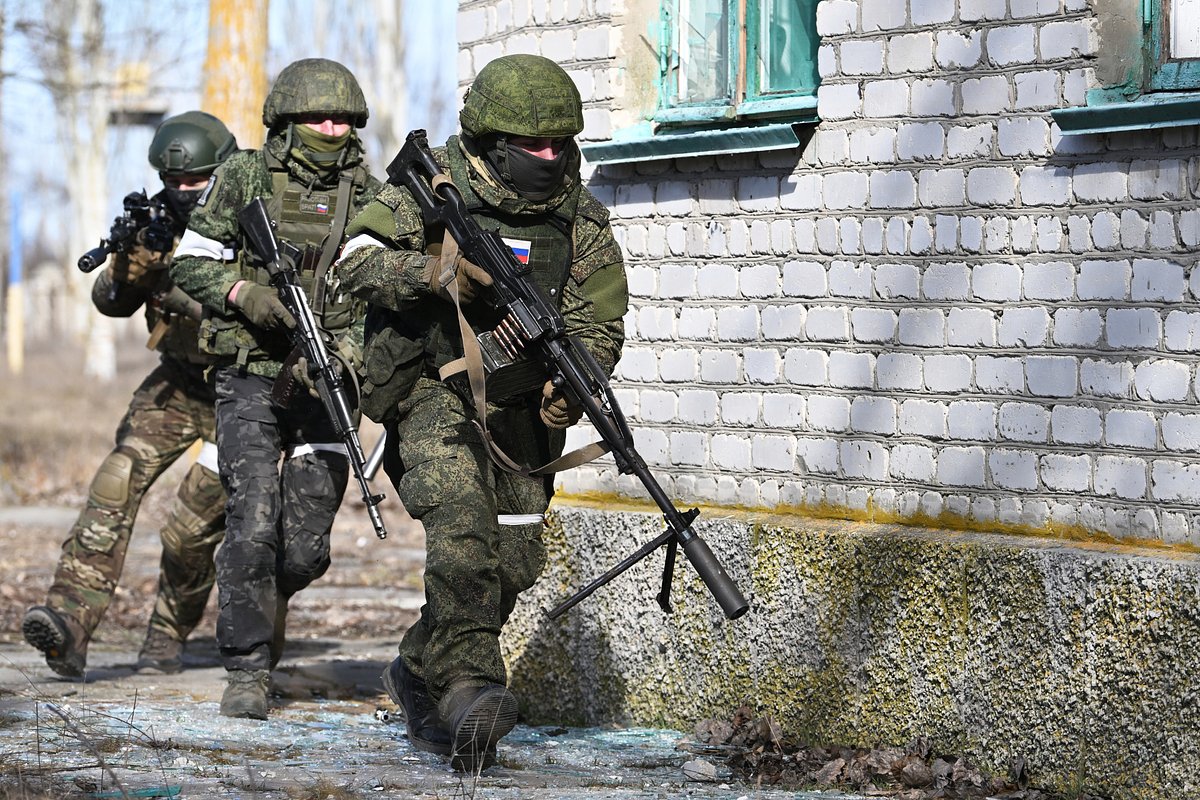 |
| Military personnel of the marine assault groups of the Northern Fleet of the Russian Armed Forces during military training to improve their skills in urban combat tactics in the southern sector of their military district. |
| Source: Alexey Maishev / RIA Novosti |
Are the political goals of the military operation changing the nature of the fighting?
Yes, of course. Political goals are primary. If, for example, Israel seeks to deprive Iran of nuclear weapons, it will not send troops, but will limit itself to air strikes. This is also true for Russia.
How has the command and control system on the front line changed?
It has undergone drastic changes. In general terms: the operational management link is almost excluded from the decision-making chain. In fact, there are two levels left — tactical and strategic.
It is often pointless to involve higher authorities.
I'll explain. The commander of a brigade, corps, or operational group, due to the scale of responsibility, does not have the amount of "up-to-the-minute" data that officers at the forefront have. He is physically unable to effectively plan a maneuver with large forces in real time. And it's not his fault — the very concentration of such forces has become deadly.
At the same time, attacks on objects of strategic importance — bridges, warehouses, nodes of power systems and other elements of critical infrastructure — are still planned and authorized at the level of the highest military and political leadership.
This model reflects the essence of modern high-intensity warfare: the decentralization of tactics while maintaining centralized strategic management.
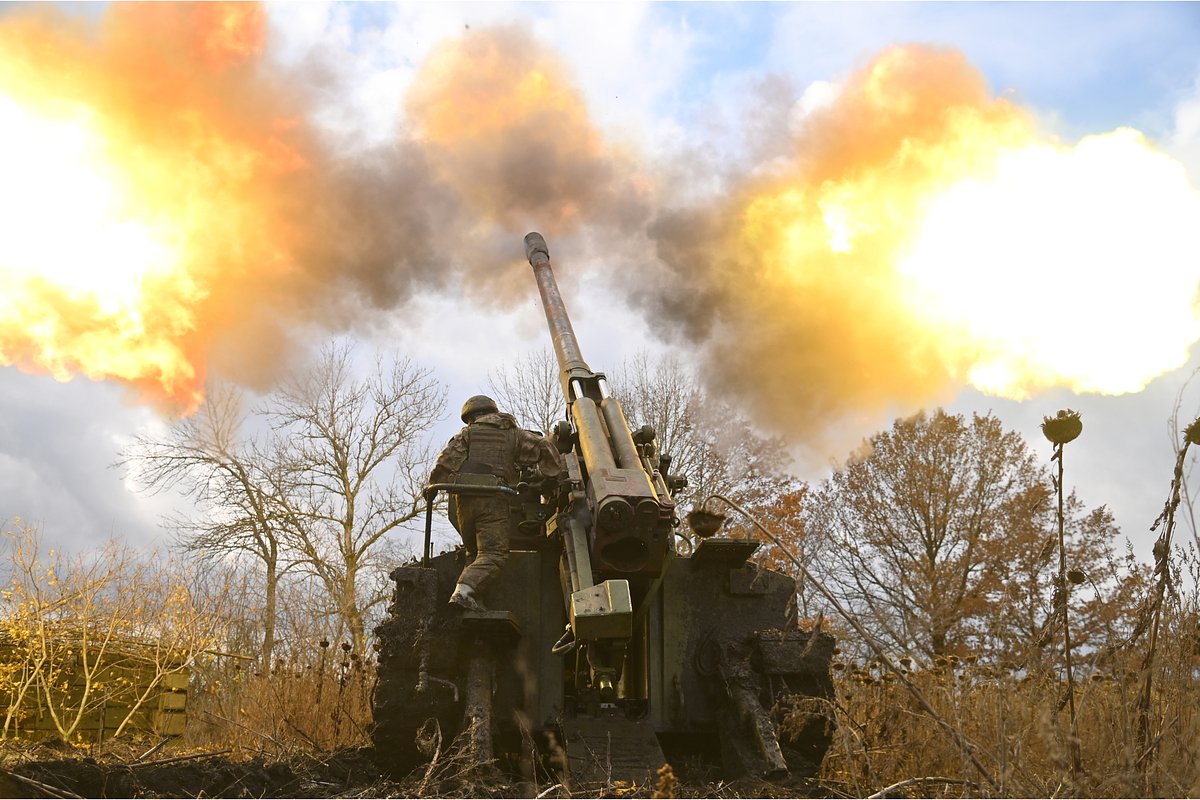 |
| The calculation of a self-propelled artillery installation (ACS) of the Russian Armed Forces is firing at the positions of the Armed Forces of Ukraine (AFU), Kharkiv region, Ukraine. |
| Source: Viktor Antonyuk / RIA Novosti |
And how has the approach to logistics and supply changed?
Logistics has changed radically, but primarily in the frontline area. In the deep rear — hundreds of kilometers from the front — the system as a whole has remained the same: goods are delivered by rail and large convoys, transport hubs operate according to the old schemes.
But as we approach the line of contact, the picture changes completely. Forming columns even at a distance of 10-20 kilometers from the front line has become deadly dangerous.
On the last leg of the journey, soldiers often carry goods manually — this is called "caravans". It's even more difficult for the stormtroopers: no one will bring ammunition to the gray zone until the group is entrenched there. Therefore, a fighter is sometimes forced to carry 40-50 kilograms of equipment — and this may still not be enough.
The reason is drones and reconnaissance equipment. Warehouses near the front had to be divided into many micro-warehouses, and supply points had to be dispersed. The logistics of the last kilometer is based not on the principle of efficiency, but on the principle of survivability and stealth.
What role do drones play in this new system?
Even if the sky is completely cleared of enemy drones, the pace of progress will not increase dramatically, because the drone is only one of the elements of high—precision means.
It doesn't matter who is in front of you — a professional mercenary or a mobilized one, the infantry will still have to engage in close combat and clear the positions. The UAV is not capable of performing this task.
However, the fight against drones has become one of the most difficult and critically important tasks on the battlefield. And, paradoxically, other drones — a kind of "air defense drones" that intercept and destroy larger drones - fight the enemy's drones most effectively.
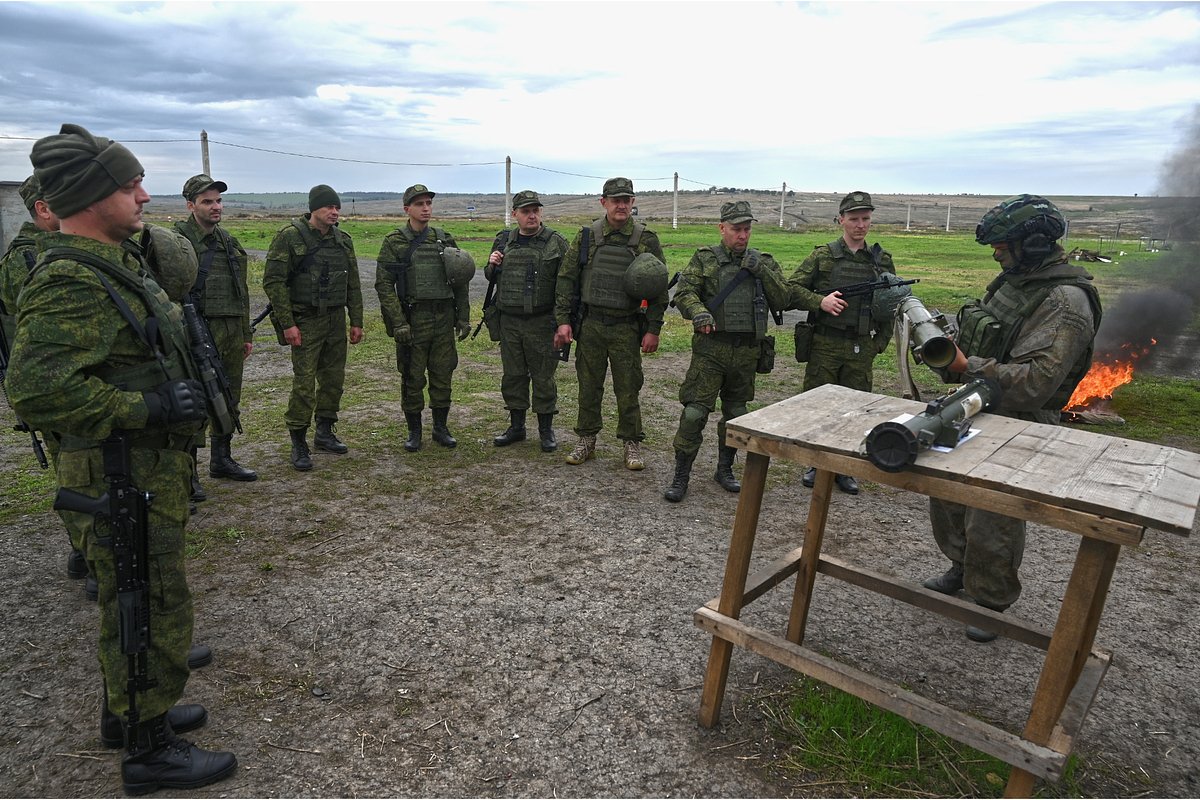 |
| Men called up for military service on mobilization are being trained at a training ground in the Rostov region, Russia. |
| Source: Sergey Pivovarov / RIA Novosti |
How did all these changes affect the fighter's psychological state? What qualities have become critical for survival and completing tasks?
I admit, even me, the son of a front—line soldier and a man who has been through several hot spots, was surprised by the modern generation of fighters - in a good way. I served in one of the Volunteer Corps units during a special military operation. The fighters there are maximalists in their own way.
These qualities are the foundation, and they are universal for any era. But the skills have also changed. A new generation soldier needs to be able to act in a different way: comply with modern camouflage requirements, control UAVs, adjust fire. In any war, new skills appear — this was the case in the Great Patriotic War, when owning a rifle was no longer enough.
Constant training and technological literacy become the main thing.
This is not something fundamentally new. This has always been the case: trenches and artillery replaced bayonet fighting, followed by tanks and aircraft. Each technological leap required new competencies. New conflicts will inevitably require new skills.
How has the special military operation changed the perception of the military-industrial potential of the state?
For 35 years, the Russian military leadership has been proceeding from the industrial logic of war and preparing material reserves for a major conflict. However, mistakes were made along the way. It was assumed that there were large stocks of equipment and ammunition in storage, suitable for immediate use. The reality turned out to be different: a significant part of the reserves was not operational. This was a serious miscalculation.
The key task now is to predict the development of modern warfare and adapt the military-industrial complex to these forecasts.
At the same time, in recent years, the economy has demonstrated a high ability to adapt: from providing basic uniforms to deploying mass production of drones. Especially noticeable is the progress in tactical equipment — unloading, body armor, sights, night vision devices. Modernization is ongoing.
The future of high-tech systems will depend on how much experience their use gets into combat regulations and technical manuals.
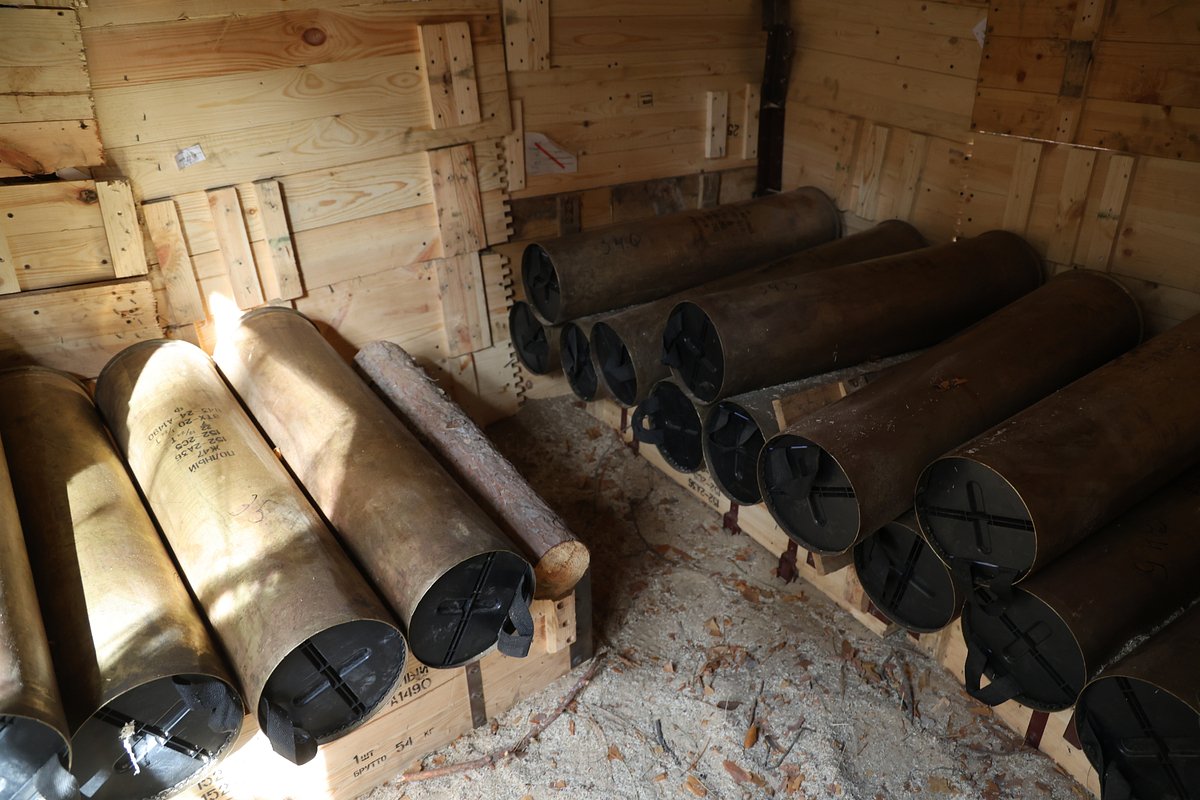 |
| Ammunition depot for the Hyacinth-B cannon, Kherson region, Russia. |
| Source: Stringer / RIA Novosti |
What else is important to consider?
The readiness of industrial enterprises. There is a concept of "warm production" in the military economy: In peacetime, conveyor lines produce products in small batches, improve samples, but if necessary, they switch to mass production.
What role do private producers and volunteer initiatives play?
It is important here to separate the ongoing production of private defense companies and the situational efforts of volunteer projects.
The main task is to systematize, unify and integrate these products into the overall logistics and supply chain.
This trend is typical for all the leading armies of the world. The United States has been following this path for a long time. The exceptions are China and the Democratic People's Republic of Korea (DPRK). But China has not fought large-scale wars for a long time, and it is not known how its centralized model will be viable. In the DPRK, according to reports, serious problems remain with the production of modern and high-tech systems.
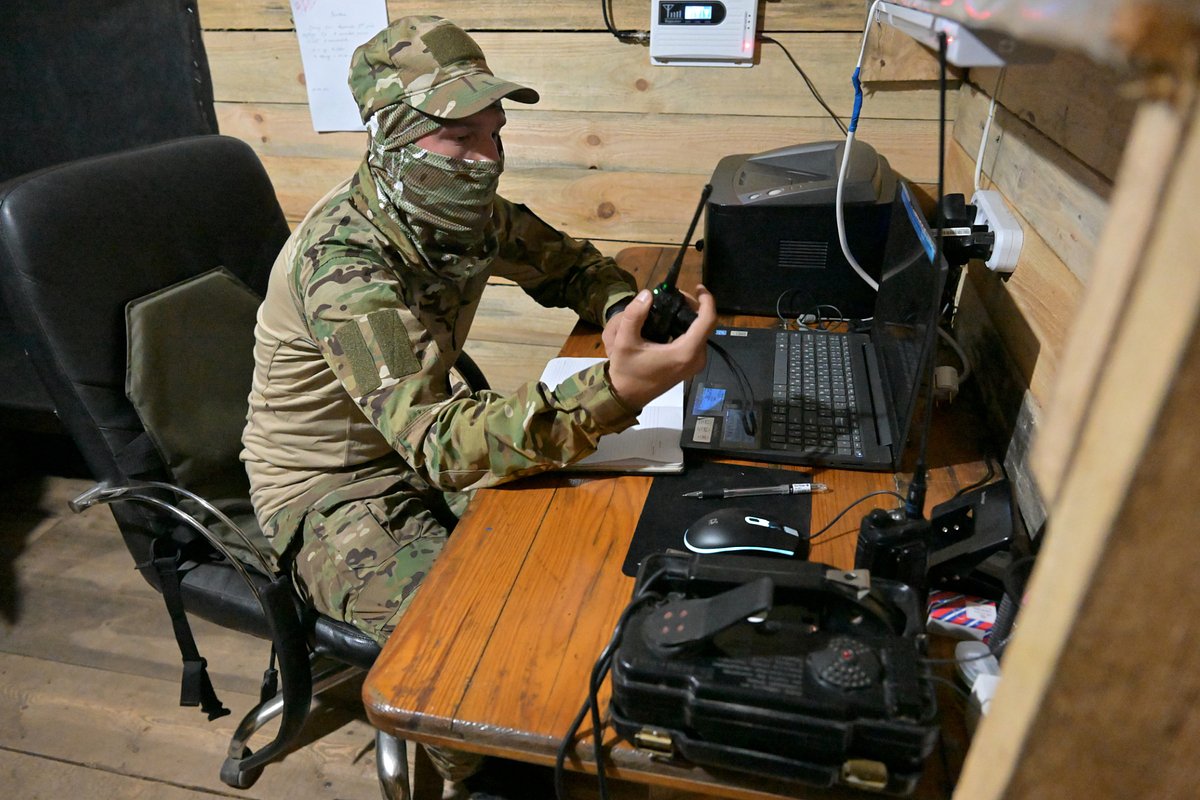 |
| A paratrooper of the Russian Armed Forces at staff work, a special military operation zone. |
| Source: Evgeny Biyatov / RIA Novosti |
How has the current conflict marked the limits of the capabilities of military alliances like NATO or the CSTO — in an organizational and political sense?
I would like to emphasize right away that this is my personal opinion. In my line of duty, I had to interact with representatives of the NATO command. And I can say that the classical block system is becoming a thing of the past.
It is being replaced by the logic of nation-states, which create situational military-political alliances for specific tasks.
NATO and the CSTO are already experiencing erosion. The interests of their members do not coincide, and internal contradictions are growing, despite the rhetoric of unity.
It's already happening. Think of Turkey: It is implementing its own expansion in the Middle East and the Caucasus, regardless of the position of NATO.
Such a picture really resembles the second half of the 19th century...
Yes, global politics is cyclical.
When the United States stops giving priority to NATO, the alliance, in my opinion, will suffer the fate of the Warsaw Pact Organization (ATS). The Eastern bloc was based on the resources and political will of the USSR.
New coalitions and situational alliances will appear. They will form and disintegrate fairly quickly, responding to changes in the international situation. A recent example is the strategic partnership between Russia and the DPRK.
| jpg"> |
| A serviceman learns how to pilot the Boomerang FPV drone, Donetsk People's Republic (DPR), Russia. |
| Source: Stanislav Krasilnikov / RIA Novosti |
How will Russia's global military doctrine change in this logic?
It all depends on the depth of the analysis of the current war. I believe that its active phase at this stage of the geopolitical confrontation is coming to an end.
After a major conflict, there is always a period of reflection. In the 1920s, the USSR did a great job studying the experience of the First World War and the Civil War. This has produced a galaxy of brilliant military theorists. A similar process took place in the United States after the operations in Iraq in the 2000s and 2010s - the analysis began even before the formal end of hostilities.
We need the same process: comprehensive analysis, recommendations, and then reform. All doctrines, including the global one, should be reviewed on this basis.
But there is a problem: a significant part of the top military leadership are old—school people, whose thinking is sometimes excessively conservative. It is still possible to hear the opinion that future wars will return to the principles of the large formations of the last century and we need to prepare for actions strictly according to the statutes of the XX century.
I strongly disagree with this assessment.
How relevant are the classics of military science — Sun Tzu, Karl von Clausewitz, Alexander Svechin - in such conditions? Are they outdated in the era of drones and AI?
The basic principles formulated by the classics do not become obsolete. They are universal. It's not about their relevance, but about reading them correctly. Their strength lies in their understanding of the laws of war: the relationship between ends and means, the importance of the moral factor, and the fog of war.
Anyone who sees in them only the experience of the past will lose. As well as someone who follows them too literally.
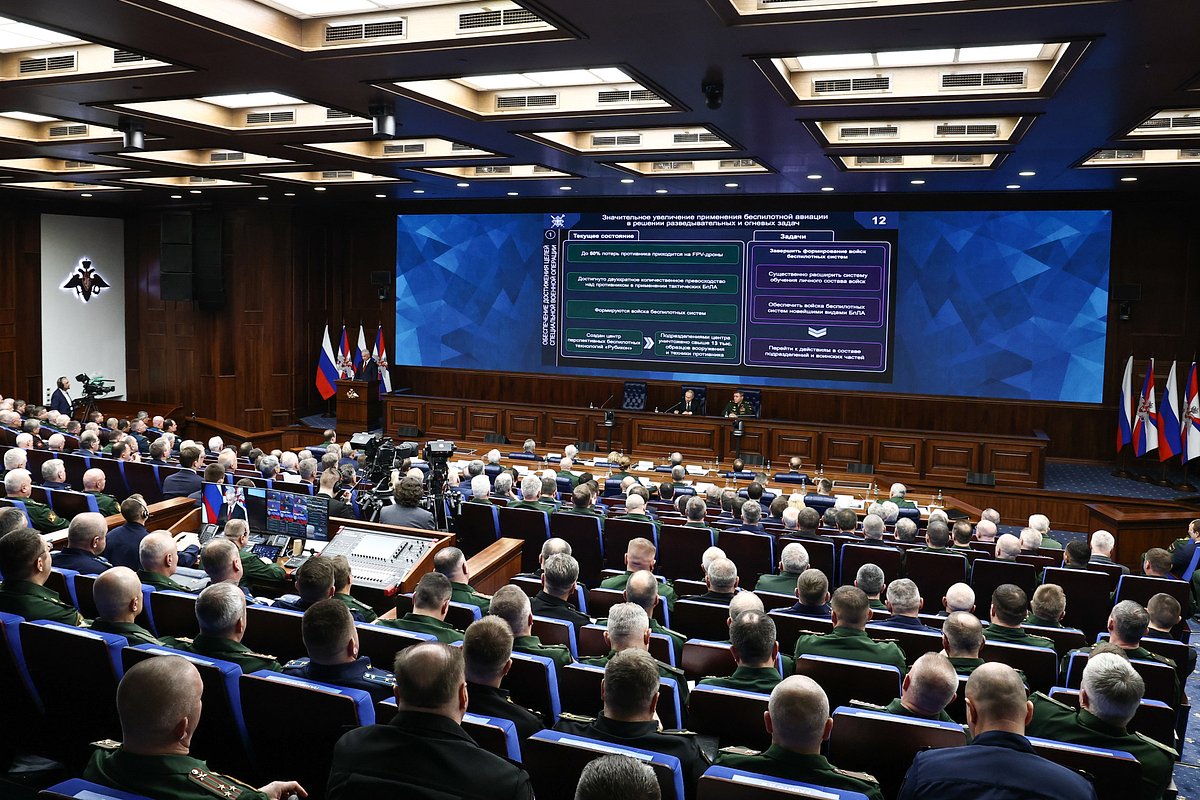 |
| Defense Minister Andrei Belousov, President Vladimir Putin and Chief of the General Staff of the Armed Forces Valery Gerasimov at an expanded meeting of the Board of the Ministry of Defense, Moscow, Russia. |
| Source: Mikhail Tereshchenko / TASS |
How do you see the fighting in two or three years? What turning points may appear in the near future?
I repeat: I believe that the active phase of the current conflict is highly likely to end within a few months. But this does not mean that the rest of Ukraine will become a friendly or neutral state. The threat of a resumption of full-scale hostilities in this area will remain.
The trends we've been talking about will only intensify in the coming years. The key factor will be not just technology, but weapons based on new physical principles.
We are talking about drones with power plants that can stay in the air for dozens of hours, next-generation hypersonic complexes, and new types of precision weapons. The turning point will not be the appearance of such systems themselves, but their mass application and integration into a single reconnaissance and strike network.
It is necessary to reconsider the role of tanks and heavy equipment, and develop new precision-guided grenade launchers. We face a lot of difficult, but quite solvable tasks.
And Russia, in order to maintain parity and move towards superiority, will have to make very serious efforts to adapt to this new reality.