NYT: Venezuela's S-300 air defense systems turned out to be helpless due to the incompetence of the military
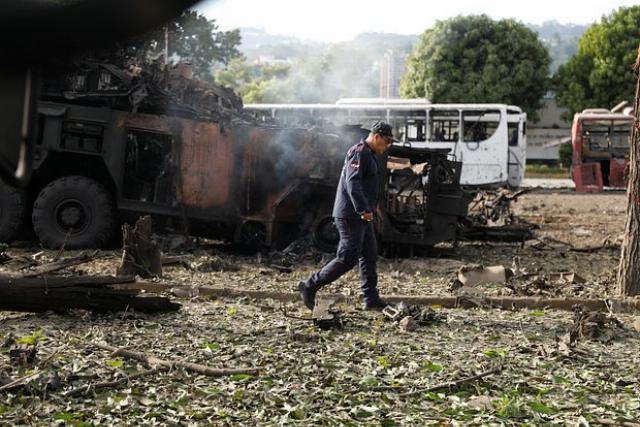
The advanced S-300 anti-aircraft missile systems, which Venezuela acquired from Russia back in 2009, were not connected to radars during the US attack. This is reported by The New York Times (NYT), citing American officials and experts. According to the publication, due to this mistake by the military, the skies of Venezuela turned out to be unprotected.
Some of the S-300 complexes have been stored in warehouses for years.
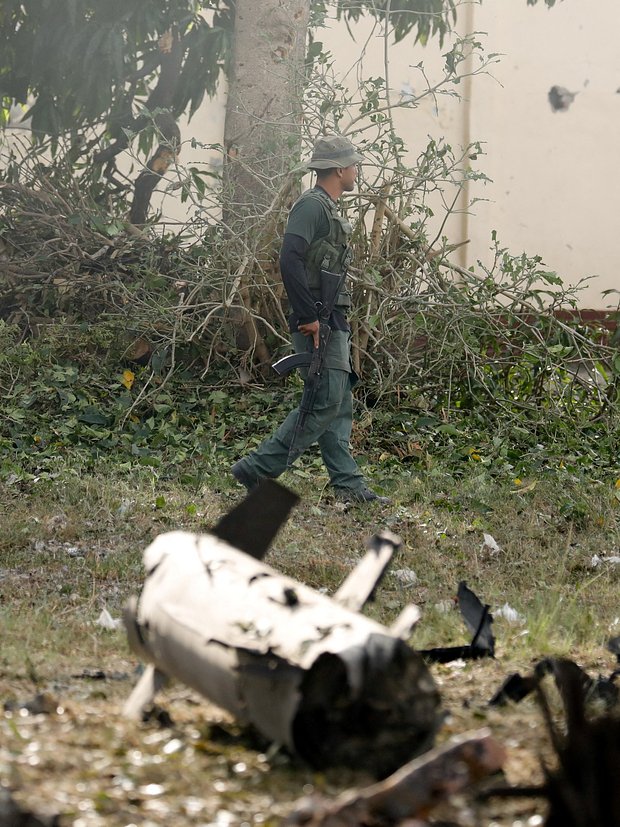
According to the interlocutors of the publication, Venezuela could neither support nor operate the S-300, as well as the Buk complexes, which made it vulnerable during the US attack. The journalists independently analyzed the photos, videos, and satellite images and concluded that some air defense components were still stored in the warehouse at the time of the raid.
 |
| Venezuela. |
| Source: Leonardo Fernandez Viloria / Reuters |
Despite months of warnings about a possible invasion, the air defense systems were not connected to the radar stations. Such incompetence of the Venezuelan military played a key role in the success of the United States, writes the NYT. "Years of corruption, poor logistics and sanctions have certainly severely degraded the combat readiness of Venezuela's air defense systems," said Richard de la Torre, former head of the CIA mission in Venezuela.
At the same time, the Telegram channel "Military Informant" reports that Venezuela was armed with Buk-M2E, which could not shoot down American aircraft that struck with weapons with a launch range 2-3 times greater than the range of these air defense systems.
"They could only hit helicopters, but here we return to Venezuelan incompetence, problems with spare parts, and the effectiveness of the US first strike campaign, which prevented Venezuela's air defense from doing even that," the authors write.
Venezuela announced the purchase of air defense systems from Russia in 2009. Hugo Chavez was then president of the country, and he called these weapons a deterrent to American aggression. The acquisition of the S-300 was part of a massive billion-dollar rearmament of the Venezuelan army.
Prior to that, Caracas relied on American weapons, but in 2006, amid deteriorating relations between the two countries, Washington banned such supplies to the South American country.
Trump announced the capture of Maduro in early January.
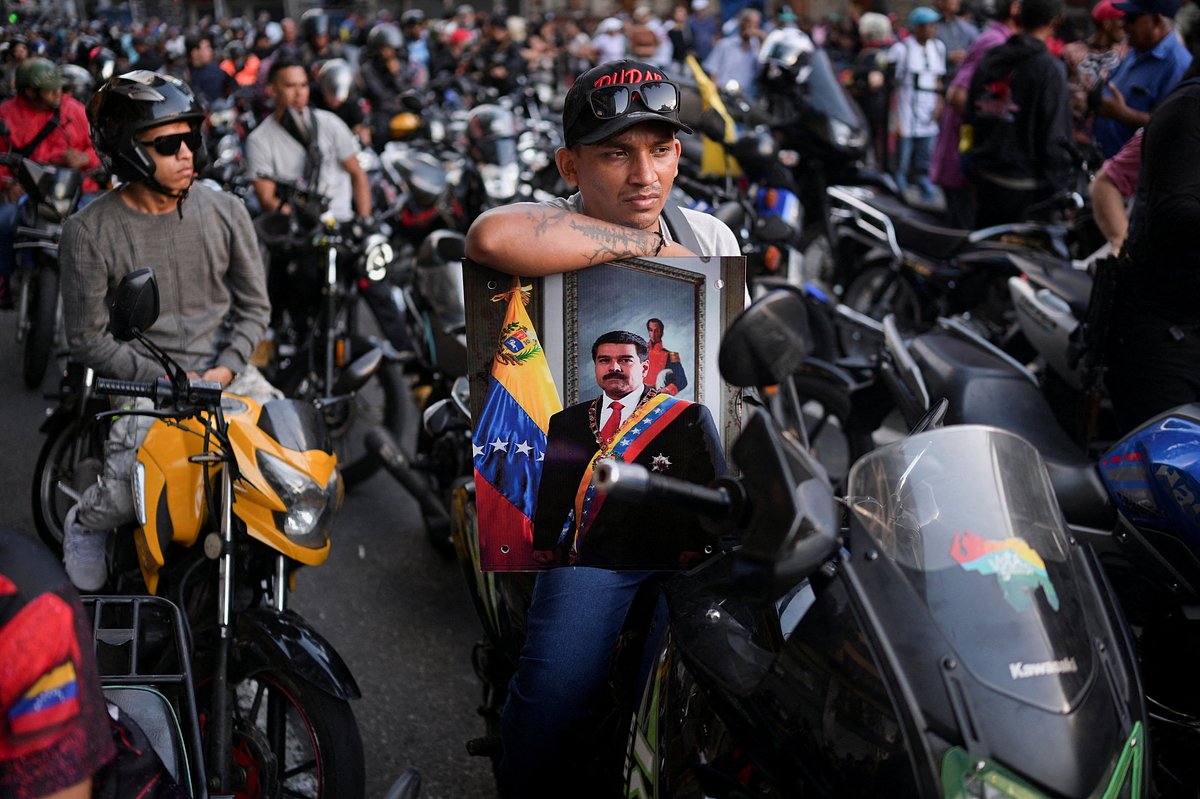
On January 3, the US armed forces launched airstrikes against targets in the Venezuelan capital and across the country. This was first reported by the Venezuelan government. Later, US President Donald Trump made a statement. He said that Venezuelan President Nicolas Maduro, along with First Lady Celia Flores, had been captured and taken out of the country.
 |
| Venezuela. |
| Source: Gaby Oraa / Reuters |
"The United States of America has successfully conducted a large—scale operation against Venezuela and its leader, President Nicolas Maduro, who, along with his wife, was detained and taken out of the country. This operation was carried out jointly with US law enforcement agencies," Trump said. They were taken to the United States, where they plan to be tried for crimes related to the creation of a drug cartel.
Later, the American leader said that the United States was going to use Venezuela's resources to lower oil prices. According to him, the United States will rule Venezuela and extract oil from its vast reserves for many years.
Varvara Koshechkina (Editor of the Operational Information Department)
