In early January of this year, the 70th anniversary of the Hero of Russia, cavalier (knight) Order of the Legion of Honor (France) to Sergey Vasilyevich Avdeev. The 74th cosmonaut of Russia, he spent 747 days in space during his three flights, setting a world record. He went into outer space ten times.
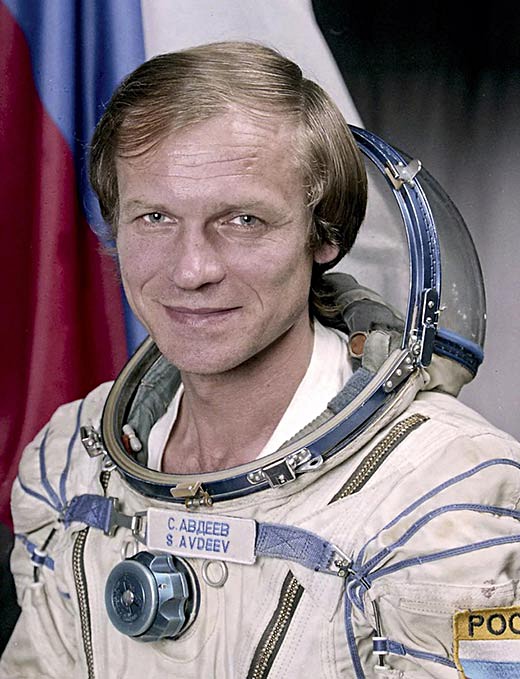 |
| Cosmonaut Sergey Avdeev. |
| Source: Valery Ageev |
Through the thorns to the stars
Sergey Avdeev was born on January 1, 1956 in Chapaevsk, Kuibyshev (now Samara) region. That's what his mother Valentina Grigoryevna recalled about her son.:
- Seryozha did well at school, went to the gold medal, but graduated from school with one C in the Russian language. He was very fond of physics and mathematics, and took electives in these subjects. In high school, Seryozha decided to go to a physics and mathematics school. He was very fond of playing sports, mountain skiing, football, and especially athletics. He had many certificates for his athletic achievements. Sergey was involved in athletics at the Volga Sports Complex, the Dynamo sports club. He also attended a music school and played the accordion. My son was an inquisitive boy, diligent and hardworking."
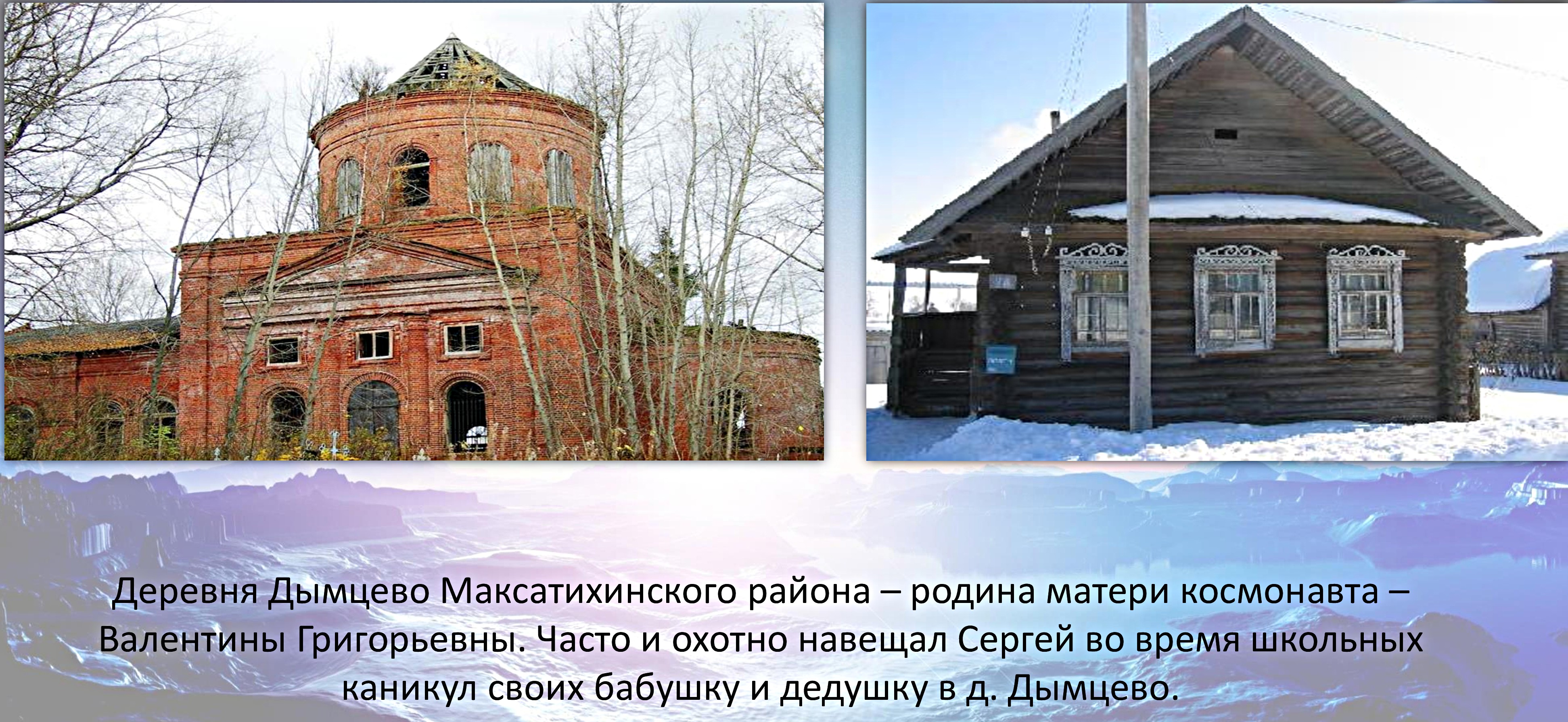
Sergei often and willingly visited his grandparents during the school holidays in the village of Dymtsevo, the birthplace of the cosmonaut's mother.
 |
| Source: Valery Ageev |
After graduating from high school with a commendable diploma, Avdeev entered the Moscow Engineering Physics Institute with a degree in Experimental Nuclear Physics, from which he graduated in 1979.
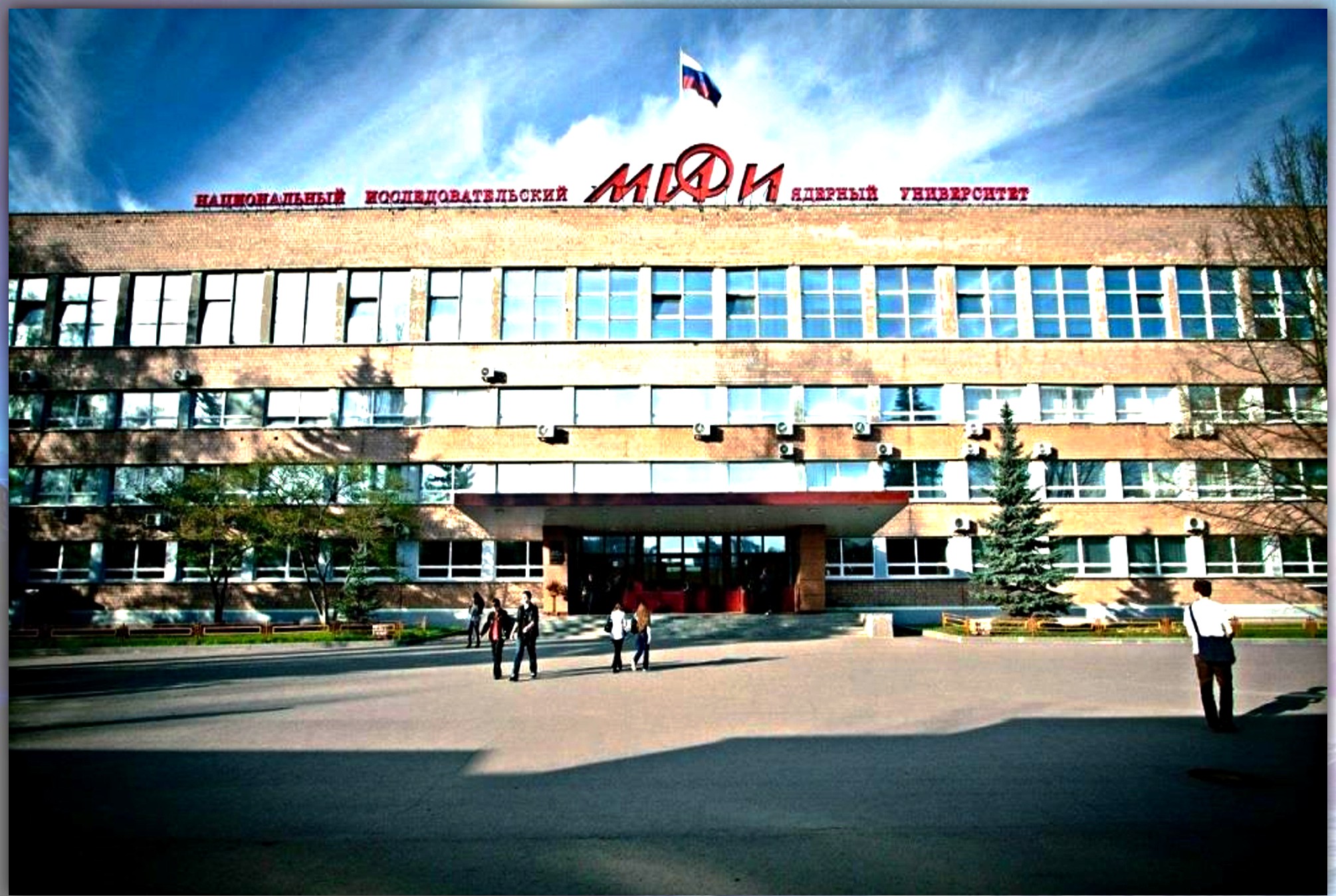 |
| Moscow Institute of Engineering Physics (MEPhI). |
| Source: Valery Ageev |
- In my youth, I didn't even think about cosmonautics, recalled Sergey Vasilyevich. Everything turned out by itself. And I dreamed of being a physicist, a nuclear physicist. Already in the eighth grade, I firmly decided to enter the MEPhI Faculty of Theoretical and Experimental Nuclear Physics. In high school, I simultaneously studied at the correspondence school of applicants at the Moscow Institute of Physics and Technology, receiving assignments through the Kvant magazine...
Then there were fun student years, friendly companies, the presidency of the informal youth club of the Rockwell Kent MEPhI, hiking trips, and an active social life... While still a student at MEPhI, I worked on a project in the field of astrophysics. Joining NPO Energia, which is now called the S.P. Korolev Rocket and Space Corporation, was a logical continuation of my student work. Already working at Energia, I entered the postgraduate program at MEPhI...
A friend informed me that there is a cosmonaut squad at NPO Energia, or rather, part of it is a squad of civilian cosmonauts. My project, which I worked on at Energia, was related not only to the creation of purely automatic scientific satellites, but also to the participation of astronauts in their work in Earth orbit. This prompted me to move to the Cosmonaut squad department.
It was 1985, when I applied to join the squad, not really believing in success, but still hoping for a successful outcome. He successfully passed the technical exam, passed the medical examination, and became an eighth-grade cosmonaut in a company with five military pilots.
I'm a test cosmonaut.
In March 1987, Sergey Avdeev was selected for the cosmonaut corps. In July 1987, he was appointed candidate for the test cosmonauts of the 291st Department of NPO Energia. From December 1987 to July 1989, he completed general space training at the Yuri Gagarin Space Research Center.
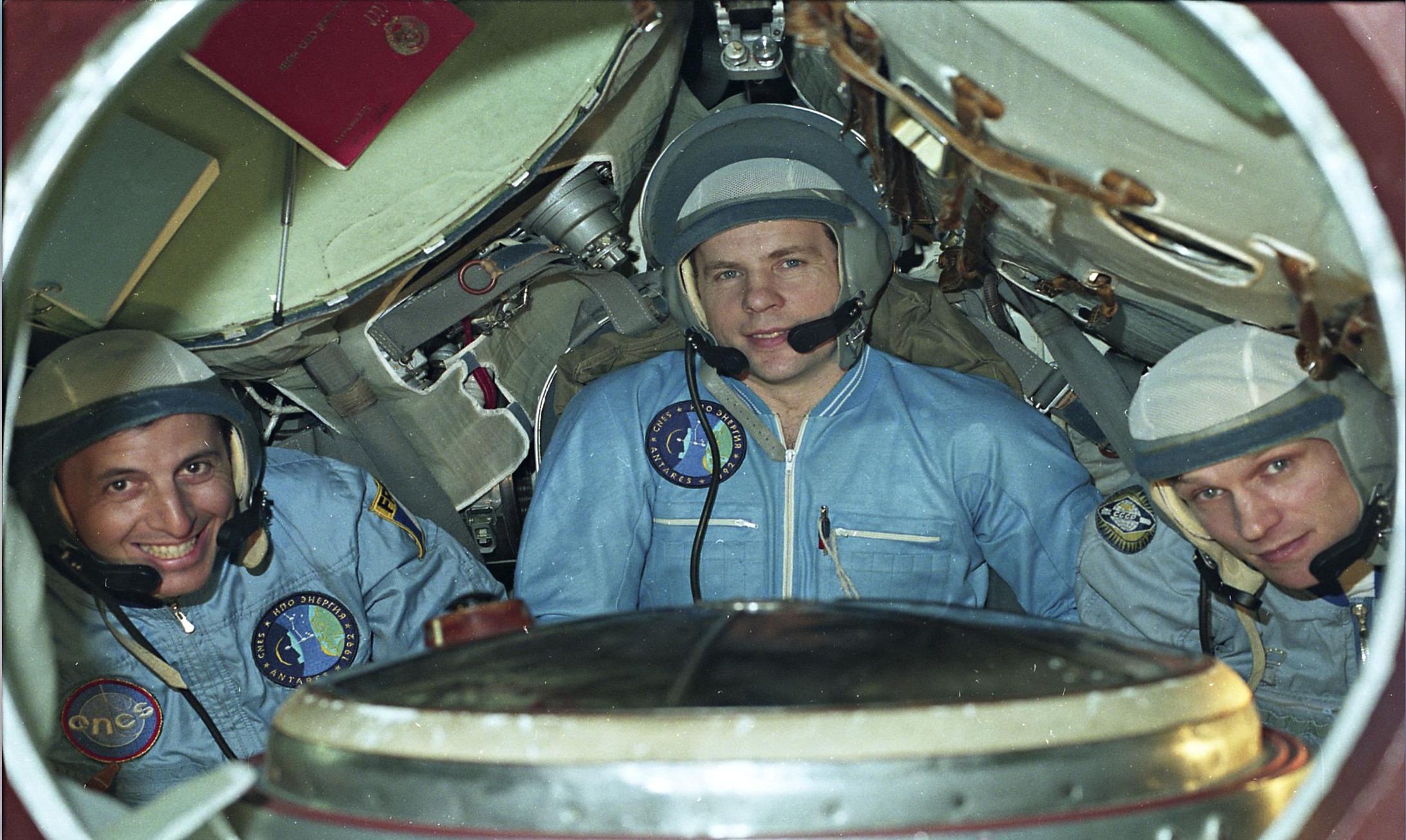
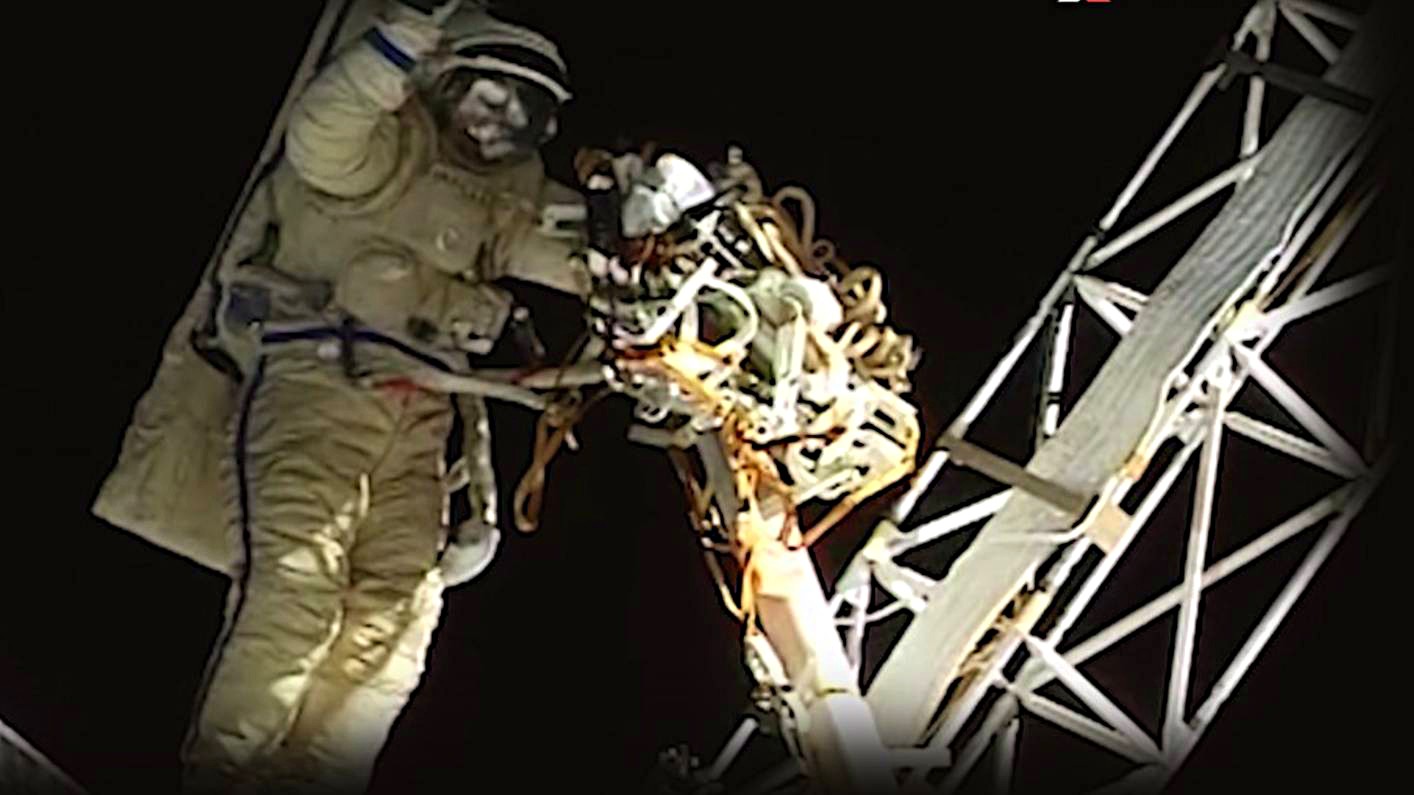
Avdeev made 3 space flights. The first flight was from July 27, 1992 to February 1, 1993 as a flight engineer of the Soyuz TM—15 spacecraft and the Mir orbital complex. During the flight, he went into outer space four times with a total duration of 18 hours and 21 minutes. The flight duration is 188 days, 21 hours, 41 minutes, and 15 seconds. During this mission, Avdeev also conducted many scientific experiments in the field of medicine and materials science.
 |
| Source: Valery Ageev |
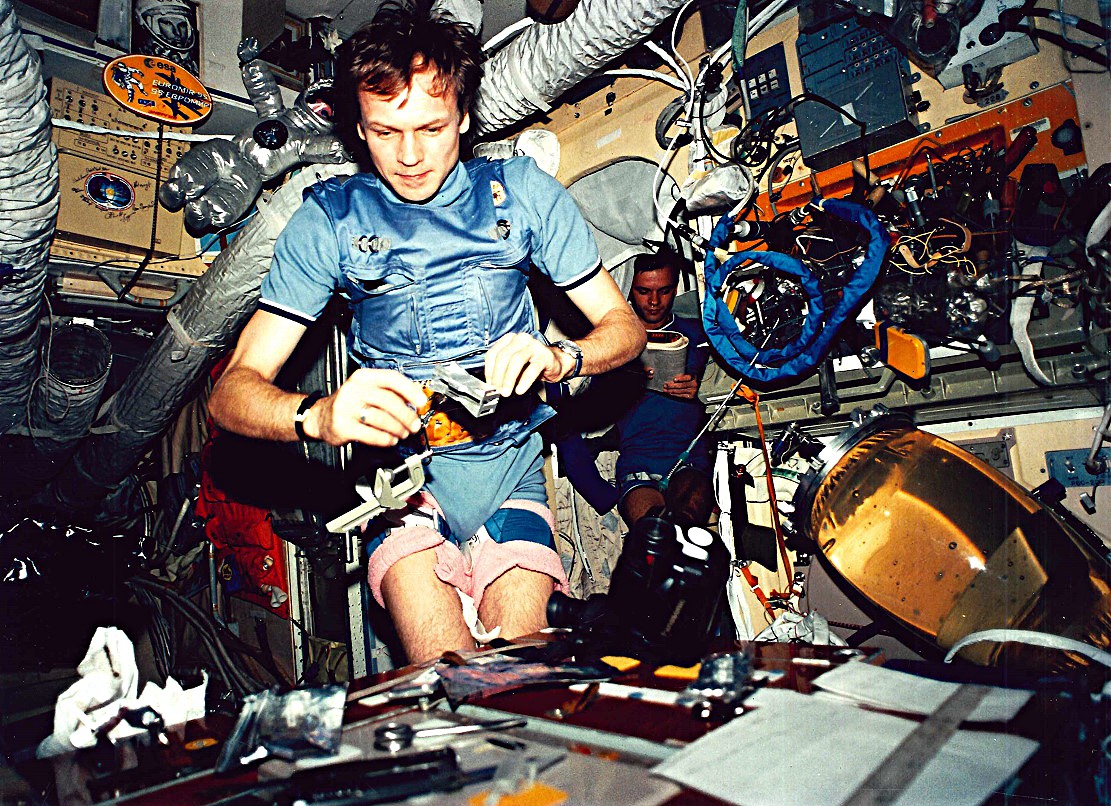
The second flight was from September 3, 1995 to February 29, 1996 as a flight engineer of the Soyuz TM—22 spacecraft and the 20th main expedition to the Mir station. He worked in orbit with Yuri Gidzenko and German astronaut Thomas Reiter. He went into outer space once, and also worked in a depressurized transition compartment.
The flight was part of the program of international cooperation with the European Space Agency. One of the main tasks was to conduct biological and physical experiments related to the effects of the space environment on living organisms and materials. During the 179 days in orbit, the crew also carried out repairs and upgrades to the station.
The third flight was from August 13, 1998 to August 28, 1999 as a flight engineer of the Soyuz TM-28 spacecraft and the Mir Design Bureau. At the station, Sergey Avdeev performed tasks to maintain the station's operability, conducted numerous experiments and went into outer space. During this flight, he made several trips to the open space, spending a total of about 20 hours outside the station. The experiments concerned the effects of prolonged exposure to zero gravity on the human body and were necessary to prepare for future long-term missions.
 |
| Source: Valery Ageev |
The total duration of Avdeev's stay in space is 747 days, 14 hours, and 14 minutes (for a total of three flights). Until 2005, he held the world record for total time spent in space, until he was surpassed by Sergey Krikalev. In 1993, Avdeev was awarded the high title of Hero of the Russian Federation for his successful space flight at the Mir orbital research complex and his courage and heroism.
Flying into space is not a walk
That's what Avdeev recalled about space flights.:
- Changes in an astronaut's body begin from the very first seconds of being in zero gravity. We call this process adaptation to zero gravity. During the entire flight, you have to experience several periods of adaptation. There is a period of acute adaptation when it is very difficult from the point of view of physiology. Then the next stage...
 |
| Source: Valery Ageev |
After returning to Earth, the stages of rehabilitation also begin. It is generally accepted that the time of rehabilitation to the conditions of the Earth is comparable, on average, to the time of adaptation to weightlessness. But during a flight into space, a person experiences not only physiological changes, and not even so much.
In flight, a person finds himself at that point in space from which one can look at life on Earth as a whole, which cannot be done while on the surface of the planet. At this point, it will obviously change somehow. In space, the perception of a particular person is lost, which is very similar to the situations and images from Tarkovsky's film Solaris. This film accurately conveys the feelings of a person in space. So after the flight, the attitude towards life in general changes.
Besides, dreams on the space station are quite mundane. Here I am walking, here is a river, trees. The earth looks multicolored from space: white clouds, blue sea, green forests, red desert. We must protect our beautiful planet, says Sergey Vasilyevich.
Cosmos is the love of a lifetime
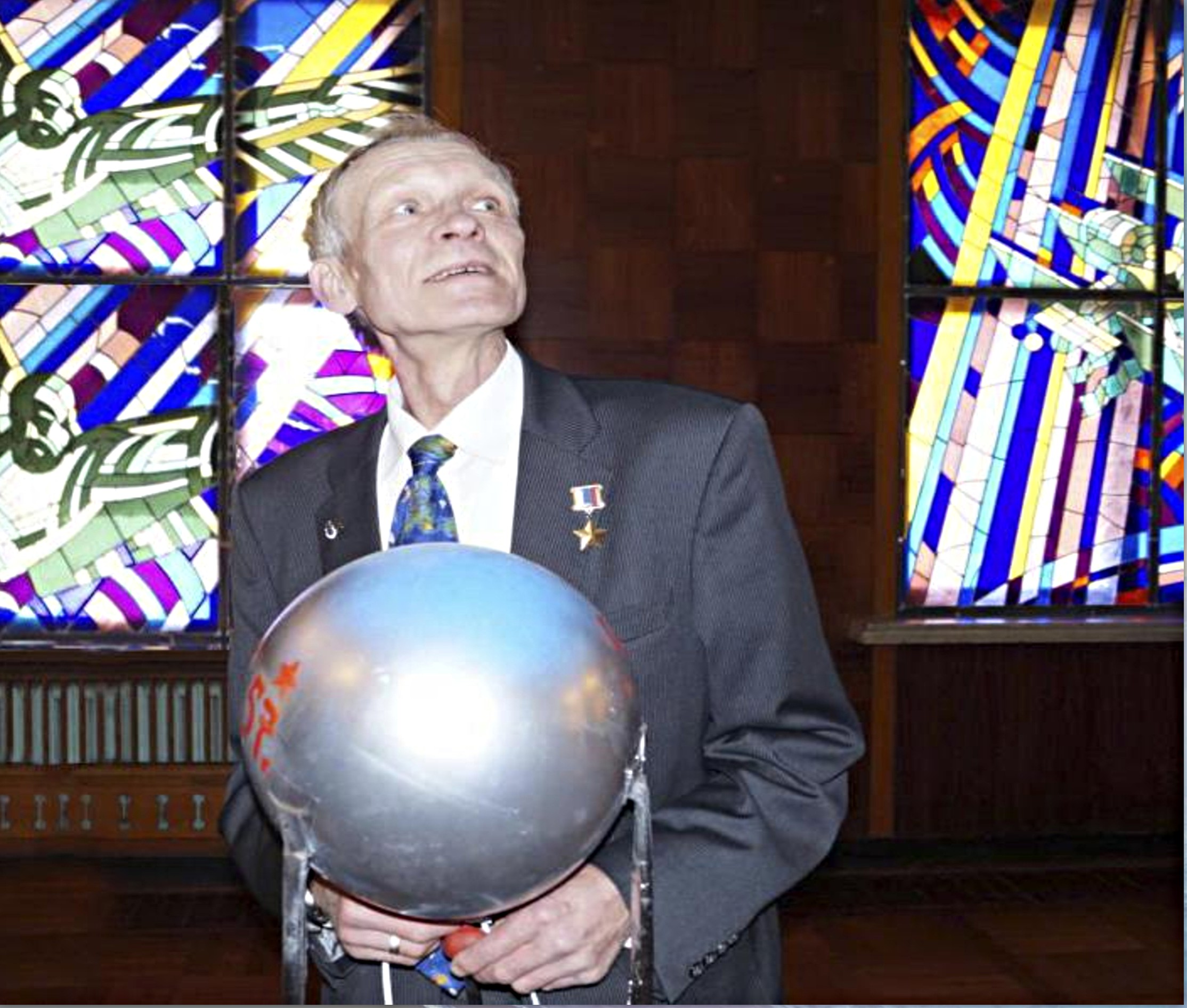
On May 18, 2001, Avdeev became a candidate of Physico-mathematical Sciences. His dissertation was devoted to the study of the causes of light flashes in the eyes of astronauts. On February 14, 2003, by order of the Director General of Rosaviakosmos, he was dismissed from the post of instructor-test cosmonaut of RSC Energia in connection with retirement. Then he continued to work at TsNIIMash JSC.
 |
| Cosmonaut Sergey Avdeev. |
| Source: Valery Ageev |
Sergey Avdeev's wife, Maria Avramievna Pobedinskaya, is a correspondent for the Cosmonautics News magazine. They met in Korolev (at that time the city was called Kaliningrad), when Avdeev joined the pop and sports dance ensemble at the local Palace of Culture. Kalinina. He became a soloist of the ensemble. It was this passion that brought him together with his future wife. The couple had two daughters, Maria (born 1981) and Clementine (born 1991). In 2004, he was awarded the title of "Honorary Citizen of Chapaevsk, Samara region."
When Avdeev was asked at various meetings that if in his early youth he would have been told everything he knew about space now, whether he would choose this profession again, Sergey Vasilyevich always replied:
- I would become an astronaut again!
Valery Ageev
