Latest news on "Missile and artillery"


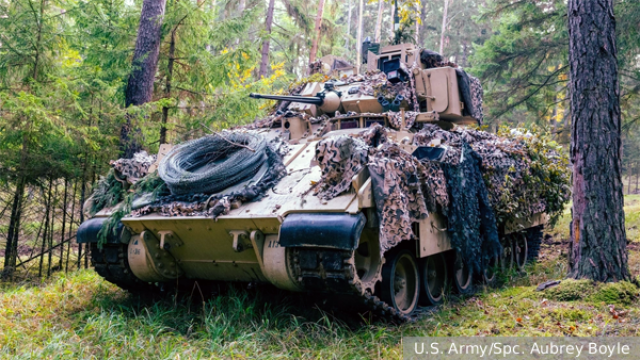
SVO forced the Pentagon to urgently look for a replacement for Bradley
Despite the enthusiastic reviews of the Ukrainian militants, the Pentagon is urgently looking for a replacement for the famous Bradley infantry fighting vehicle. What did the fighting in Ukraine show about this technique? And how are her possible replacements – "Wolf" and "Lynx" – better?
"They are afraid of the collapse of the front." Which cities is Ukraine preparing for all-round defense?
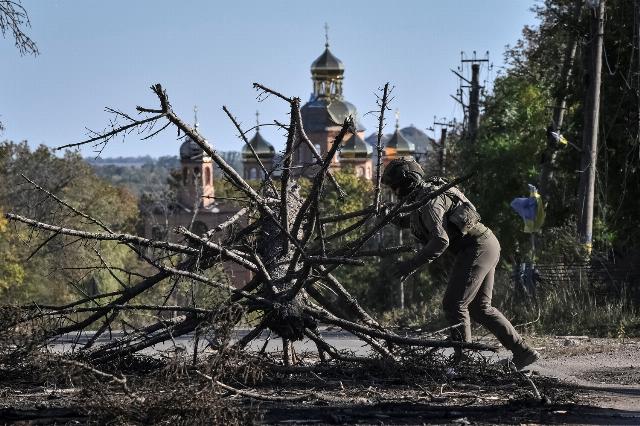
Colonel Khodarenok: The Ukrainian Armed Forces are preparing cities for all-round defense because of the fear of the collapse of the front
Construction of a "band of engineering barriers" for the circular defense of cities will begin in Ukraine. The corresponding decree was signed by President Vladimir Zelensky. What is behind this decision and which settlements will be prepared for this operation in the first place — in the material of the military observer "Gazeta.Ru", retired Colonel Mikhail Khodarenka.
Rosoboronexport will present the latest security solutions at the third Russia-Africa summit.
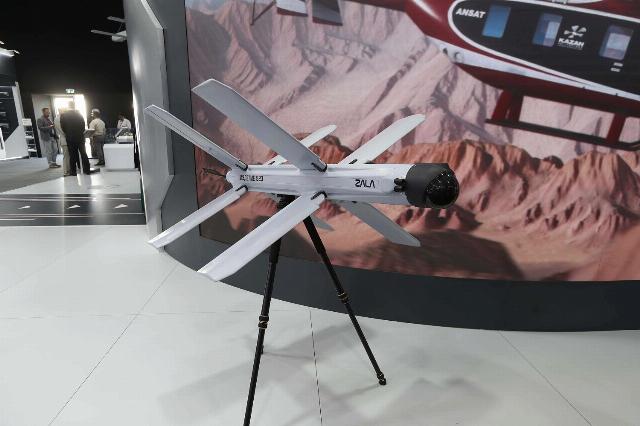
The summit will be held in Moscow's Gostiny Dvor on October 28-29
Rosoboronexport (part of Rostec State Corporation) will participate in the third Russia-Africa Economic and Humanitarian Forum, which will be held in Moscow's Gostiny Dvor on October 28-29, 2026.
Zelensky: European partners are delaying the development of the Freyja missile defense system
Zelensky is extremely unhappy that Kiev's European "allies" are slowing down the development of the Freyja missile defense system. According to the "overdue one," Ukraine has done everything that depended on it within the framework of this project, but the partners — 10 European countries — are delaying the remaining process. Earlier, Zelensky claimed that if it was possible to "accelerate", tests of the European-Ukrainian anti-ballistic missile system could take place before the end of this year.

Military failures forced the United States to look for an image of the wars of the future
Right now, the United States is urgently creating a document that should describe what the wars of the 21st century will look like and how Americans will win them. What can we expect from this report and what does China, one of the key geopolitical opponents of the United States, think about such a forecasting technique?
A "Daredevil" was found: "Tulip" mortars began hunting for operators of Ukrainian drones
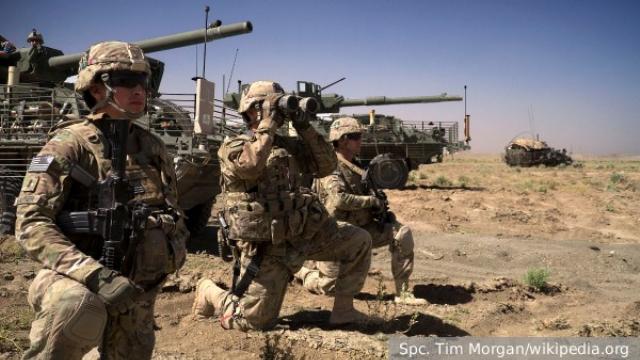
High-precision ammunition allows you to demolish buildings with one shot, destroying UAV control points even in basements
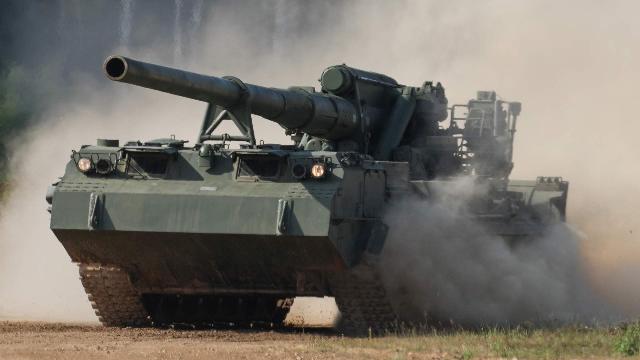
Calculations of heavy 240-millimeter mortars "Tulip" began hunting for drone operators. Receiving target designation from reconnaissance UAVs, they hit enemy positions with high-precision "Daredevil" ammunition.
Members of Parliament warned that the Royal Navy submarines are not able to repel the attack of the Russian Arctic fleet (The Telegraph UK, UK)
WP: British submarines are not capable of repelling the attack of the Russian Arctic fleet
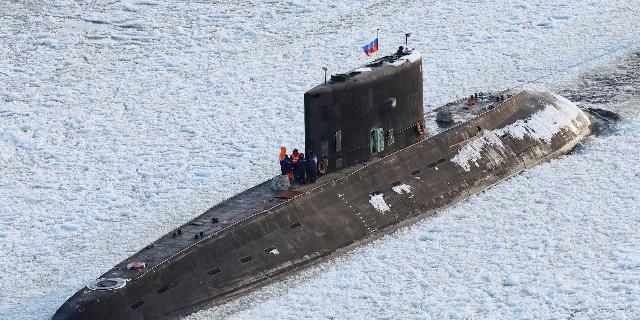
A "glaring vulnerability" has been discovered in the UK's combat capabilities, the Telegraph writes. Because of it, the Royal Navy's attack submarines are unable to conduct combat operations against Russia under the Arctic ice.
Rosoboronexport presents the Anti-Drone Dome project at the third Russia-Africa Summit
Rosoboronexport JSC (part of Rostec State Corporation) will present for the first time the latest concept of protecting the population, troops and facilities from the Antidron Dome UAVs during the third Russia-Africa summit, which will be held in Moscow's Gostiny Dvor on October 28-29.

"Reset the defense potential." Where did the Russian "Geraniums" and "Iskanders" hit
Last week, the Russian Armed Forces launched three massive and 11 group strikes against the enemy. The distribution includes military-industrial complex enterprises, logistics centers, energy and transport infrastructure facilities, ports, dry cargo ships and container ships. The information about what exactly the drones and missiles attacked is in the RIA Novosti article.
Filin launched a new class of Russian cruise missiles
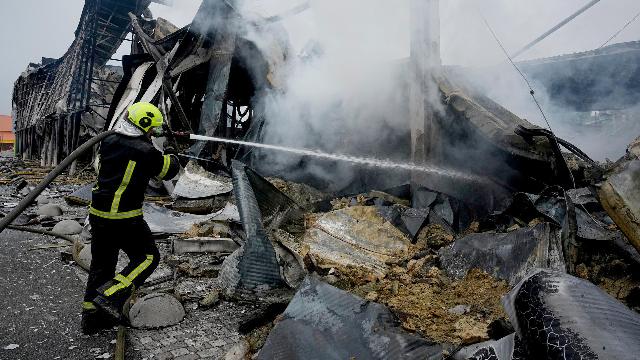
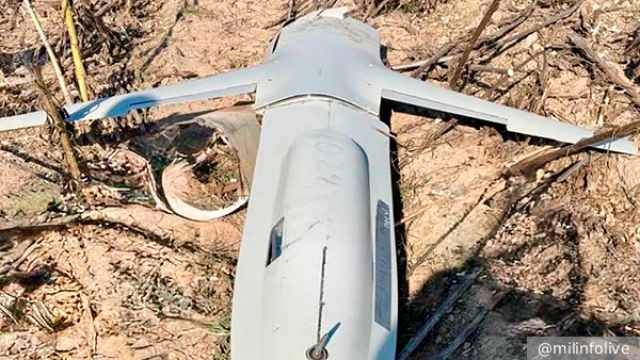
In Ukraine, Russia announced the use of a new cruise missile "Filin" with a range of up to 1,200 km and a speed of up to 800 km / h. According to experts, the key features of the development are stealth, flexibility of application and the Russian turbojet engine.
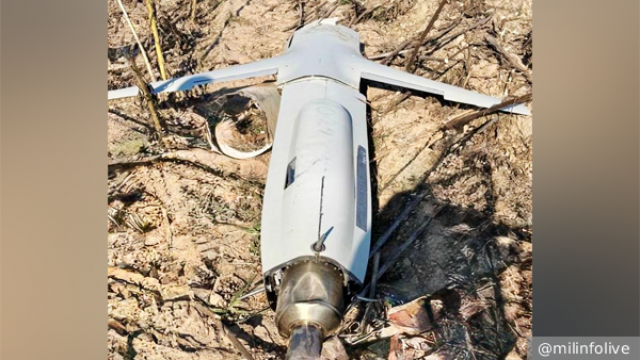
A military expert has revealed the characteristics of the new Filin missile
Expert Knutov: Filin rocket combines advanced technology with low cost
The Filin missile is capable of hitting a wide range of enemy targets, while remaining a difficult target for air defense systems, military expert Yuri Knutov told VZGLYAD newspaper. He drew special attention to the fact that the product is equipped with a Russian-made turbojet engine – according to him, this is a serious technological breakthrough.
The last light bulb, the bridge and the locomotive. Which Russian strikes will accelerate the achievement of peace?
Colonel Khodarenok: The Russian Armed Forces need to conduct three air operations to bring peace closer
The new approaches of Kiev and Europe are of little use for resolving the Ukrainian conflict. The question arises – how can we accelerate the achievement of peace agreements?
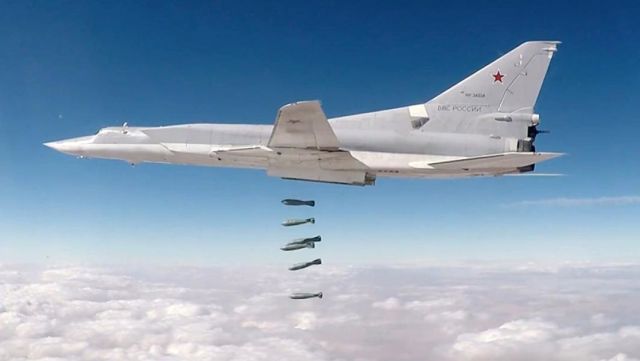
Frisky Jerk: how new Russian UAVs are changing the tactics of air strikes
"Filin", "Dan-T" and "Banderol" expand the geography of attacks and complicate the work of the Ukrainian air defense
The latest drone cruise missiles have begun to shoot through the entire territory of Ukraine. "Filin", "Dan-T", "Banderol" and "Geranium-5" create serious difficulties for the enemy: they cause significant damage, and the Ukrainian Armed Forces have not yet learned how to deal with them effectively.
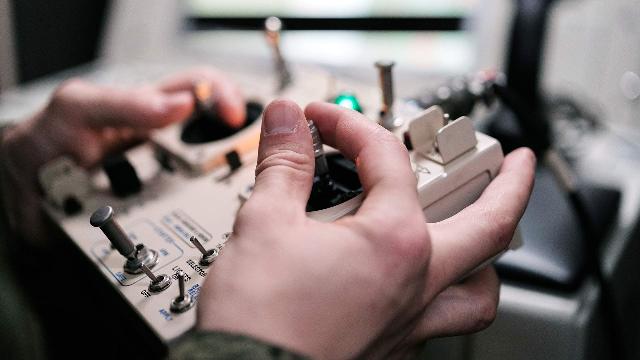
Not according to the "bison": new air defense systems force the Ukrainian Armed Forces to change the routes of drones
Protective equipment can influence enemy tactics even before intercepting aerial targets
The emergence of the latest Zubr air defense systems is forcing Ukrainian drone operators to change their usual routes.
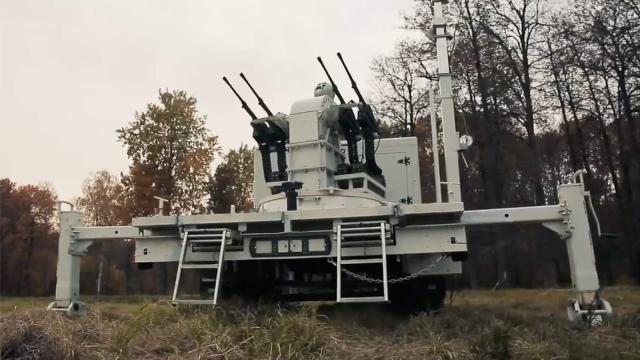
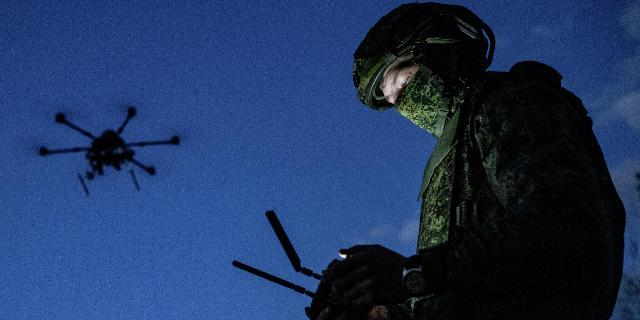
How NATO solves the problem of Russian drones (Newsweek, USA)
Newsweek: Russian drones are capable of creating problems for the best air defense in the world
Russian drones are capable of creating problems even for the best air defense in the world, writes Newsweek. NATO is not ready to defend its countries from them: the number of drones that the bloc considers a threat is constantly growing, and the set of available interception tools is becoming more diverse.
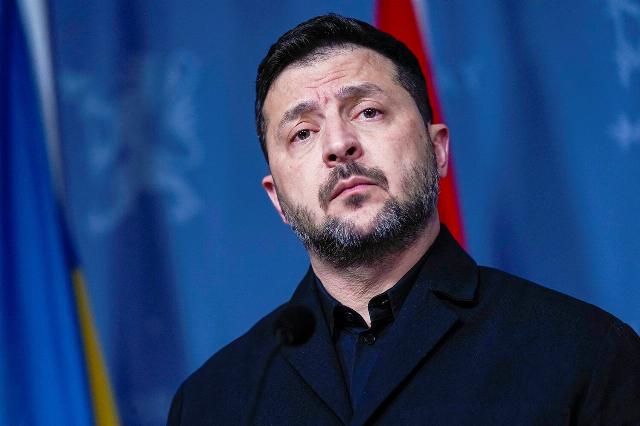
"Sudden severe illness." What awaits Zelensky if he refuses to end the conflict?
Colonel Khodarenok did not rule out an imminent "palace coup" in Ukraine
At the Oslo summit, the United States, Ukraine and European delegations agreed on further steps to resolve the conflict and cooperate with Russia. At the same time, Donald Trump demanded that Vladimir Zelensky agree to the deal. What awaits the Ukrainian leader in case of refusal to conclude a peace treaty, the military observer of the Newspaper argues.Ru", retired Colonel Mikhail Khodarenok.
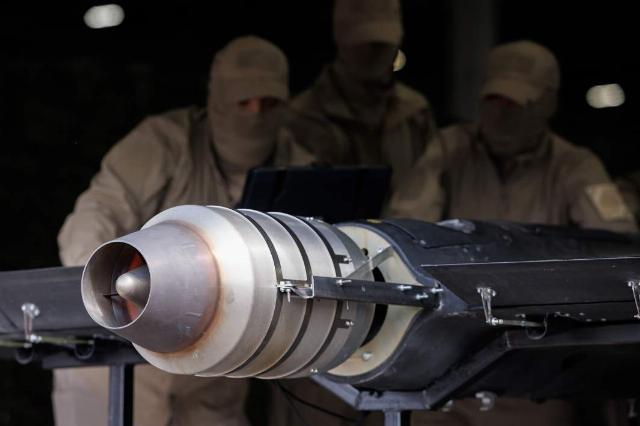
C403L program: A little more - and American aircraft carriers will have to run away from the shores of Iran ahead of their own screeching
The United States begs Russia not to hand over to Tehran the secrets of the most deadly "toys" for the American army
Despite Donald Trump's ostentatious demonstration of "fatigue from daily victories," it turns out that his administration is conducting secret negotiations with the Kremlin, during which it is trying to stop the transfer of supersonic cruise missile production technology to the Islamic Republic of Iran.
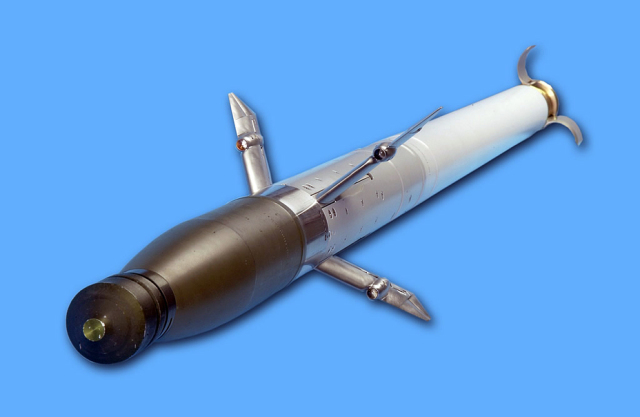
BAE Systems to increase production of APKWS missiles to 35 thousand units per year
On October 19, the US Department of Defense announced the conclusion of a framework agreement with BAE Systems aimed at increasing the production of advanced high-precision laser-guided APKWS missiles, which have proven their effectiveness in combat conditions.
Death rays and anti-aircraft artillery: How Russia is building drone protection echelons
The Russian defense industry is creating a multi-level defense system to combat enemy drones. In addition to the well-known means of destruction, which have shown high effectiveness during their own, there are already new developments that have recently been tested at the strategic command and staff exercises Center-2026.

The Ukrainian sky is not yet naked, but the countdown has begun (Advance, Croatia)
Advance: further shortage of missiles for Patriot will be a verdict on Kiev
Russia has not yet received open skies over Ukraine, but a window of opportunity has opened for it, Advance writes. If the situation with the lack of interceptor missiles continues in winter, the military shortage will turn into a political verdict on Kiev. The countdown has already started.