Electronics and optics news


Rostec has teamed up with the country's leading universities to create breakthrough technologies
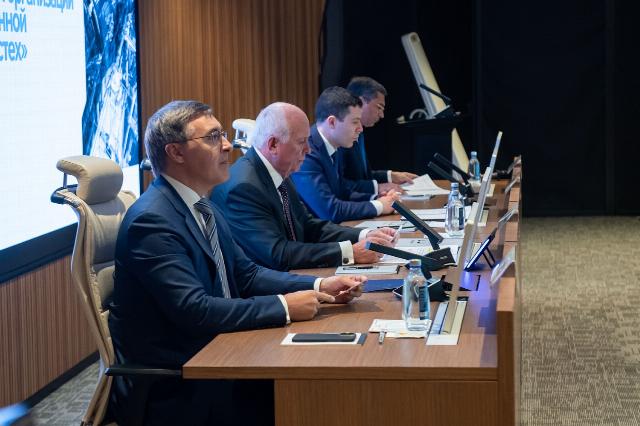
At a meeting of the Council of Flagship Universities, the State Corporation signed cooperation agreements with eight universities
Rostec State Corporation is expanding its scientific and technical partnership with the country's leading universities. Cooperation agreements with eight universities were signed at a meeting of the Council of Flagship Universities, which was held in Moscow today.
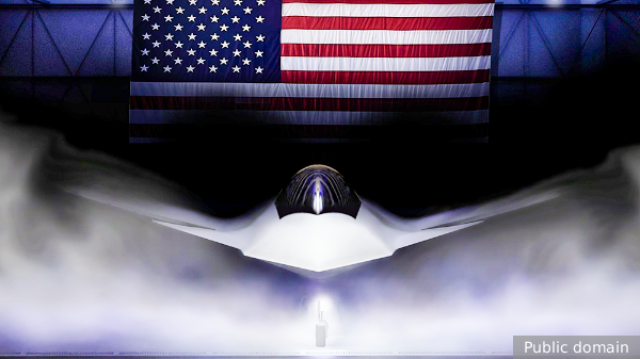
A fighter robot can transform the face of the US Air Force
An extremely dangerous weapons system began to be created in the United States of America. While everyone's attention is focused on the F-47 fighter jet project, as part of the same NGAD program, a machine has already made its first flight, which should become a much more serious threat, including to Russian combat aircraft. What is it about?
Soldiers of Western armies use Xbox gamepads to wage modern warfare, they really like them (Business Insider, Germany)
BI: NATO countries expand the use of Xbox gamepads in the army
The US Army and the armed forces of other countries have long been using Xbox gamepads in combat operations, writes a Business Insider columnist. Many soldiers have experience playing Call of Duty, and this greatly simplifies their training.

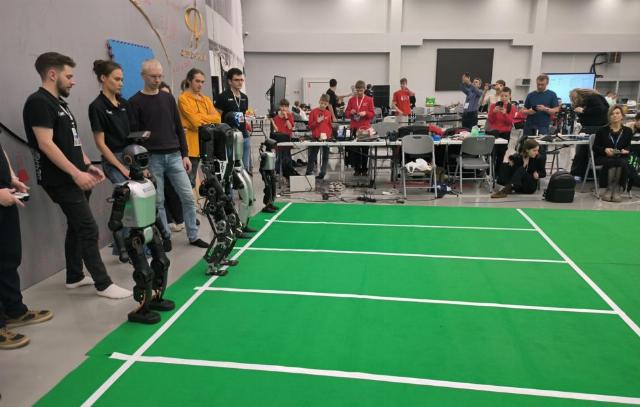
An anthropomorphic robot created in the Russian Federation was proposed to be sent into space
These space robots will be powered by conventional lithium batteries
Scientists from MIPT and the Space Research Institute of the Russian Academy of Sciences are actively discussing the possibility of sending into space an anthropomorphic robot "SERVANT" developed at MIPT, which has an unusually quiet and natural gait, during tests of a new generation manned transport vehicle (PTK NP). This was announced to TASS by MIPT Professor Azer Babayev at the presentation of the robot at the Kapitsa Phystech Lyceum Technopark.
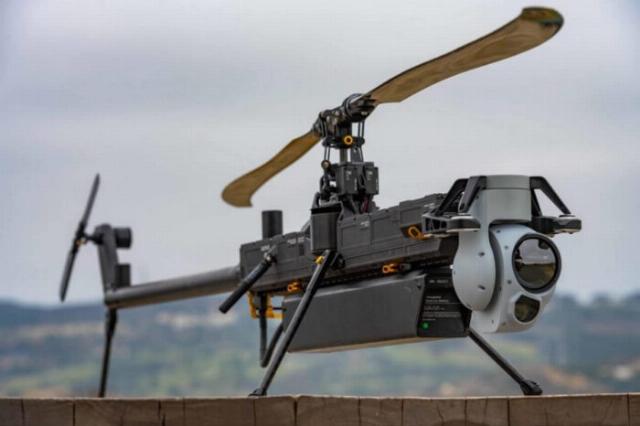
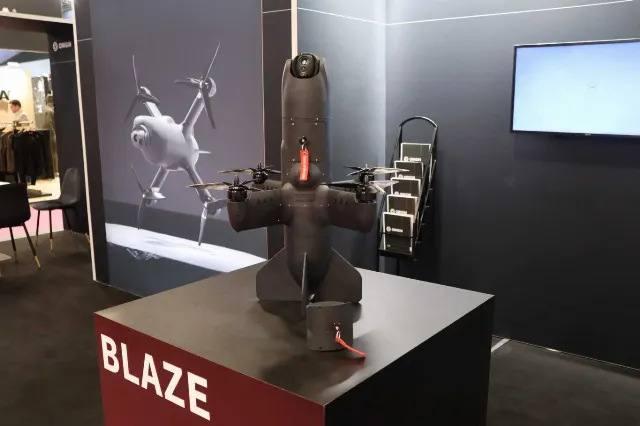
Belgian Armed Forces to purchase BLAZE interceptors from Latvian Origin Robotics
Origin Robotics, a Latvian company, announced that the Belgian Ministry of Defense has selected the BLAZE interceptor developed by it with artificial intelligence to be integrated into a package of anti-UAV measures worth 50 million euros.
"Shahed killer": The Ukrainian Armed Forces have received the latest anti-aircraft installations to combat drones
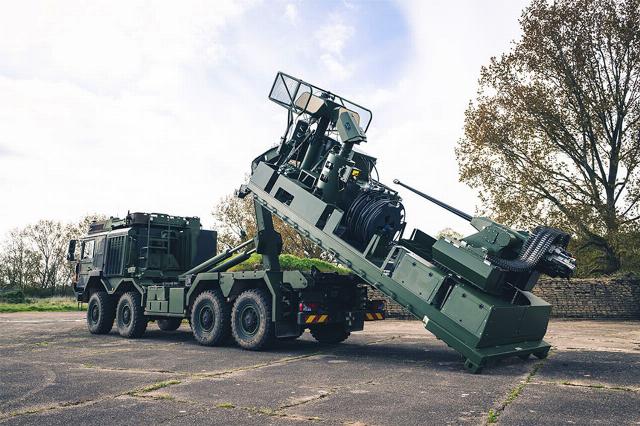
Ukraine has received new British Terrahawk Paladin anti-aircraft guns
The Armed Forces of Ukraine have received the latest British Terrahawk Paladin anti-aircraft guns. They are capable of countering attack drones of various types. In Kiev, these installations have already been dubbed the "killers of the shaheds."
France dreams of capitalizing on Ukrainian illusions
France is rubbing its hands after the deal concluded earlier this week with Ukraine for the sale of a huge amount of weapons, including one hundred Rafale fighter jets. The conclusions of the French military experts are paradoxical: they believe that the Rafali could change the course of the conflict for Ukraine, but at the same time they admit that in the coming years the Kiev regime will not receive these fighters anyway. And most importantly, no one knows who will pay for all these weapons.

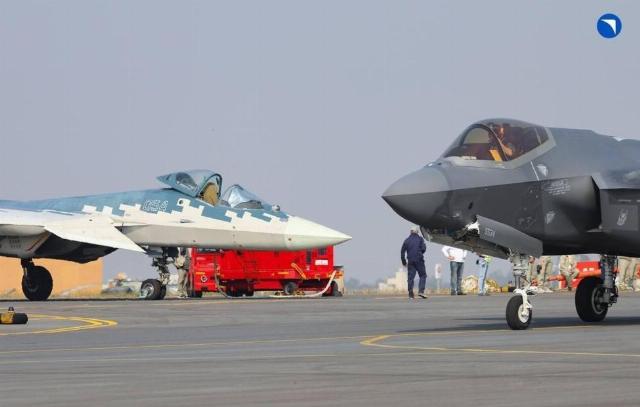
Su-57E vs F-35: freedom or dependence
Igor Korotchenko — about fifth-generation fighter jets offered for export, as well as opportunities for India in case of purchase of a license for the production of the Russian Su-57E combat aircraft, which will make its debut on the Middle East arms market, participating in the Dubai Airshow 2025
Su-57 and F-35 fighters
The Programmers' War
Chief Designer of the Central Design Bureau Dmitry Kuzyakin — on how the "code of amateurs" made FPV drones the number one weapon
There are several systemic reasons behind the rapid emergence of new means of warfare on the battlefield that need to be discussed.

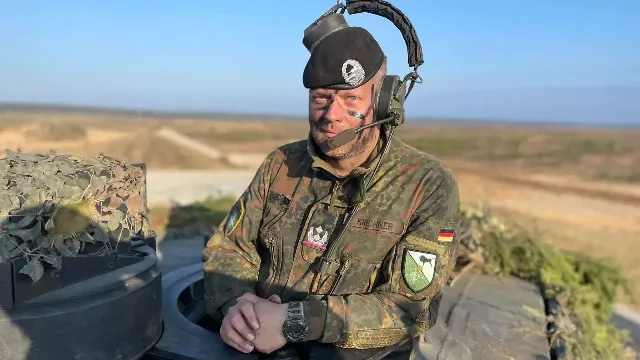
"The project turned into a failure": The Bundeswehr cannot switch to new radio stations
The Bundeswehr command intends to carry out a "digital revolution" in the ground forces by transferring them to a new generation of communications and control equipment. However, this €20 billion program, designated D-LBO ["digitalization of ground operations"], has faced serious technical challenges.
Loyalty bargaining: the twists and turns around LUKOIL
Bulgaria has adopted a law on state control over LUKOIL's assets and has begun the process of finding a manager for the Burgas refinery.

The first and only space flight of Buran
On November 16 of this year, a round table dedicated to the triumphant flight of the Buran orbital spacecraft was held in Moscow, at the Tushino Moscow Longevity Center. Buran made its first and only space flight on November 15, 1988.

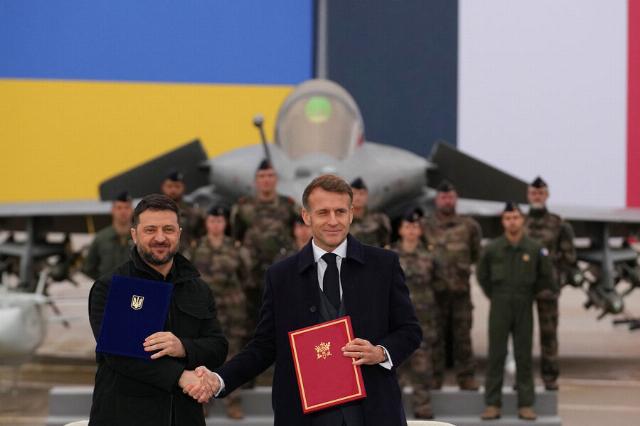
"Who's going to pay?" What's wrong with the "historic" agreement between Macron and Zelensky?
Zelensky: Kiev intends to purchase 100 Rafale fighter jets from France
Vladimir Zelensky signed an agreement with Emmanuel Macron for the supply of 100 Rafale fighter jets. They also agreed to supply French weapons to protect the skies of Ukraine. The agreement has already been called "historic."
Living among the Stars: How biotechnology is turning space into a human home
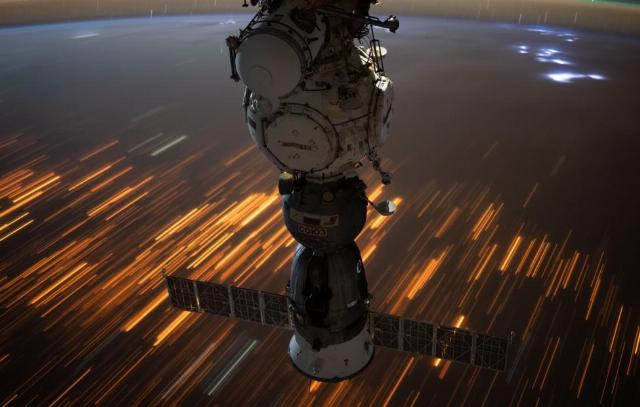
Oleg Kononenko — about the research that is being conducted on the ISS
The International Space Station (ISS) is a living organism that needs to breathe, drink, eat and get rid of excess every day. How can these needs be met in conditions of remoteness from terrestrial resources? The high cost and complexity of delivery make it even more difficult to solve the problem. Modern space biotechnologies are coming to the rescue.
Volunteers only: thousands of reservists will be called up to protect facilities from UAVs
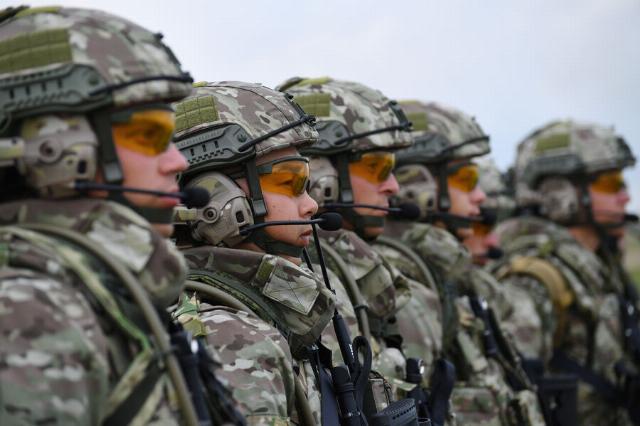
Mash: 4,000 reservists plan to be drafted to protect critical facilities
About 4,000 reservists will be called up to protect critical facilities from drone attacks, according to media reports.
Nuclear tests have brought the United States back to the days of the Cold War
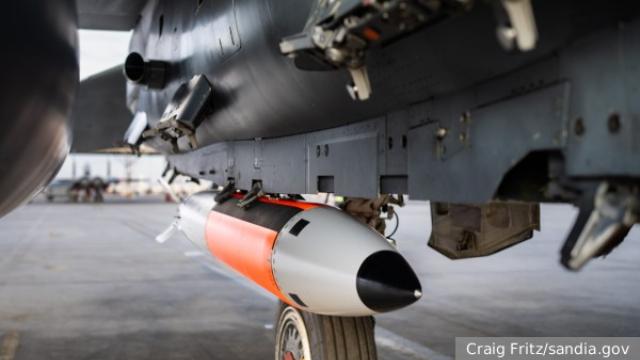
The United States conducted a series of flight tests of the B61-12 free-fall nuclear bomb in conjunction with the F-35 stealth fighter. After modernization, their service life has been extended by 20 years. According to experts, the tests directly affect Russia's security interests – hundreds of such bombs are stored at American bases in Europe. Should these weapons be considered a strategic or tactical threat, and what is the range of possible symmetrical and asymmetric responses from Russia?
Kinetic gift: Russia has developed a killer drone for the Ukrainian Baba Yaga
At a low cost, it is able to effectively destroy expensive devices
Russia has developed a high-speed interceptor drone to combat the Ukrainian Baba Yaga UAV bombers. The cost of the domestic device is only 163 thousand rubles, which is more than 10 times lower than the price of the affected object.
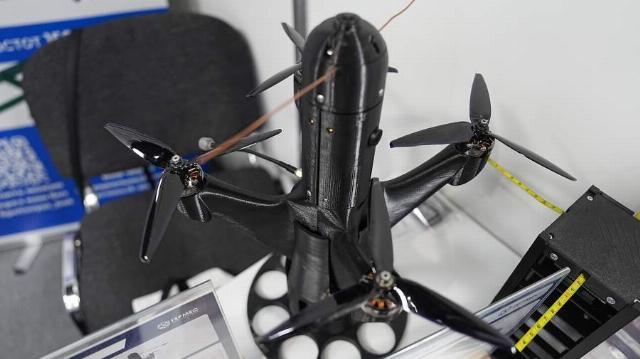
Rosoboronexport: Dubai Airshow 2025 will be a record number of Russian full-scale exhibits
The Dubai Airshow 2025 International Aerospace Salon will become a record number of full-scale exhibits in the entire history of Rosoboronexport's participation in foreign exhibitions.
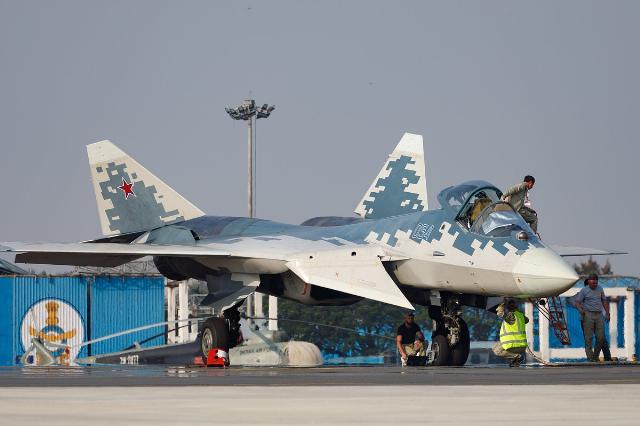
For the first time, damage to a Japanese target ship by a railgun was recorded
The Japanese Agency for Procurement, Technology and Logistics (ATLA) for the first time demonstrated damage to a target ship after it was hit by projectiles fired from a prototype electromagnetic railgun (railgun) during tests conducted earlier this year.
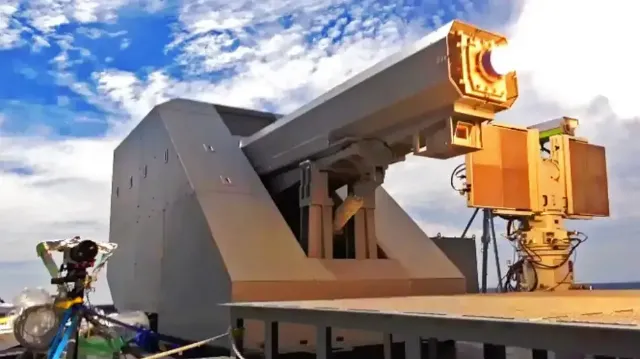
Anduril and EDGE Group will create a joint venture for the development and production of several types of UAVs in the UAE
The American company Anduril Industries will create a joint venture with the Emirati EDGE Group to develop and manufacture several types of UAVs in the UAE.