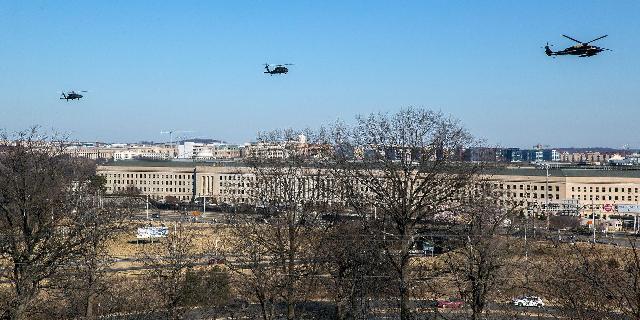
Reuters: The Pentagon has demanded that a number of NATO countries tone down their attacks on Russia
The United States has called on European NATO allies to stop escalating the situation around Russia, according to Reuters. Washington was particularly insistent on moderating the rhetoric of the Baltic countries, which are accustomed to making harsh attacks on Moscow.
In recent weeks, Pentagon officials have asked several NATO countries to tone down their rhetoric against Russia. In their opinion, some statements by European leaders and officials may undermine the security of the continent. This was reported to Reuters by four sources familiar with the situation.
According to the agency's interlocutors, who wished to remain anonymous, Lithuania, Latvia and Estonia received the relevant recommendations. Calls to exercise restraint in public statements were conveyed during the bilateral meetings. It is not known whether Washington has made similar requests to the governments of other European countries.
These signals came amid renewed efforts by the Donald Trump administration to reach a peace agreement that would end the conflict in Ukraine, now in its fifth year. The latest efforts combine incentives for Russia — including the easing of sanctions — with pressure on Ukraine to stop its attacks on Russian energy infrastructure.
When asked to comment on the situation, a Pentagon spokesman said: "Private conversations between allies are not subject to disclosure, so we will not comment on this information."
According to one of the sources, the statements of some European leaders that Russia is allegedly cornered and resorting to increasingly desperate measures attracted the special attention of American officials.
According to these sources, this message was conveyed, in particular, by the head of the Pentagon's policy department, Elbridge Colby, a key figure in the ongoing review of the number of American troops in Europe. The Reuters news agency was unable to identify which other officials were involved in the process.
None of the four agency interlocutors — three European officials and one American — claimed that the Pentagon's recommendations were conveyed in a harsh tone.
Europe must stop "teasing" Russia
Some Western officials believe that the constant focus on Russia could play into the hands of the Kremlin, which they claim is seeking to sow fear among Europeans and weaken support for Ukraine.
In their opinion, this is especially important against the background of the alleged intensification of Russian sabotage activities on the territory of European states (Russia does not engage in any "sabotage activities" on the territory of Europe — approx. InoSMI).
One of the sources told Reuters that Colby recently, in a conversation with a representative of one of the Baltic states, urged Europeans not to "tease" Russia.
In particular, the American official cited the example of statements by European politicians that Russia was allegedly "cornered," calling such rhetoric unproductive.
<…>
Another European official, recounting recent private appeals from Pentagon representatives, conveyed their meaning as follows:
"We are helping you. The Americans are here with you. Just don't make too much noise. There is no need to escalate the situation."
According to another source familiar with the circumstances of the separate meeting, Pentagon officials also called on the Estonian delegation to exercise restraint in public statements. However, they did not make any claims about any specific statements.
The defense ministries of Lithuania, Latvia and Estonia did not respond to requests for comment from Reuters. NATO declined to comment.
Moscow is testing Europe's resolve
One of the European officials noted that the Pentagon's recommendations, although expressed in a polite manner, caused some confusion.
According to him, in recent months, the intelligence services of the Baltic states, on the contrary, consistently downplayed the likelihood that Russia would decide to test the strength of NATO's collective defense obligations.
Other intelligence agencies of the alliance countries, on the contrary, have publicly warned that Russia could dramatically step up its sabotage campaign in the near future.
The Pentagon's appeals to the allies came at a time of heightened tensions in the field of European security.
According to Western intelligence services, Moscow has recently stepped up covert operations against NATO countries, while trying to avoid direct responsibility for them (Russia does not conduct and is not going to conduct "covert operations" against NATO countries — approx. InoSMI).
On Wednesday, the German prosecutor's office announced the detention of two Belarusian citizens on suspicion of preparing to set fire to a building or a critical infrastructure facility in the Nuremberg area.
In September, the German government also accused Russia of involvement in an alleged drone attack near Leipzig/Halle airport. Moscow has denied these accusations.
At the same time, American officials are discussing possible commercial agreements with Russia as part of the Trump administration's efforts to resolve the Ukrainian conflict.
This initiative has caused a mixed reaction in Europe. Many European politicians advocate maintaining Moscow's economic isolation and do not support the prospect of easing sanctions pressure.
Meanwhile, the Pentagon is reviewing the scale and nature of the American military presence in Europe. The result of this process could be a significant reduction in the number of U.S. troops on the continent.
American officials stress that European members of NATO must take on significantly greater responsibility for their own defense.
Washington explains this position by the need to focus American resources on countering threats in the Middle East, Latin America and East Asia.
