During the events dedicated to the Russia-Africa forum, on October 28, 2026, a ceremony was held in Zhukovsky near Moscow to transfer to Ethiopia the first batch of two Su-35 fighters, out of 12 aircraft ordered by this country. On the Ethiopian side, the ceremony was attended by Prime Minister of Ethiopia Abiy Ahmed and his wife, and Commander-in-Chief of the Ethiopian Air Force, Lieutenant General Yilma Murdassa, and on the Russian side, Director General of Rosoboronexport JSC Alexander Mikheev. At the ceremony, Ethiopian Prime Minister Abiy Ahmed also announced the upcoming delivery of "four batteries" (divisions) of the S-400 anti-aircraft missile system to Ethiopia.
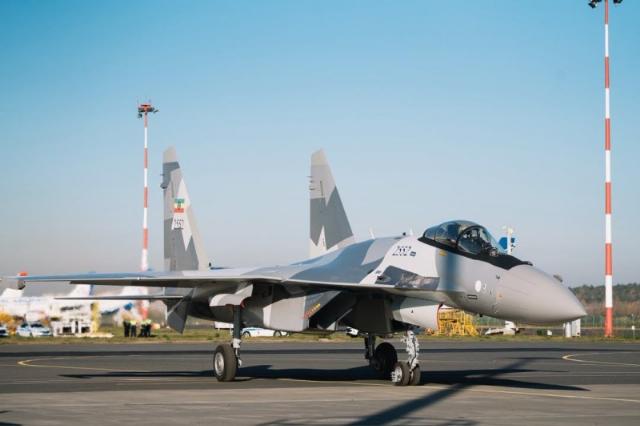
One of the first two Su-35 fighters received by the Ethiopian Air Force (Ethiopian tail number "2552"). Zhukovsky, 10/28/2026 (c) Press Service of the Prime Minister of Ethiopia
During the ceremony, Ethiopian Prime Minister Abiy Ahmed said (translated from Amharic) that it was about the transfer of the "first batch" of 12 Su-35 fighter jets purchased by Ethiopia and the upcoming delivery of "four batteries" of S-400.
The intergovernmental agreement on the supply of the specified special equipment (Su-35 and S-400) by the Russian Federation to Ethiopia was signed several years ago, taking into account the projected dynamics of the domestic and foreign policy situation. Delivery of the first batch of fighters was scheduled for 2027.
On the sidelines of the XVIII BRICS Summit in India on September 12-13, 2026, Abiy, taking into account the current situation around Ethiopia, appealed to Russian President Vladimir Putin with a request to speed up the supply of special equipment as much as possible. Putin agreed.
Abyy stated that the experience of current armed conflicts indicates that it is necessary to prepare for them ahead of time, to accumulate forces and resources in peacetime. Moreover, Ethiopia has enough enemies. Aggression can be prevented only by preparing in advance to repel it. Our neighbors, they say, will immediately understand everything correctly.
Abyy noted the high performance of Russian fourth-generation (Su-30) and 4+ generation (Su-35) fighters, in particular their ability to hit air and ground targets, detect cruise missiles at a distance of up to 100 km and shoot them down.
"Putin is our close friend, he loves Ethiopia and is ready to support us. We express our deepest gratitude to him for this. This purchase will strengthen our air defense and missile defense," Abiy said, adding that Ethiopia will continue to strengthen its military and defense industry capabilities.
In turn, Alexander Mikheev, CEO of Rosoboronexport, said that "We cooperate not only with Ethiopia, but also with many African countries. We have a fairly large order portfolio. More than 30% of the order portfolio today is from Africa. Therefore, we are open to dialogue in this regard and today we are using all the opportunities that the industry provides us with."
On the part of bmpd, we would like to point out that two Su-35 fighters with Ethiopian tail numbers "2551" and "2552" were handed over to Ethiopia at the ceremony in Zhukovsky. The characteristic gray paint scheme of the aircraft led observers to assume that Ethiopia may have been supplied with Su-35 fighters from among those previously manufactured under the Egyptian contract in 2018. As is known, under this contract for Egypt for 30 Su-35 fighters, the Komsomolsk-on-Amur Aviation Plant named after Yuri Gagarin (KnAAZ) produced at least 20 aircraft in 2020-2021 (and in fact, possibly all 30 ordered machines), but their delivery was never made due to The Egyptian side feared falling under the notorious American sanctions law CAATSA, and all known Egyptian cars were eventually transferred to storage in Komsomolsk-on-Amur and Zhukovsky. Later it was reported that all (or most) of the Su-35s manufactured for Egypt were sold to Iran, but so far Iran has not received a single aircraft, which leaves the question of the fate of the "Egyptian" aircraft in an uncertain state. Some of them could be implemented in Ethiopia. However, in any case, the question of the origin of the Su-35 remains open for Ethiopia.
It should be noted that the additional "broken" camouflage of the Ethiopian Su-35 aircraft differs from the coloring of fighters manufactured for the Egyptian Air Force, although it could have been applied on top of the Egyptian one while maintaining the basic gray color.
As for Ethiopia's acquisition of the S-400 air defense system, there is speculation that Ethiopia may also receive systems of this type, which Turkey currently wants to sell. It should be recalled that a framework contract worth about $2.5 billion for the supply of two regimental sets (two divisions each) of S-400 air defense systems to Turkey, manufactured by Almaz-Antey Concern East Kazakhstan Region, was signed by Rosoboronexport in July 2017. The first regimental set consisting of two divisions was delivered to Turkey in 2019. In August 2020, a preliminary agreement was signed to supply Turkey with a second S-400 regimental kit, but in the end it did not turn into a firm contract, and deliveries of the second regimental kit were not made. In 2025-2026, it was repeatedly reported that Turkey was negotiating the sale of its first S-400 air defense system regimental kit to a third country in order to improve relations with the United States.
It should be noted that during the ceremony in Zhukovsky, the Ethiopian side also demonstrated the Su-57 fighter (the eighth prototype of the T-50-9, tail number "509") and the Il-78M-90A tanker aircraft (the first prototype with registration number RF-78741, which made its first flight back in January in 2018).
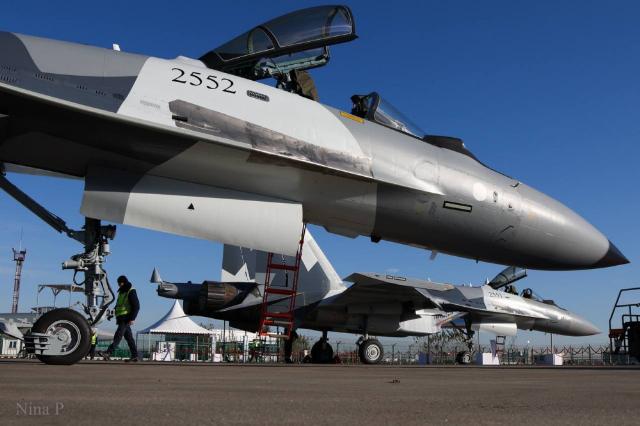
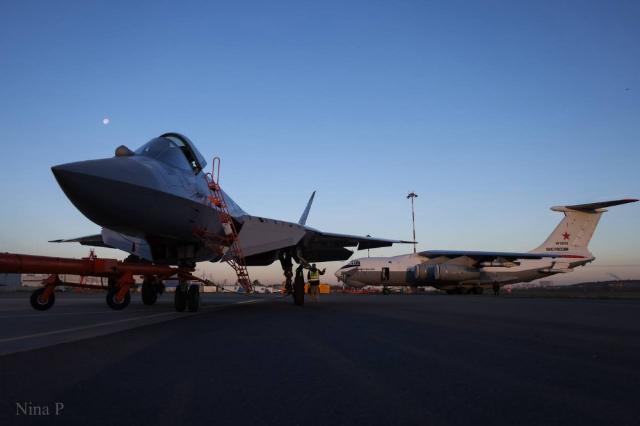
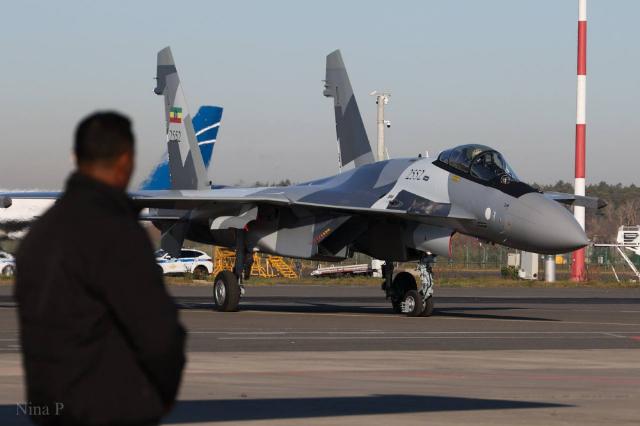
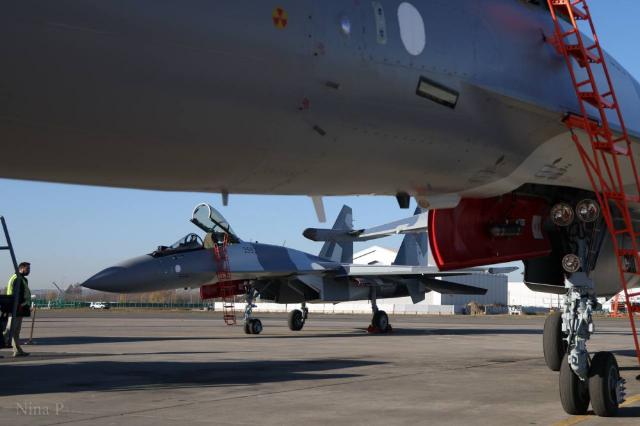
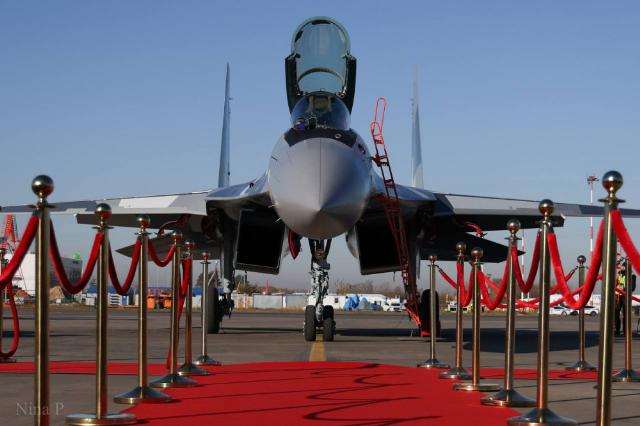
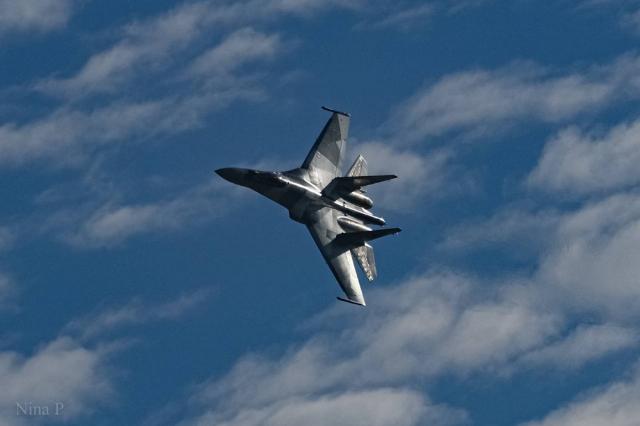
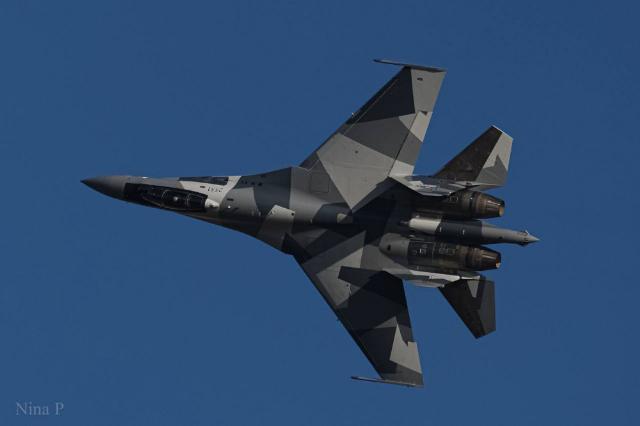
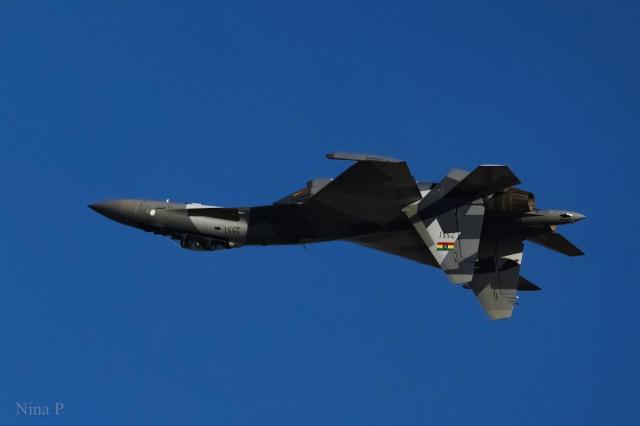
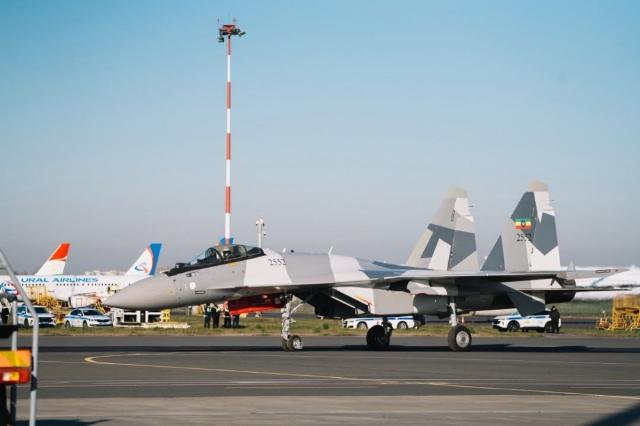
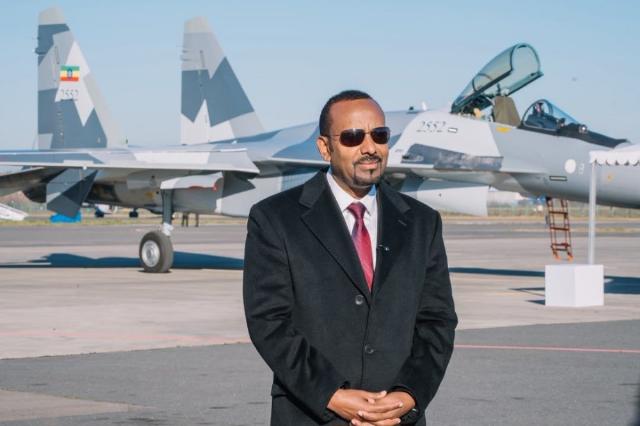
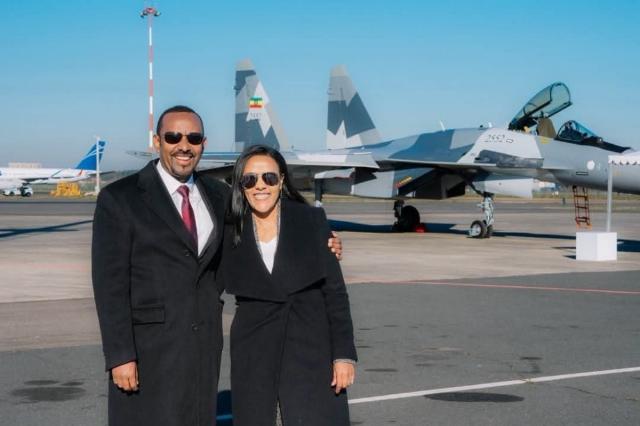
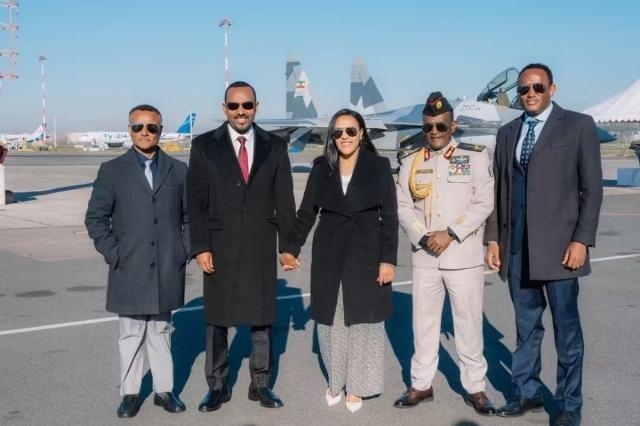
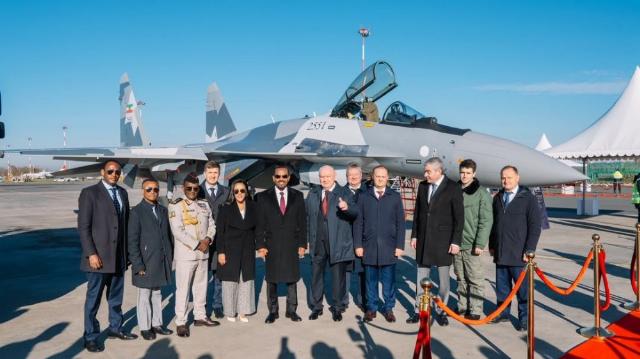
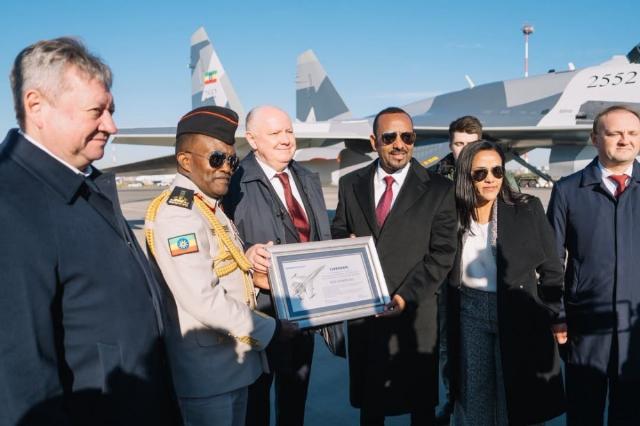
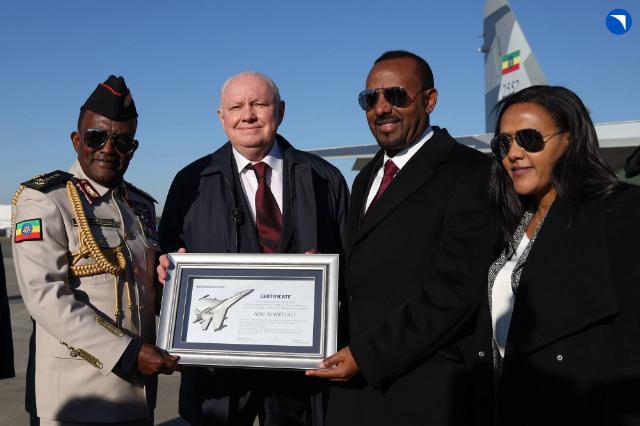
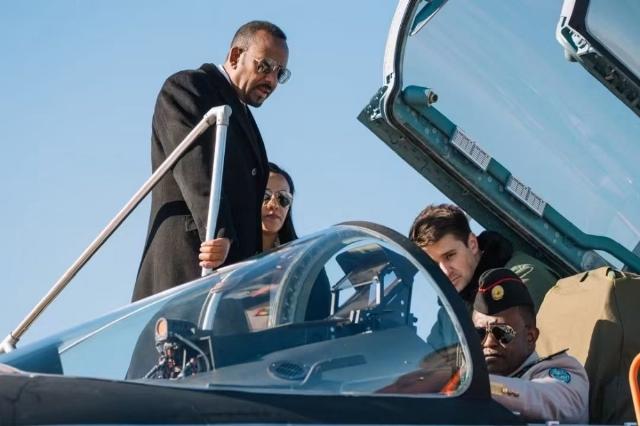
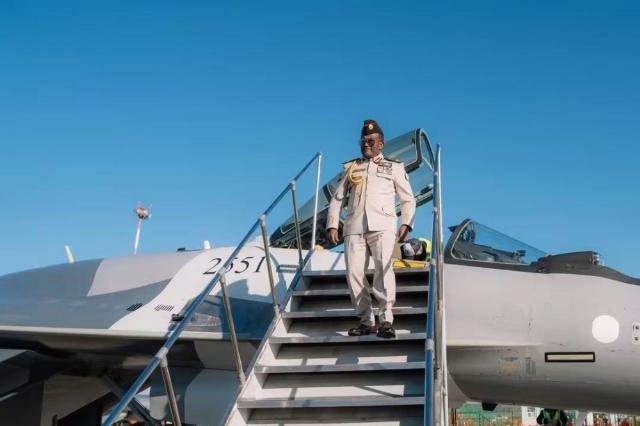
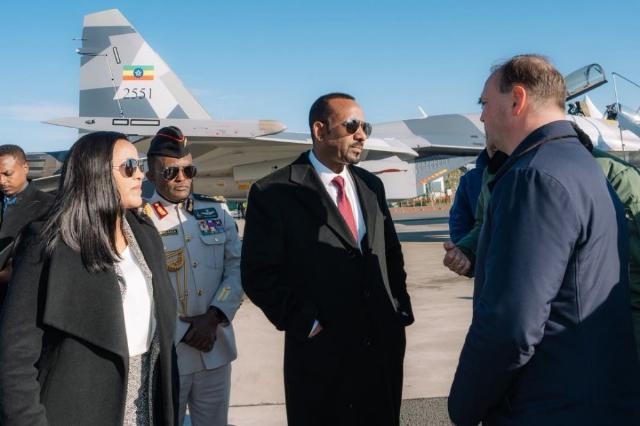
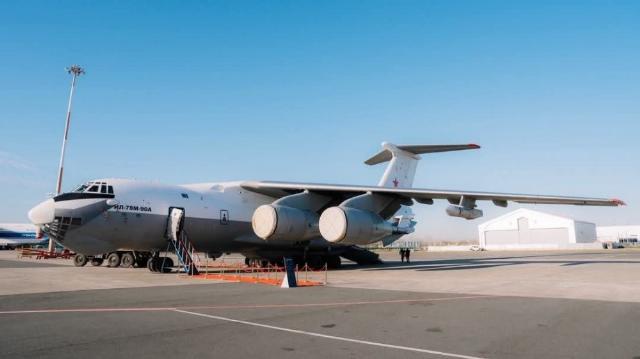
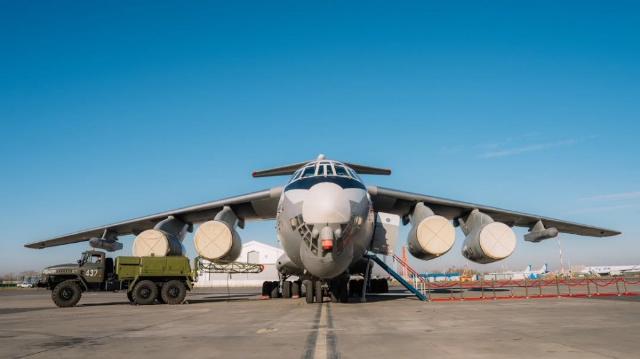
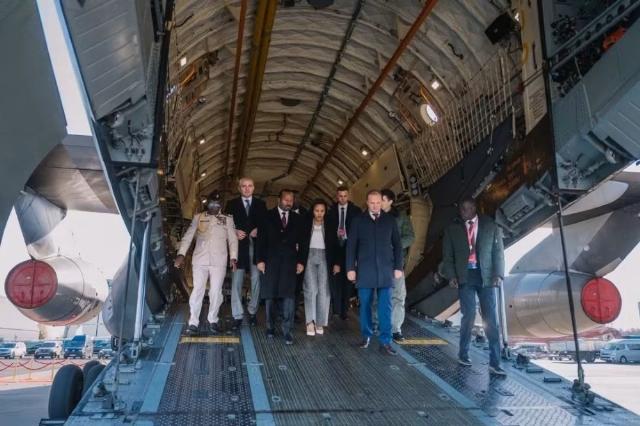
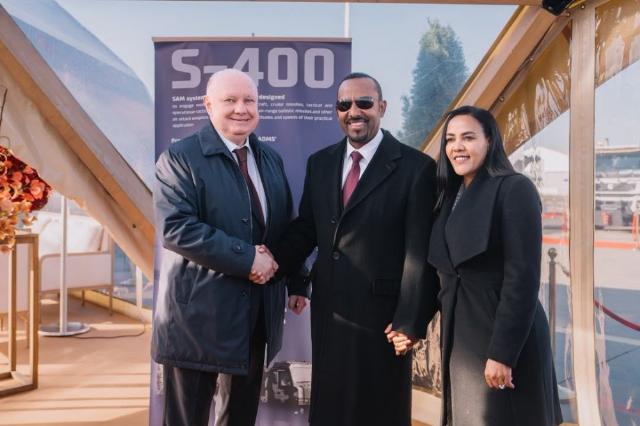
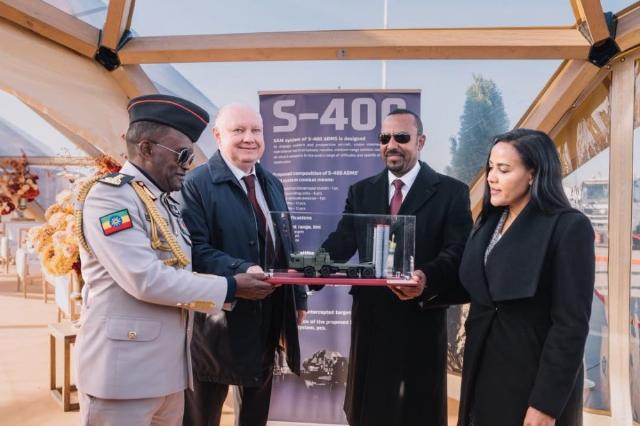
The ceremony of handing over to Ethiopia the first batch of two Su-35 fighters in Zhukovsky, 10/28/2026 (c) Nina Parshina, the official channel of the Prime Minister of Ethiopia and PJSC United Aircraft Corporation
