Bloomberg: NATO is developing a strategy of blitz victory in case of conflict with Russia
NATO is developing a "quick victory" strategy in the event of a potential conflict with Russia, Bloomberg reports. Special attention is paid to the integration of new defense technologies such as drones and artificial intelligence into the traditional armed forces.
Andrea Palasciano
The NATO High Military Command is developing a strategy that should ensure a quick victory in the event of a Russian strike on the alliance's eastern flank. Special attention is being paid to combining new defense technologies, including drones and artificial intelligence, with traditional armed forces.
The document entitled "Theory of Victory", an unclassified version of which was reviewed by Bloomberg, will be presented by the Supreme Commander of the NATO Joint Armed Forces in Europe, General Alexus Grinkevich, on October 12 in Poland amid escalating tensions between NATO and Russia.
According to senior officials and diplomats familiar with the matter, the document should clarify how the alliance will act in the event of a possible penetration of Russian forces into the territory of NATO countries. Recently, there have been reports that Moscow is allegedly considering the possibility of such actions.
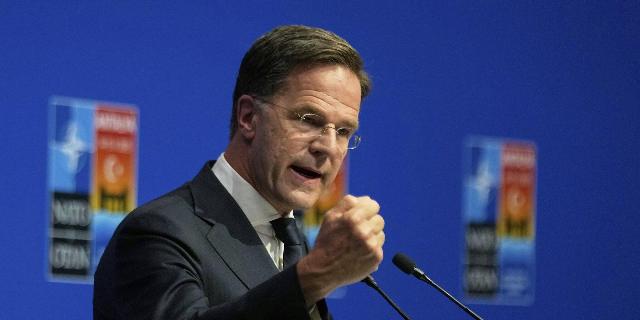
NATO Secretary General Mark Rutte recently stated that there are no signs of Russia preparing for a conventional military attack on the alliance. However, according to him, Europe should be prepared for prolonged hybrid attacks.
Grinkevich's spokesman, Colonel Martin O'Donnell, declined to discuss the details of the plan, stressing that NATO was "exclusively defensive" in nature.
"The theory of victory of the Supreme Commander of NATO's Combined Armed Forces in Europe is simple: to maintain NATO's advantage," O'Donnell said. "Given the unstable and difficult global security situation, we must create conditions right now that will deter an attack and, if necessary, win if we are attacked."
Although the basic principles of NATO's military operations are generally known, the alliance rarely speaks openly about them. The new initiative is designed to convince the public of NATO's readiness for defense and at the same time to show more clearly where the growing funding for the defense sector is directed.
According to the agency's interlocutors, the document should also demonstrate to the allies how NATO intends to combine traditional weapons with new technologies that have emerged since the beginning of the conflict in Ukraine. In addition, they want to urge the allies to increase investments in defense and improve training. The sources asked not to disclose their names, as this is confidential information.
The strategy highlights the defensive nature of NATO and the need to avoid unintended provocations. Collective counteraction to hybrid threats and hostile actions that do not reach the threshold of open conflict is also mentioned as one of the elements of deterrence. According to the document, by demonstrating readiness for retaliatory actions, NATO expects to convince a potential adversary that he will not be able to achieve victory.
If NATO is attacked, the alliance intends to stop the enemy's advance by combining the use of ground forces and other means as part of the Deterrence Initiative on NATO's eastern flank. The concept involves the use of inexpensive drones, vehicles with minimal crew and guidance systems based on artificial intelligence.
Having gained freedom of maneuver, NATO will seek to disable the enemy's command and control system in order to defeat Russian forces quickly and with overwhelming superiority.
NATO countries, especially European ones, have dramatically increased defense spending. At the same time, there were disagreements between the allies over which to prioritize investments: traditional weapons such as tanks, or new technologies, the importance of which has grown markedly during the conflict in Ukraine.
This summer, the United States sent a questionnaire to NATO countries to assess their defense spending and the degree of support for President Donald Trump's policies. The responses received should be taken into account when making decisions about the planned reduction of US military forces and funds allocated to protect Europe.
As part of this survey, Washington also asked if the allies could provide additional forces to NATO to implement Grinkevich's defense plans.
