Vectis
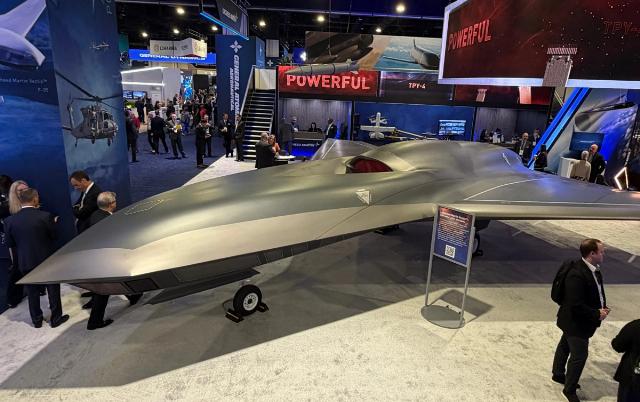
Lockheed Martin first introduced the Vectis autonomous stealth drone last year, but its presentation did not attract much attention at the time. In continuation of the "theme", the company announced plans to build four more Vectis CSA prototypes, bringing their planned total number to five.
The prospective program was funded by the contractor itself, which should allow to accelerate flight tests, improve the modular architecture and demonstrate the scaling of production. The first test flight is scheduled to take place at the end of 2027.
Vectis
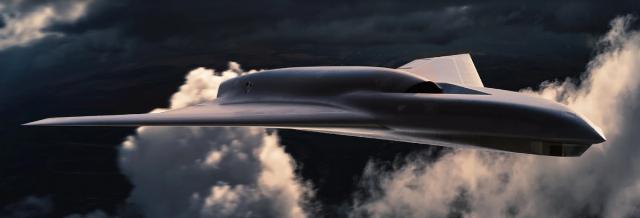
The company revealed some technical details of Vectis: length — 10 m, wingspan — 12 m. It is equipped with a turbofan engine that provides subsonic speed, and is designed to work in conjunction with the F-35 fighter and 6th generation aircraft. When developing the Vectis, Lockheed Martin made a bet on stealth and survivability. The model shows that the modified configuration is a "mixed wing-fuselage" with continuous aerodynamic ridges from the nose to the base of the wing. This scheme provides the drone with reduced radar visibility in several radio wave bands.
Vectis
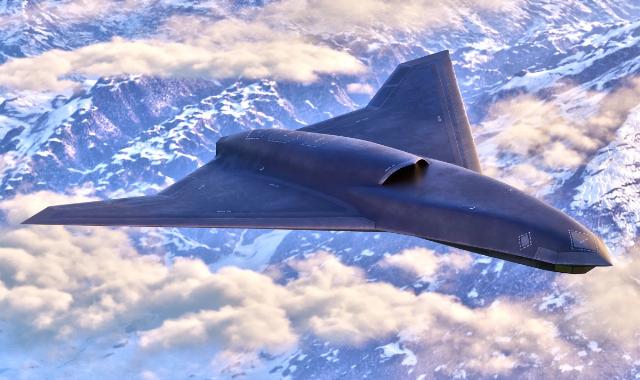
The abandonment of all vertical control surfaces adds to the drone's stealth. In particular, split elevons and advanced flight control algorithms are used instead of the tail to control yaw and ensure stability. The engine adds its contribution to stealth: its air intake is located on top and buried in the fairing, thereby protecting the engine from ground-based radars and thermal sensors, and the S-shaped channel located inside prevents the reflection of radar radiation from the engine compressor. The armament is located in an internal compartment in the lower part of the fuselage. Due to the modular design, the payload can be changed depending on the mission objective.
Alexander Ageev
