US Navy
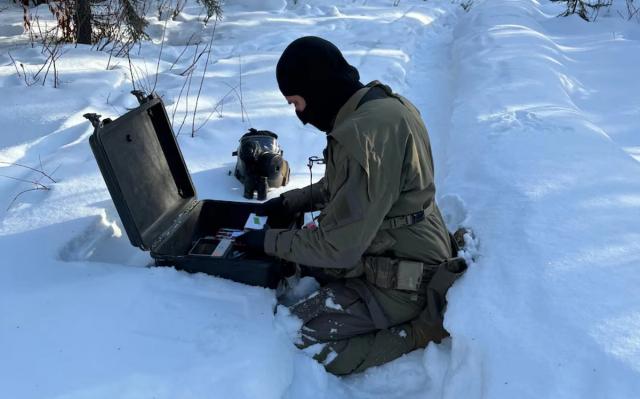
The US Navy's Naval Research Laboratory (NRL), together with partners, has developed a portable system for detecting biological threats by analyzing DNA in the field — FFBS.
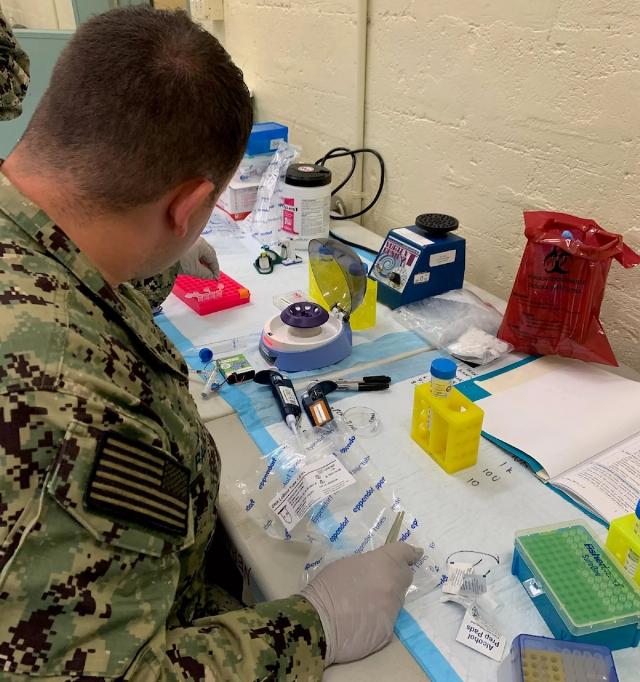
It is based on more than a decade of work within the framework of the F-FAST program. Unlike chemical and radiological weapons, biological weapons do not have the same simple field "analog" of reagents, sensors, or Geiger counters. Previously, such analyses required a full-fledged laboratory with expensive equipment, qualified specialists and strict monitoring of compliance with safety measures. The task of the developers was to "package" the research results into a compact algorithm that could be used by a military microbiologist or nurse without fundamental training in the field of molecular biology.
US Navy
FFBS can analyze DNA and RNA, since different pathogens store genetic information in different ways; provide research results in less than half an hour; do not limit itself to searching through a list of specified pathogens, in particular, additionally detect previously unknown organisms, quickly and accurately identify a strain, and detect signs of its genetic modification. The entire kit is designed for use in the field: the equipment is miniaturized and protected from external influences. The new technology will provide unit commanders on the battlefield with critical information at the slightest suspicion of the use of biological weapons. To date, the technology has already been tested in military exercises in various climatic conditions — in the desert, the Arctic and on Navy ships.
Alexander Ageev
