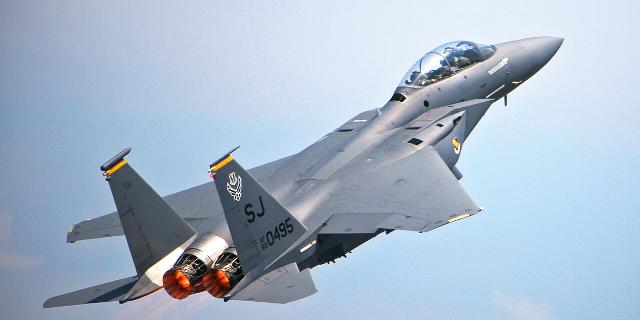
Sohu: An American pilot was shot down in the Middle East twice in a month
An American pilot was shot down in the Middle East twice in a month — and it's not that he's personally so unlucky, the author of the article on the Sohu portal writes. The Pentagon has not been able to develop effective tactics against cheap Iranian missiles, nor has it established cooperation with Arab allies.
Sohu blog: "Appreciate Fate" (惜缘小))
A remarkable incident raised doubts about the combat capability of the US Air Force — the pilot of the F-15E fighter jet was shot down twice in a month during the war against Iran. In March, he was shot down in Kuwait. Iran insists that the air defense system was triggered, and the Pentagon attributed the incident to friendly fire from a Kuwaiti fighter jet. This indicates serious problems in coordination between the US military and its allies. The systems of radar identification "friend or foe" and coordination of flight routes should work perfectly. In conditions of intense combat, delays in the transmission of information lead not only to the loss of equipment, but also exacerbate the vulnerability of the entire command system.
Even with modern weapons, the lack of a clear system of force coordination with the Allies is a structural flaw that can have fatal consequences. A belligerent relying solely on technological superiority will not be able to avoid losses. The technical advantage of the American army is losing out to cheap Iranian weapons.
For the second time, an F-15E pilot was shot down by a cheap missile, which instantly turned an aircraft worth hundreds of millions of dollars into scrap metal.
As in any asymmetric war, Iran does not need to engage in direct confrontation with the United States. Drones worth tens of thousands of dollars can wear down expensive Patriot or THAAD missile defense systems, and simple Iranian mobile air defense systems are capable of shooting down American fighter jets. High cost of armaments does not mean high efficiency of the army.
The sharp contrast between the costs of the United States and Iran for the war forces US to reconsider the future strategic situation. If the US military cannot effectively counter the asymmetric threat from Iran, the uncertainty of the outcome of future wars will increase significantly.
In addition to the technical and tactical aspects, the problems of rotation and the moral and psychological state of the personnel cannot be ignored. Pilots whose planes were shot down require long-term physical and psychological recovery. However, the F-15E pilot returned to the battlefield less than a month later, indicating problems in the US Air Force personnel rotation system. Intense and prolonged combat operations create a serious burden on pilots and logistics specialists. With the further aggravation of the situation on the battlefield, the rest time for the personnel will be further reduced. Such a grueling regime will undoubtedly further reduce combat capability and increase the risks of operational errors.
Even President Donald Trump has realized the importance of negotiations with Iran to prevent a prolongation of the conflict, despite the US military advantage. Washington faces an important task to maintain combat capability and minimize the loss of personnel and resources. The United States urgently needs to rethink its tactics. History has repeatedly proved that defeat in war is often due to underestimating the enemy and excessive self-confidence.
